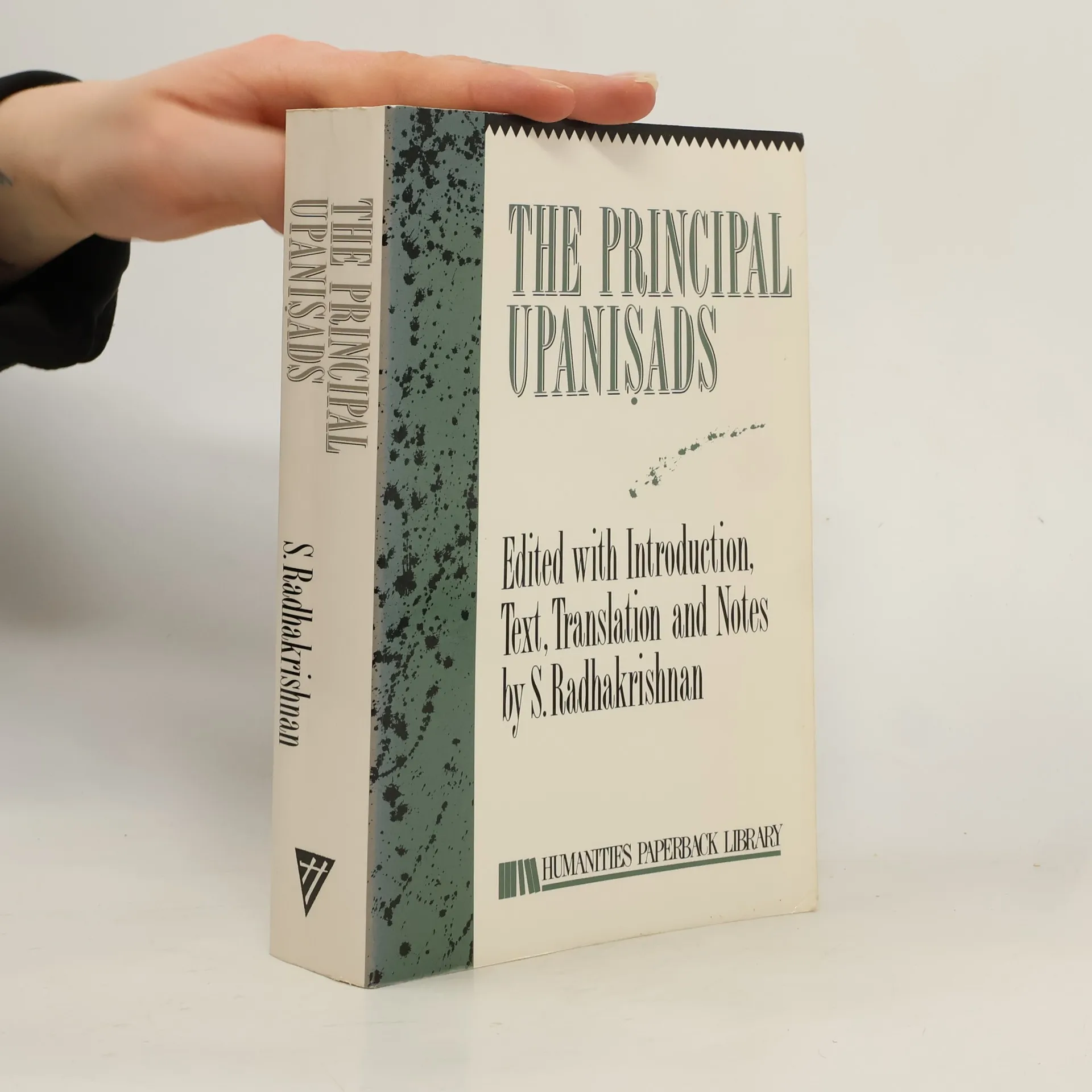
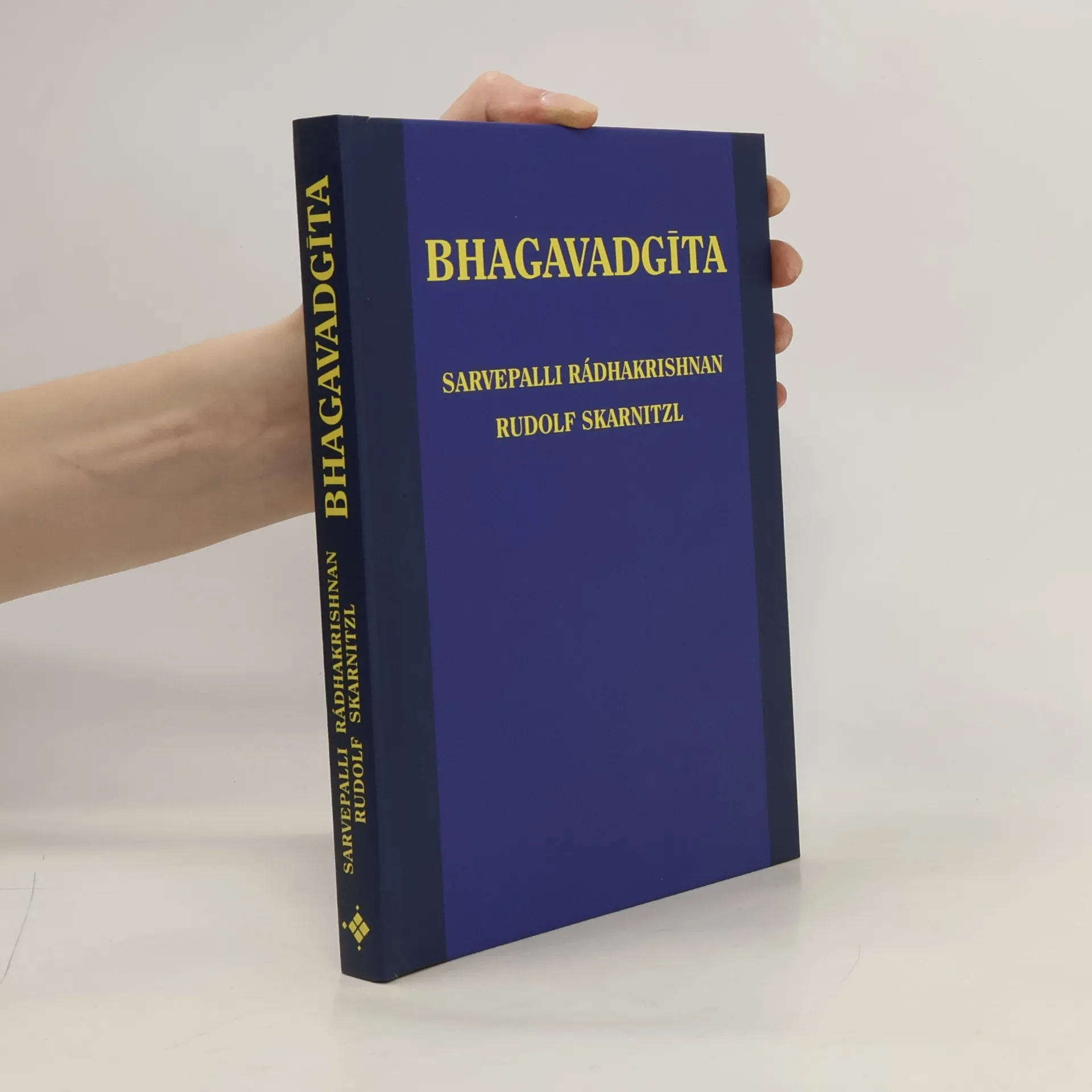
Rrozsáhlé vysvětlující komentáře Sarvepalli Rádhakrishnana (nar. 1888) pomáhají správnému pochopení tomuto základnímu textu. Ukázka: Z lidí je moudrý ten, kdo v činnosti vidí nečinnost a činnost v nečinnosti. Je jóginem a dovršil všechnu svou činnost. Ten, který vykonává jemu uloženou práci a nehledá její plody, ten je sannjásinem, je jóginem, nikoli však ten, který nezapaluje posvátný oheň a nevykonává rituály. Ti, kteří jsou osvobozeni od pých a klamu, kdo překonali zlo připoutanosti, kdo utišili své touhy a jsou vždy oddáni svrchovanému Duchu, kdo jsou osvobozeni od dvojností nazývaných potěšení a bolesti a jsou volní od poblouznění, ti dosahují nesmrtelný stav.
Sarvepalli Rádhakrišnan Knihy
5. září 1888 – 17. duben 1975
Radhakrishnan byl indický filozof a státník, který působil jako první viceprezident a druhý prezident Indie. Byl jedním z nejvlivnějších indických badatelů srovnávacích náboženství a filozofie. Díky svým autoritativním výkladům indické náboženské a filozofické literatury pro anglicky mluvící svět je považován za tvůrce mostu mezi Východem a Západem. Jeho akademická kariéra zahrnovala prestižní profesury na univerzitách v Kalkatě a Oxfordu.



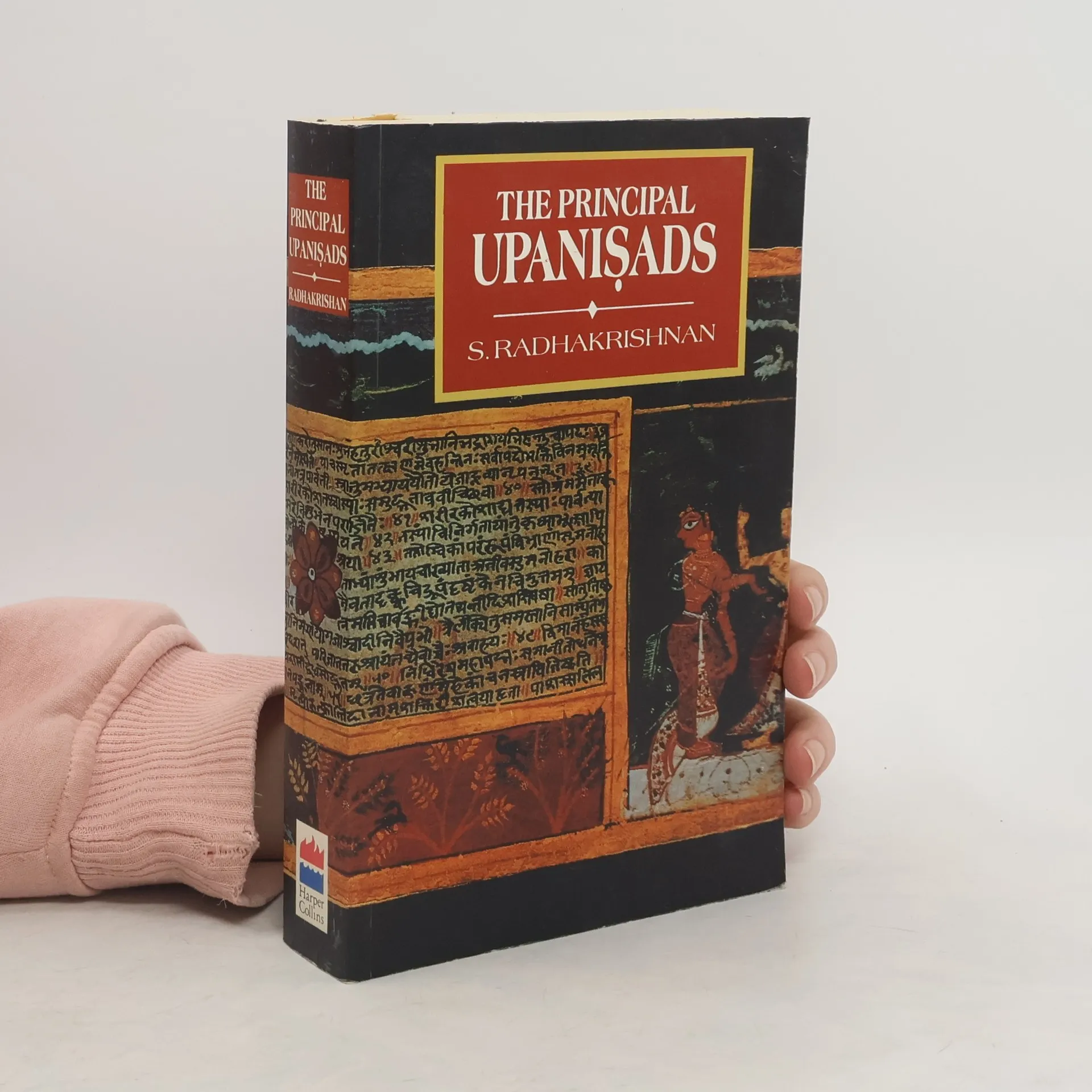
The Principal Upanishads
- 958 stránek
- 34 hodin čtení
Believed to hold the secrets of unseen reality, The Upanishads are the most ancient of the Hindu texts. They hold the secrets of the divine and have inspired generations of devotees by their vision and inexhaustible spiritual powers. Now everyone, from serious scholars to spiritual seekers, can glimpse into the texts that have shaped a vital spiritual history.
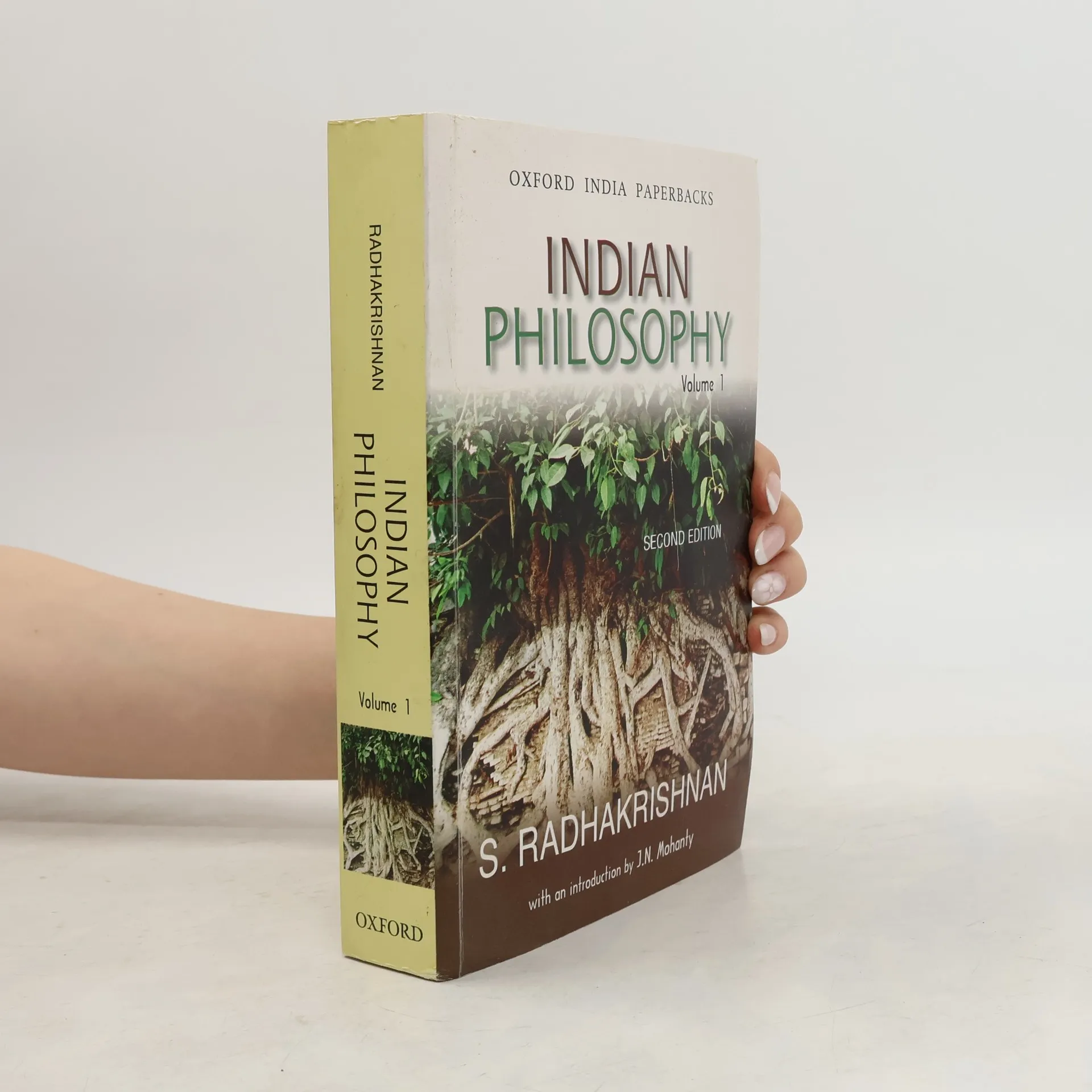
This classic work is a general introduction to Indian philosophy that covers the Vedic and Epic periods, including expositions on the hymns of the Rig Veda, the Upanisads, Jainism, Buddhism and the theism of the Bhagvadgita.
The Philosophy of Rabindranath Tagore
- 154 stránek
- 6 hodin čtení
The book offers a profound exploration of Rabindranath Tagore's philosophical teachings, emphasizing his belief in the spiritual forces that uplift humanity, especially during tumultuous times. Sarvepalli Radhakrishnan, an esteemed professor of comparative religion, delves into the interplay between Tagore's poetry and philosophy across five chapters. He highlights Tagore's significant contributions to Indian culture and his advocacy for the oppressed, reflecting on the enduring relevance of his ideas amidst the challenges of the modern world.
Sarvepalli Radhakrishnan, colleague of Gandhi, Nehru and Tagore, former Ambassador to the Soviet Union and now Vice-President of India, is regarded as the greatest living thinker of the East; the ablest representative of its rich philosophic tradition and its leading spokesman for a reconciliation of Eastern and Western spiritual values. In this volume, twenty-three world-renowned scholars have contributed a series of brilliant critical essays covering every aspect of Radhakrishnan's thought; his contributions to social philosophy and political philosophy, to modern religion and mysticism, to his influence on contemporary Hinduism, and his place in the main currents of twentieth century philosophy.
Eastern Religions and Western Thought
- 396 stránek
- 14 hodin čtení
This challenging and beautifully written book describes the leading ideas of Indian philosophy and religion. It traces the probable influence of Indian mysticism on Greek thought and Christian development, through Alexandrian Judaism, Christian Gnosticism, and Neo-Platonism. The author argues that Christianity, which arose out of an eastern background and became wedded to Graeco-Latin culture, will find rebirth in a renewed alliance with this Eastern heritage.
The Principal Upanishads
Edited with Introduction, Text, Translation and Notes