Catherine Belsey je uznávanou teoretickou badatelkou a literární kritičkou, která se proslavila svým průkopnickým dílem. Její práce se soustředí na důsledky poststrukturalistické teorie pro kulturní historii a kritiku. Belsey zkoumá vztah mezi kulturou a realitou a kriticky hodnotí současný konstruktivismus. Její analytický přístup nabízí hluboký vhled do literárních textů, zejména renesančních děl, a zdůrazňuje jemnost a eleganci jejího kritického myšlení.
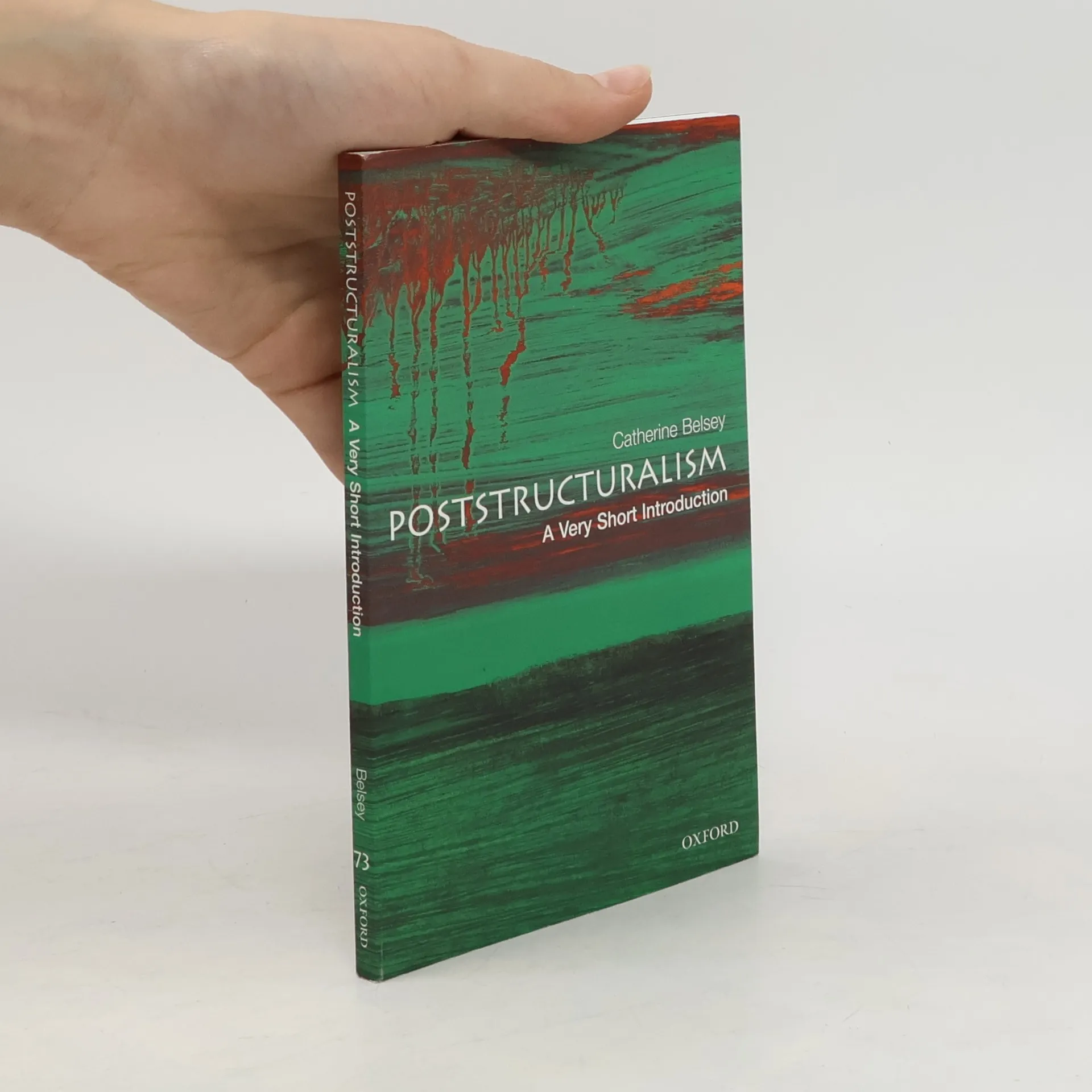
Poststructuralism changes the way we understand the relations between human
beings, their culture, and the world. Culture invests us with agency and
choice, but also limits the possibilities. But the cultural script is not
fixed, so we can intervene to increase the options. This introduction explains
how, with illustrations from art and culture.
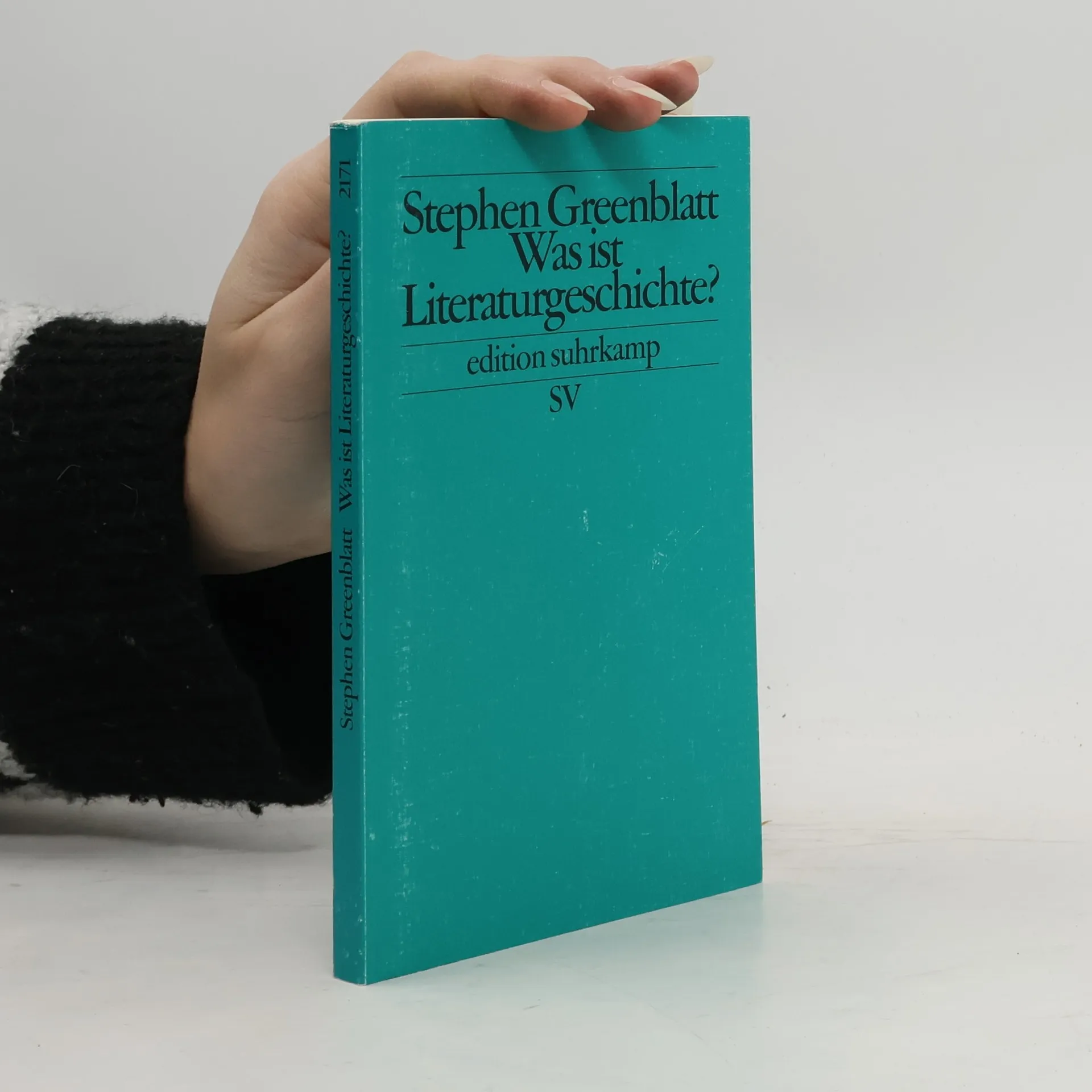
Im England der frühen Neuzeit konnte die schlichte Fähigkeit zu buchstabieren lebensrettend sein: Daran entschied sich nämlich, ob man der weltlichen Gerichtsbarkeit überantwortet wurde oder der geistlichen, die die Todesstrafe nicht kannte. Greenblatt beschreibt, wie sich von dieser existentiellen Bedeutung aus der Literaturbegriff immer weiter verzweigte und wie aus einer »Buchstabenwissenschaft« Literaturwissenschaft im modernen Sinn wurde. Ergänzt wird der Band durch einen Kommentar der britischen Literaturwissenschaftlerin Catherine Belsey und eine Betrachtung zu einem der großartigsten Werke der Literaturwissenschaft, zu Erich Auerbachs Mimesis-Buch.
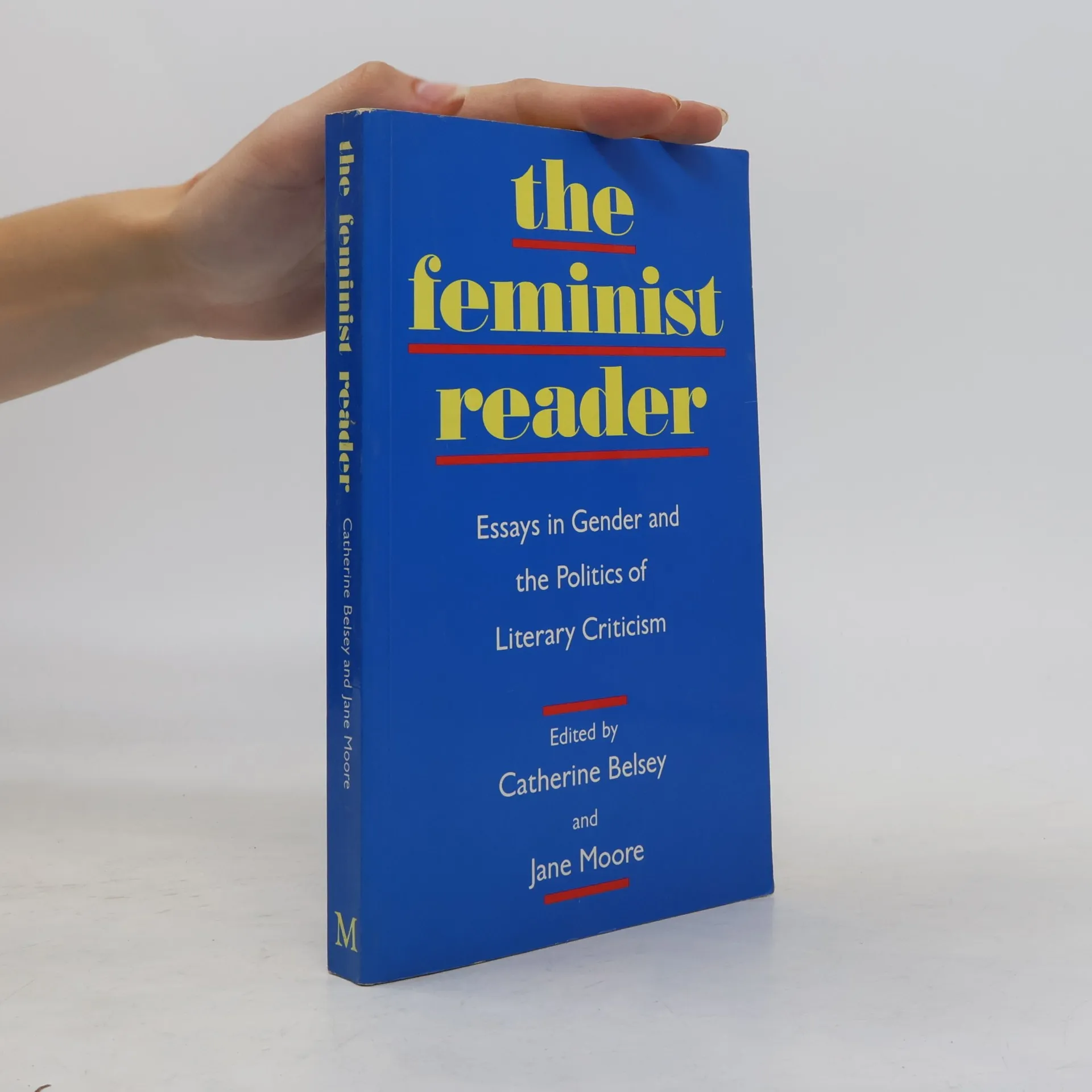
Essays In Gender And The Politics Of Literary Criticism
263 stránek
10 hodin čtení
The second edition of this highly successful anthology makes available to the feminist reader a collection of essays which does justice to the range and diversity, as well as to the eloquence and the challenge of recent feminist critical theory and practice. The new, enlarged Feminist Reader includes Toni Morrison's brilliant discussion of a Hemingway short story, Line Pouchard's reading of Radclyffe Hall's lesbian classic, The Well of Loneliness, Marjorie Garber on Elvis and cross-dressing, and Diane Elam on the relation between feminist and postmodernism, in addition to a selection of influential essays by prominent feminist critics and theorists.
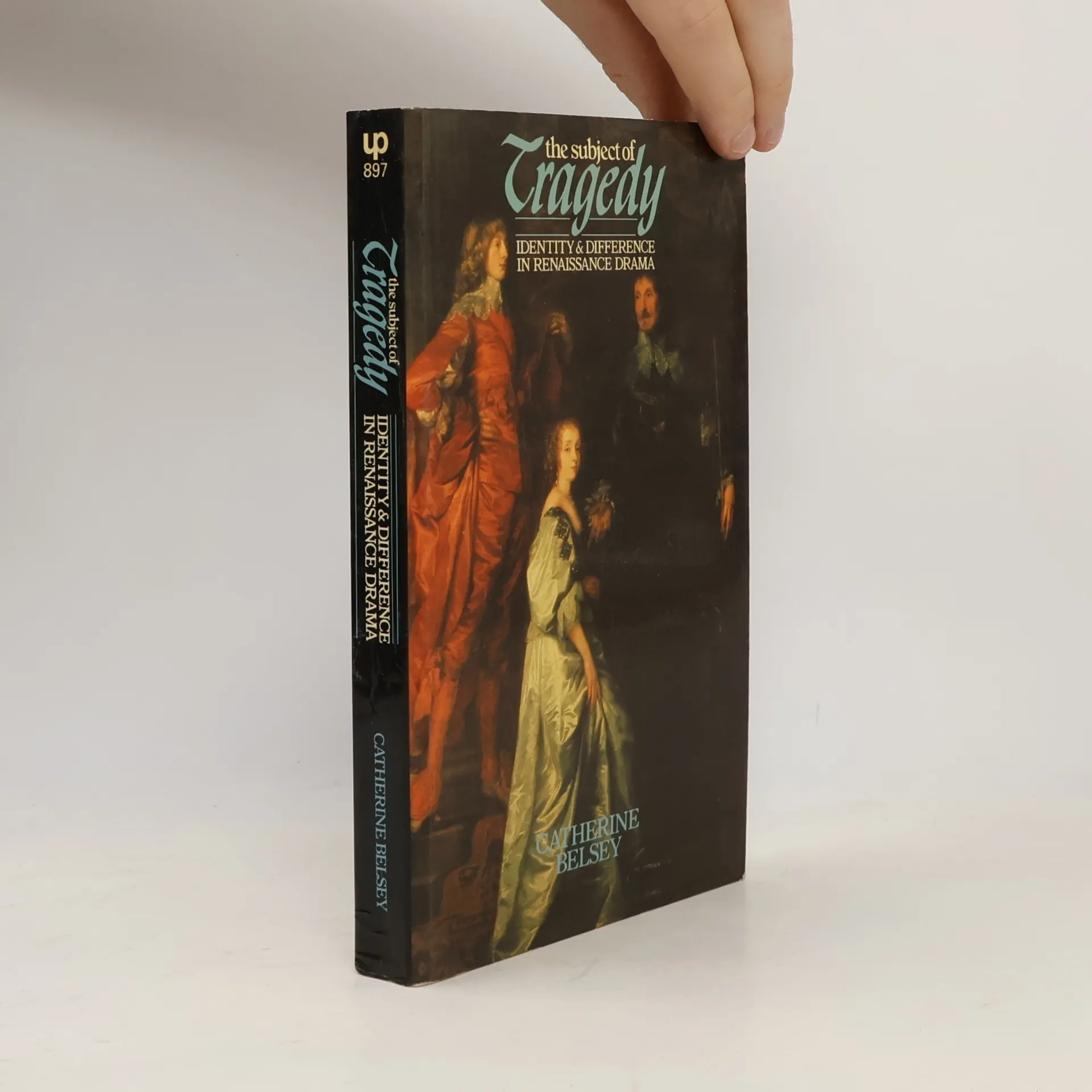
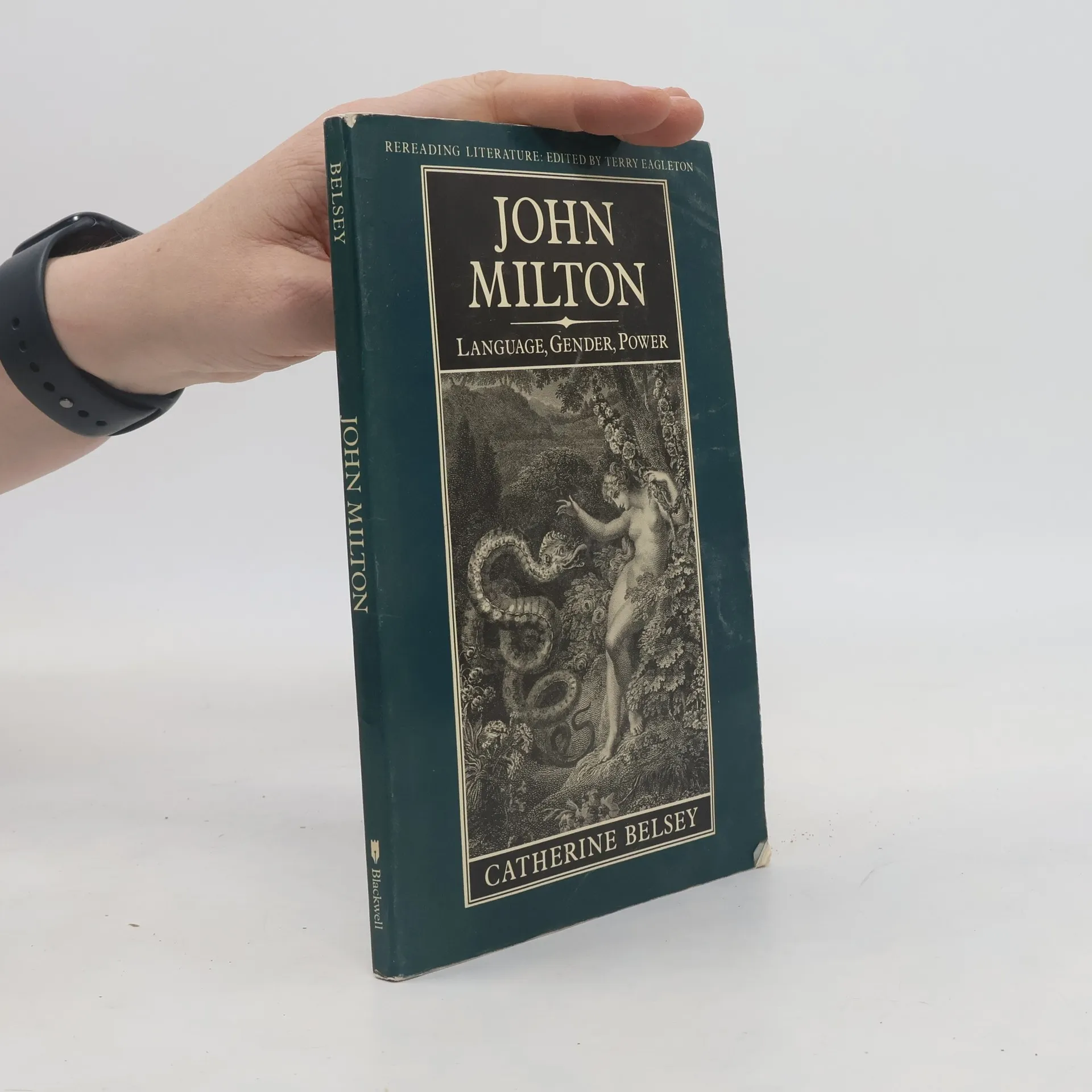
The Milton of the critics is either denounced as pompous or admired for his grand style. The Milton of the scholars is weighed down with classical learning and Protestant theology. For the student, in consequence, Milton is a figure certainly respected, even feared - but largely unread. This book represents a Milton that challenges rather than daunts the reader. This is the Milton whose writing is a product of one of the most turbulent eras of English history, the period of the Revolution, the Commonwealth and the Restoration. In Catherine Belsey's analysis, Milton's is, in consequence, a turbulent writing, fully engaged with questions of politics, gender and language. In all these spheres, Milton's poetry and prose constitute an unresolved confrontation with difference. Produced on the threshold of the modern world, the texts foreshadow issues which are fiercely contested again today. Power is seen to be dangerous and unstable, patriachy precarious, masculinity vulnerable and the language ultimately beyond the control of the impulse to master it.
... Although (Belsey) uses the specialised vocabulary of modern critical theory, she writes with a clarity and zest which can carry along even an uninitiated reader.' - THES.
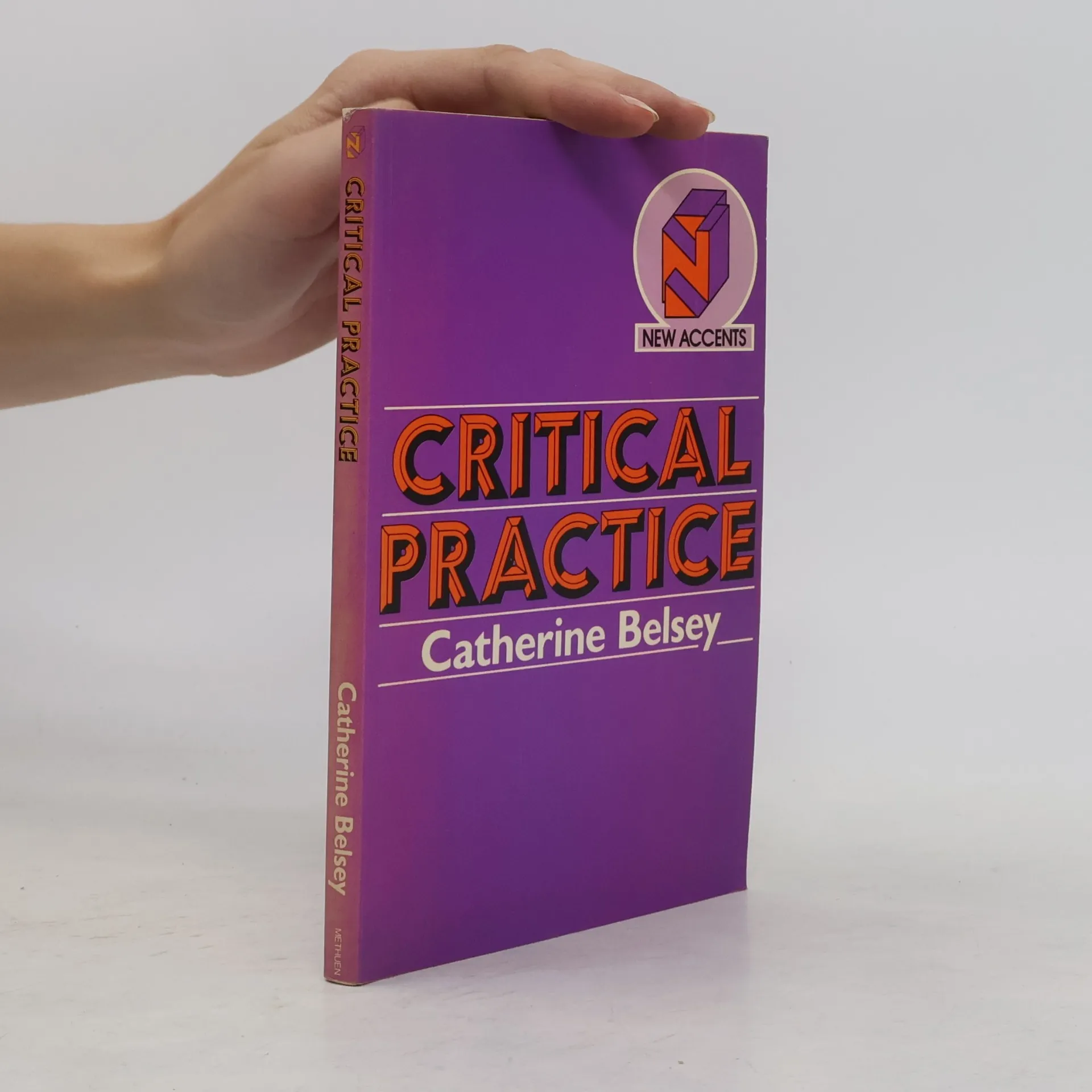
With a new chapter, updated guidance on further reading and revisions throughout, this second edition of Critical Practice remains the ideal guide to literary studies.