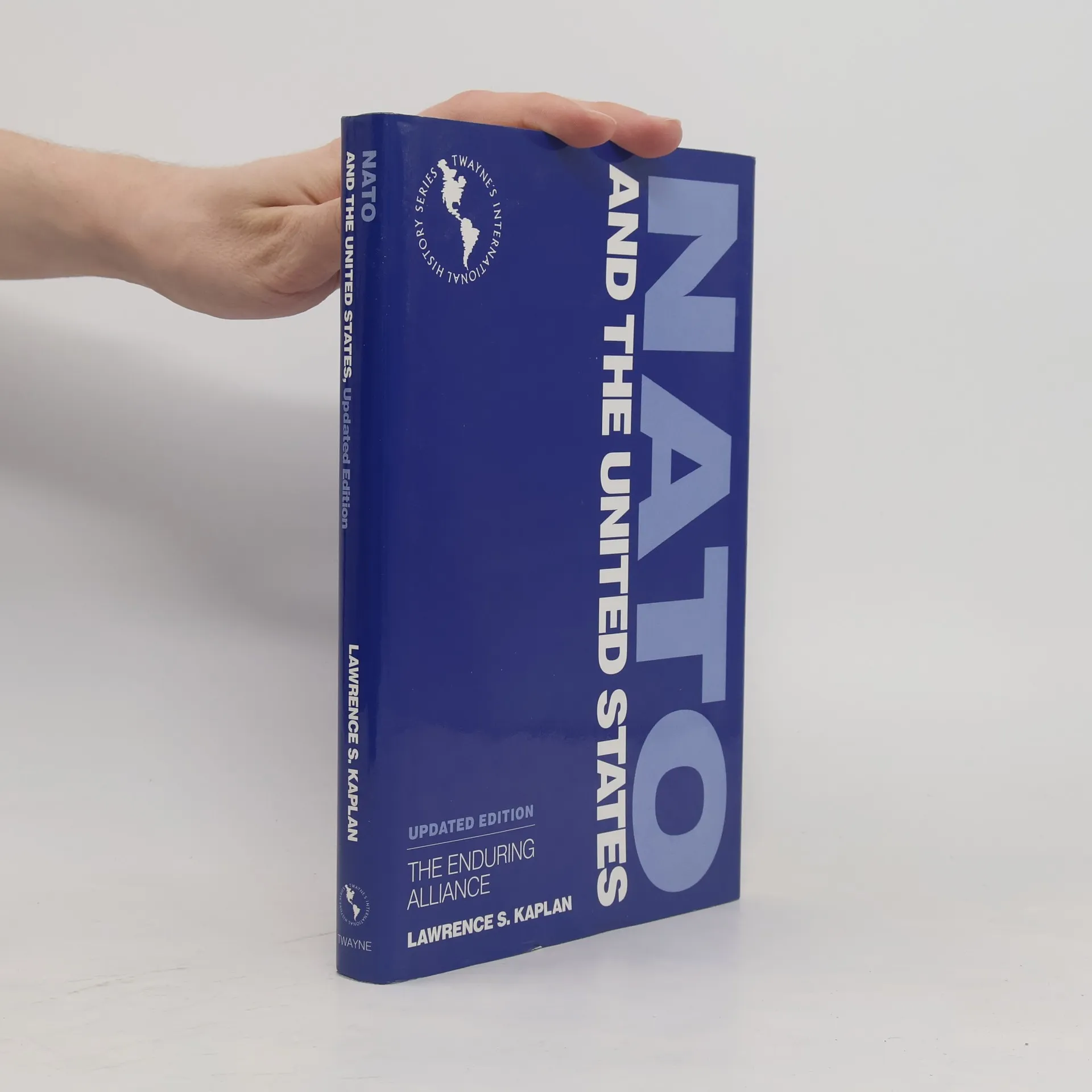
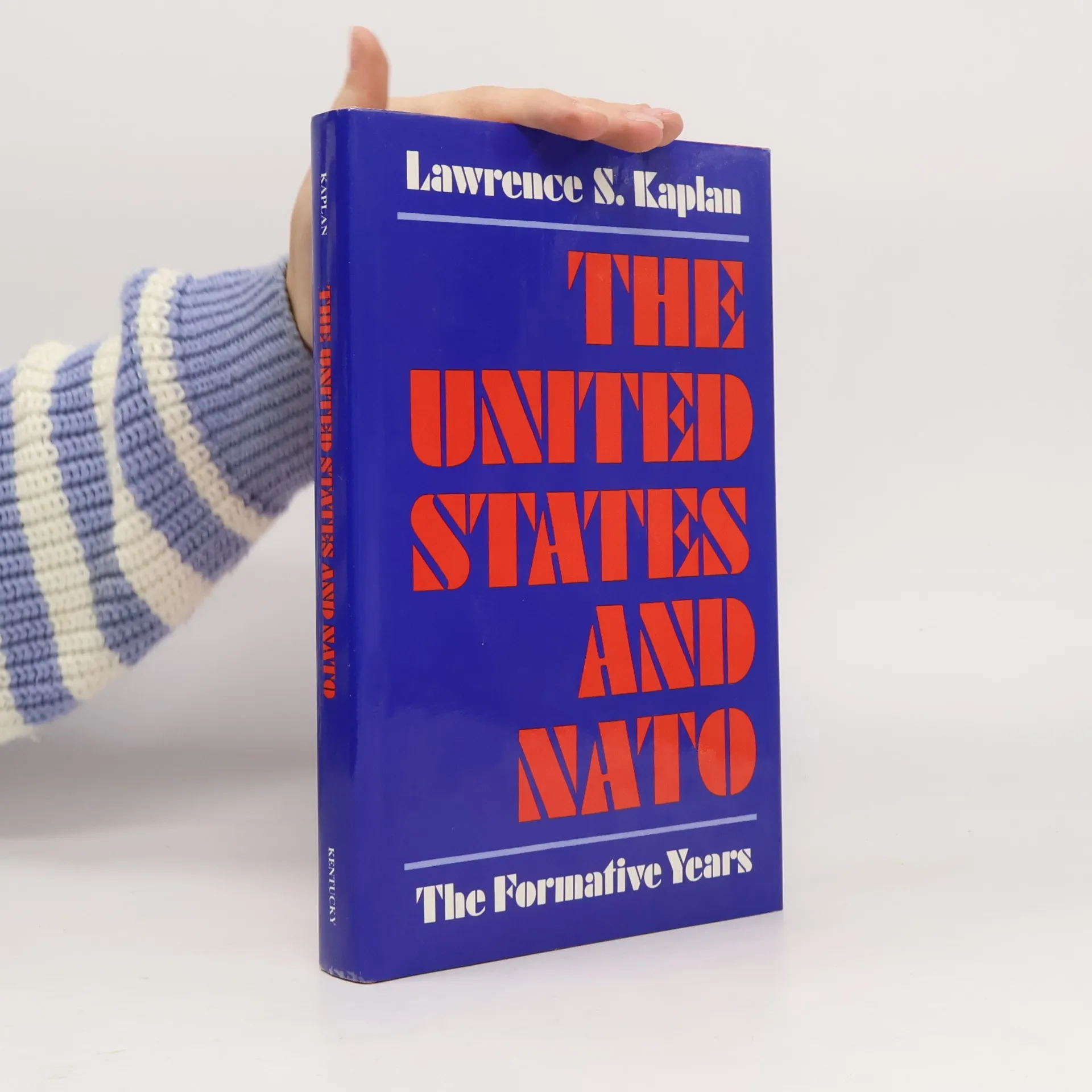
Kaplan (history and European Union studies, Kent State U.) concentrates on the differences within the North American Treaty Organization, particularly between the US and Europe. Internal conflicts, he says, have arguable been more frequent and often more bitter if not more dangerous to the alliance
The North Atlantic Treaty Organization (NATO) remains a vital link between America and Europe for common defense, even after the fall of communism. Established in 1949, NATO was a key countermeasure against Soviet aggression during the Cold War, considering an attack on one member as an attack on all. Over its 45-year history, NATO has navigated numerous challenges, including the Korean War, the launch of Sputnik, the Berlin Wall's construction, France's withdrawal in 1966, and the civil war in Yugoslavia. In updating his 1987 history of U.S.-NATO relations, scholar Lawrence S. Kaplan discusses the organization's challenges in the 1990s and argues for the continued necessity of NATO for a stable Europe, emphasizing the importance of U.S. troop strength. Kaplan traces the shift from America's pre-World War II isolationism to its commitment to NATO, examining the postwar sentiment that led to the treaty and the efforts by figures like John Foster Dulles and Arthur Vandenberg to establish the alliance. He also explores the evolution of U.S. involvement, including NATO's "New Look" in the 1950s, negotiations with Charles de Gaulle, and the dual-track approach of the 1970s that balanced arms development with arms control.
The creation of NATO marked a significant achievement in American diplomacy against the Soviet threat during the early Cold War. This work explores the shift from a 150-year nonalignment policy by the U.S. and how the treaty's goals were realized. Restoring Europe’s strength and stability post-World War II was crucial for both America and its allies, yet the methods to achieve this were unclear. European leaders faced the challenge of securing vital American economic and military support while maintaining political independence. Conversely, U.S. policymakers viewed a degree of American control as essential. The negotiations of 1947 and 1948 focused on reconciling these conflicting perspectives. The Truman administration grappled with the complexities of crafting a treaty acceptable to allies and gaining approval from Congress and the public, many of whom viewed such an "entangling alliance" as a threat to American security and the United Nations' viability. The debate surrounding the treaty was intricate, with the communist invasion of South Korea playing a crucial role in its eventual approval. This study offers a timely reevaluation of the origins of an alliance that remains vital to global power dynamics and prospects for peace.