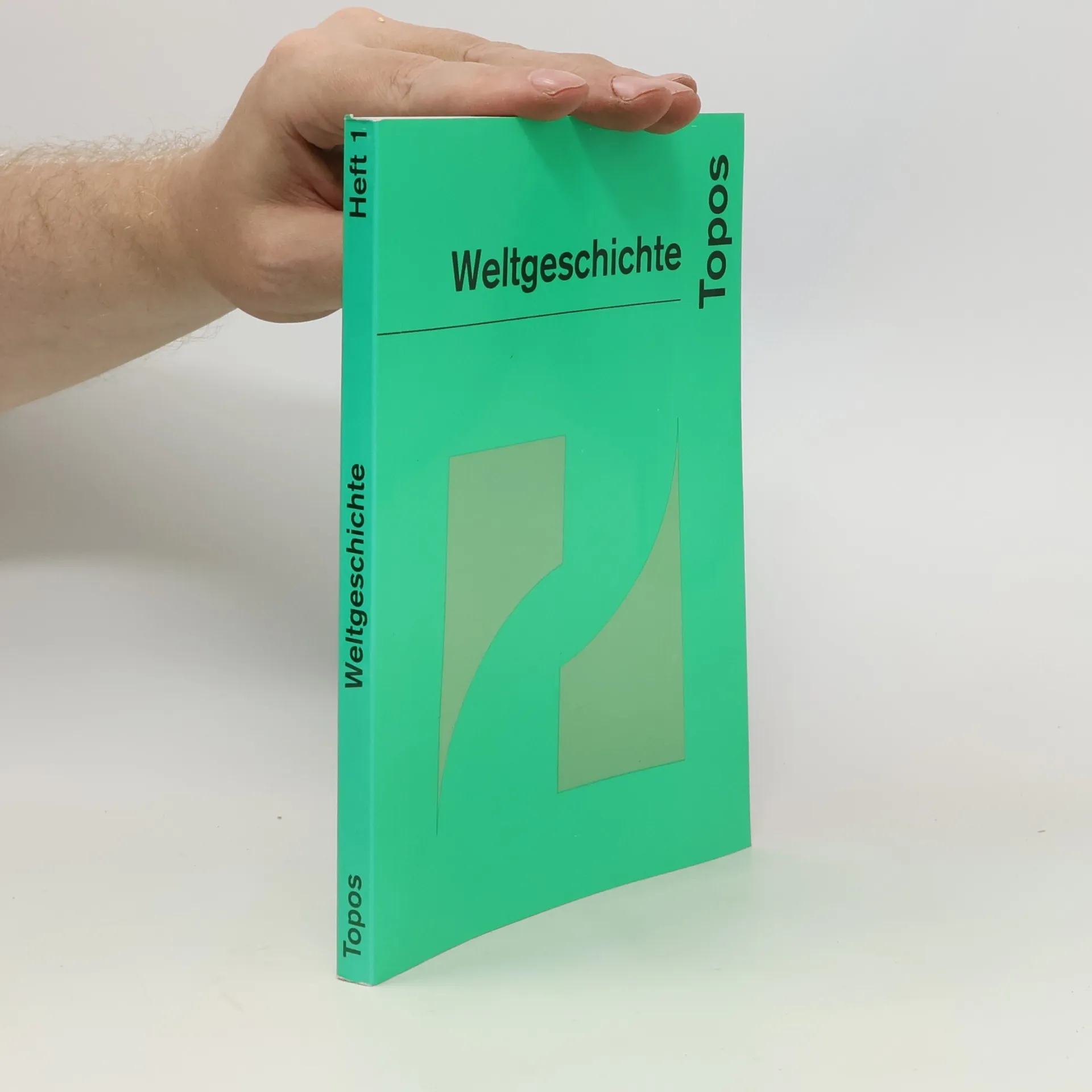
Does the dissolution experienced in socialist countries at the end of the 1980s mean the failure of Marxism-Leninism? Hans Heinz Holz, a Marxist and world-renowned philosopher from West Germany, argues otherwise in this work written shortly after the collapse of the Soviet Union. According to him, the defeat of socialism was a result of a departure from the essence of Marxism-Leninism due to various (both objective and subjective) reasons. Holz attempts to summarize the fundamental principles of Marxist-Leninist theory and discusses the reasons and consequences of straying from these principles. He evaluates the failures of the first socialist societies from a critical perspective, while also demonstrating the inadequacy of attempts to explain everything through "Stalinism." Additionally, in an article added for the Turkish edition, he focuses on the "revisionist turning point" in the Soviet Union. Holz concludes that capitalism, which is responsible for the problems of our time, is helpless in the face of these issues. The continuation of capitalism means a deepening of the problems and dangers facing the planet and humanity. As people recognize this reality, they will turn their faces back to socialism.
Hans Heinz Holz Knihy






Strömungen und Tendenzen im Neomarxismus
- 118 stránek
- 5 hodin čtení
Die Veränderungen und Umschichtungen des hegemonialen Machtbereichs der Kommunistischen Partei der Sowjetunion nach dem 2. Weltkrieg sind zwar zur Kenntnis genommen, aber nicht hinreichend analysiert worden: So haben sich in westeuropäischen Ländern, zumal in Frankreich und Italien, die Bindungen der jeweiligen KPs an Moskau zugunsten eines »marxistischen Pluralismus« (Roger Garaudy) differenziert. Viel komplizierter verliefen naturgemäß vergleichbare Strömungen in sozialistischen Ländern, in denen es trotz enger politischer und geistiger Bindungen an den Sowjetkommunismus zu einschneidenden Formen der Dissidenz, der Abweichung kam.Hans Heinz Holz beschreibt und deutet vor allem die jeweiligen politischen Voraussetzungen und theoretischen Tendenzen, die zur Differenzierung des Moskauer Einflusses im europäischen Neomarxismus geführt haben.
Gottfried Wilhelm Leibniz
- 165 stránek
- 6 hodin čtení
Gesammelte Aufsätze aus 50 Jahren
- 252 stránek
- 9 hodin čtení
"Als ob ich selber nackt in Schnee und Regen stehe ..."
- 198 stránek
- 7 hodin čtení
Marxismus - Ideologie - Politik
- 318 stránek
- 12 hodin čtení
Für den Frieden - Aufgaben der Philosophie und der Wissenschaften
- 231 stránek
- 9 hodin čtení
Dialectica minora - 1: Perspektiven auf Hegel
- 94 stránek
- 4 hodiny čtení
German
Die Sinnlichkeit der Vernunft
- 336 stránek
- 12 hodin čtení
Im Kampf gegen die Nazis gereift, feuert Hans Heinz Holz nach 1945 als politischer Journalist die Kämpfe gegen die Remilitarisierung der BRD und gegen die Notstandsgesetze an. Seine Promotion wird 1951 aus politischen Gründen abgelehnt. 1970 muss seine Berufung als marxistischer Philosophieprofessor nach Marburg von der Studentenbewegung erkämpft werden. Der international anerkannte Wissenschaftler und Kommunist forscht und lehrt fortan zu allen Bereichen der Philosophie, zu Ästhetik und Politik.Im Gespräch führt Holz anhand seines Lebenswegs ungezwungen und allgemeinverständlich in dialektische Philosophie und Ästhetik ein und schildert die politischen Kämpfe in Westdeutschland seit 1945 und seine Teilnahme an ihnen als Kommunist und Philosoph.
Dialektik
- 2932 stránek
- 103 hodin čtení
Ohne Dialektik ist keine Philosophie denkbar. Dialektik als „Lehre vom Denken“ ist sowohl ein zentrales philosophisches Problem als auch eine der grundlegendsten Methoden. Was der Autor Hans Heinz Holz mit dieser fünfbändigen Ausgabe vorlegt, ist nichts Geringeres als eine Darstellung der gesamten Entwicklung der Dialektik von der Antike bis zur Neuzeit. Wie trug das Verständnis der Dialektik in den verschiedenen Epochen zur Herausbildung wissenschaftlicher Philosophie bei? Wie konnte sich das dialektische Denken weiterentwickeln und verfeinern? Welches sind die Grundprobleme und Denkstrukturen, die es zu kennen gilt? Dies sind nur einige wenige Fragen, die in diesem beeindruckenden Grundlagenwerk als Problemgeschichte aufgerollt und ausführlich erläutert werden. Diese überarbeitete fünfbändige Neuausgabe enthält drei ursprünglich im Metzler Verlag, Stuttgart erschienenen Bände, die die Zeit von der Antike bis zum Mittelalter behandeln.
Spinoza
- 168 stránek
- 6 hodin čtení
Dialektik-Konzepte
- 185 stránek
- 7 hodin čtení
Topos - 8: Aufklärung
- 161 stránek
- 6 hodin čtení
Weltgeschichte
- 161 stránek
- 6 hodin čtení
Epochenwandel
- 178 stránek
- 7 hodin čtení
Dialectica minora - 9: China im Kulturvergleich
Ein Beitrag zur philosophischen Komparatistik
- 121 stránek
- 5 hodin čtení
German