Knihobot

László Moholy-Nagy

  • Nagy, Ladislaus Moholy-
  • de Nagy
  • Laszlo
20. červenec 1895 – 24. listopad 1946
László Moholy-Nagy : retrospective
László Moholy-Nagy
Hajduci : 1591-1699
Telehor 1-2. Internationale Zeitschrift für visuelle Kultur
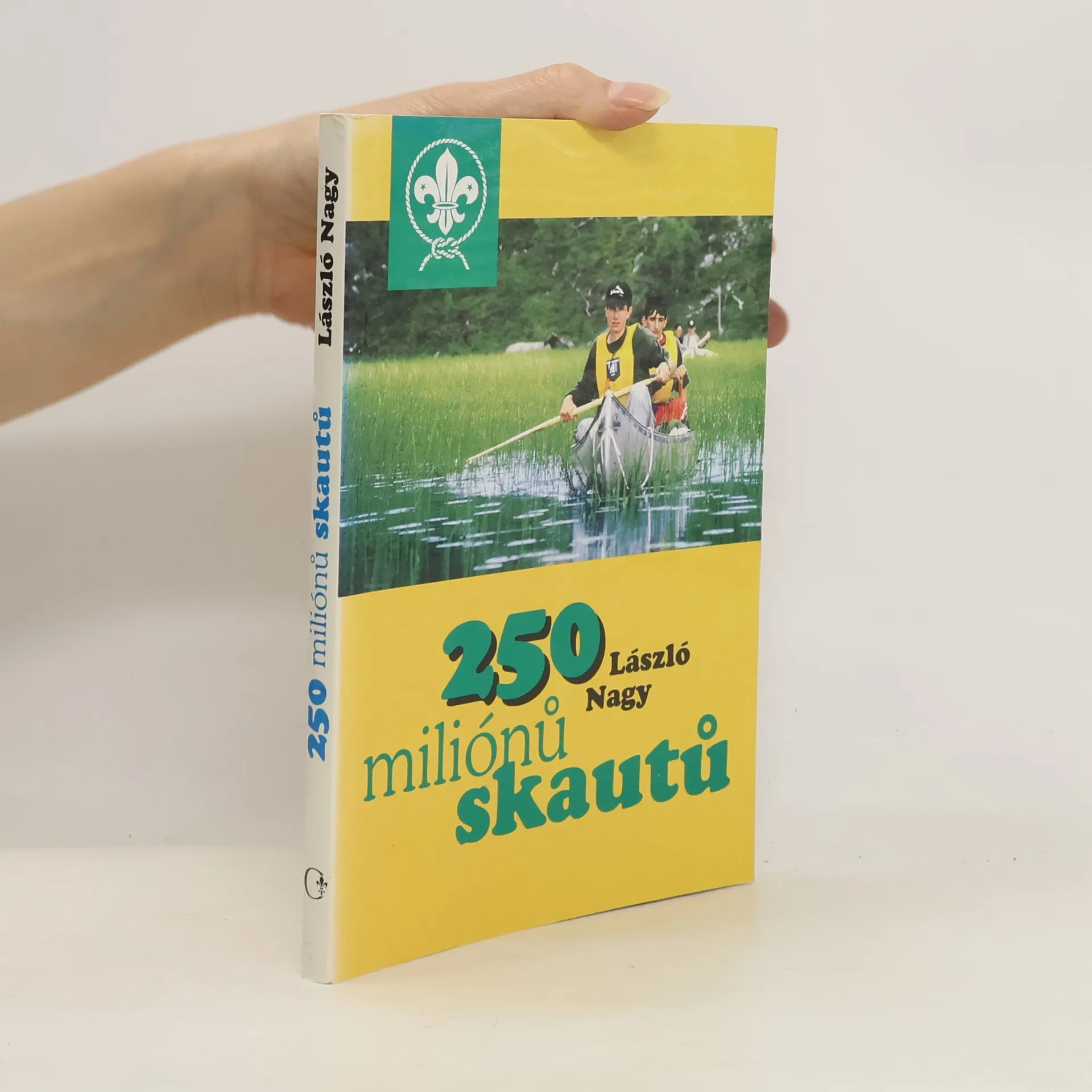
250 miliónů skautů
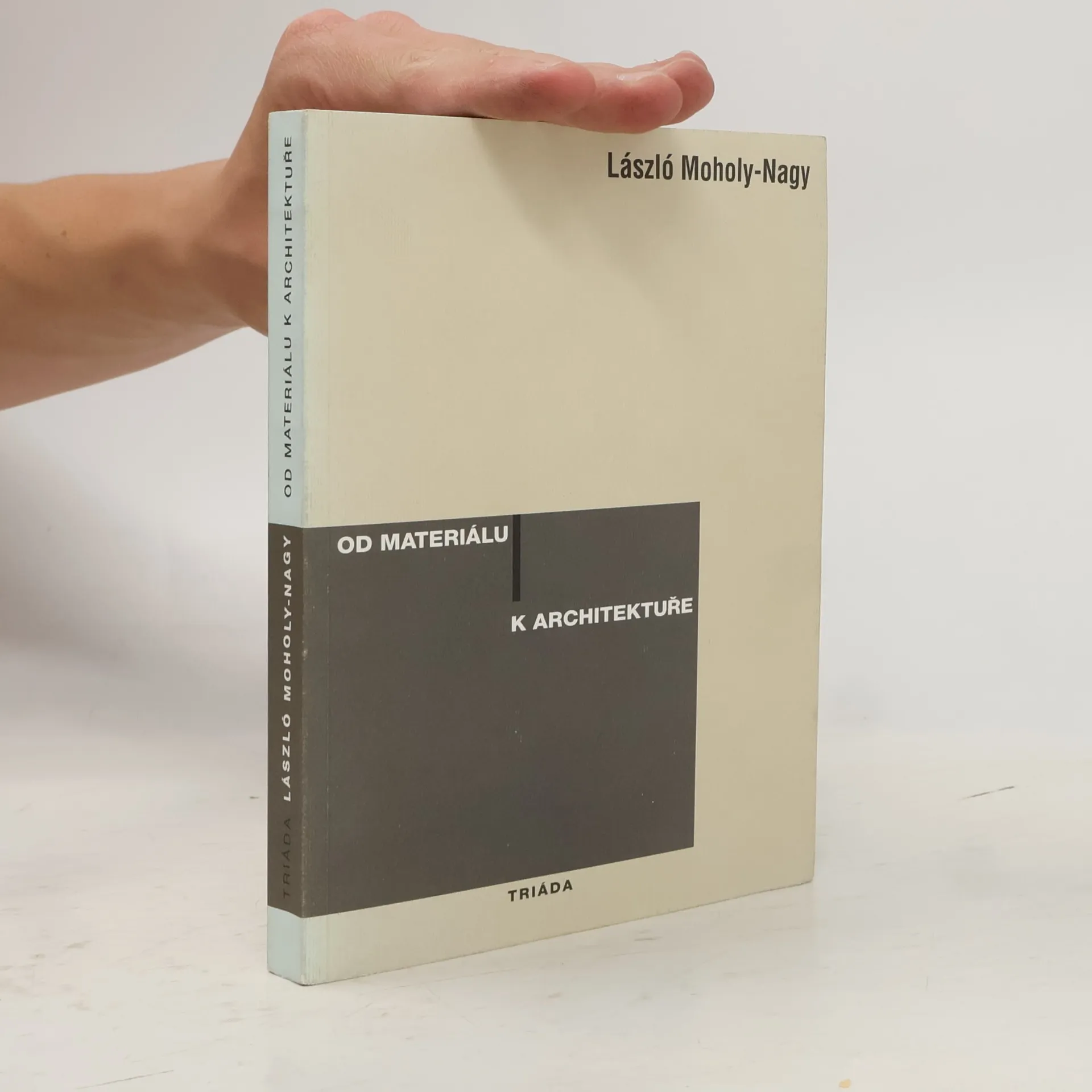
Od materiálu k architektuře
  • 2025

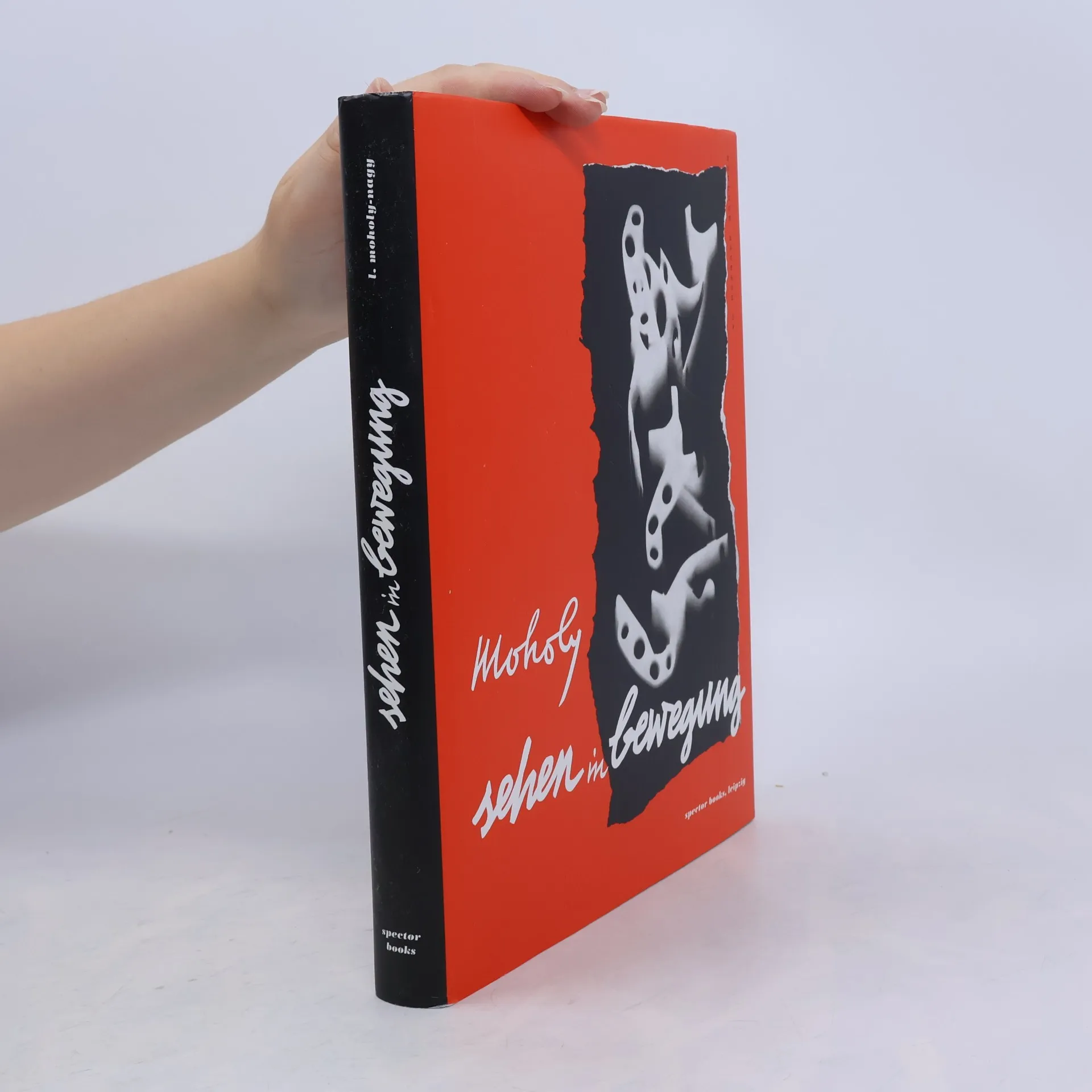
    László Moholy-Nagy. Die beispiellose Fotografie

    Sämtliche Schriften zur Fotografie

    • 283 stránek
    • 10 hodin čtení

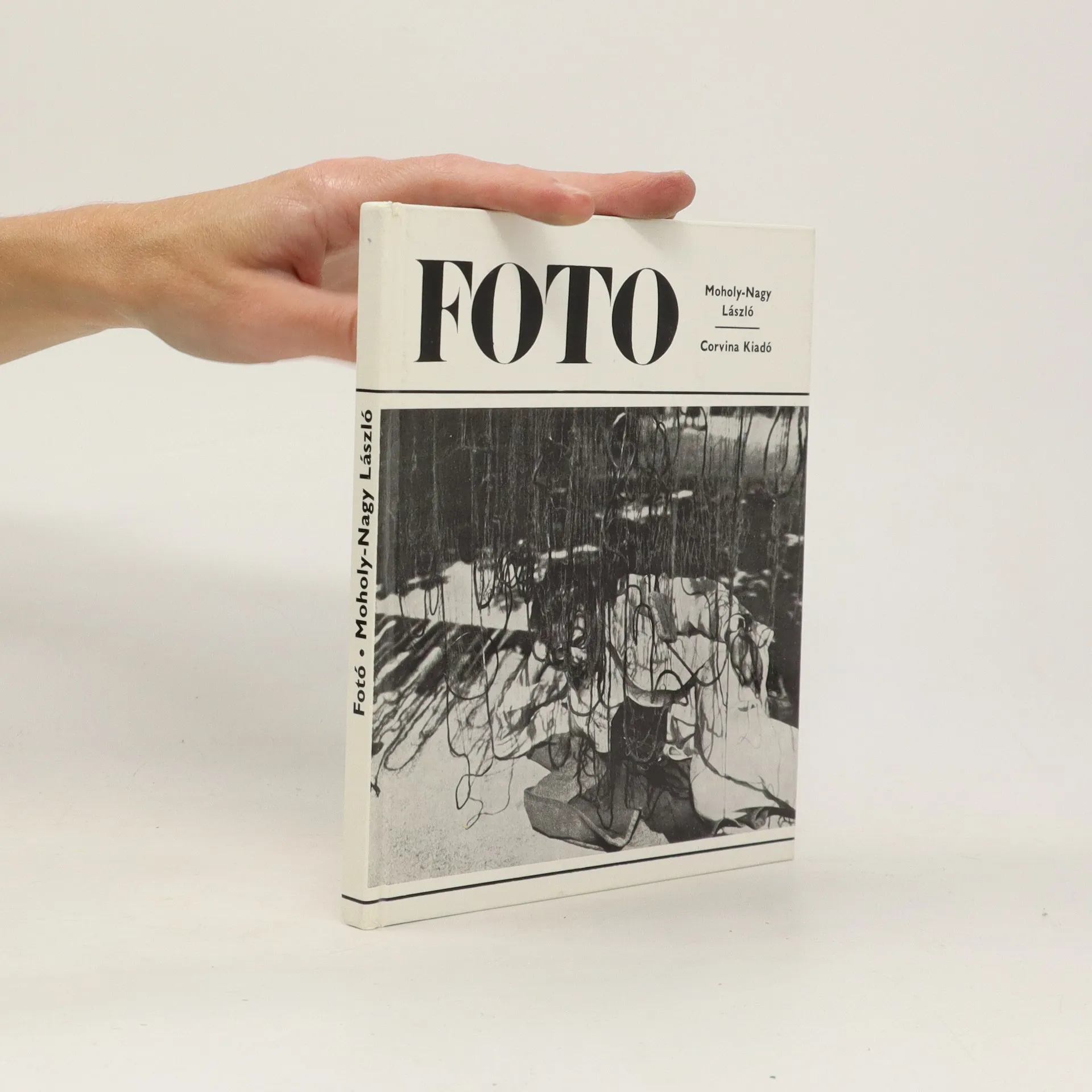
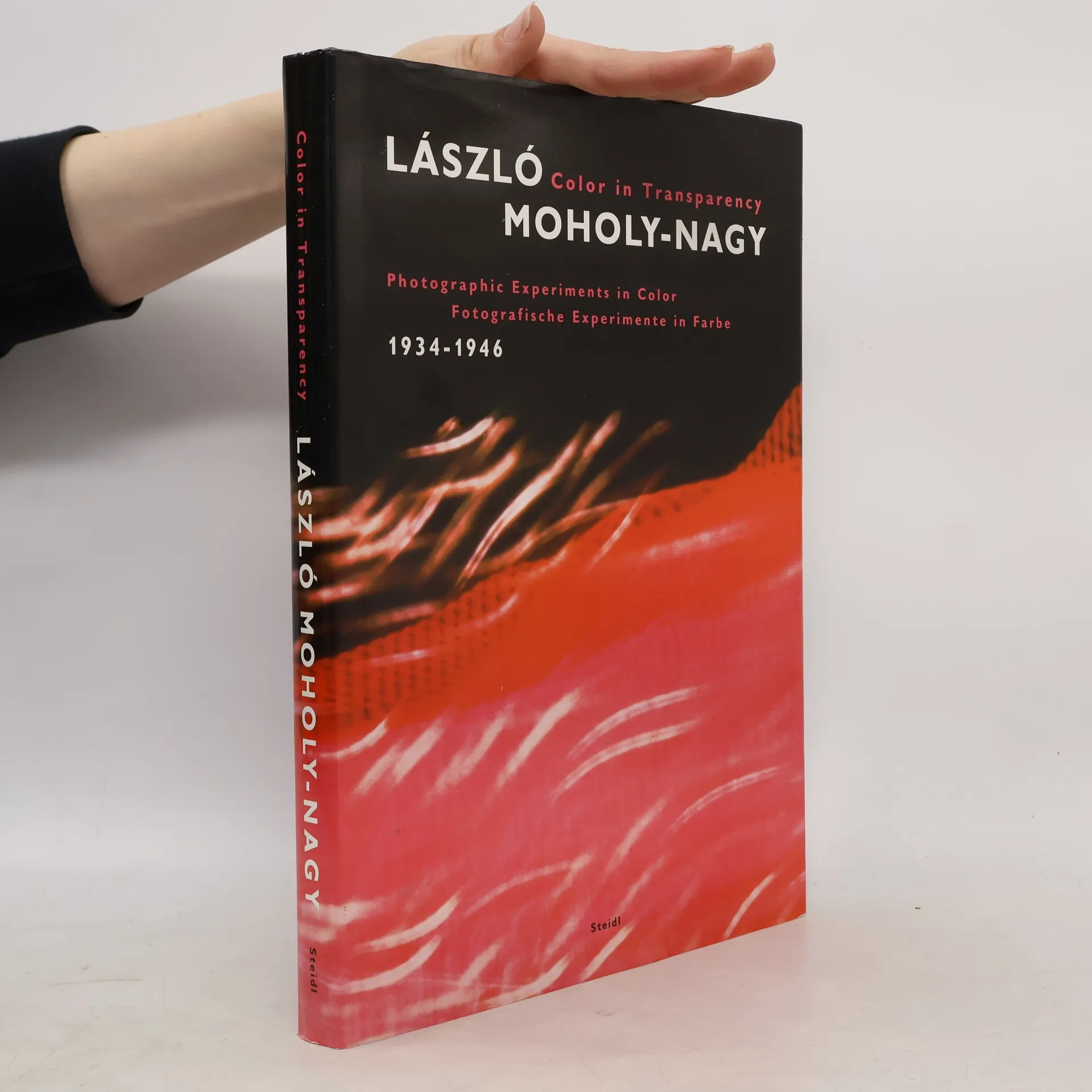
    Der ungarische Künstler László Moholy-Nagy (1895-1946) war nicht nur einer der bedeutendsten Fotografen der Klassischen Moderne, seit den frühen 1920er Jahren publizierte er zudem regelmäßig kritische Texte zur Fotografie. In seinen Essays, Streitschriften und Rezensionen entwarf Moholy-Nagy die Fotografie als das Leitmedium der Moderne. Seine weit verstreuten Schriften zur Fotografie werden in diesem Band zum ersten Mal vollständig zusammengeführt: insgesamt 38 kürzere Artikel sowie im Reprint die beiden Bücher Malerei, Fotografie, Film und 60 Fotos. Von seinen Jahren als Bauhaus-Lehrer in Dessau über seine Zeit als selbstständiger Gestalter in Berlin, Amsterdam und London bis hin zum Professor am New Bauhaus in Chicago entwickelte Moholy-Nagy eine wegweisende Ästhetik. Ausgehend von der Fotografie wird sie in diesem Buch als eine originelle Theorie der Moderne sichtbar gemacht. Steffen Siegel ist Professor für Theorie und Geschichte der Fotografie an der Folkwang Universität der Künste in Essen. Bernd Stiegler ist Professor für Professor für Neuere Deutsche Literatur im medialen Kontext an der Universität Konstanz. --Hungarian artist László Moholy-Nagy (1895-1946) was not only one of the most important photographers of the classical modernist period but also regularly published critical texts on photography from the early 1920s on. In his essays, polemics, and reviews Moholy-Nagy delineated photography as the leading medium of the modern age. His broad spread of writings on photography are brought together in their entirety for the first time in this volume: a total of thirty- eight shorter articles and reprints of his two books Painting, Photography, Film and 60 Photos. From his years as a Bauhaus teacher in Dessau and his time as a freelance designer in Berlin, Amsterdam, and London to his professorship at the New Bauhaus in Chicago, Moholy-Nagy developed a groundbreaking aesthetic. With photography as a starting point, this aesthetic is visualized here as an original theory of modernity. Steffen Siegel is professor of the theory and history of photography at Folkwang University of the Arts in Essen. Bernd Stiegler is professor of modern German literature with a focus on media contexts at the University of Konstanz.

    László Moholy-Nagy. Die beispiellose Fotografie
  • 2013

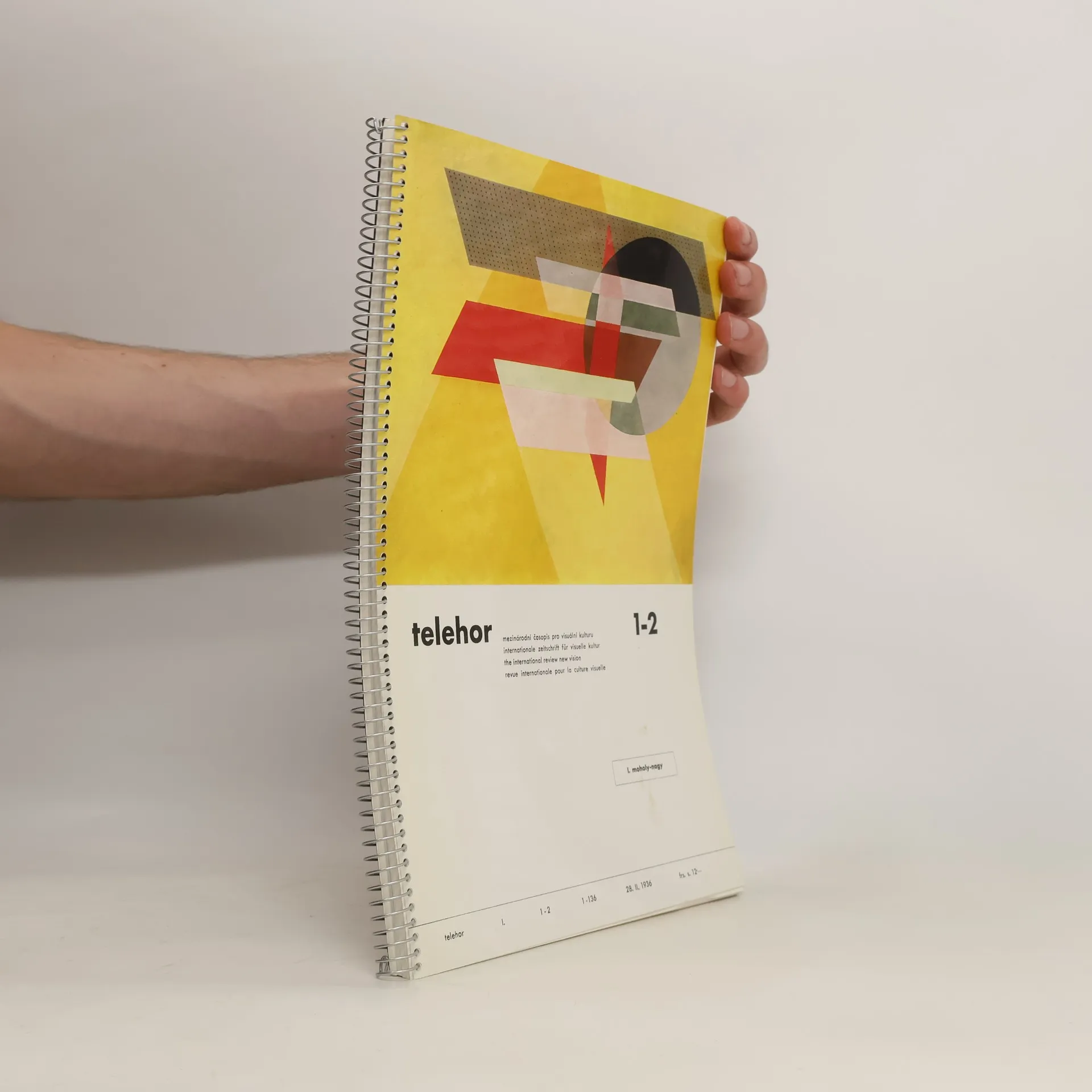
    In 1936 the first and only issue of the magazine telehor (Greek for television) was released in four languages, as a special edition on and by Lászlo Moholy-Nagy. To celebrate its 75-year anniversary a facsimile reprint of the magazine will be produced, accompanied by a commentary volume. The reprint makes the magazine accessible again in terms of its artistic and theoretical-historical dimensions. Particular attention has been paid to the production process. Thus the volume appears spiral-bound, an ultramodern technique in the mid-1930s. The commentary contains an editorial statement that places telehor in the context of the art and media of the 1920s and 1930s and unlocks the position of the artistic avant-garde at the intersection of two epochs.

    Telehor 1-2. Internationale Zeitschrift für visuelle Kultur
  • 2009

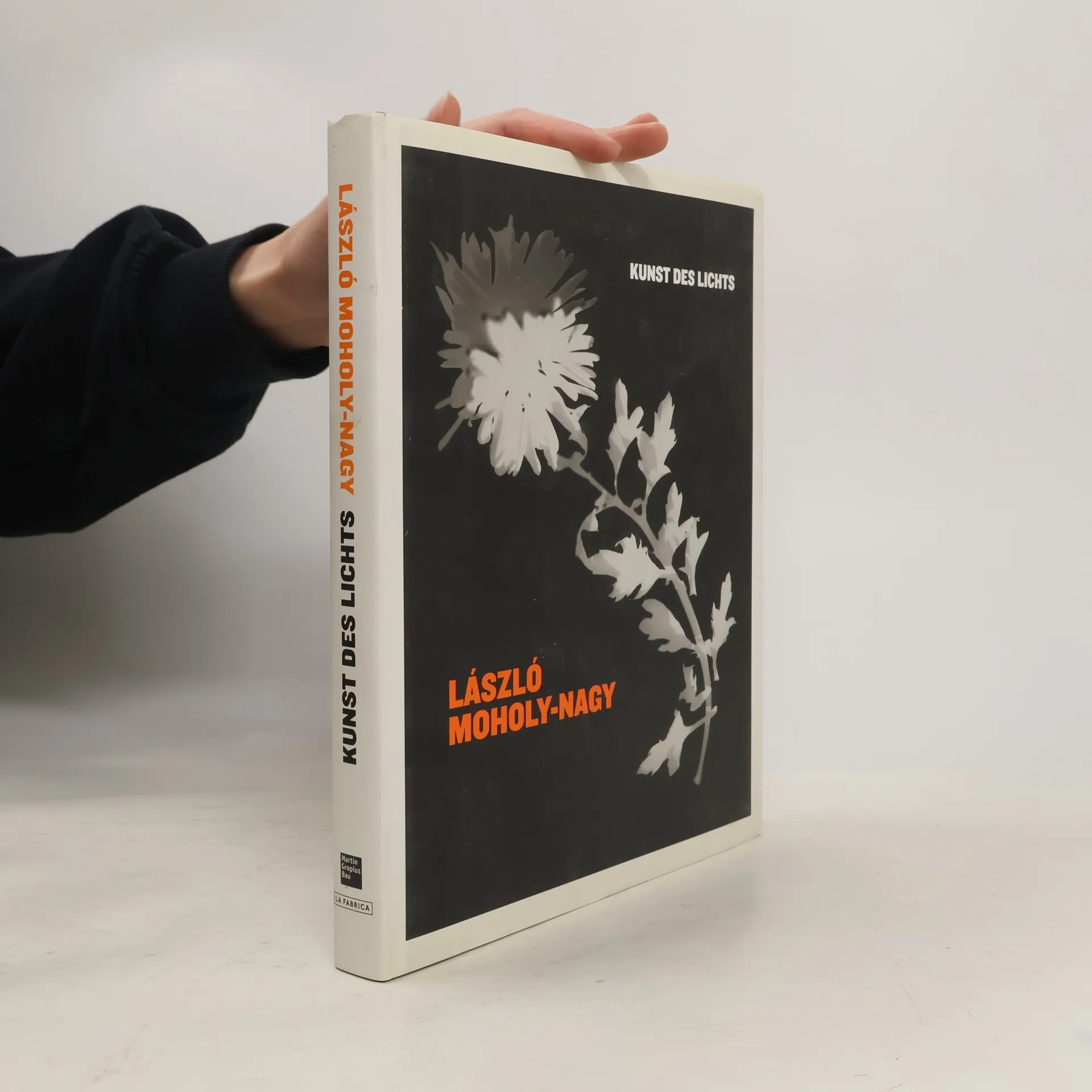
    László Moholy-Nagy : retrospective

    • 192 stránek
    • 7 hodin čtení
    3,7(7)Ohodnotit

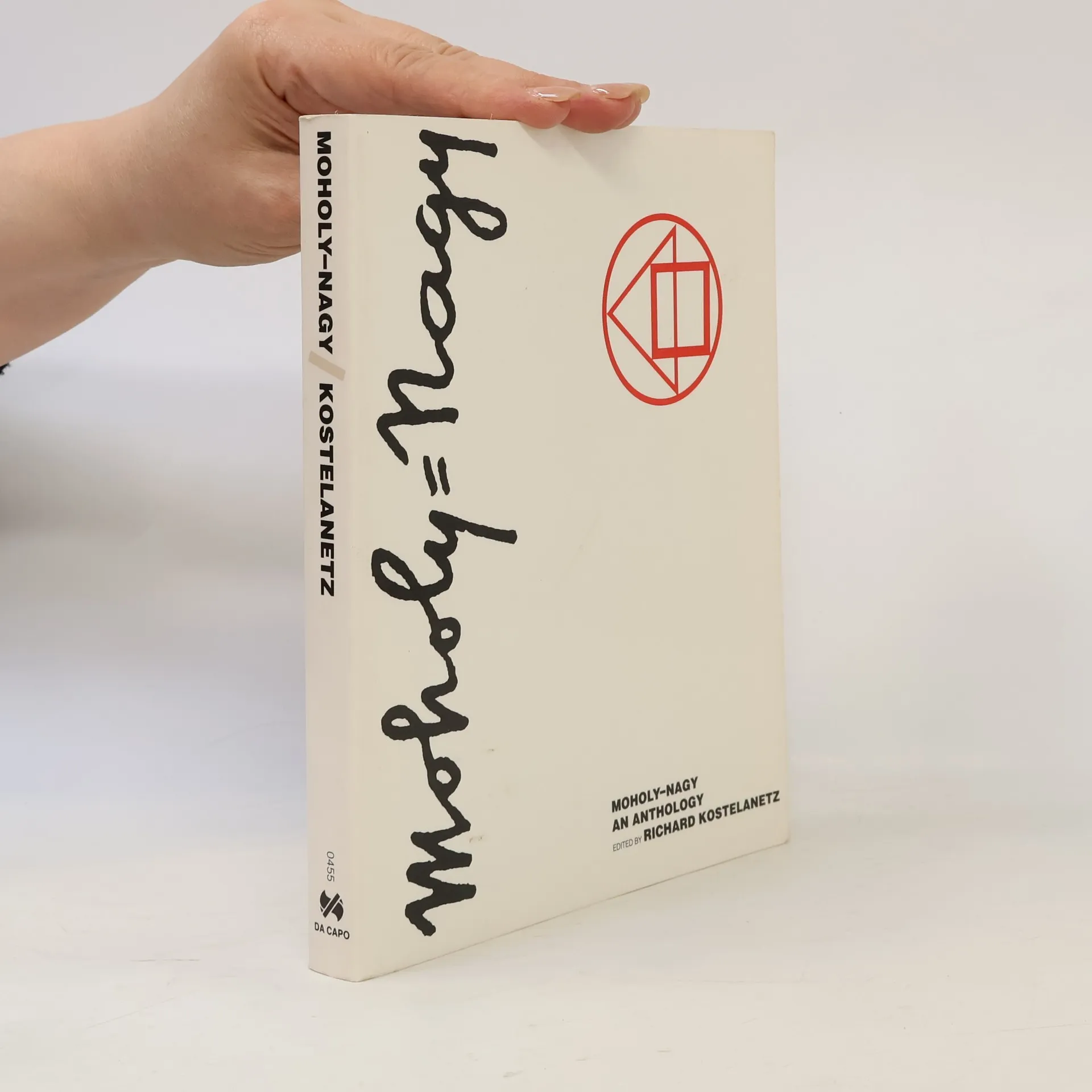
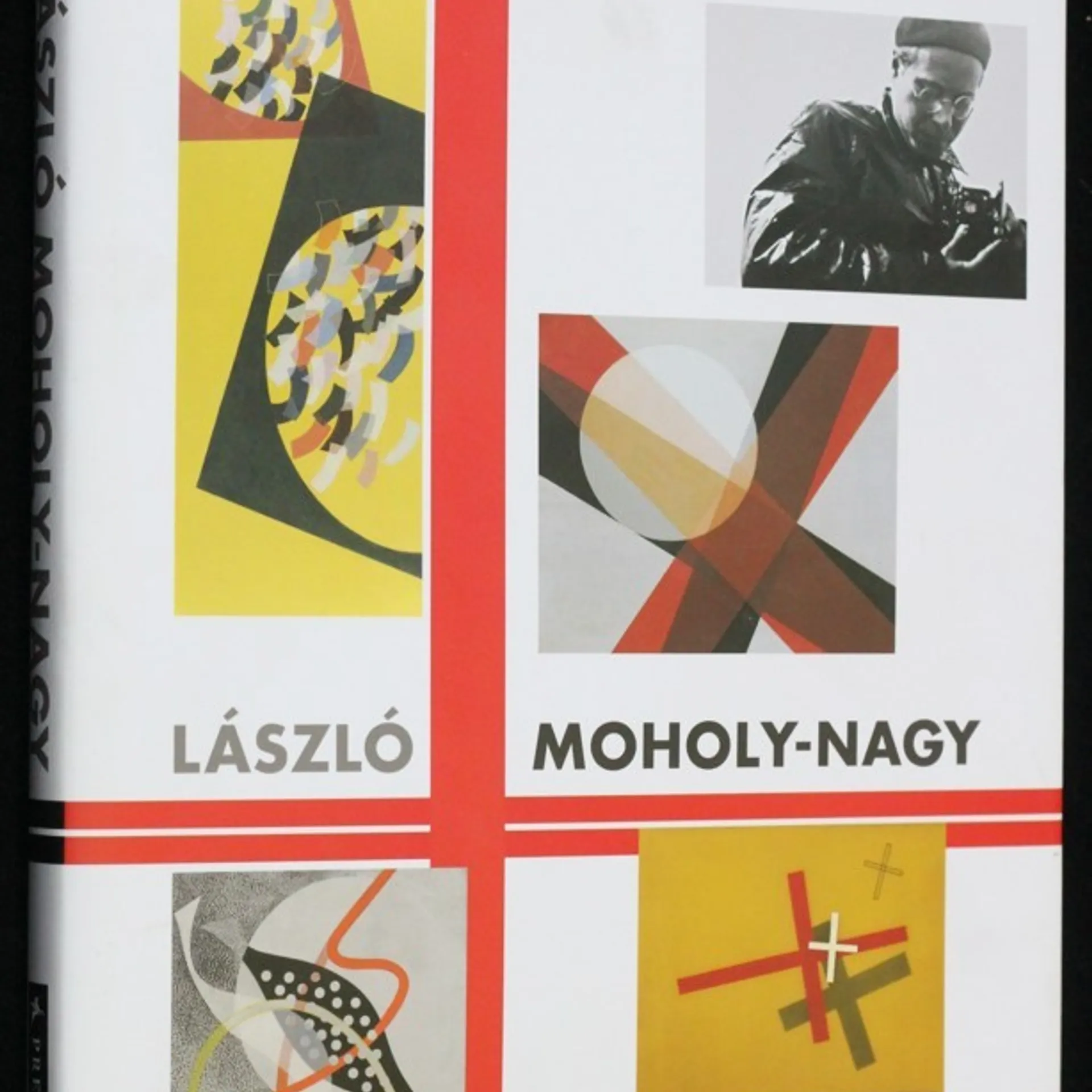
    This companion volume to a major exhibition of the work of Laszlo Moholy-Nagy highlights the extraordinary range of his prolific career. Throughout his career Moholy-Nagy produced brilliant works in painting, film, photography, sculpture, set design and typography. A leading proponent of the Bauhaus School, he strove to apply artistic principles to every aspect of daily life. This companion volume to a retrospective features 170 works from all phases of Moholy-Nagy's career. Essays on his involvement with the Bauhaus School; his late paintings; his photographs, photograms, and photosculptures; and his accomplishments in the field of graphic art are complemented by numerous color illustrations. The book also documents the reconstruction of a never completed work, The Room of Today, which incorporates the most important themes Moholy-Nagy brought to his art. Readers viewing his work for the first time, along with those already possessing a deep appreciation for his art, will celebrate this long-overdue volume.

    László Moholy-Nagy : retrospective
  • 2003

    Alpine biodiversity in Europe

    • 477 stránek
    • 17 hodin čtení

    The United Nations Conference on the Environment and Development (UNCED) in Rio de Janeiro in 1992 initiated numerous programs focused on assessing, managing, and conserving the earth's biological diversity. A significant topic was the mountain environment, particularly the alpine zone, which consists of treeless regions at high altitudes. Despite its small land coverage, the alpine zone is home to a diverse array of plants, animals, fungi, and microbes uniquely adapted to cold conditions. This region is crucial for global biodiversity and provides essential resources for both mountain and lowland inhabitants. However, human-induced changes such as soil erosion, habitat loss, genetic diversity decline, and climate change threaten these ecosystems. The European Community Biodiversity Strategy emphasizes that the global loss of biodiversity and the interdependence of species and ecosystems necessitate coordinated international efforts. Effective biodiversity management requires a solid understanding of its qualitative and quantitative aspects at various scales. This is especially vital for mountains, which are significant biodiversity hotspots both in absolute terms and when compared to surrounding lowlands.

    Alpine biodiversity in Europe
  • 2002

    Od materiálu k architektuře

    • 261 stránek
    • 10 hodin čtení
    5,0(2)Ohodnotit

    Kniha, která vychází z přednášek konaných v letech 1923-1928 na Bauhausu, je teoretickou studií o souvislostech mezi materiálem, plastikou nebo architekturou. Vyšla po odchodu autora z Bauhausu (1929) a její název symbolizuje přechod od řemeslného zpracování a výtvarného ovládnutí "materiálu" (materiál, objem, prostor) směrem k architektuře, která je nejen syntézou všech zastoupených uměleckých a řemeslných oborů, ale i výrazem kvalitativního přechodu k formování prostoru a nástrojem, který vytváří prostředí a formuje život jedince.

    Od materiálu k architektuře
  • 2002
  • 1999

    250 miliónů skautů

    • 154 stránek
    • 6 hodin čtení
    4,0(1)Ohodnotit

    Mnoho let jsme žili za "železnou oponou" a pak jsme nechápali co se s tím skautingem "tam venku" stalo. Generální sekretář WOSM ze sedmdesátých a osmdesátých let Laszlo Nagy napsal o tomto vývoji velice potřebnou studii, která sice sleduje historii skautingu od nejstarších dob, ale v mnohém ji překračuje. Neříká jen co se kdy stalo, ale vysvětluje i proč.

    250 miliónů skautů
  • 1997

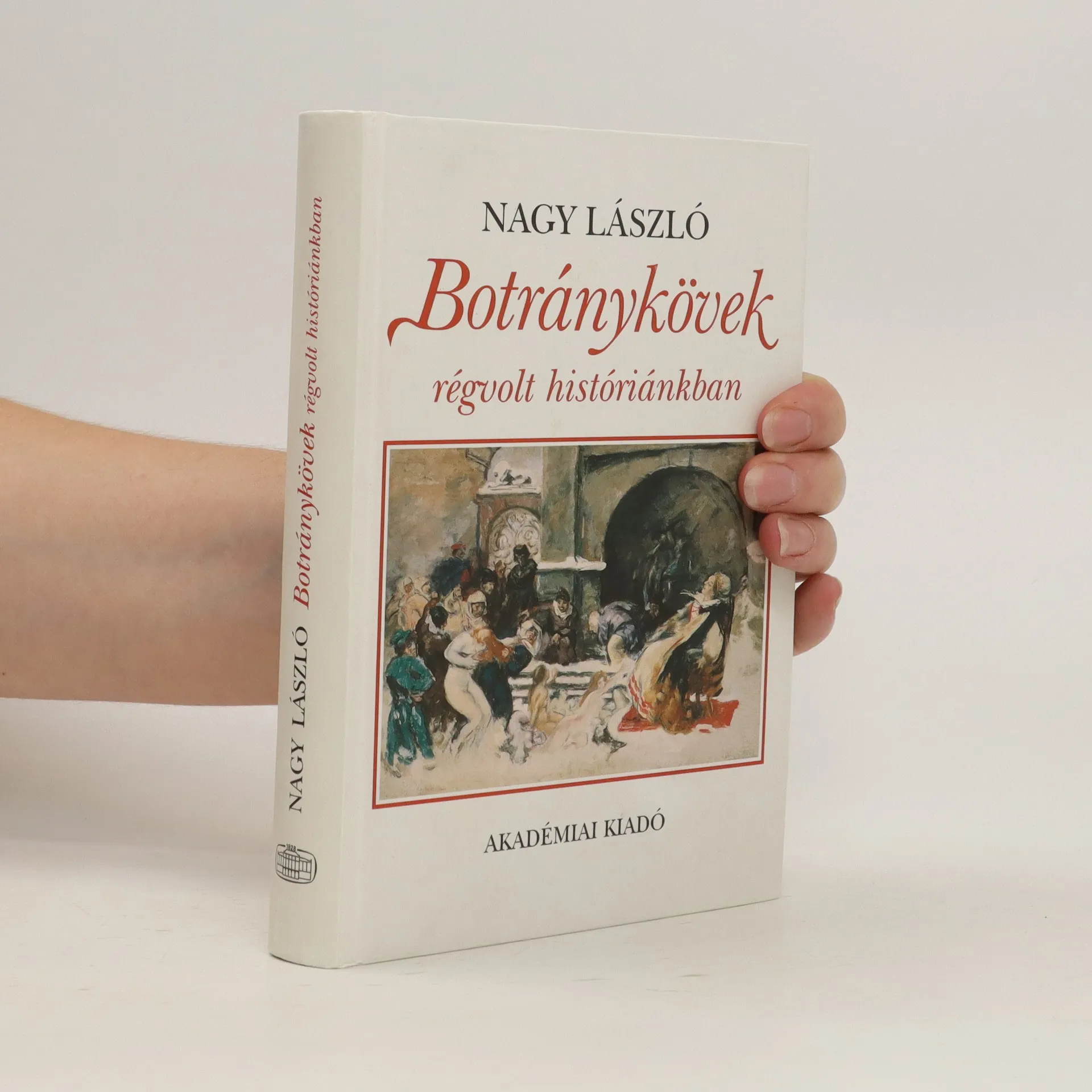
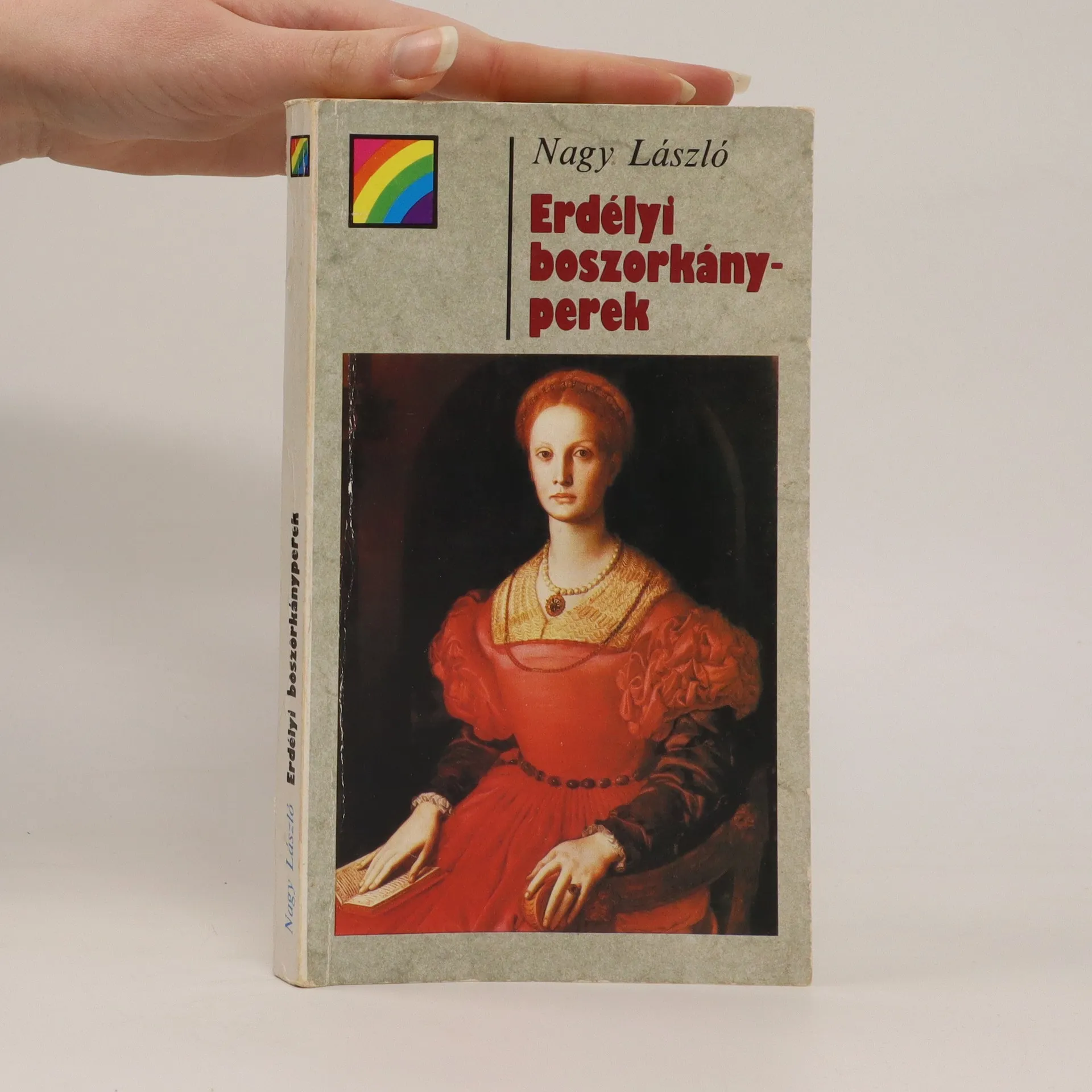
    A kiváló történész szerző (A rossz hírű Báthoryak, az Erdélyi boszorkányperek, Kard és szerelem, Az erős fekete bég, Nádasdy Ferenc stb. írója) új, a korábbiakhoz hasonlóan érdekfeszítő könyve talányos sorsú, nevezetes történelmi személyiségek portréját rajzolja meg. A köztudatban szörnyetegként élő, jobbágylányok vérében fürdő Báthory Erzsébet, az európai formátumú Bethlen Gábor fejedelem, a félreismert Mihai Viteazul, azaz Vitéz Mihály egyénisége vagy egy XVII. századi politikai gyilkosság története önmagában is izgalmas olvasmány. A szerző igyekszik lerombolni az olvasóban az említett személyekkel, eseményekkel kapcsolatban élő, hamisnak bizonyult történelmi közhelyeket és előítéleteket, elfogultságokat. A könyv utolsó írása a Habsburg-ház uralkodóinak a magyar történelemben játszott szerepét elemzi eredeti, egyeseket bizonyára kissé provokáló megközelítéssel.

    Botránykövek régvolt históriánkban