
Knihobot

Edward Twitchell Hall

    Edward T. Hall byl průkopníkem v oblasti mezikulturní komunikace, který zkoumal, jak lidé vnímají a využívají prostor a čas. Jeho práce se hluboce zabývala kulturně specifickými prostorovými dimenzemi, které obklopují jednotlivce, a zavedla pojmy jako proxemika a rozlišení mezi polychronními a monochronními kulturami. Hall také rozvinul koncepty „vysokokontextové“ a „nízkokontextové“ kultury, které osvětlují, jak se informace předávají v různých kulturních prostředích. Jeho výzkum, inspirovaný životem a prací s původními americkými kmeny a působením ve Spojených státech, položil základy pro akademické studium mezikulturních vztahů a zdůrazňoval hluboký vliv kultury na lidské chování.

    Hidden Differences
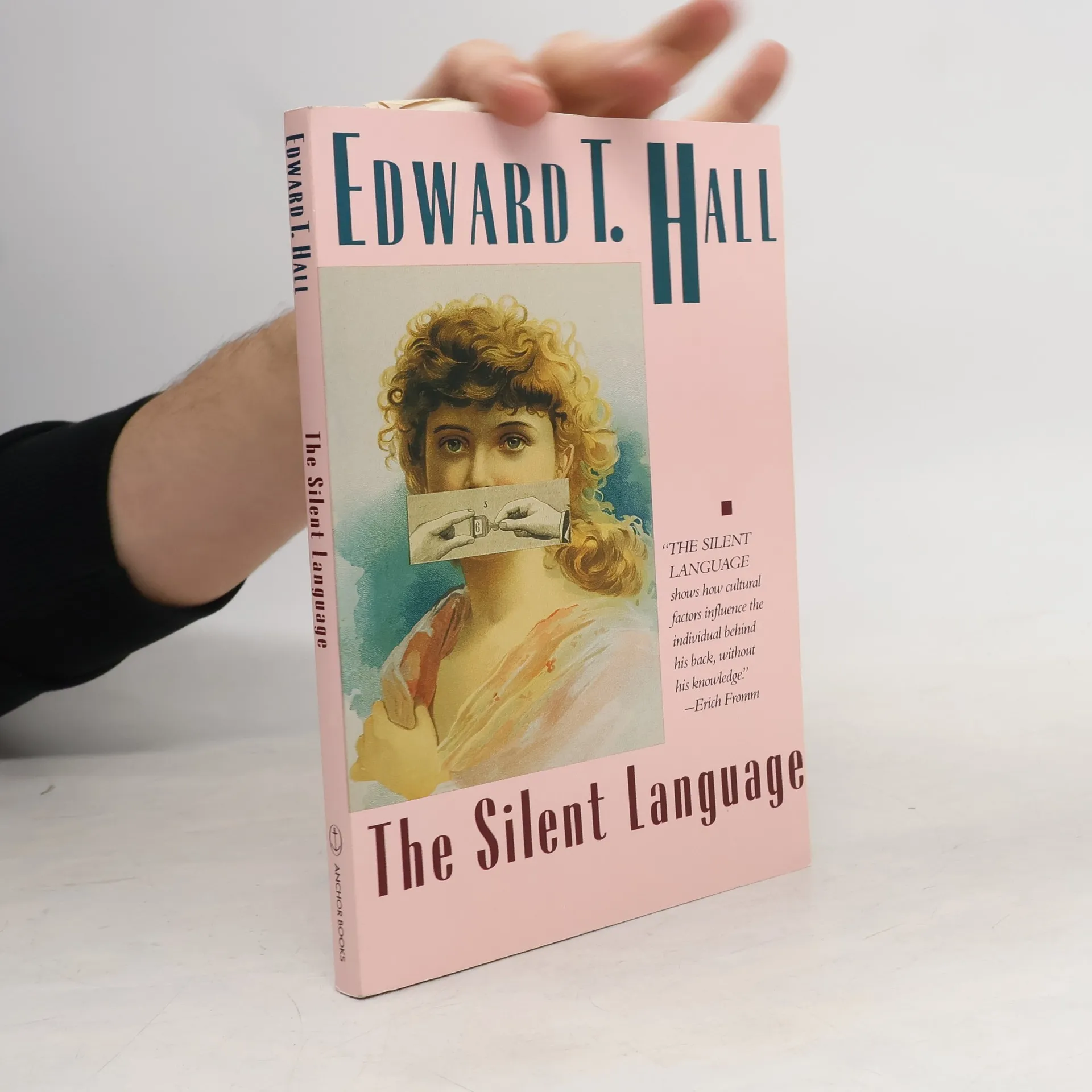
    The Silent Language
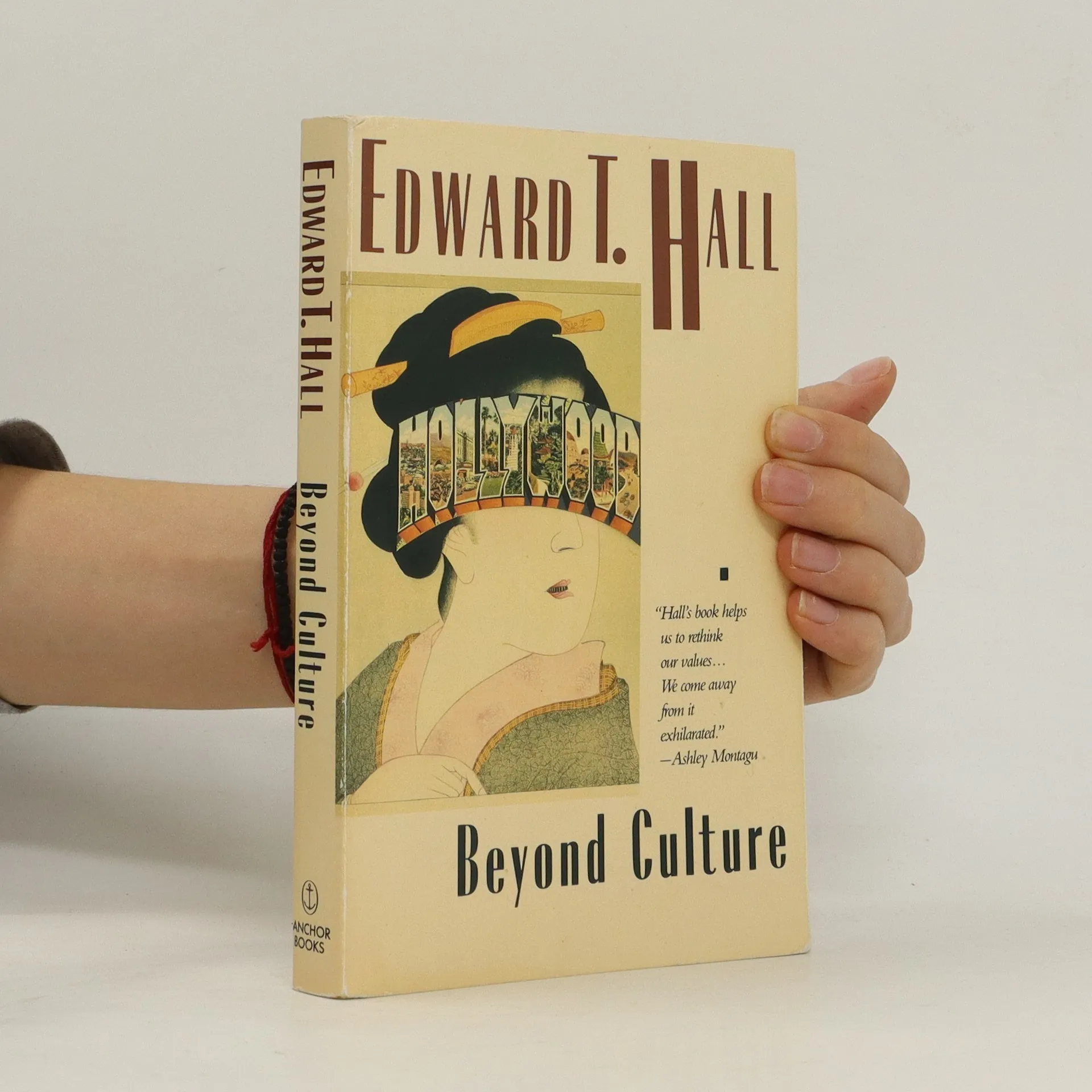
    Beyond culture
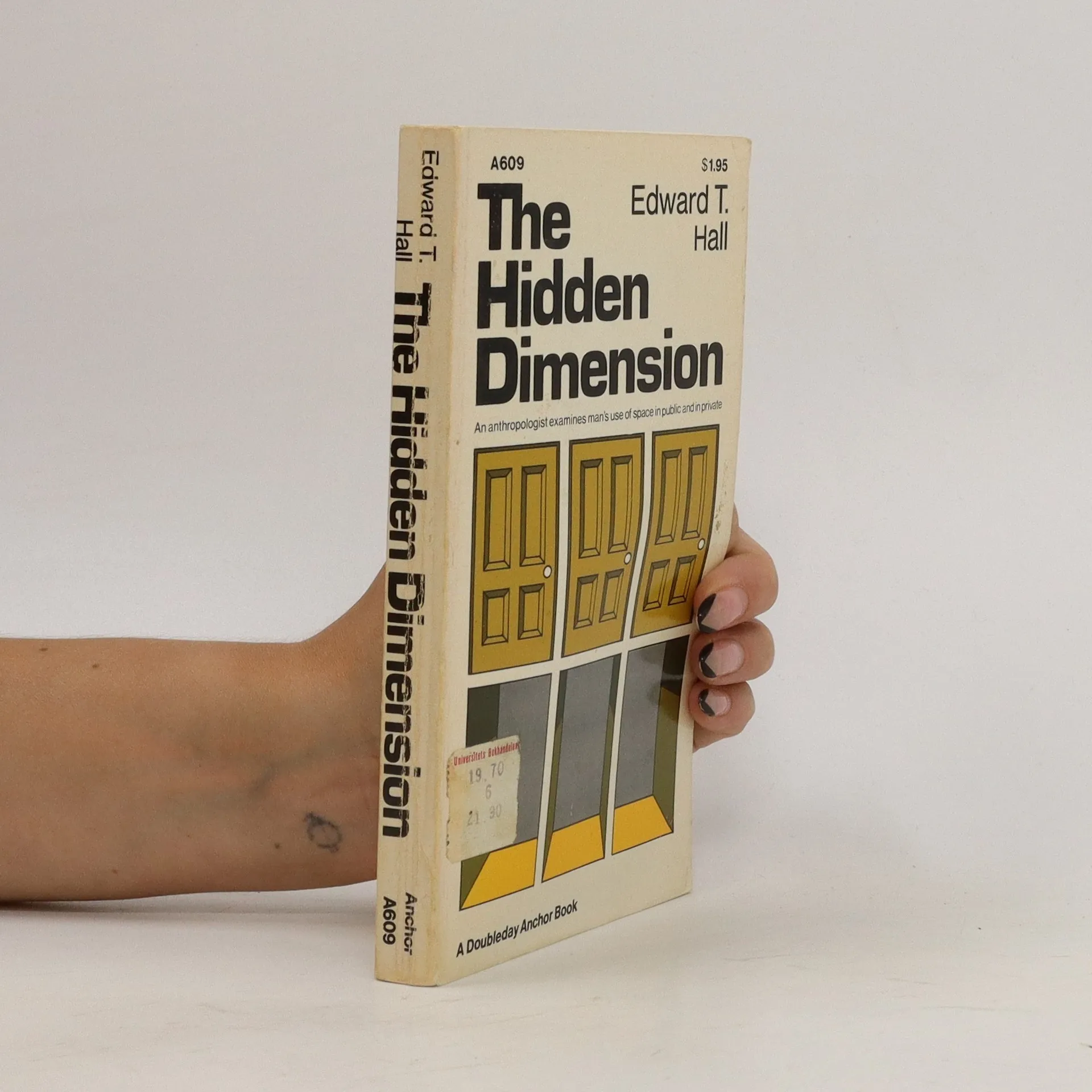
    The Hidden Dimension
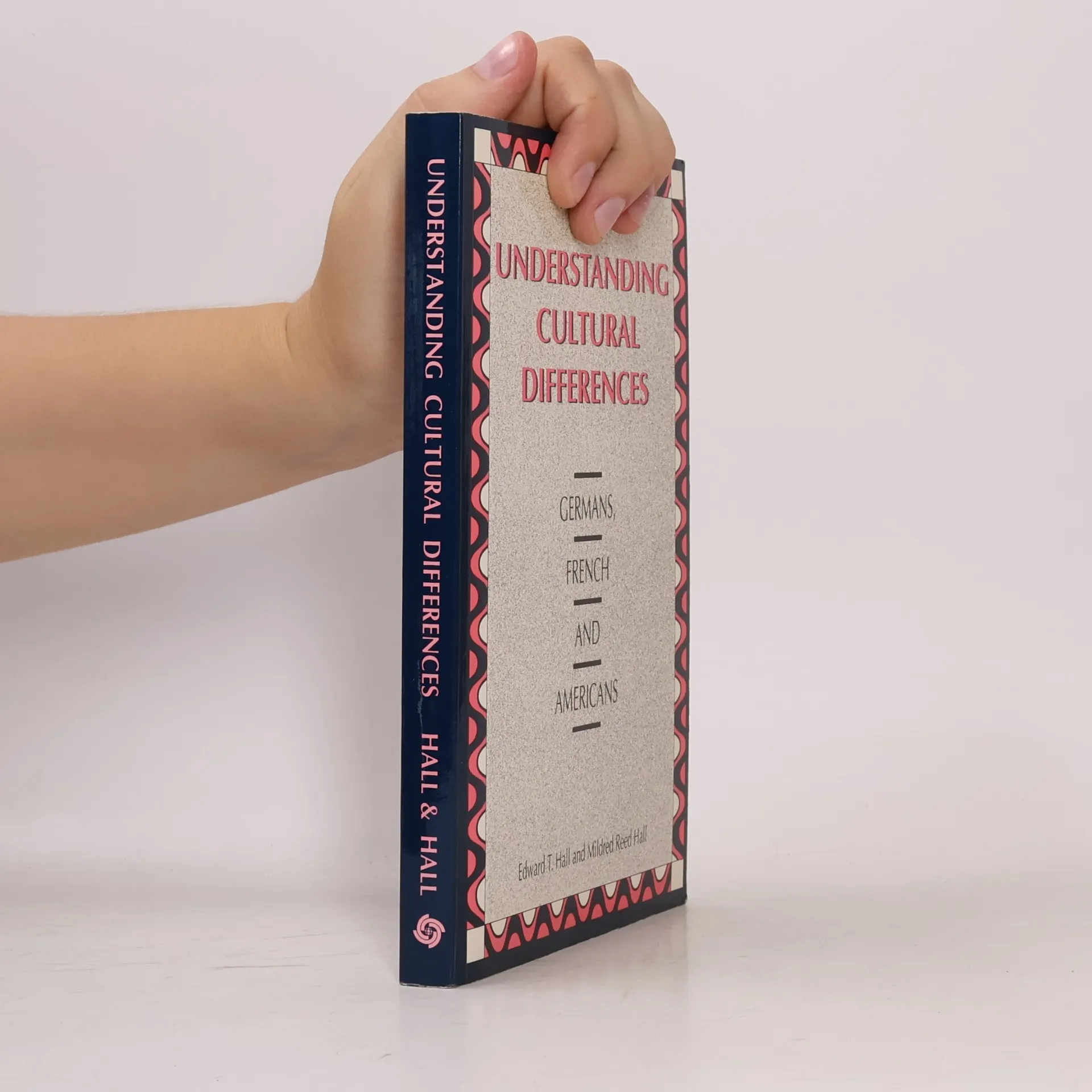
    Understanding Cultural Differences
    West of the Thirties
    • A study of the early part of the Developmental Pueblo Period based on the findings of excavations in north-central New Mexico in 1941 from the joint efforts of Columbia University and the Laboratory of Anthropology at Santa Fe. Specifically examines descriptions of the excavations, pottery, textiles, worked bone and antler, stone artifacts, and cranial materials from the Governador area.

      Early Stockaded Settlements in the Governador New Mexico2020
    • Understanding Cultural Differences

      Germans, French and Americans

      Understand German and French cultures for better businessHuman resource management, at home and abroad, means assisting the corporation's most valuable asset - its people - to function effectively. Edward T. and Mildred Reed Hall contribute to this effort by explaining the cultural context in which corporations in Germany, France, and the United States operate and how this contributes to misunderstandings between business personnel from each country.Then they offer new insights and practical advice on how to manage day-to-day transactions in the international business arena. Understanding Cultural Differences echoes and elaborates on Edward T. Hall's classic studies in intercultural relations, The Silent Language and The Hidden Dimension . It is a valuable guide for business executives from the three countries and a model of cross-cultural analysis.

      Understanding Cultural Differences2000
      4,0
    • West of the Thirties

      Discoveries Among the Navajo and Hopi

      • 224 stránek
      • 8 hodin čtení

      From 1933 to 1937, the great American  anthropologist Edward T. Hall lived and worked on  reservations in the Southwest, a frontier where four  cultures--Navajo, Hopi, Hispanic, and Anglo--clashed.  Re-creating that stark and haunting landscape, Hall  pieces together a firsthand account of two proud  worlds--the frugal, Pueblo-dwelling Hopi with their  isolated villages high on the mesa tops and their  deeply felt religious faith and the Navajos, whose  rhythm and ceremonious forms of respect Hall  learned as he worked with them. In these early  experiences, as Hall discovered the deeply human logic of  these tribes, he began to recognize how culture  itself, not only theirs but his own, was at work in  each person's behavior. The respect he felt and  diplayed won him a friendly Navajo nickname--Chiz  Chili, meaning Slim Curly Hair--and a mentor, the  great Indian trader, Lorenzo Hubbell. Set under the  vast arch of sky in a place of unforgettable  beauty, West Of The Thirties is  about the Navajos and Hopis as one receptive young  white man perceived them, but it is also about the  core of being human, which Hall would later develop  into a theory of implicit culture. In these  pages, we see theory in the flesh, taking a hundred  different human forms and engaging us in a lost  world, the West of the  thirties.

      West of the Thirties1995
      4,5
    • The Silent Language

      • 209 stránek
      • 8 hodin čtení

      A leading American anthropologist analyzes the many vitally important ways in which people "talk" to one another without the use of words. "The Silent Language shows how cultural factors influence the individual behind his back, without his knowledge." —Erich Fromm The pecking order in a chicken yard, the fierce competition in a school playground, every unwitting gesture and action—this is the vocabulary of the "silent language." According to Dr. Hall, the concepts of space and time are tools with which all human beings may transmit messages. Space, for example, is the outgrowth of an animal's instinctive defense of his lair and is reflected in human society by the office worker's jealous defense of his desk, or the guarded, walled patio of a Latin-American home. Similarly, the concept of time, varying from Western precision to Easter vagueness, is revealed by the businessman who pointedly keeps a client waiting, or the South Pacific islander who murders his neighbor for an injustice suffered twenty years ago.

      The Silent Language1984
      3,9
    • Beyond Culture is a proud celebration of human capacities. For too long, people have taken their own ways of life for granted, ignoring the vast, international cultural community that surrounds them. Humankind must now embark on the difficult journey beyond culture, to the discovery of a lost self and a sense of perspective. By holding up a mirror, Hall permits us to see the awesome grip of unconscious culture. With concrete examples ranging from James Joyceʼs Finnegans Wake to the mating habits of the bowerbird of New Guinea, Hall shows us ourselves. Beyond Culture is a book about self-discovery; it is a voyage we all must embark on if mankind is to survive

      Beyond culture1981
      4,0
    • People like to keep certain distances between themselves and other people or thigns. And this invisible bubble of space that constitutes each person's "territory" is one of the key dimensions of modern society. Edward T. Hall, author of The Silent Language, introduced the science of proxemics to demonstrate how man's use of space can affect personal and business reltions, cross-cultural interactions, architecture, city planning, and urban renewal. "One of the few extraordinary books about mankind's future which should be read by every thoughtful person." —Chicago Tribune "This is a book of impressive genius, replete with unusually sharp observations." —Richard J. Neutra, Landscape Architecture

      The Hidden Dimension1969
      4,1