
Knihobot

Manfredo Tafuri

    Manfredo Tafuri byl klíčovou postavou v dějinách architektury 20. století, který zpochybnil tradiční pohledy na renesanci jako na "zlatý věk". Jeho práce se vyznačovala ostrým kritickým přístupem k dřívějším historikům a teoretikům, které obviňoval z jednostranné "operativní kritiky". Tafuri vnímal architektonické dějiny nikoli jako lineární vývoj, ale jako neustálý boj na kritické, teoretické a ideologické úrovni, ovlivněný omezeními praxe. Pro něj byla architektura, definovaná napětím mezi uměleckým charakterem a technickými rozměry, neustále v krizi, což z ní činilo živou arénu pro debaty. Jeho pozdější práce se zaměřila na hluboké přehodnocení renesanční architektury, analyzovala její sociální, intelektuální a kulturní kontexty a význam reprezentace.

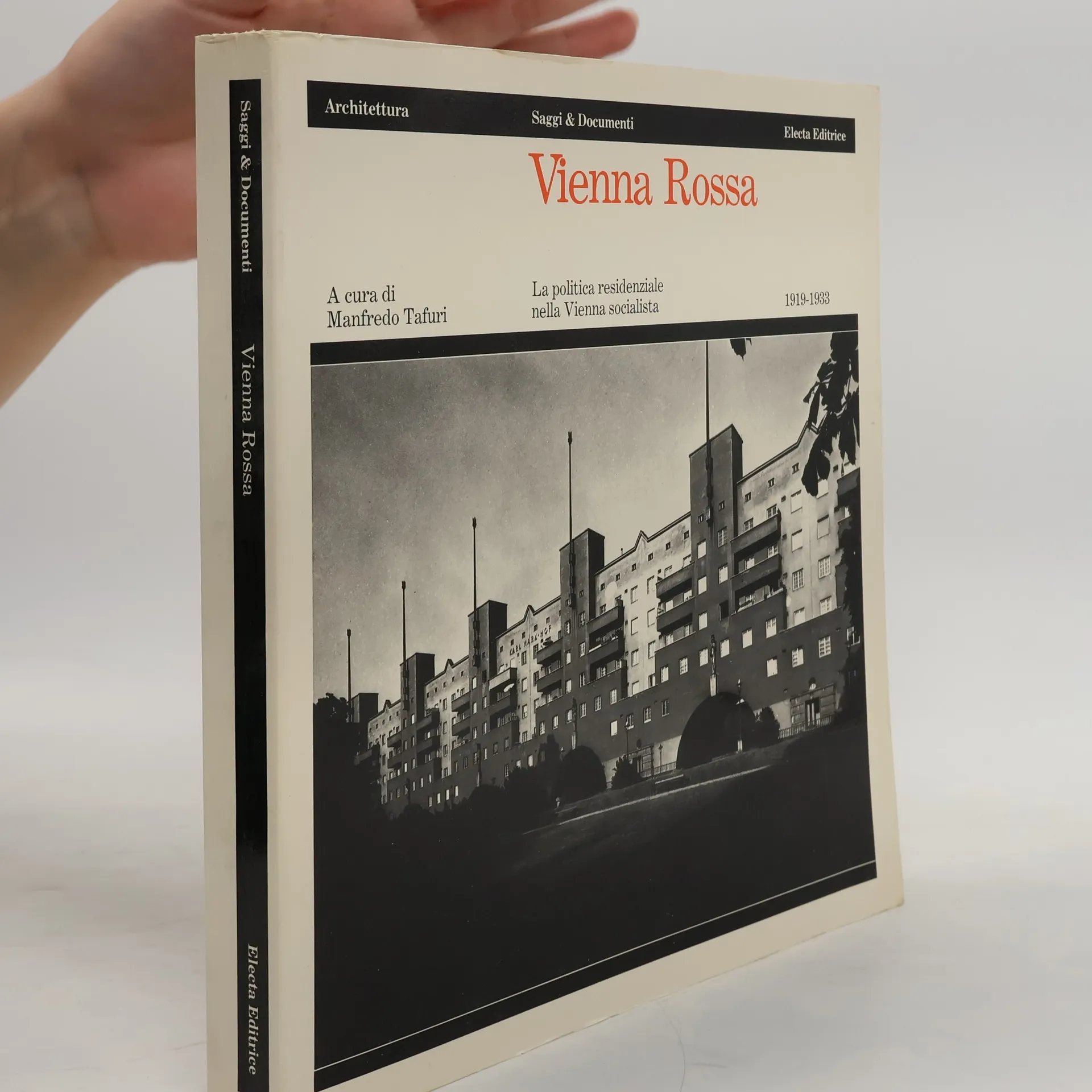
    Vienna rossa
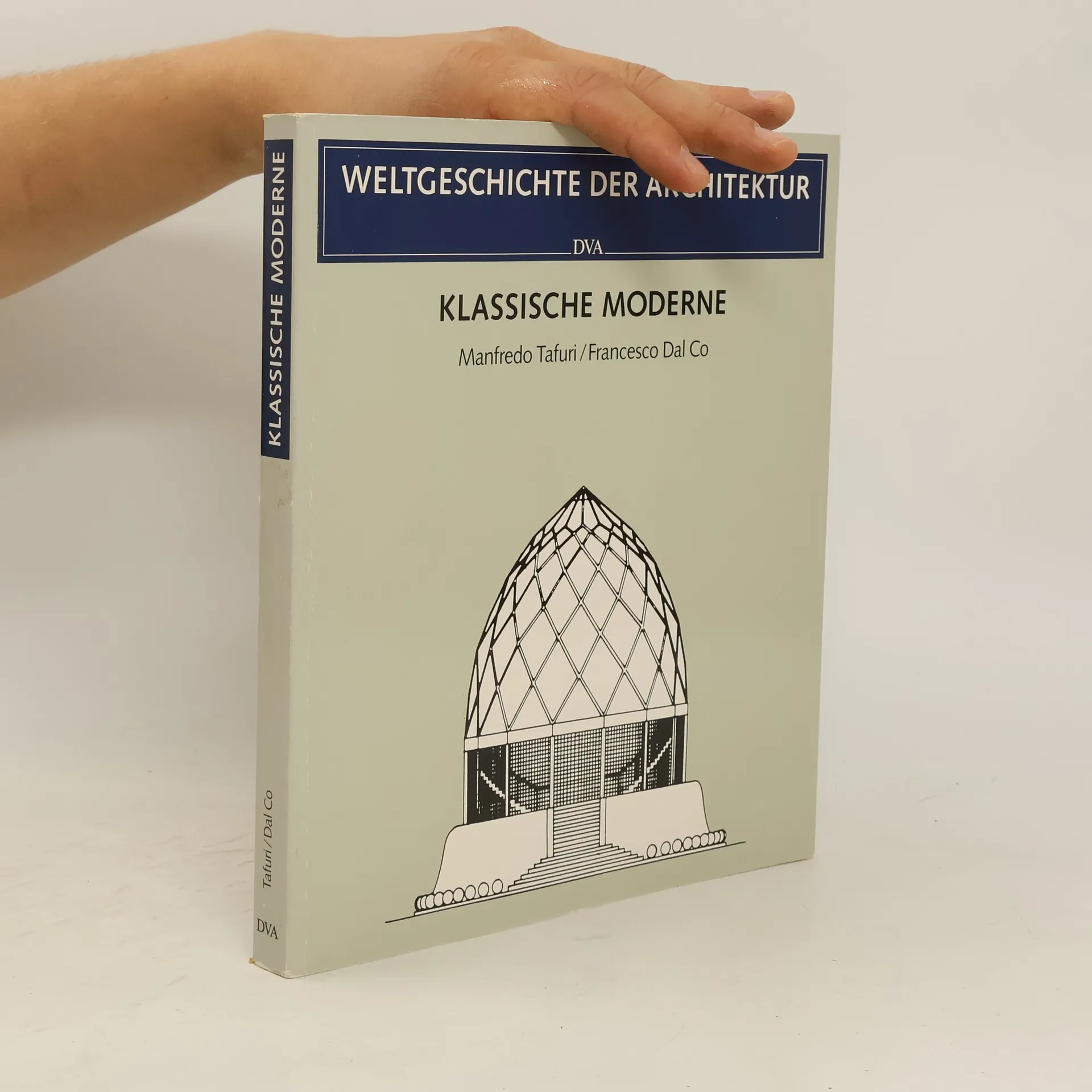
    Weltgeschichte der Architektur- Klassische Moderne
    Teatri e scenografie
    Modern Architecture in Japan
    The Sphere and the Labyrinth
    Architecture and Utopia
    • Modern Architecture in Japan

      • 256 stránek
      • 9 hodin čtení

      Manfredo Tafuri (1935–1994), the celebrated Italian architectural historian, published L’architettura moderna in Giappone in 1964. At the time, Tafuri was twenty-nine years old and had not visited Japan. His slim volume on the country’s postwar architecture was the first in a series of guidebooks on contemporary architecture under the direction of Leonardo Benevolo. Here, translated into English for the first time, the book presents a rare outsider’s view of the Metabolist movement and figures such as Kenzō Tange by one of the most astute critics of the second part of the twentieth century.Tafuri’s ideas about Japanese architecture were primarily formed through texts, including magazine articles and contemporary photographs. How did Tafuri come to select the achievements of Japanese architects as the focus of his reflections on modern architecture? What happens when a historian of architecture relies purely on photographs for making judgments about a building? Edited and introduced by Mohsen Mostafavi, this volume reflects on these questions and more, presenting the translated text alongside essays by Marco Biraghi, Catherine Ingraham, Ken Tadashi Oshima, Federico Scaroni, and Hajime Yatsuka, as well as a rich collection of images. Together, these materials situate the reader in relation to Tafuri’s scholarship, the histories of Japanese architecture and Italian criticism, and the idiosyncrasies of this luminous text.
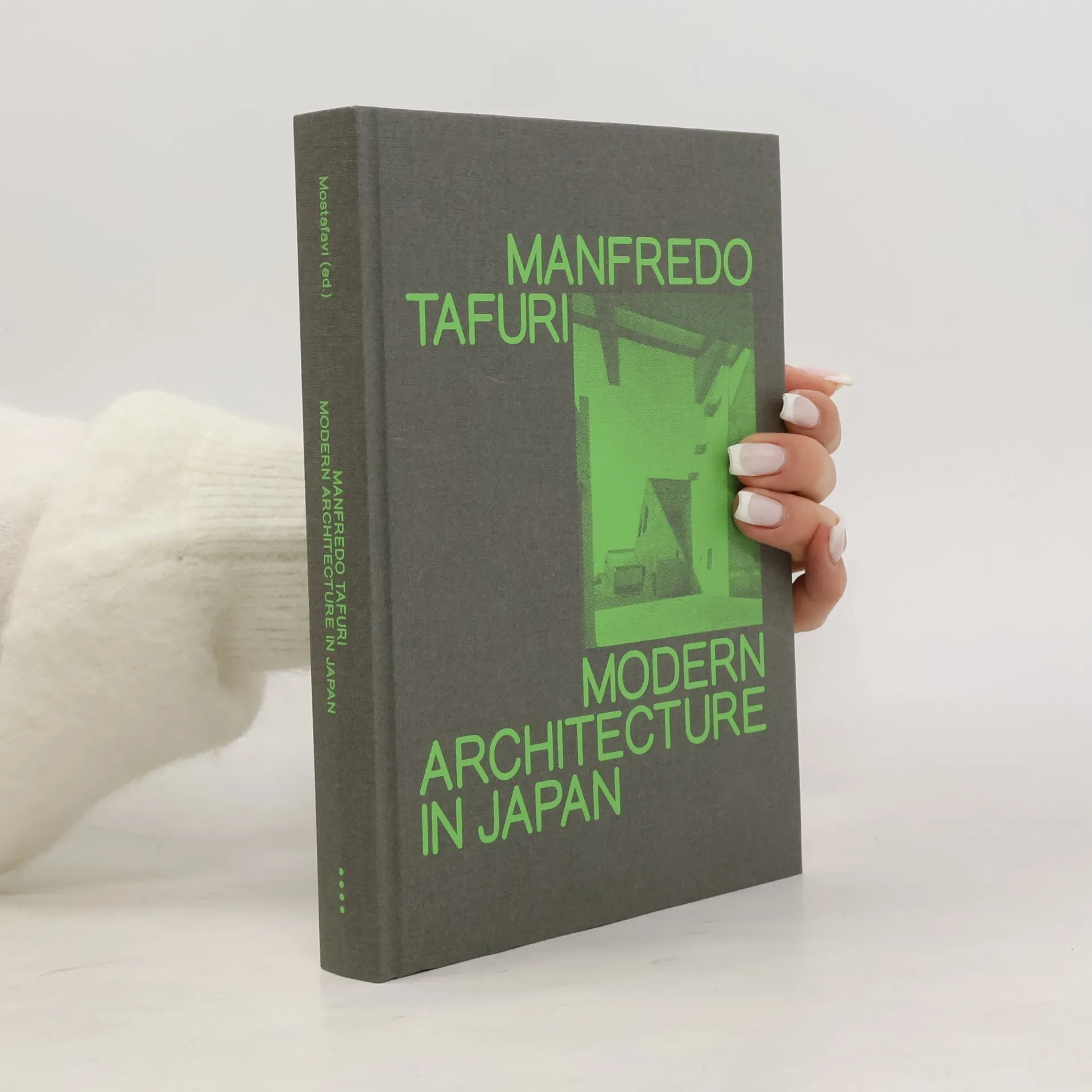
      Modern Architecture in Japan2022
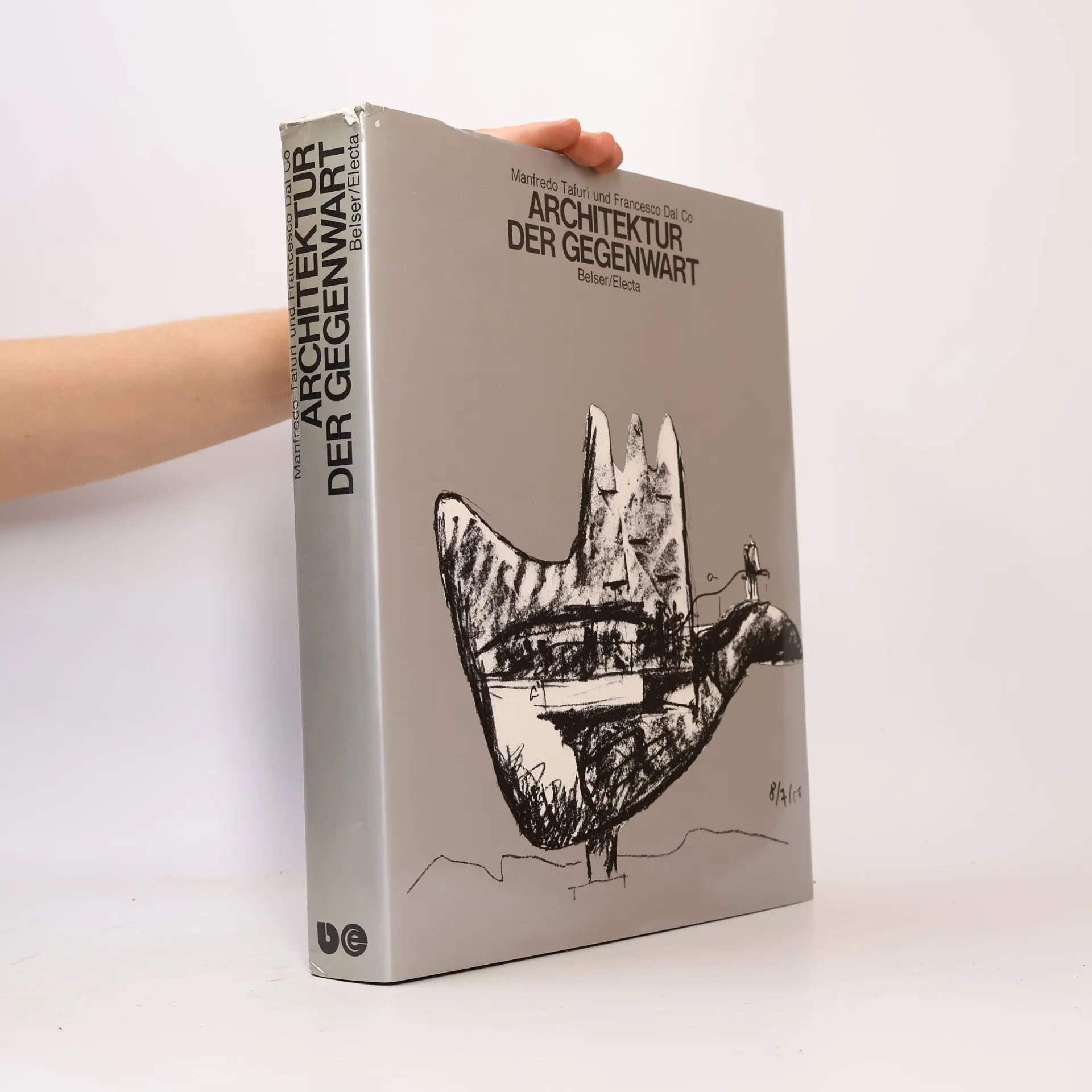
    • Gegenwart

      • 213 stránek
      • 8 hodin čtení
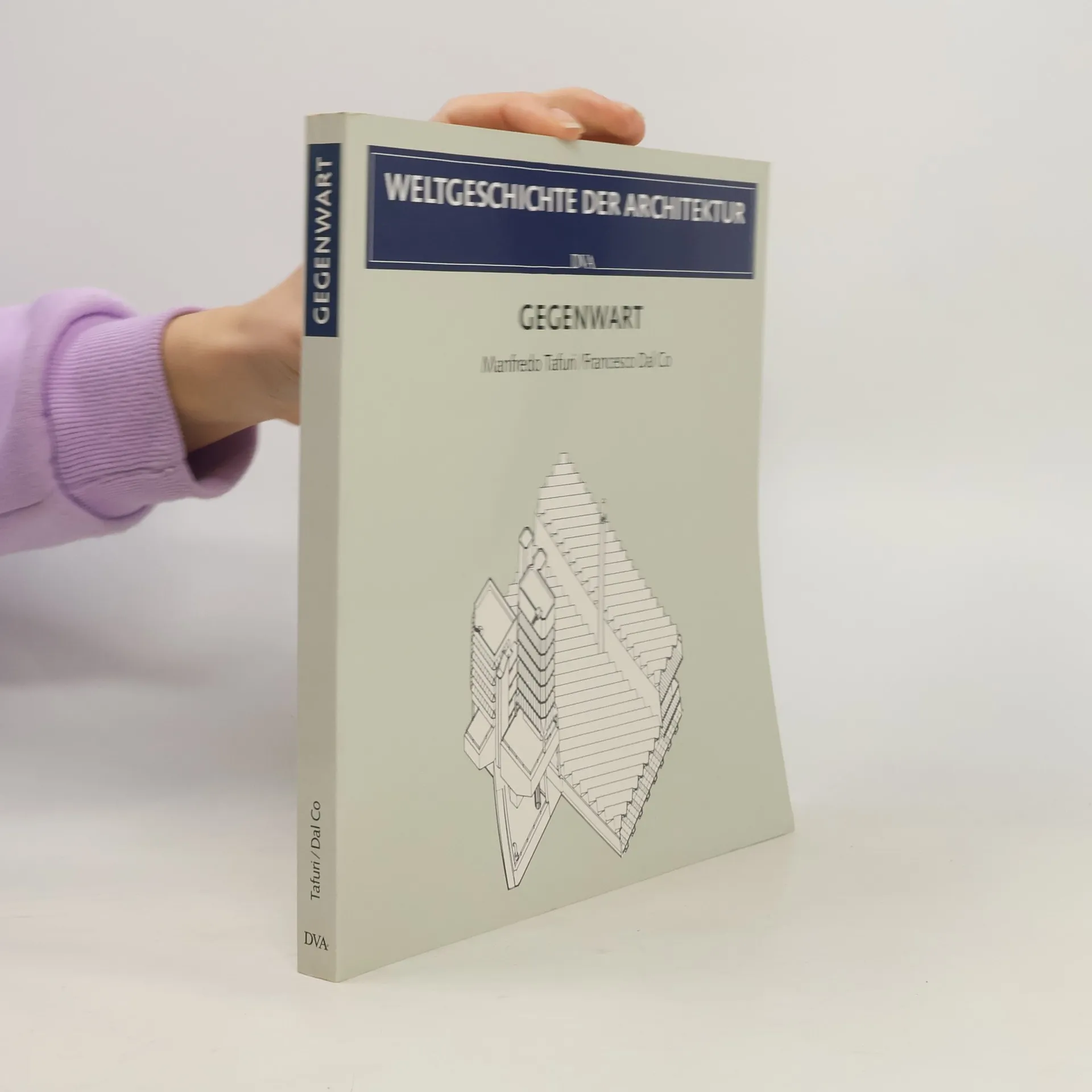
      Gegenwart1988
    • The Sphere and the Labyrinth

      Avant-Gardes and Architecture from Piranesi to the 1970's

      • 382 stránek
      • 14 hodin čtení

      This significant work by Manfredo Tafuri, a leading theoretical historian and critic of architecture and urbanism, critiques traditional historical investigation and criticism through a detailed analysis of avant-gardes and architectural discourses. Tafuri explores the distinctions between reality and ideology, the compromises made by avant-garde movements, and the conditions enabling their existence. He constructs a complex web of references and comparisons, interpreting history as an archaeology of fragments rather than a linear narrative. In his methodological introduction, he argues that historiography must challenge both its subjects and the historical project itself, including the critical languages it employs. The text traces a journey from Piranesi to postmodernism, highlighting how Piranesi, "the Wicked Architect," used architectural language to disrupt traditional boundaries. Tafuri identifies two major themes from Piranesi in the twentieth-century avant-gardes: the limits of forms and the violence inflicted upon them. He critiques the notion that aesthetic techniques could genuinely alter social and physical orders, revealing them as self-referential. Tafuri dissects the avant-garde's relationship with major world systems, including the USSR, the United States, and Weimar Germany, noting the disillusionment of the avant-garde in the 1970s as it engaged in a private dialogue with forms. Tafuri serves as Chairman of t

      The Sphere and the Labyrinth1987
    • Architecture and Utopia

      • 196 stránek
      • 7 hodin čtení

      Architecture and Utopia leads the reader beyond architectural form into a broader understanding of the relation of architecture to society and the architect to the workforce and the marketplace.

      Architecture and Utopia1976
      3,8