Do Vánoc stíháš objednat ještě 2 dny a 6 hodin. 
Knihobot

Volker Ullrich

    20. prosinec 1943

    Volker Ullrich se zabývá historií 19. a 20. století. Jeho práce se vyznačuje hlubokým porozuměním společenským a politickým pohybům. Ullrichův kritický přístup a důraz na historické detaily z něj činí významného komentátora minulosti. Jeho analýzy oživují klíčové momenty historie a nabízejí nové perspektivy.

    Bismarck
    Germany 1923
    Eight Days in May
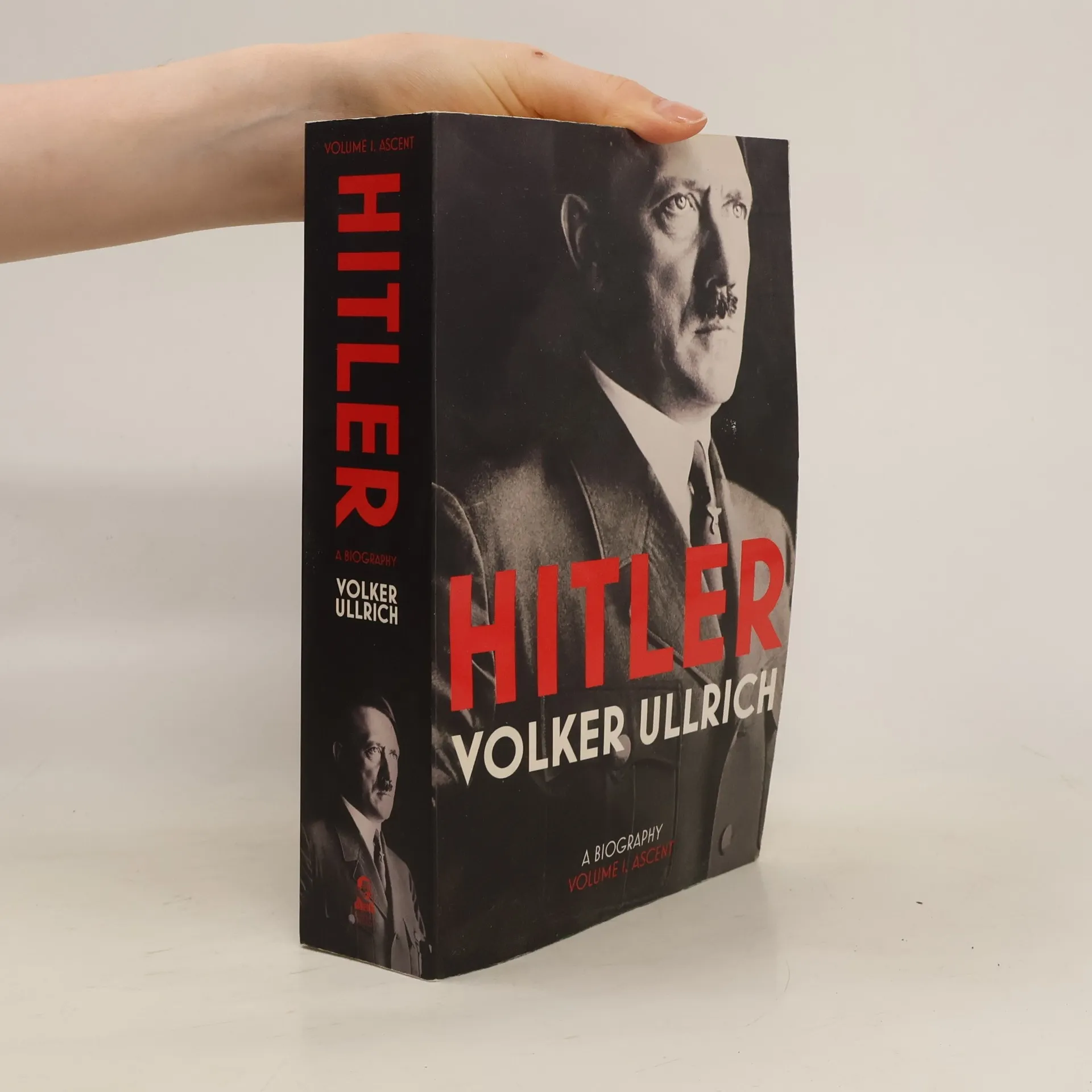
    Hitler. Vol.1
    Hitler: Volume II
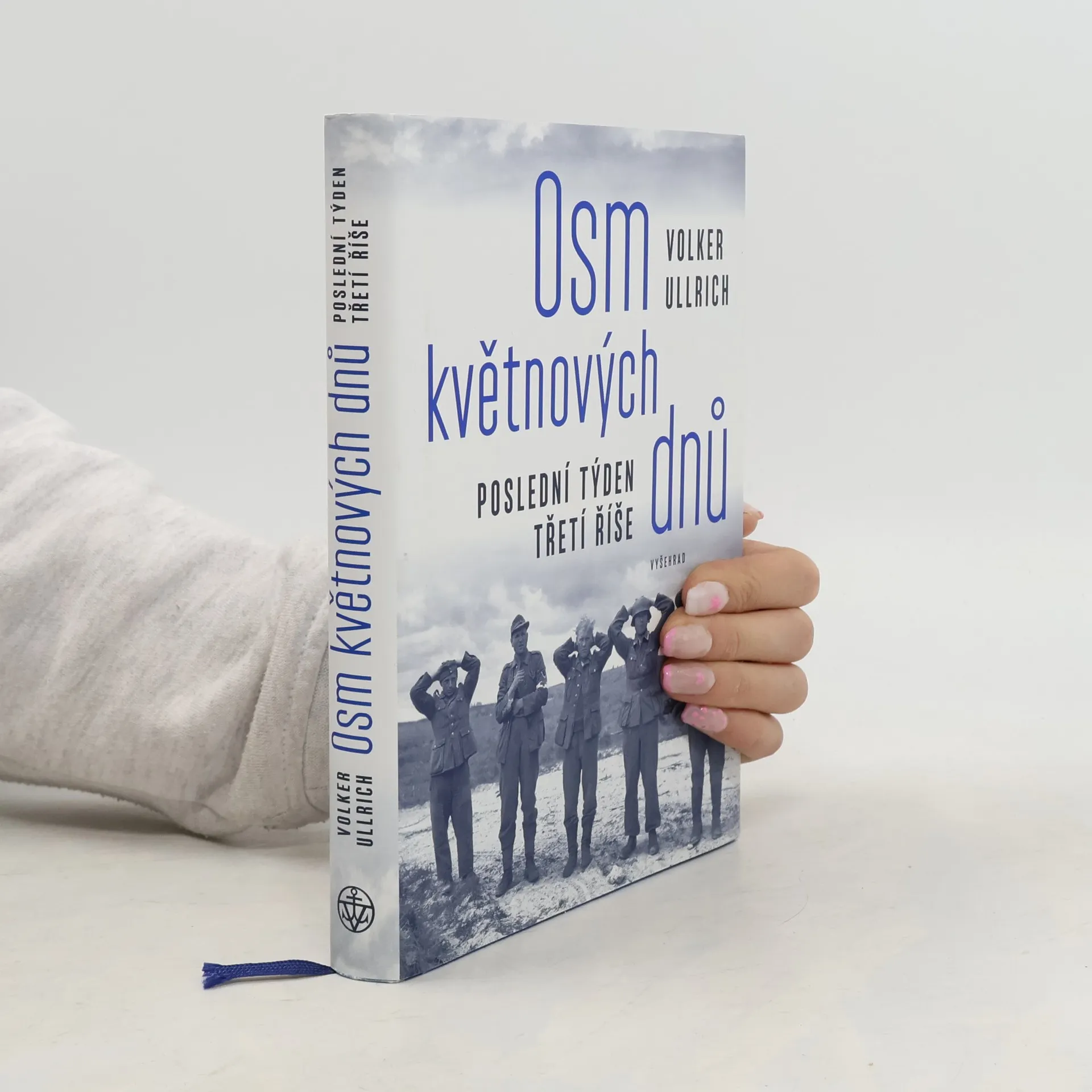
    Osm květnových dnů: Poslední týden třetí říše
    • Minulost, která ještě neskončila, a budoucnost, jež zatím nezačala. Začíná poslední týden třetí říše. Hitler je po smrti, ale válka ještě neskončila. Všechno jako by se zastavilo, a přece je všechno v překotném pohybu. Volker Ullrich líčí tento „čas bezčasí“ den po dni a zavádí čtenáře do hroutícího se světa plného dramat a naděje, násilí a strachu. Poslední pochody smrti, divoké odsuny, hroutící se moc nacistických pohlavárů, osvobozené koncentrační tábory – to vše patří k oné mezeře mezi minulostí a budoucností. Mozaika „Osmi květnových dnů“, kterou z jednotlivých kamínků sestavil novinář a Hitlerův životopisec Volker Ullrich, představuje napínavější četbu než leckterý thriller.
      Osm květnových dnů: Poslední týden třetí říše
    • Hitler: Volume II

      • 912 stránek
      • 32 hodin čtení
      4,6(86)Ohodnotit

      In the summer of 1939 Hitler was at the zenith of his power. The Nazis had consolidated their authority over the German people, and in a series of foreign-policy coups, the Fuhrer had restored Germany to the status of a major Continental power. He now embarked on realising his lifelong ambition- to provide the German people with the living space and the resources they needed to flourish and exterminate those who were standing in the way - the Bolsheviks and the Jews. Yet despite the initial German triumphs - the quick defeat of Poland, the successful Blitzkrieg in the west - the war set in motion Hitler's downfall. With the attack on the Soviet Union in June 1941 and the entry of the United States into the war later that year, Nazi Germany's fortunes began to turn- it soon became clear that the war could not be won. As in the earlier volume, Volker Ullrich offers fascinating insight into the personality of the Fuhrer, without which we fail to understand the course of the war and the development of the Holocaust. As Germany's supreme military commander, he decided on strategy and planned operations with his generals, involving himself in even the smallest minutiae. And here the key traits - and flaws - of his personality quickly came to the fore. Hitler was a gambler who put everything on one card; deeply insecure, he was easily shaken by the slightest setback and quick to blame his subordinates for his own catastrophic mistakes; and when he realised that the war was lost, he embarked on the annihilation of Germany itself in punishment of the German people who had failed to hand him victory. In September 1939, Hitler declared that he would wear a simple military tunic until the war was won - or otherwise, he would not be there to witness the end. On 30 April 1945, as Soviet troops closed in on his bunker in Berlin, Hitler committed suicide; seven days later, Germany surrendered. Hitler's murderous ambitions had not just destroyed Germany- they had cost the lives of tens of millions of people throughout Europe

      Hitler: Volume II
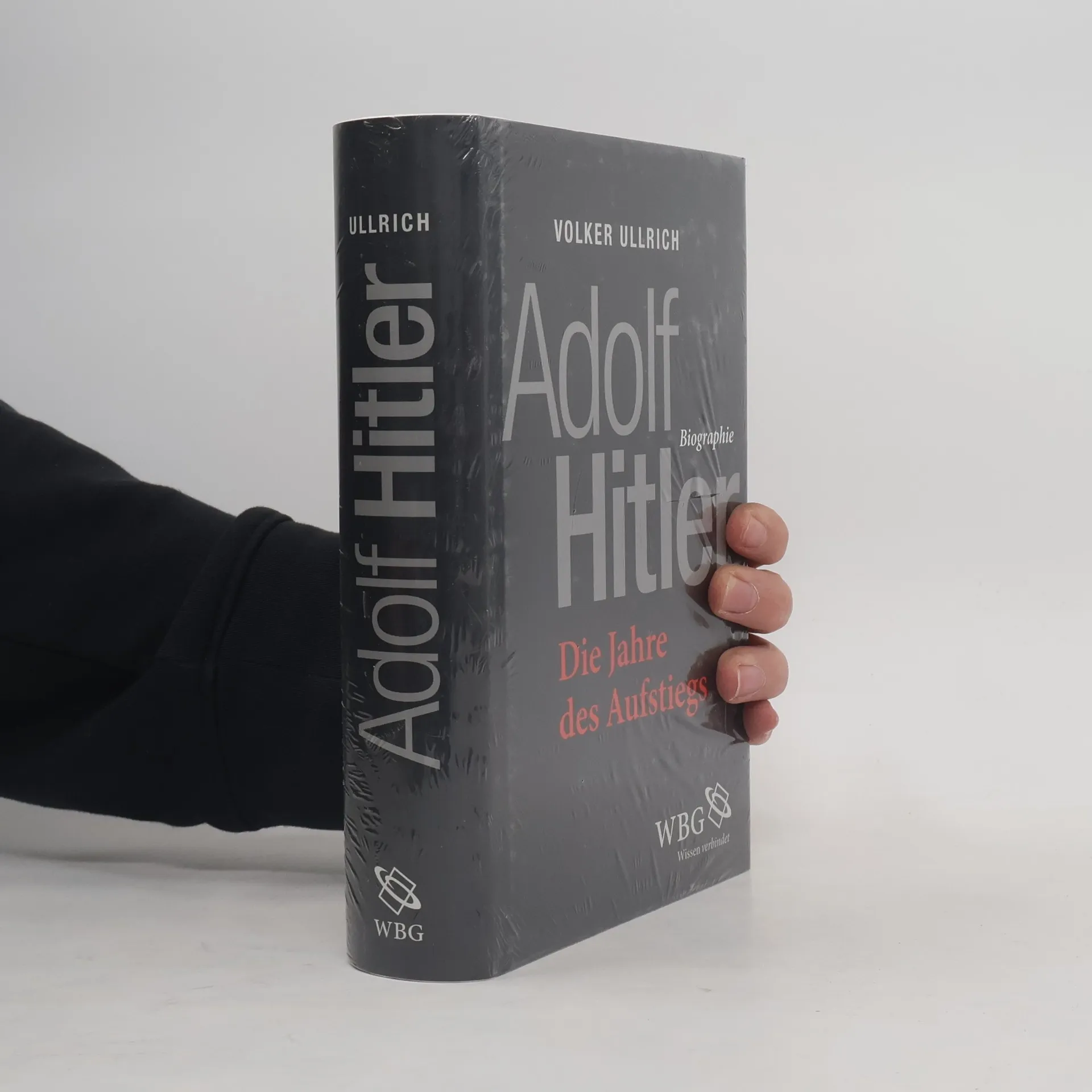
    • While charting in detail Hitler's life from his childhood to the eve of the Second World War against the politics of the times, the author unveils the man behind the public persona: his charming and repulsive traits, his talents and weaknesses, his deep-seated insecurities and murderous passions.

      Hitler. Vol.1
    • The final week of the Third Reich's existence began on May 1, 1945, with the world unaware of the impending collapse. Hitler was dead, yet the war continued, leaving Germany in a state of uncertainty and despair. Volker Ullrich's compelling narrative immerses readers in this tumultuous period, where hope and terror coexist. With Admiral Doenitz as the new Fuhrer, based in the small Baltic town of Flensburg, the nation grappled with the aftermath of devastation. Berlin lay in ruins, and the end of hostilities was shrouded in confusion. Major Nazi figures remained at large, and rumors of a last stand in the Alps circulated, alongside tensions between the Western allies and the Soviet Union. Across Europe, millions—soldiers, prisoners, and displaced families—awaited the war's conclusion, caught in a limbo described as 'the gap between no longer and not yet.' Ullrich’s account is a fast-paced exploration of these chaotic final days, capturing the energy and complexity of a nation on the brink of transformation. It offers a vivid portrayal of the human experience during one of history’s darkest moments, making it a gripping read for those interested in this pivotal time.

      Eight Days in May
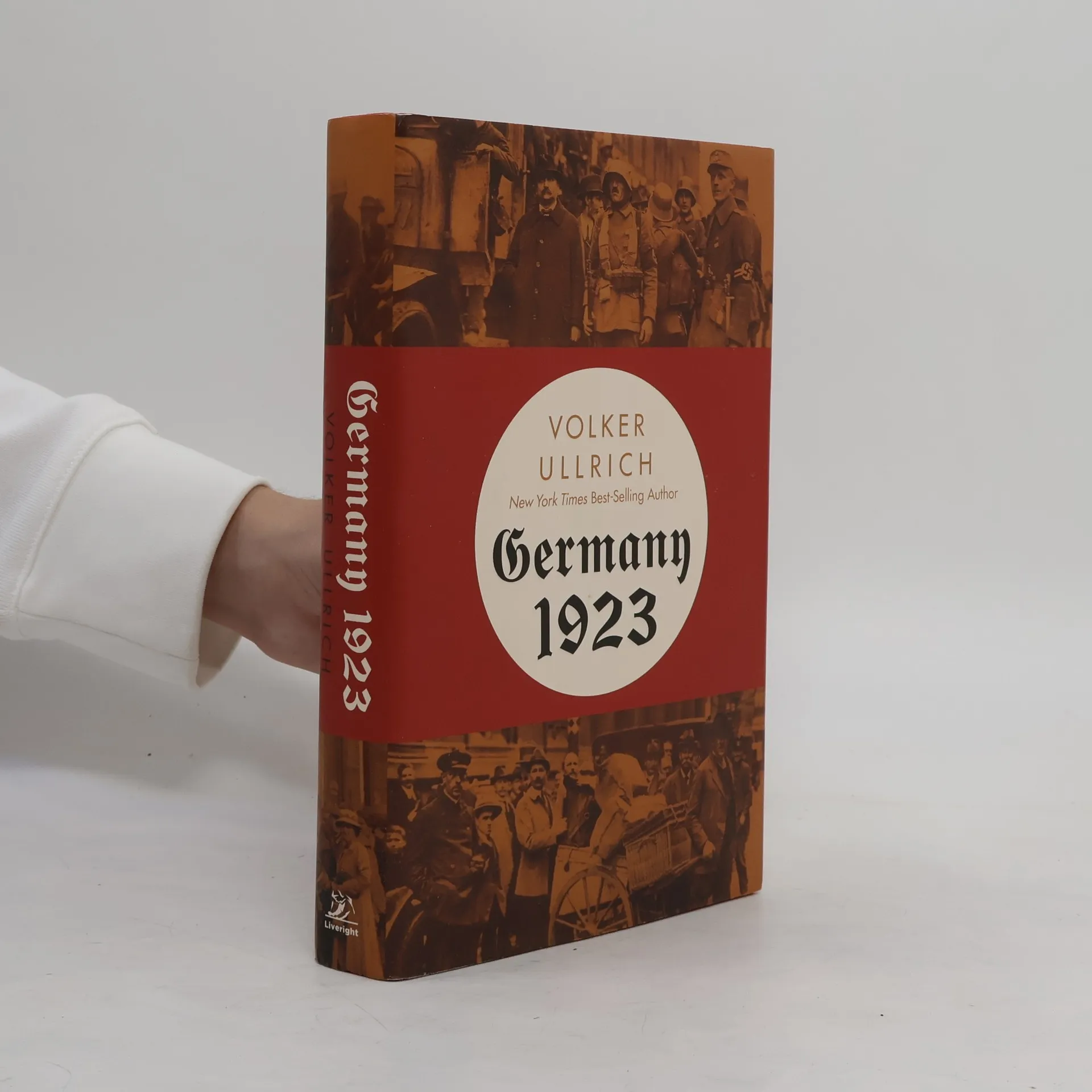
    • From a New York Times best-selling historian comes a gripping account of the crisis that threatened to unravel the Weimar Republic

      Germany 1923
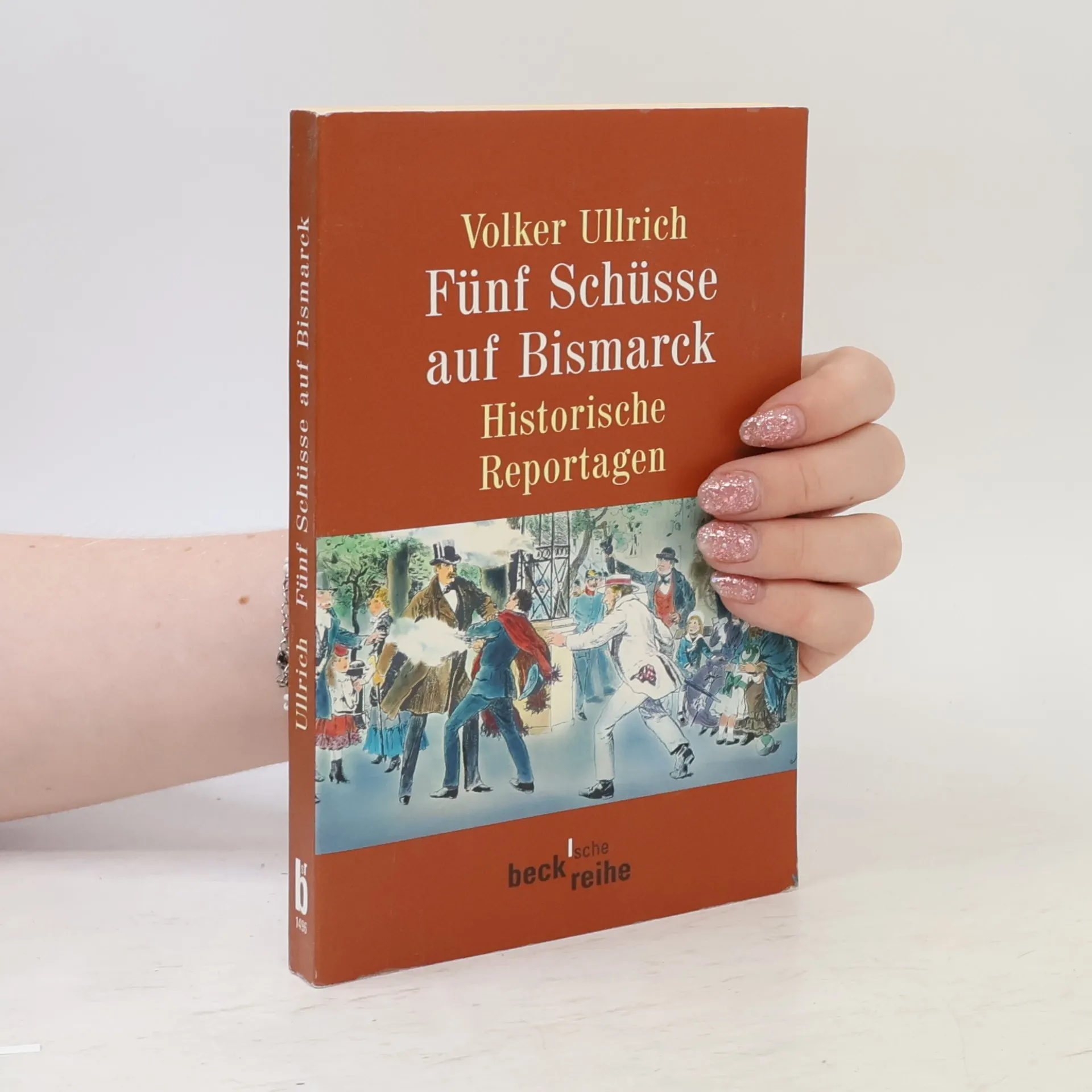
    • Bismarck

      • 192 stránek
      • 7 hodin čtení
      3,8(39)Ohodnotit

      Following German reunification in 1990 there has been a reassessment of Bismarck's role in European history

      Bismarck
    • Aż pięć lat czytelnicy musieli czekać na drugi tom słynnej biografii Hitlera autorstwa Volkera Ullricha. Ale czekać było warto. Uznana w Niemczech za najważniejszą biografię Hitlera dla następnych pokoleń, książka Volkera Ullricha to pierwsze monumentalne studium osobowości, która leżała u podstaw aspiracji politycznych i zbrodniczych działań przywódcy III Rzeszy. To właśnie Ullrich, jako pierwszy spośród historyków mierzących się z życiorysem Fhrera, postawił tezę, że nigdy nie uda nam się zrozumieć fenomenu Hitlera, jeśli odmówimy mu ludzkich cech, skupiając się jedynie na wizerunku potwora. Obalając mity i unikając pułapek, w które niejednokrotnie wpadali poprzednicy, Volker Ullrich tworzy zupełnie nowy, odkrywczy portret Adolfa Hitlera.

      Hitler. Upadek zła 1939-1945
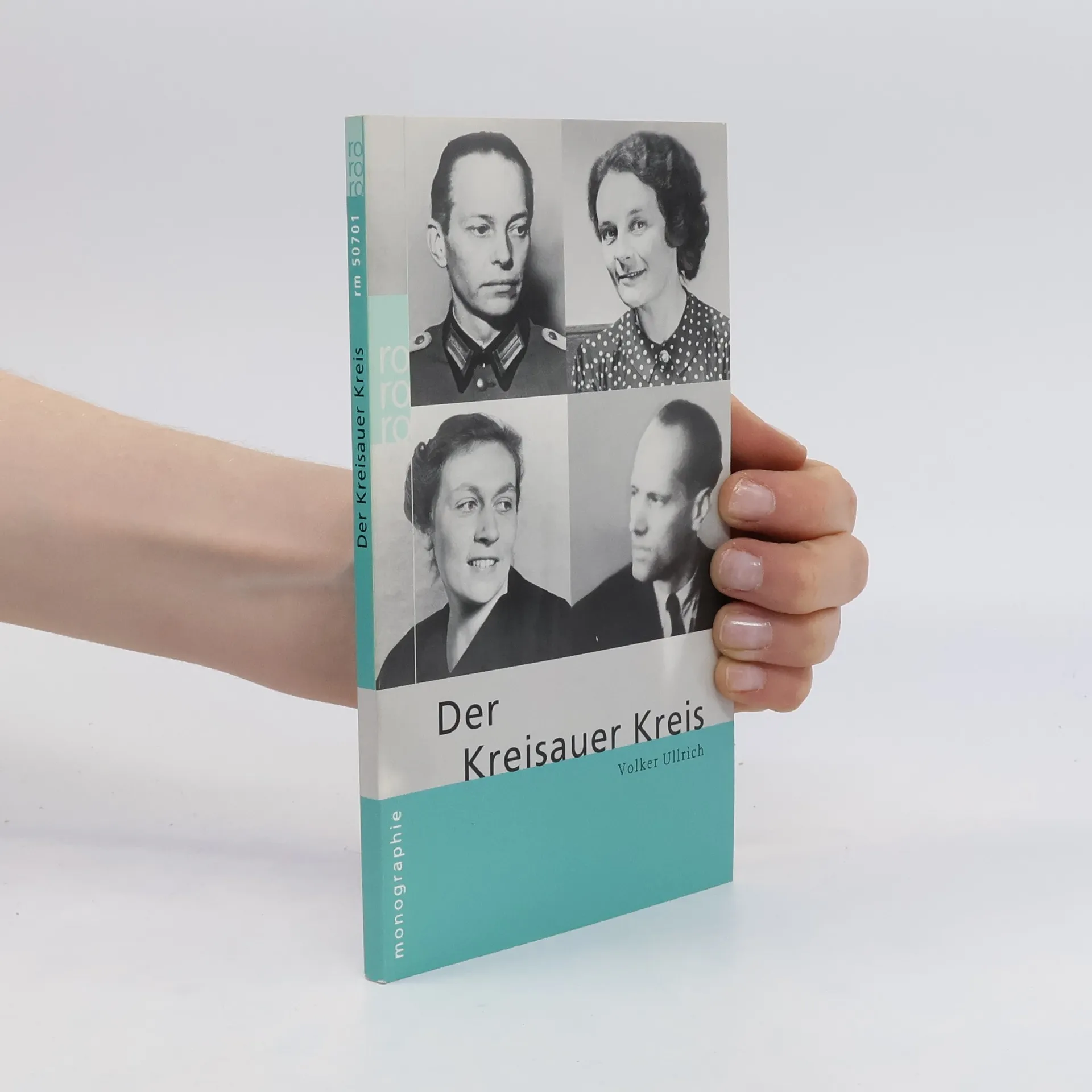
    • Der Kreisauer Kreis

      • 159 stránek
      • 6 hodin čtení
      4,7(3)Ohodnotit

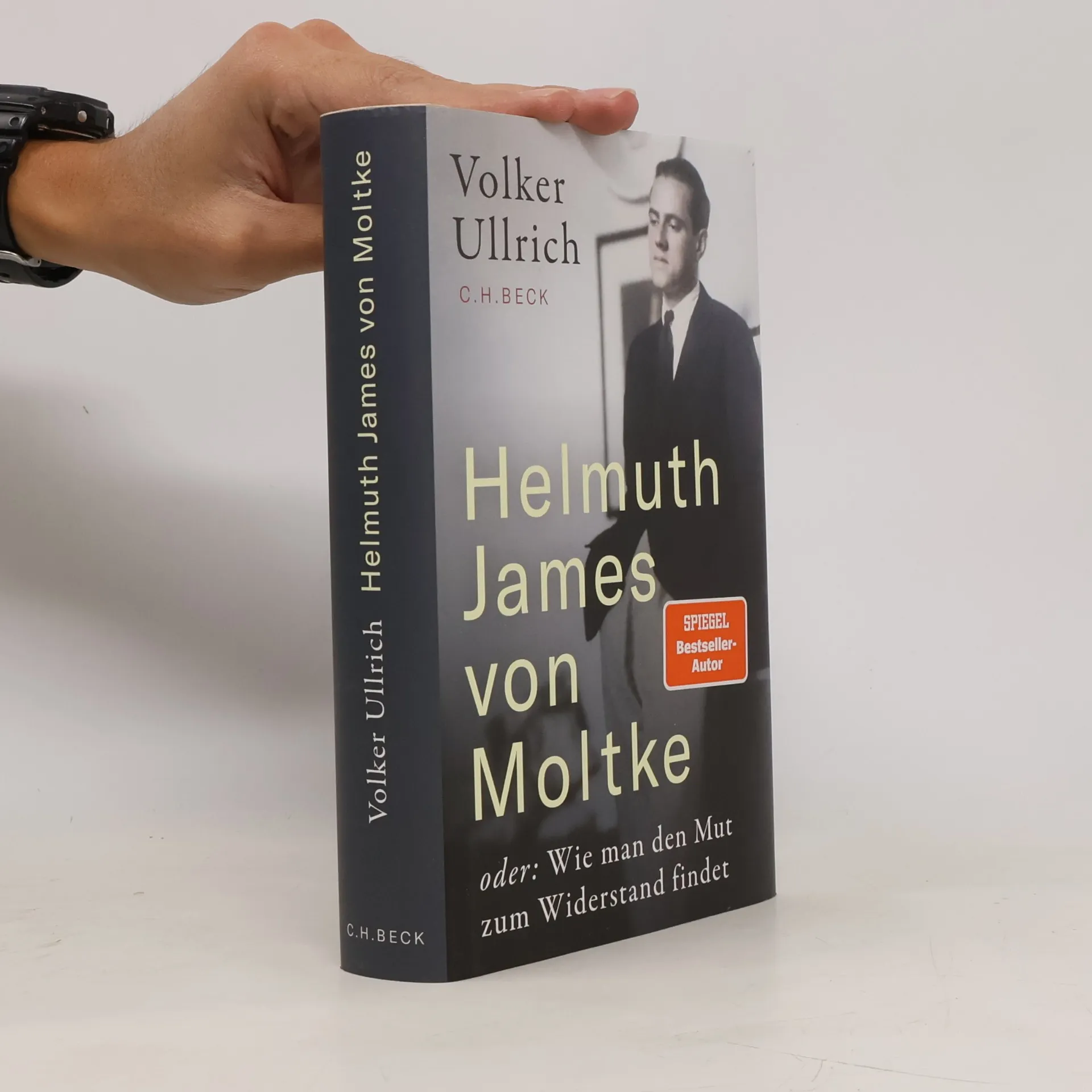
      Im «Kreisauer Kreis» um die führenden Köpfe Helmuth James Graf von Moltke und Peter Graf Yorck von Wartenburg schlossen sich entschiedene Gegner des Nationalsozialismus zusammen. Liberale, Gewerkschafter, Sozialdemokraten, Wissenschaftler und Geistliche erarbeiteten ein Programm für Deutschland nach dem Umsturz. Die Verbindung zum 20. Juli 1944 besiegelte das Schicksal dieser lange verkannten Widerstandsgruppe.

      Der Kreisauer Kreis
    • Die Sachbuch-Bestenliste Juli/August 2020: Platz 4 (Vormonat: Platz 1) Die letzte Woche des Dritten Reiches hat begonnen. Hitler ist tot, aber der Krieg noch nicht zu Ende. Alles scheint zum Stillstand zu kommen, und doch ist alles in atemloser Bewegung. Volker Ullrich schildert Tag für Tag diese «zeitlose Zeit» und entführt den Leser in eine zusammenbrechende Welt voller Dramatik und Gewalt, Hoffnung und Angst. Sein Buch ist eine unvergessliche Zeitreise in den Untergang. Mai 1945: Während die Regierung Dönitz nach Flensburg ausweicht, rücken die alliierten Streitkräfte unaufhaltsam weiter vor. Berlin kapituliert, in Italien die Heeresgruppe C. Raketenforscher Wernher von Braun wird festgenommen, Marlene Dietrich sucht in Bergen-Belsen nach ihrer Schwester. Es kommt zu einer Selbstmordepidemie und zu Massenvergewaltigungen. Letzte Todesmärsche, wilde Vertreibungen, abtauchende Nazi-Bonzen, befreite Konzentrationslager– all das gehört zu jener «Lücke zwischen dem Nichtmehr und dem Nochnicht», die Erich Kästner am 7. Mai 1945 in seinem Tagebuch vermerkt. Volker Ullrich, der große Journalist und Hitler-Biograph, hat aus historischen Miniaturen und Mosaiksteinen ein Panorama dieser «Acht Tage im Mai» zusammengefügt, das sich fesselnder liest als mancher Thriller.

      Acht Tage im Mai