Paul Guyer je předním americkým filozofem, jehož práce se soustředí na Immanuela Kanta a estetiku. Je uznávaným expertem na Kantovo dílo, který přeložil a redigoval několik Kantových spisů do angličtiny. Guyer se zabývá rozsáhlým spektrem filozofických témat a jeho vlivné studie Kanta a moderní estetiky zásadně přispěly k jejich hlubšímu pochopení. Jeho analýzy filozofických myšlenek a jejich historického vývoje nabízejí čtenářům pronikavý vhled do klíčových otázek lidského poznání a vkusu.
This book tells the story of idealism in modern philosophy, from the
seventeenth century to the turn of the twenty-first. Guyer and Horstmann
discuss many philosophers who have played a role in the development of
idealism, including Descartes, Hobbes, Spinoza, Leibniz, Locke, Berkeley,
Hume, Kant, Hegel, Schopenhauer, Nietzsche, and Wittgenstein.
Kant is the most significant Enlightenment philosopher. With an overview of Kant's life and times, this title introduces Kant's metaphysics and epistemology, explaining his arguments about the nature of space, time and experience in his most influential but difficult work, 'The Critique of Pure Reason'.
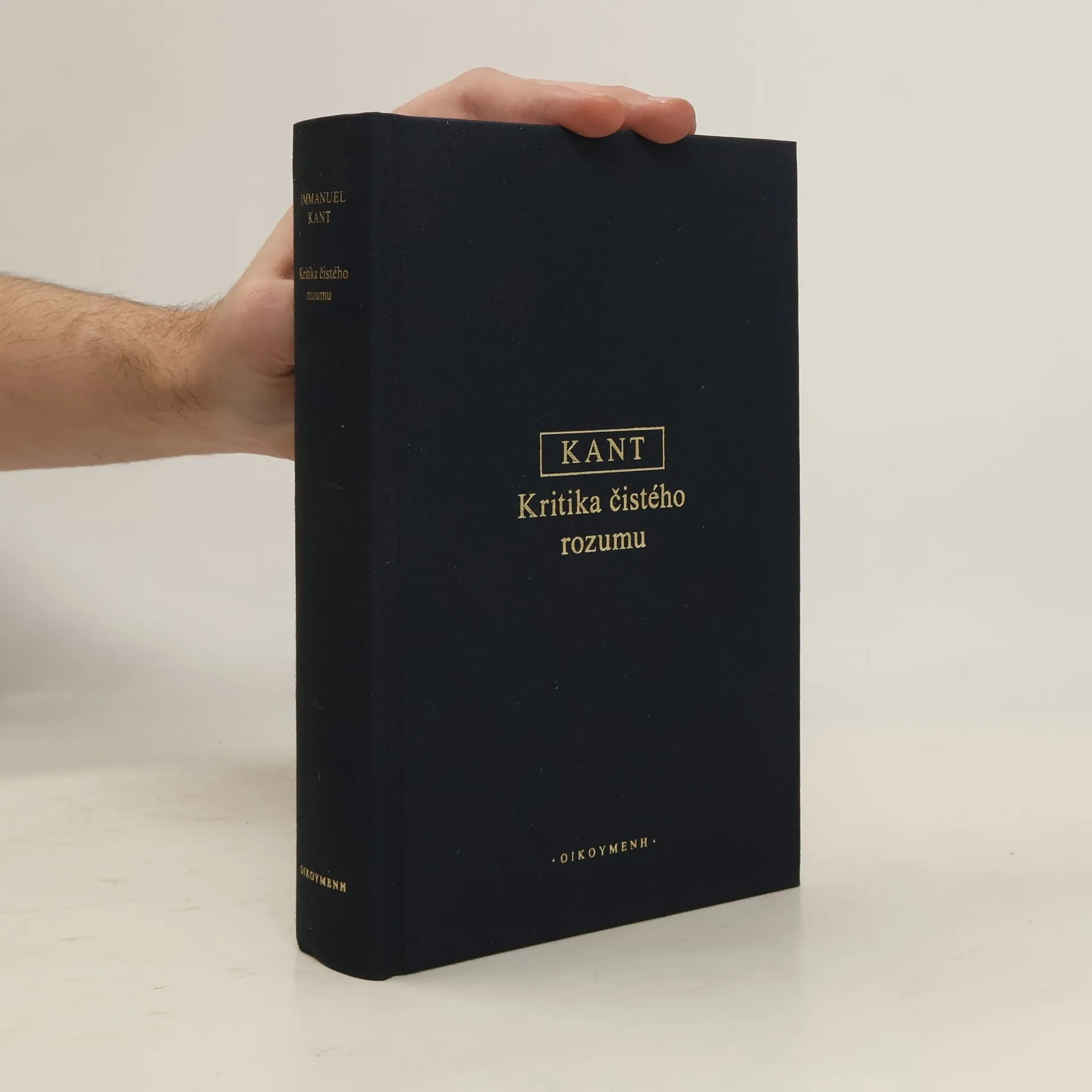
Ve svém stěžejním díle, Kritice čistého rozumu (1781, 1787², česky 1930, 2001, 2020), vykládá Kant podmínky možnosti poznání a stanovuje jeho možný rozsah. Do tohoto rozsahu patřil dříve též Bůh, duše a celek světa, jimiž se zabývaly příslušné obory metafyziky. Podle Kanta se Bůh, duše a celek světa nacházejí mimo hranice možného poznání, v rámci poznání však mají nezbytnou funkci regulativních idejí rozumu. Jedná se o základní spis moderní filosofie. Předložený svazek je upraveným vydáním českého překladu spisu z roku 2020. Obsahuje kompletní text druhého vydání spisu včetně všech pasáží z prvního vydání, které Kant do druhého vydání nepřevzal. Do svazku byly rovněž zařazeny Kantovy rukopisné poznámky z jeho příručního exempláře prvního vydání Kritiky čistého rozumu.