

The biography explores St. Petersburg as a symbol of Russian identity, embodying power and resilience despite its harsh environment. Founded by Tsar Peter the Great in an inhospitable marsh, the city transformed into a vibrant political and cultural hub, connecting Russia to Europe. The narrative intertwines the lives of revolutionaries, laborers, tsars, and poets, highlighting the diverse influences that shaped the city's complex history. Through its opulence and suffering, the book reveals the profound human and natural forces that have defined St. Petersburg and its nation.
W. Bruce Lincoln Knihy

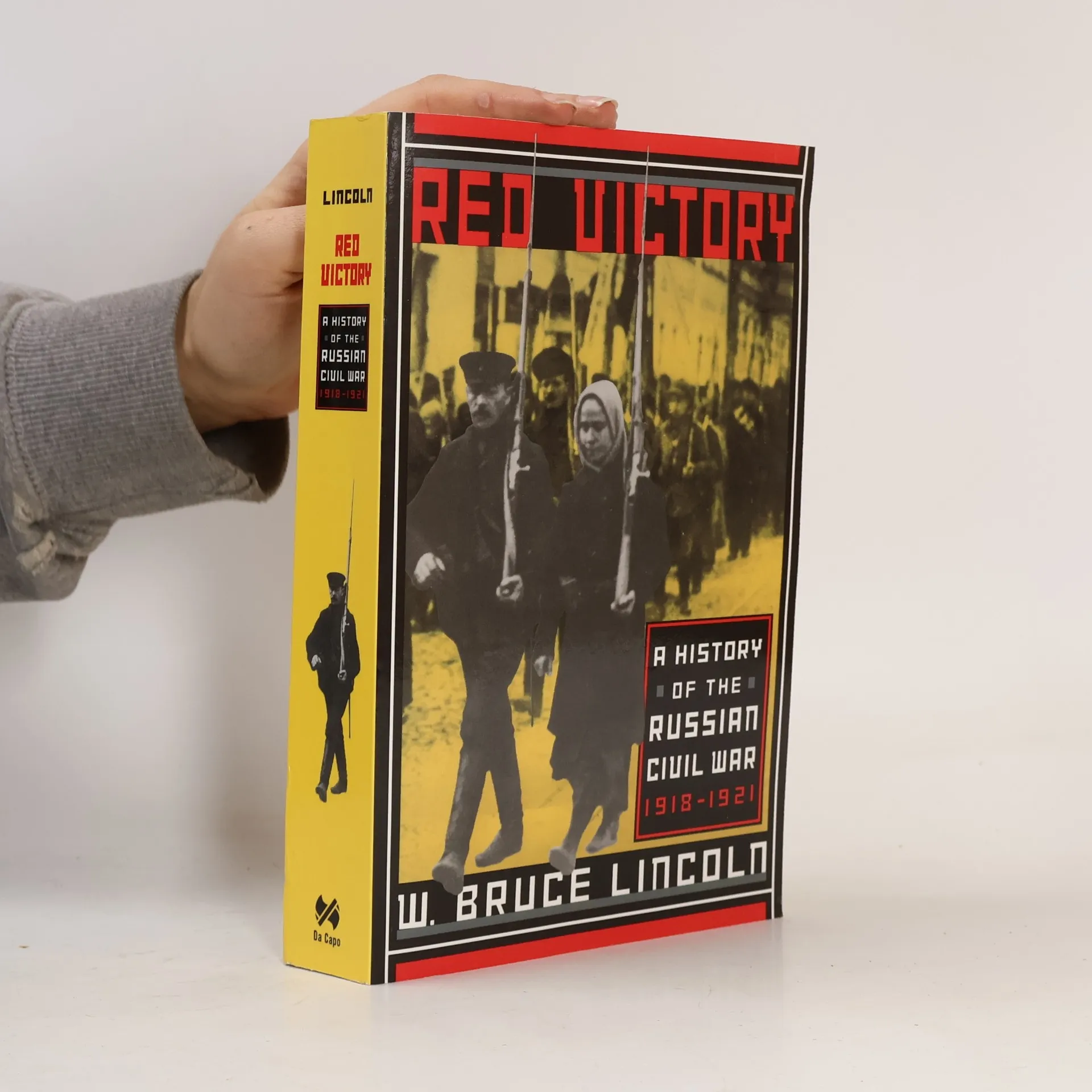

Shortly after withdrawing from World War I, Russia descended into a bitter civil war unprecedented for its savagery: epidemics, battles, mass executions, forced labor, and famine claimed millions of lives. From 1918 to 1921, through great cities and tiny villages, across untouched forests and vast frozen wasteland, the Bolshevik "Reds" fought the anti-Communist Whites and their Allies (fourteen foreign countries contributed weapons, money, and troops—including 20,000 American soldiers). This landmark history re-creates the epic conflict that transformed Russia from the Empire of the Tsars into the Empire of the Commissars, while never losing sight of the horrifying human cost.
Nikolaus I. von Russland
- 545 stránek
- 20 hodin čtení
Biographie über Nikolaus I., aus dem Haus Romanow-Holstein-Gottorp. Er war als Nikolaus I. zwischen 1825 und 1855 Kaiser von Russland[1] und zwischen 1825 und 1830 letzter gekrönter König von Polen (Kongresspolen), der dritte Sohn des Kaisers Paul I. und dessen zweiter Ehefrau, Maria Fjodorowna, geborene Prinzessin Sophie Dorothee von Württemberg