Německý historik a teolog se zaměřením na studium reformace. Jeho práce se zabývá hlubokým zkoumáním klíčových momentů a myšlenek reformace. Zaměřuje se na historické a teologické aspekty tohoto období. Jeho analýzy nabízejí nový pohled na náboženské a společenské změny.
The Emergence of a New Intellectual Climate in Europe
384 stránek
14 hodin čtení
The book explores the evolution of academic thought from the later Middle Ages through the rise of Martin Luther and the city Reformation. It examines how intellectual developments influenced broader societal changes, highlighting the interplay between education, philosophy, and religion during this transformative period. Through a detailed analysis, it sheds light on the pivotal ideas and figures that shaped the course of history, emphasizing the significance of academic discourse in the context of cultural and religious shifts.
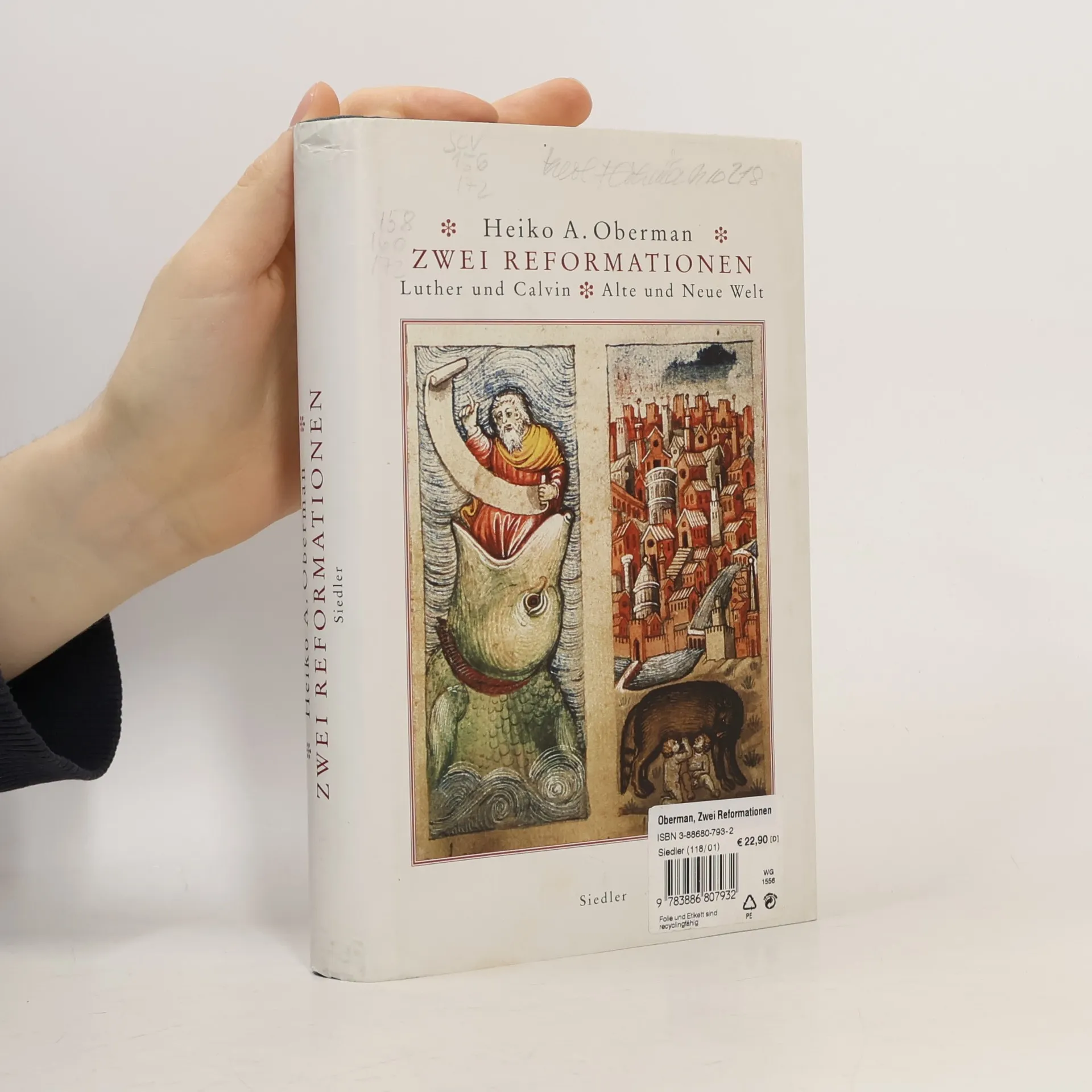
Luther und Calvin. Alte und Neue Welt - Durchges. u. mit e. Nachw. v. Manfred Schulze
316 stránek
12 hodin čtení
Die Stilisierung Martin Luthers als ersten Protestanten und deutschen Propheten gehört zu den Gründungsmythen des deutschen Protestantismus. Sein Protest gegen die 'babylonische Gefangenschaft der Kirche' wird oft als Befreiung von der päpstlichen Tyrannei und als Ausbruch aus dem finsteren Mittelalter interpretiert. Obermans Essays widerlegen diese Sichtweise und argumentieren, dass Luther nicht als einsame, revolutionäre Figur agierte, sondern im Kontext einer lebendigen spätmittelalterlichen christlichen Gesellschaft, die bereits viele reformerische Strömungen hervorgebracht hatte. Er zeigt, dass Luther trotz seiner theologischen Neuansätze und seiner Distanz zur mönchischen Lebensweise stark im spätmittelalterlichen Weltbild verankert war, einschließlich antisemitischer und apokalyptischer Elemente. Oberman unterscheidet zwischen der 'ersten Reformation', die von Wittenberg ausging und die deutschen Territorialstaaten prägte, und der 'zweiten Reformation', die von humanistisch inspirierten Protestanten in freien Städten initiiert wurde. Diese zweite Reformation, besonders in der Denkweise Calvins, bietet eine Vision eines kulturell und sozial erneuerten Europas, die Oberman als den eigentlichen Beitrag des Protestantismus zur Moderne betrachtet.
In this wide-ranging volume Heiko Oberman traces threads of continuity flowing to and through the Reformation. Many his most important studies appear here in English for the first time.Professor Oberman explores "experiential" mysticism; the "battle on two fronts" waged by the Wittenburg circle against Pierias and Eck; Luther's medieval and apocalyptical conception of reformatio and its purpose; the pre-history of "confessionalization" in the Confession of Ausburg and its "Confutatio" byt Luther's Roman opponents; Zwingli's plans for a Godly alliance in the southern Germanic ecumene and the destructive tensions between Zwingli and Luther.In the final chapter, Oberman describes a model of three long-term "Reformations" that can also be seen as the Concillar Reformation, the City Reformation, and the Calvinist Reformation of the Refugees. The often denied and generally misunderstood "continuities" between theological directions of the later Middle Ages, the theological reformation of the early sixteenth century and subsequent developments are constantly illuminated through exacting detail and compelling insights.
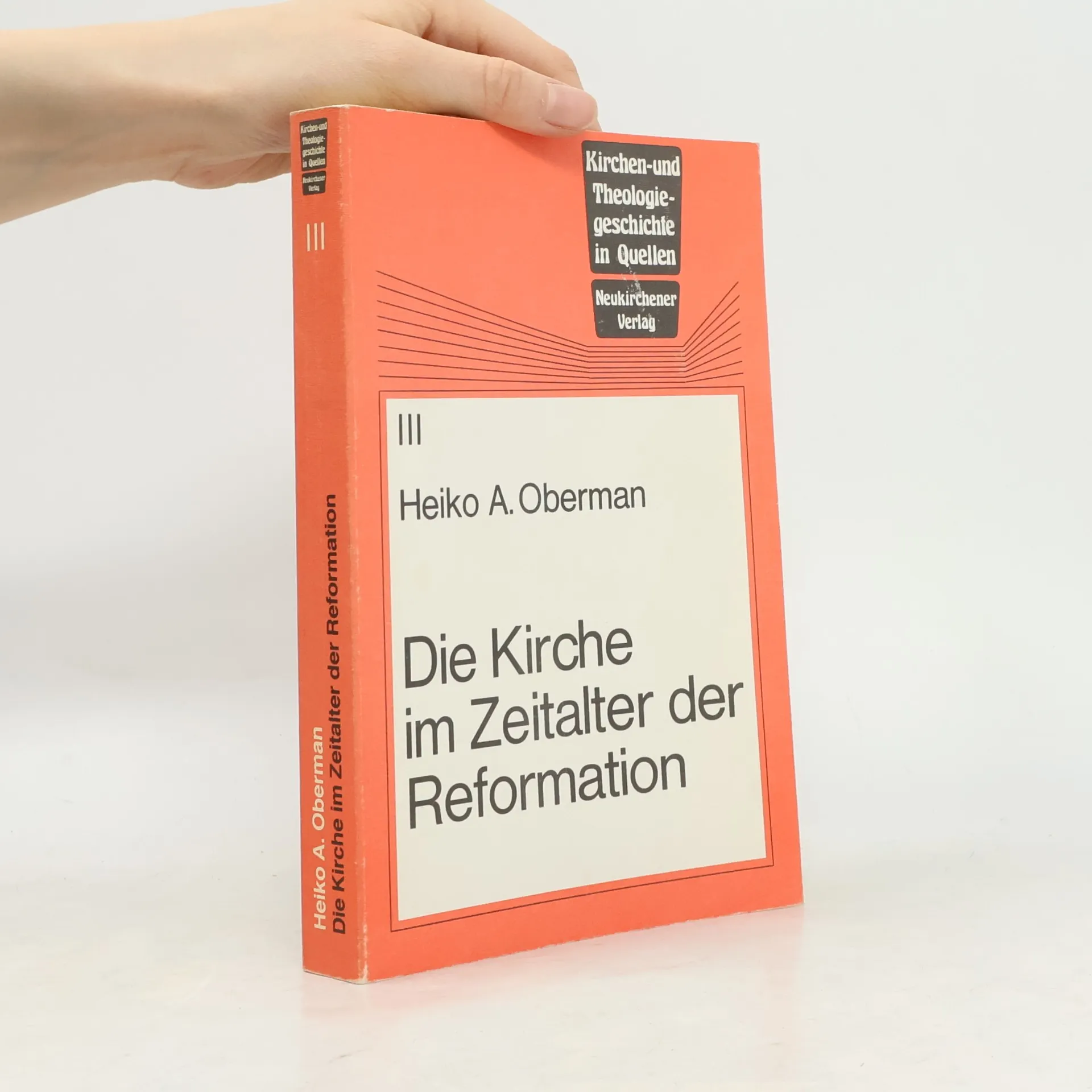
Das praktische Hilfsmittel für Vorlesungen und Seminare. Chronologisch geordnet finden Sie hier alle zentralen Texte der Kirchen- und Theologiegeschichte in übersetzten und kommentierten Quellen. Einleitungen bieten notwendige Informationen zum Verständnis der Texte, ohne diese selbst zu interpretieren.
Das praktische Hilfsmittel für Vorlesungen und Seminare. Chronologisch geordnet finden Sie hier alle zentralen Texte der Kirchen- und Theologiegeschichte in übersetzten und kommentierten Quellen. Einleitungen bieten notwendige Informationen zum Verständnis der Texte, ohne diese selbst zu interpretieren.