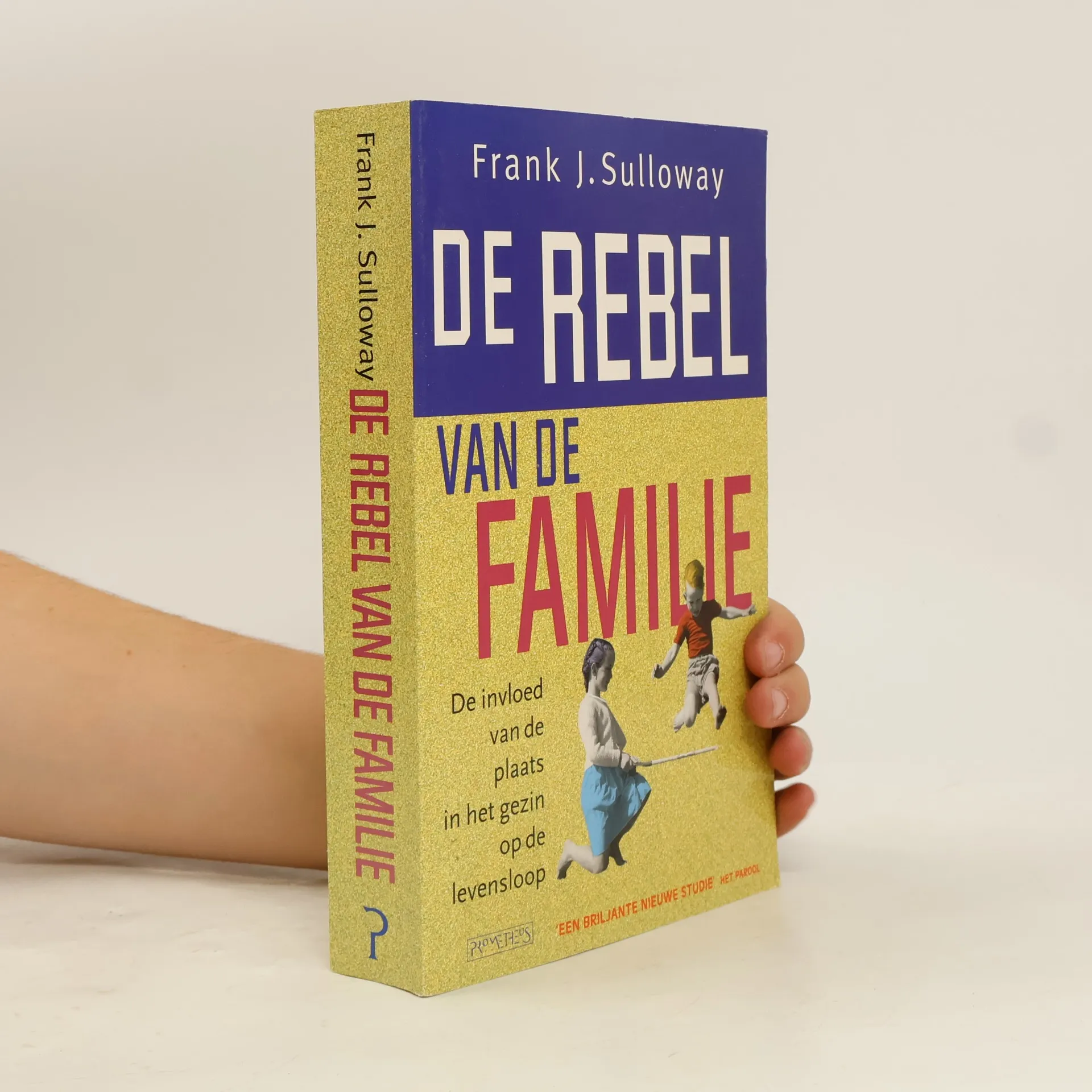
De rebel van de familie
De invloed van de plaats in het gezin op de levensloop
- 534 stránek
- 19 hodin čtení
Analyse van de persoonlijkheidsontwikkeling, in het bijzonder van de rol van het gezin daarbij, in historisch perspectief.


Frank J. Sulloway is a renowned scholar whose work explores the intricate connections between psychology and the history of science. His research delves into the fundamental aspects of personality and social behavior, offering novel perspectives on human nature. Sulloway's rigorous academic background and prestigious fellowships underscore his commitment to groundbreaking intellectual inquiry.

De invloed van de plaats in het gezin op de levensloop
Analyse van de persoonlijkheidsontwikkeling, in het bijzonder van de rol van het gezin daarbij, in historisch perspectief.
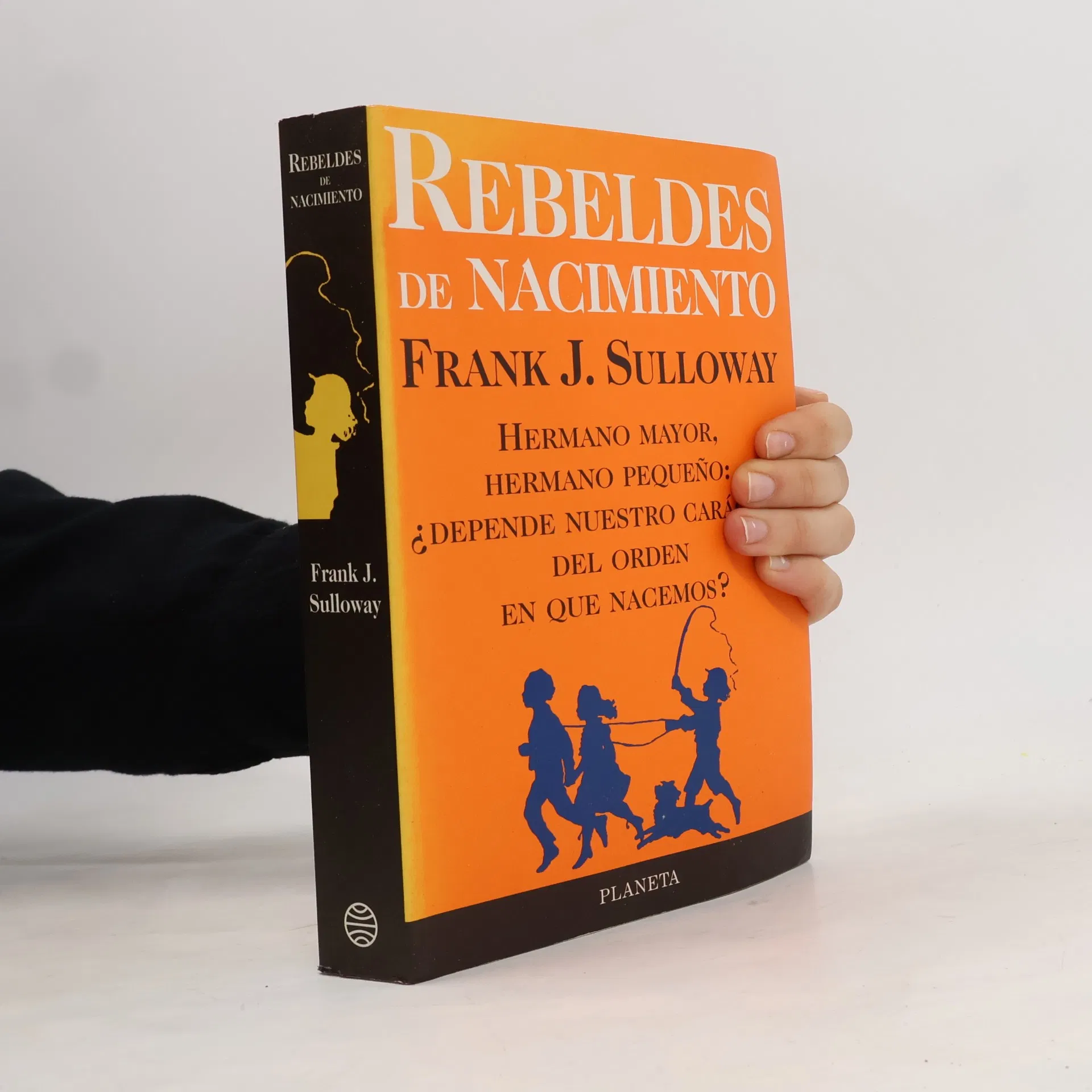
¿Depende nuestro carácter del orden en que nacemos?
This landmark work explores the significant impact of birth order on personality and the effects of sibling rivalry within families and society. It reveals that the differences between first-borns and their younger siblings stem not from cultural factors but from innate human instincts in the pursuit of parental approval. The key finding is that first-born children tend to uphold the status quo, while youngest siblings often challenge it. This insight leads to compelling analyses of historical events like the Protestant Reformation, the French Revolution, and Darwin's evolutionary theory. First-borns are characterized as defenders of established norms, often accepting parental values and employing intellect or aggression to resolve conflicts. Notable first-borns include Nobel Laureates like Albert Einstein and Ivan Pavlov, as well as figures like Stalin and Robespierre, who resorted to terrorism. In contrast, later-borns are more likely to rebel against conventions, advocating for reform and societal change. They have historically championed causes such as free speech, civil rights, and women's rights, with influential later-borns including Voltaire, Rousseau, and Thomas Jefferson. Key figures in the abolition of slavery, like Frederick Douglass and Harriet Tubman, were also later-borns. This study provides a scientific foundation for understanding human behavior through the lens of birth order.