Mario Bunge byl argentinský fyzik, filozof, epistemolog a humanista. Byl především materialistický filozof, obhájce vědeckého realismu a přesné filozofie. Proslul svým nesmiřitelným postojem proti pseudovědám, jako je psychoanalýza či homeopatie, a kritikou filozofických směrů, jako je existencialismus, fenomenologie či postmodernismus. Jeho dílo se vyznačuje přísnou racionalitou a odmítáním jakýchkoli iracionálních či metafyzických přístupů k poznání.
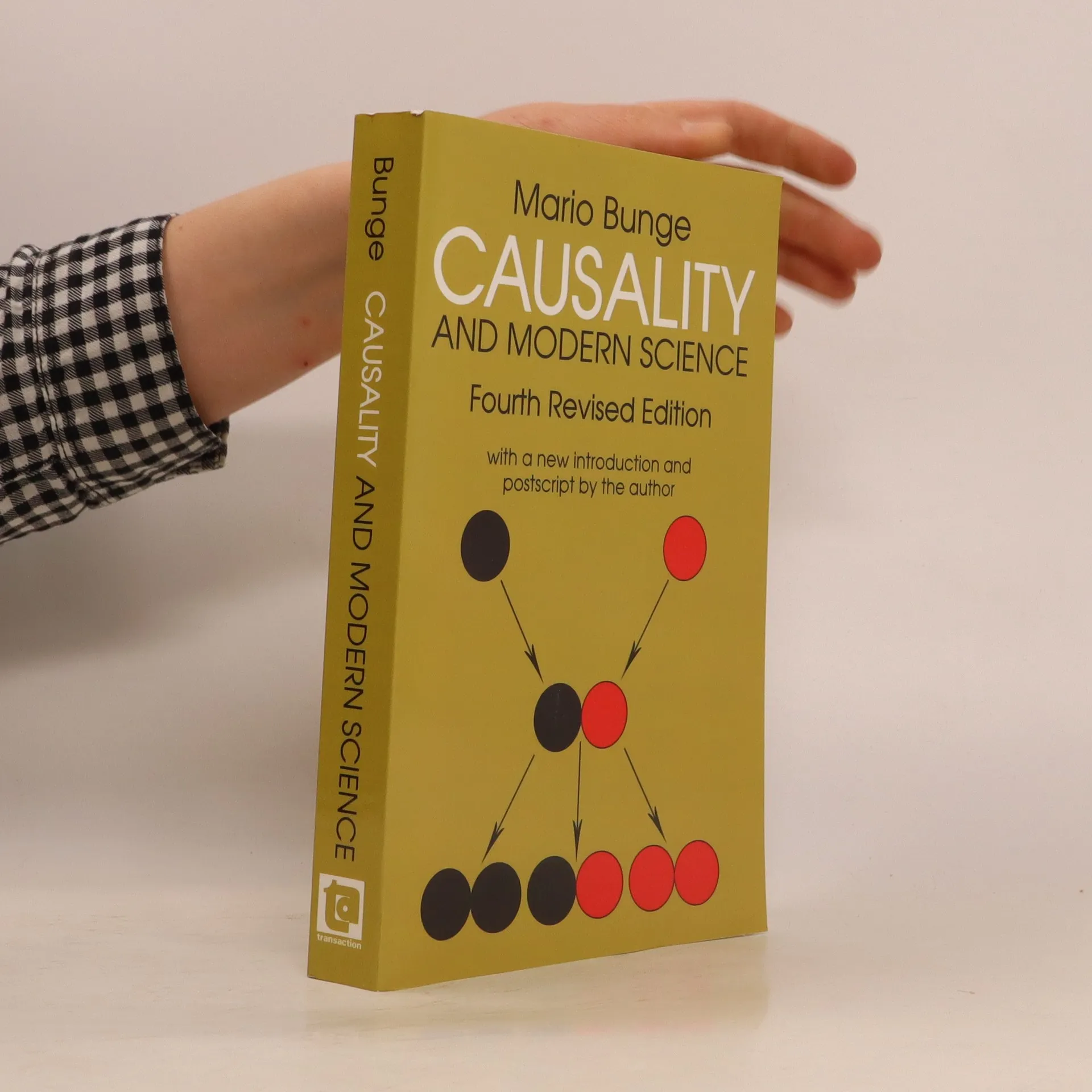
Non-technical and clearly written, this book focuses on the place of the causal principle in modern science. The author defines the terminology, describes various formulations, examines the two primary critiques of causality, and more.
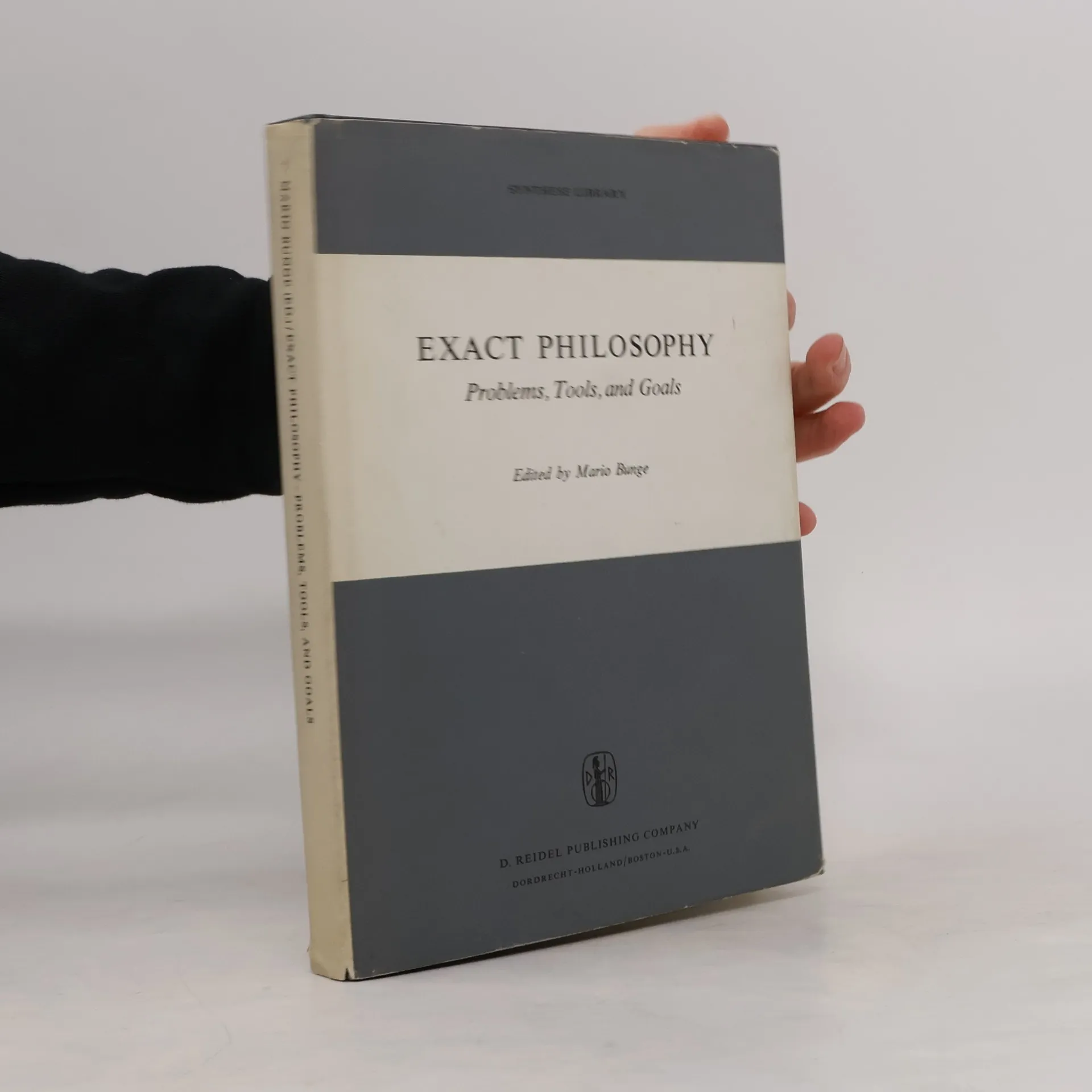
The papers that follow were read and discussed at the first Symposium on Exact Philosophy. This conference was held to celebrate the sesquicentennial of McGill University and establish the Society for Exact Philosophy. The expression 'exact philosophy' signifies mathematical philosophy, i.e., philosophy done with the explicit help of mathematical logic and mathematics. So far the expression denotes an attitude rather than a fully developed system; it intends to convey the intention to try and proceed in as exact a manner as we can in formulating and discussing philosophical problems and theories. The kind of philosophy we wish to practice and promote is disciplined rather than wild, systematic rather than disconnected, and capable of being argued over rather than oracular. We believe that even metaphysics, notoriously riotous, can be subjected to the control of logic and mathematics. Even the history of philosophy, notoriously unsystematic, can benefit from an exact reconstruction of some classical ideas.
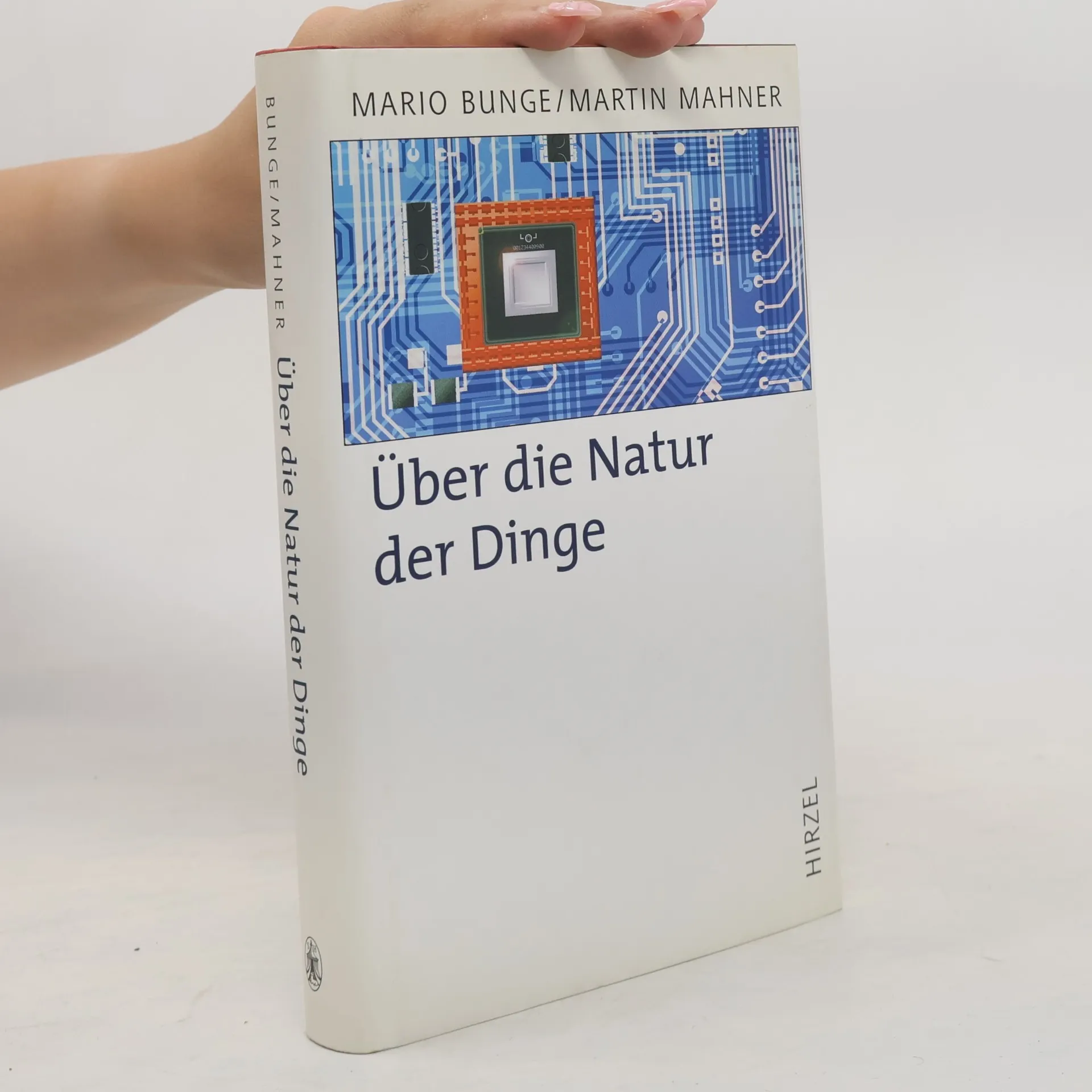
Für den Idealismus stellt das menschliche Bewusstsein das Zentrum der Welt dar, für den Materialismus dagegen ist die reale Welt das Primäre und der Mensch ihr Produkt. Obwohl der Materialismus so alt ist wie die Philosophie selbst, bildete er stets die Minderheitenposition. Nun scheinen vor allem die Naturwissenschaften die materialistische Sicht der „Natur der Dinge“ zu bestätigen. Doch ist die Wissenschaft wirklich materialistisch? Und was können Philosophen in unserer Zeit noch über die Natur der Dinge sagen, wo doch hier die Naturwissenschaftler das Wort führen? Dieses Buch zeigt, was dies im Sinne eines modernen Materialismus sein kann. Der Materialismus hatte seit seiner Entstehung in der griechischen und indischen Antike immer einen starken aufklärerischen und emanzipatorischen Aspekt, weil er sich stets gegen die herrschenden Illusionen wandte. Dadurch wirkte er zugleich befreiend und bedrohlich. Auch dieser Aspekt der materialistischen Tradition kommt hier zur Sprache.