
Knihobot

Juan Manuel

    5. květen 1282 – 1. leden 1400

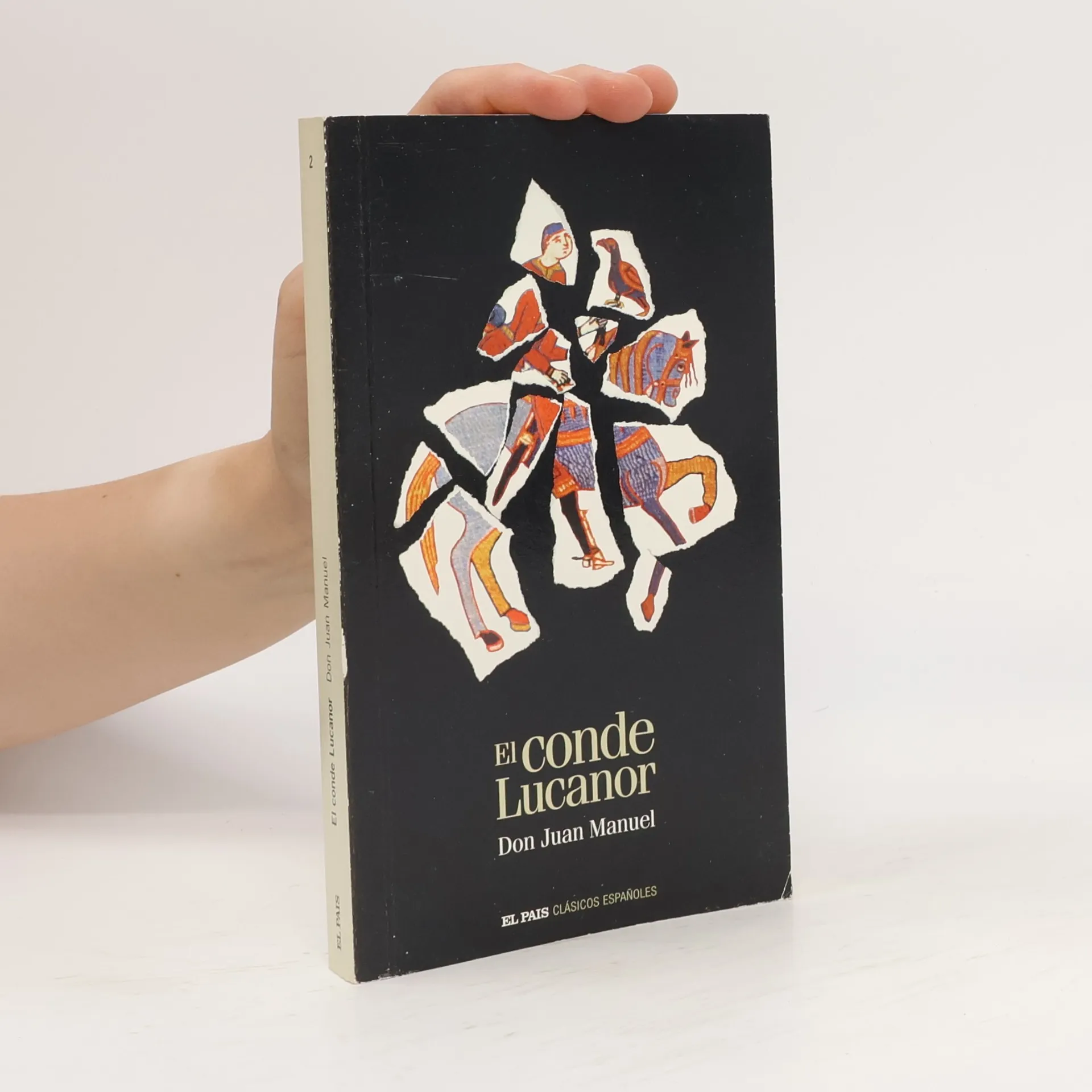
    Don Juan Manuel byl klíčovým představitelem středověké beletrie ve španělštině. Jeho hlavní dílo, El conde Lucanor, je sbírkou poučných příběhů, které mistrně proplétají vyprávění s moudrými ponaučeními. Prostřednictvím těchto příběhů zkoumal hluboké pravdy o lidské povaze a společnosti. Jeho styl je charakteristický svou jasností a morální hloubkou, což z něj činí důležitého autora pro pochopení narativní tradice.

    Obywatel nocy
    La cultura de defensa en la literatura española del Siglo de Oro
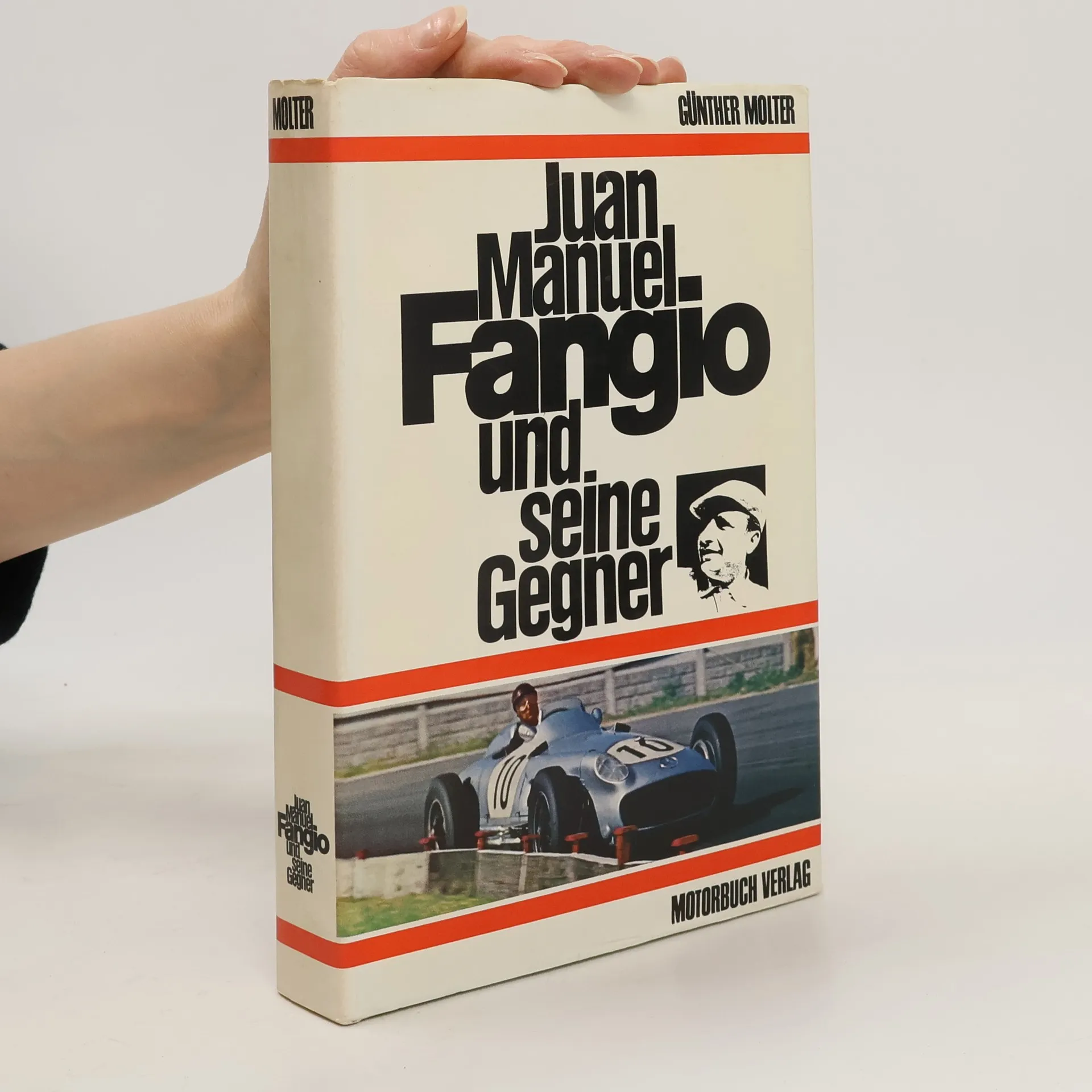
    Fangio und seine Gegner
    El Conde Lucanor
    Taxis vs. Uber
    • "In 2015, Juan M. del Nido went on hundreds of taxi rides in Buenos Aires, conducting ethnographic work on the taxi industry. But by mid-April 2016, Uber launched its platform in Buenos Aires, engulfing drivers, passengers, the press, and greater general public into a frenzied hysteria that involved courts of law, political platforms, and threats of violence. This book examines not only how the taxi industry made sense of the sudden and ubiquitous presence of Uber in Argentina, but also how the assumed efficiency and objectivity of Uber's algorithmic methods catalyzed new forms of understanding ethics, responsibility and professional advancement in the Argentinean context. Tightly entwined with the politics of labor, trade, institutions, and economic life, del Nido reveals how Uber came to signify and instantiate the greatest moment of political and economic disruption seen in Argentina since the crisis of 2001. He shows how a multinational company taken to court allowed Buenos Aires's residents to craft particular ideas of what it meant to be political, and what it meant become "post-political"-to subsume, neutralize and pathologize genuine disagreement, shaping how we understand what we can even disagree about and how"--

      Taxis vs. Uber
    • Un joven conde plantea a su ayo diversas cuestiones morales y obtiene siempre la misma respuesta: un cuento. Sobre esta estructura -el diálogo entre Lucanor y Petronio- y con un exquisito equilibrio entre el relato y el propósito ejemplarizante, don Juan Manuel construyó un libro ambicioso, depurado y entretenido, que todavía hoy se impone al lector por su firma de pensamiento y de escritura.

      El Conde Lucanor
    • Liryka, którą Roca przedstawia, jest tylko w pewnym stopniu dyskretna oraz po europejsku transparentna chociaż tu nawet język ezopowy uczy się trudnej, ale znaczącej sztuki milczenia na temat. Otóż, Roca jednym ruchem ręki pokazuje, jak czerpie z europejskiej lekcji klasycznej, w tym również z antyku oraz związanego z nim śródziemnomorskiego mitu konsolacyjnego, a następnie, jak całe to dziedzictwo odrzuca w sugestywnej, atrakcyjnej retoryce buntu barbarzyńcy tylko częściowo akulturowanego. W kraju swego pochodzenia autor Temporada de estatuas uchodzi za rodzaj opoki oraz fundamentu, nestorskiego monolitu. Reprezentuje grono literackich autorytetów, przede wszystkim jako przedstawiciel tak zwanego pokolenia straconych złudzeń, a więc Generación Desencantada. Wielką zasługą Krystyny Rodowskiej, polskiej tłumaczki poety, jest to, że właśnie takie momenty, z całą szczerością, odsłania, a tym samym szeroko udostępnia polskiemu czytelnikowi. Karol Samsel

      Obywatel nocy