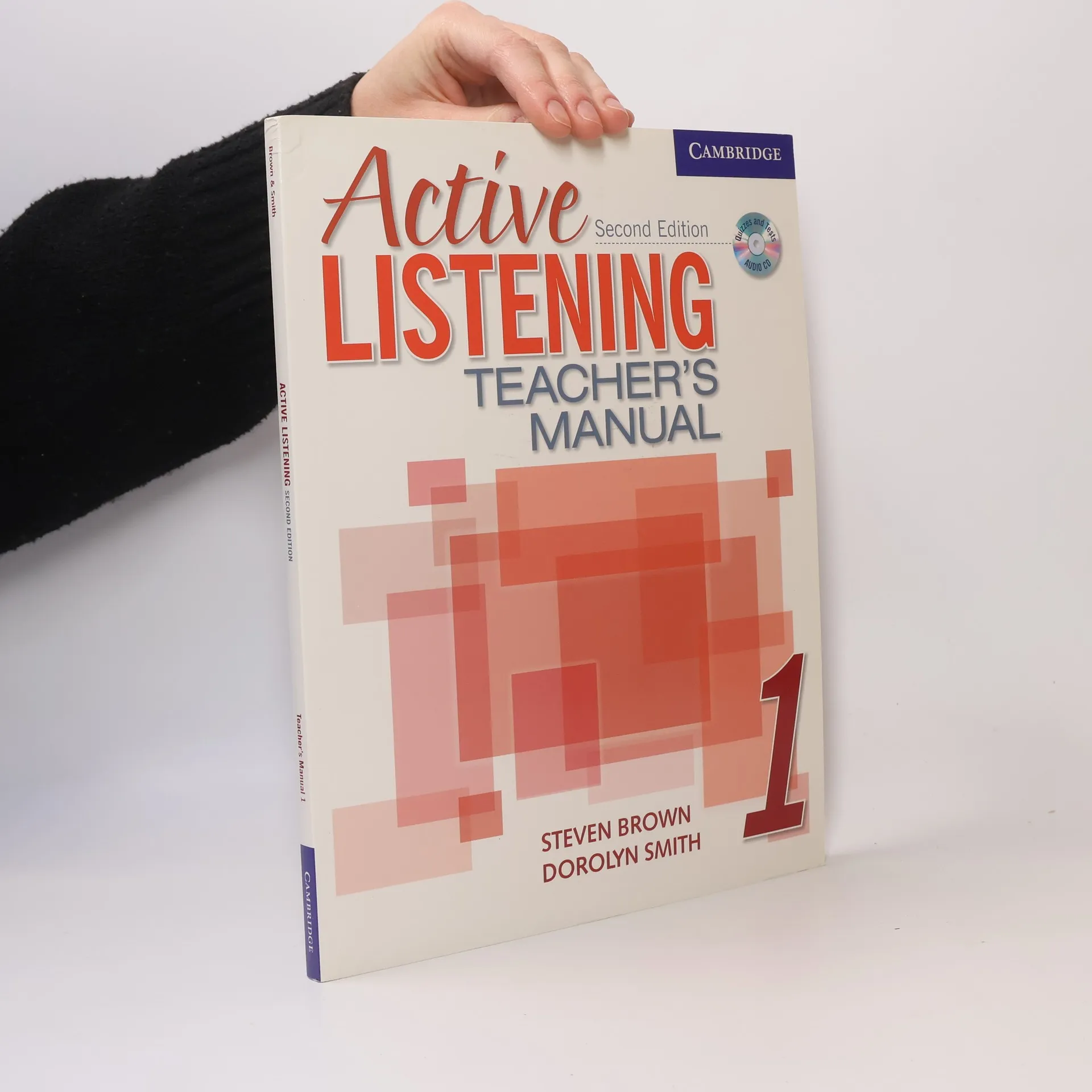
Active Listening, Second Edition, is grounded in the theory that learners are more successful listeners when they activate their prior knowledge of a topic. Teacher's Manual 1 contains step-by-step practical teaching notes, optional speaking activities and listening strategies, culture notes, and suggested times for completing lessons. Photocopiable unit quizzes, two complete tests with Audio CD, and complete answer keys are also included.
Steven Brown Knihy
11. září 1952
Steve Brown věří, že vy, jakožto podnikatel, jste neviditelným hrdinou dnešní ekonomiky. Tvrdě bojujete, abyste vytvořili hodnotu pro své zákazníky a poskytli pracovní místa pro více než polovinu americké pracovní síly. Jako sám podnikatel Steve ví, čemu dnes čelíte v boji za růst svého podnikání. Proto na podcastu ROI Online představuje prozíravé obchodní lídry, se kterými se vám bude líbit se setkat.

Operations Management
- 448 stránek
- 16 hodin čtení
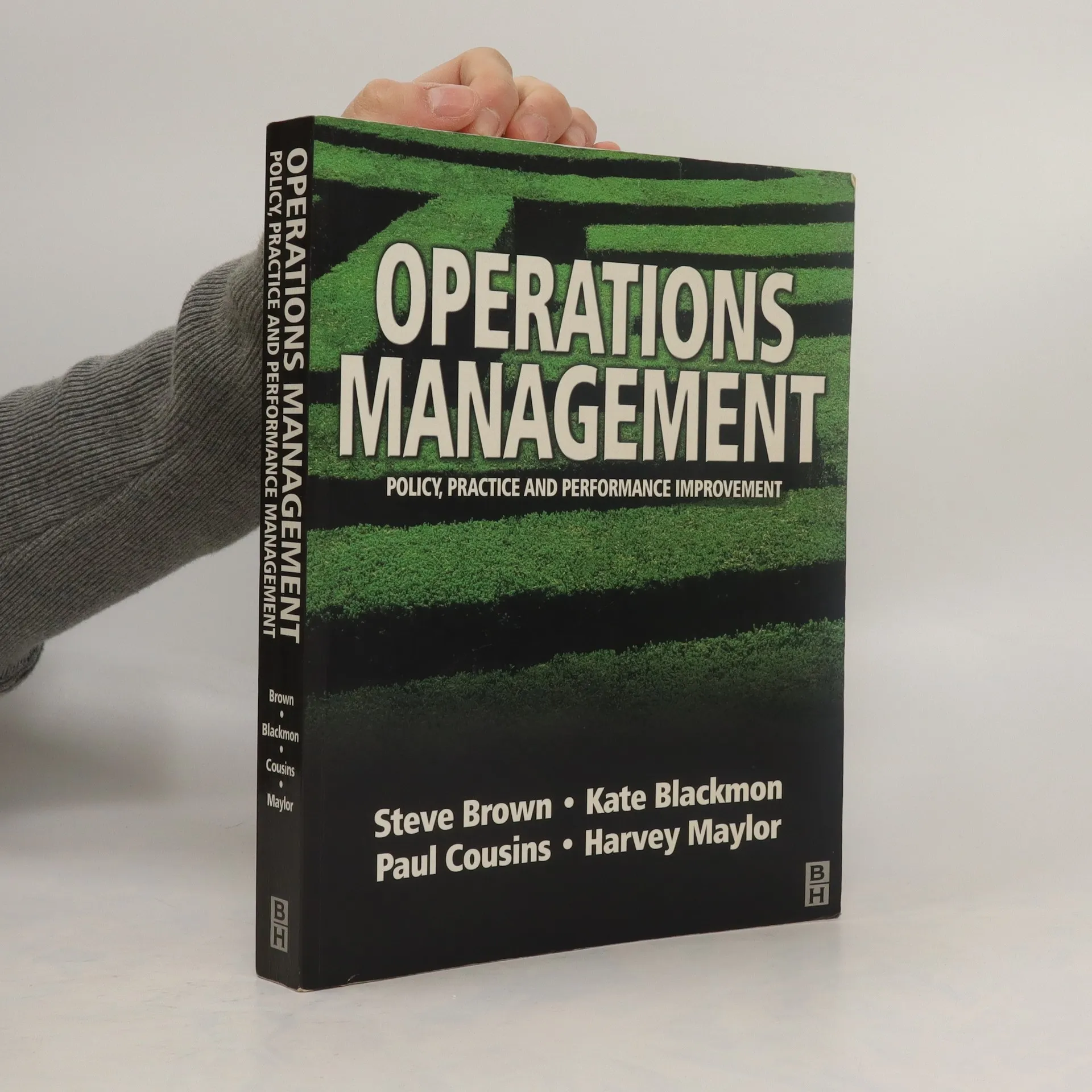
'Operations policy, practices, performance improvement' is the latest state-of-the-art approach to operations management. It provides new cutting edge input into operations management theory and practice that cannot be found in any other text.Discussing both strategic and tactical inputs it combines and balances service and manufacturing operations.* Cutting edge techniques accompanied by brand new case studies* Challenges standard approaches* Comprehensive coverage of strategic supply management* Critical sample questions to aid discussion* Reading lists and articles to support learning* Additional lecturer support materialThis outstanding author team is from the Operations Management Group at the University of Bath. Their expertise and knowledge is apparent in the text, and they bring to it their original research and experience in the field of operations management.
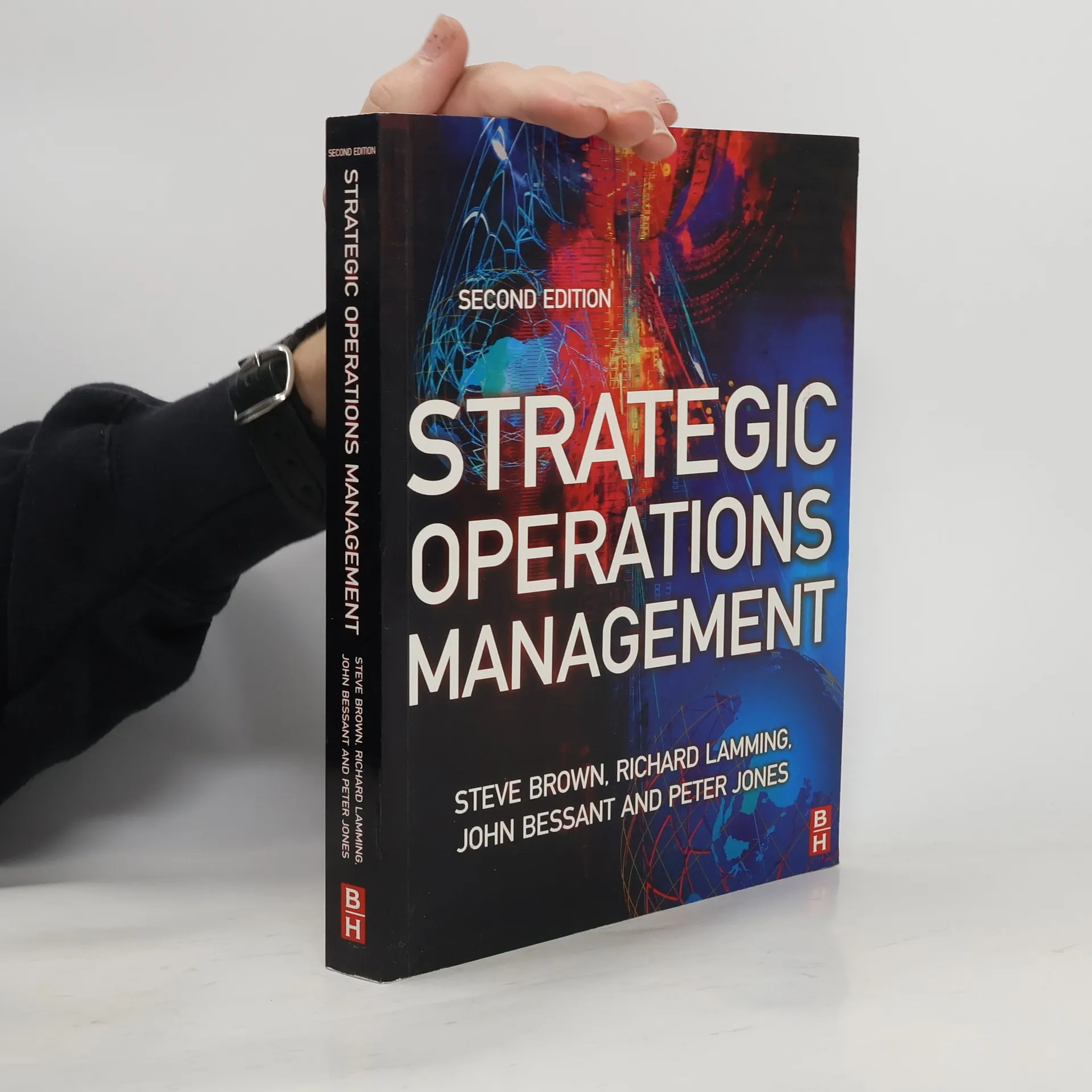
This is a substantial new edition of a successful textbook which continues to have a sensible and 'easy to read' style. Each Chapter has a past/present/future theme with a real strategic approach. Strategic Operations Managment shows operations as combining products and services into a complete offer for the customer. Services are therefore seen as key and are integrated throughout the material in each chapter. Manufacturing, service supply and other key factors are all shown to be in place.In an era where companies are fond of talking about core competences but still struggle to understand their operations, this is an important for academics and practitioners alike. Only when managers understand their operations will they be able to leverage them into any sort of capabilities that will lead to competitive advantage. Online tutor resource materials accompany the book.
The Origins of Music
- 516 stránek
- 19 hodin čtení
The book can be viewed as representing the birth of evolutionary biomusicology. What biological and cognitive forces have shaped humankind's musical behavior and the rich global repertoire of musical structures? What is music for, and why does every human culture have it? What are the universal features of music and musical behavior across cultures? In this groundbreaking book, musicologists, biologists, anthropologists, archaeologists, psychologists, neuroscientists, ethologists, and linguists come together for the first time to examine these and related issues. The book can be viewed as representing the birth of evolutionary biomusicology—the study of which will contribute greatly to our understanding of the evolutionary precursors of human music, the evolution of the hominid vocal tract, localization of brain function, the structure of acoustic-communication signals, symbolic gesture, emotional manipulation through sound, self-expression, creativity, the human affinity for the spiritual, and the human attachment to music itself.
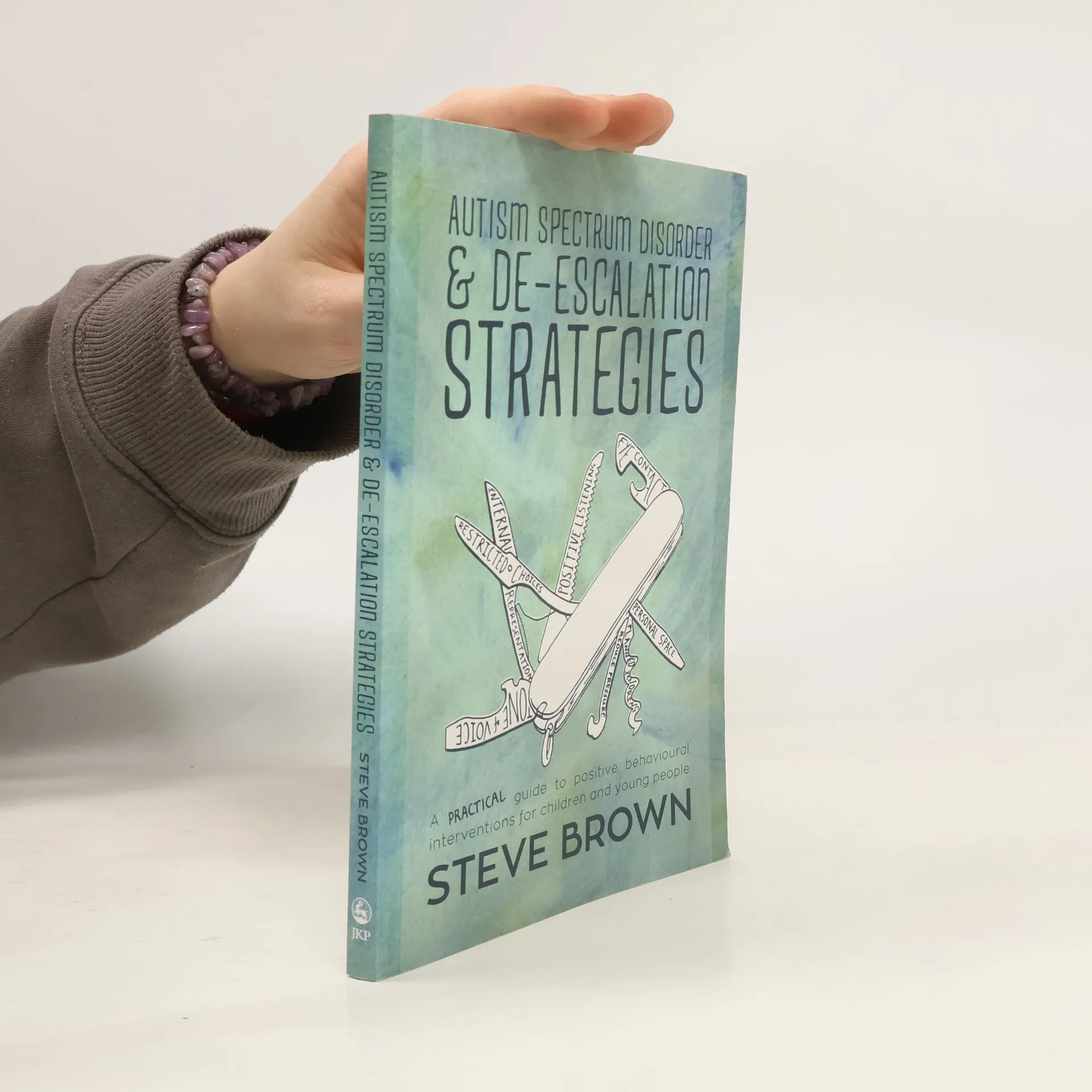
Autism Spectrum Disorder and De-Escalation Strategies
A Practical Guide to Positive Behavioural Interventions for Children and Young People
- 192 stránek
- 7 hodin čtení
Discussing a variety of de-escalation and behaviour management strategies, this book offers practical guidance on using non-physical and physical interventions to support children (aged 3-18) on the autism spectrum or with emotional, social and behavioural difficulties, and to keep them and others safe.
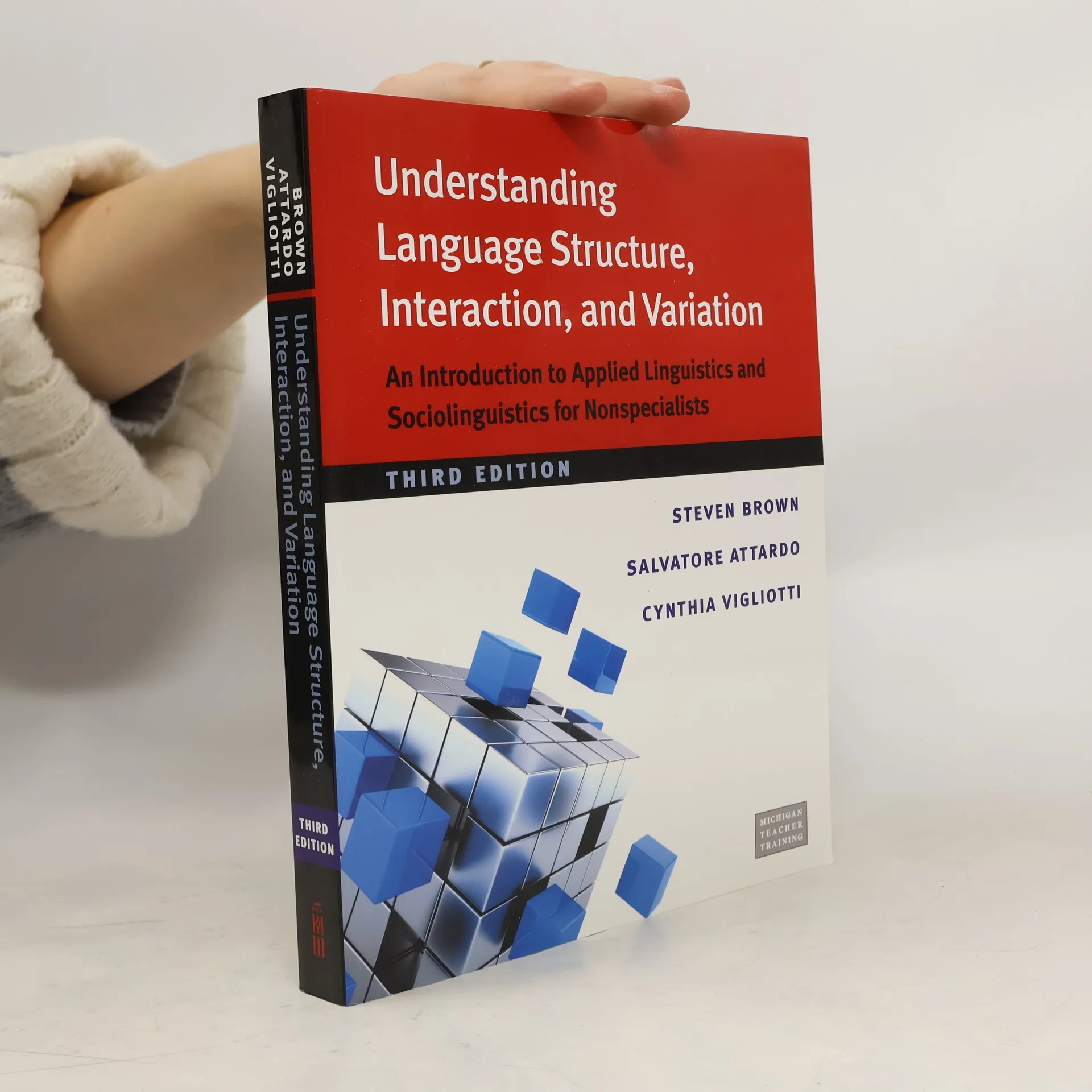
Understanding Language Structure, Interaction, and Variation
- 373 stránek
- 14 hodin čtení
Understanding Language Structure, Interaction, and Variation is an introduction to the study of language and applied linguistics for students who have had a minimum of exposure to the discipline of linguistics. Using clear, easy-to-understand explanations and examples, this text avoids the in-depth theoretical coverage found in texts written for those who specialize in linguistics or SLA. As a result, this book is perfect for students whose chosen fields require them to be acquainted with the ways language works--such as future teachers, psychologists, sociologists, and anthropologists--but who do not intend to become linguists. The text is also suitable for English or ESL/EFL teachers who need a reference volume about various aspects of language, particularly as it applies to teaching. Each chapter includes research projects and further readings. The third edition of Understanding Language Structure, Interaction, and Variation features a new design and reorganization. All content has been significantly revised and updated. Each chapter also debunks a common language myth and now incorporates exercises that, for prior editions, appeared in a supplementary workbook. Extra practice for students is available online, as is additional materials for teachers. (There is no workbook for the third edition.)
Music and manipulation : on the social uses and social control of music
- 376 stránek
- 14 hodin čtení
Since the beginning of human civilization, music has been used as a device to control social behavior, where it has operated as much to promote solidarity within groups as hostility between competing groups. Music is an emotive manipulator that influences attitude, motivation and behavior at many levels and in many contexts. This volume is the first to address the social ramifications of music’s behaviorally manipulative effects, its morally questionable uses and control mechanisms, and its economic and artistic regulation through commercialization, thus highlighting not only music’s diverse uses at the social level but also the ever-fragile relationship between aesthetics and morality.
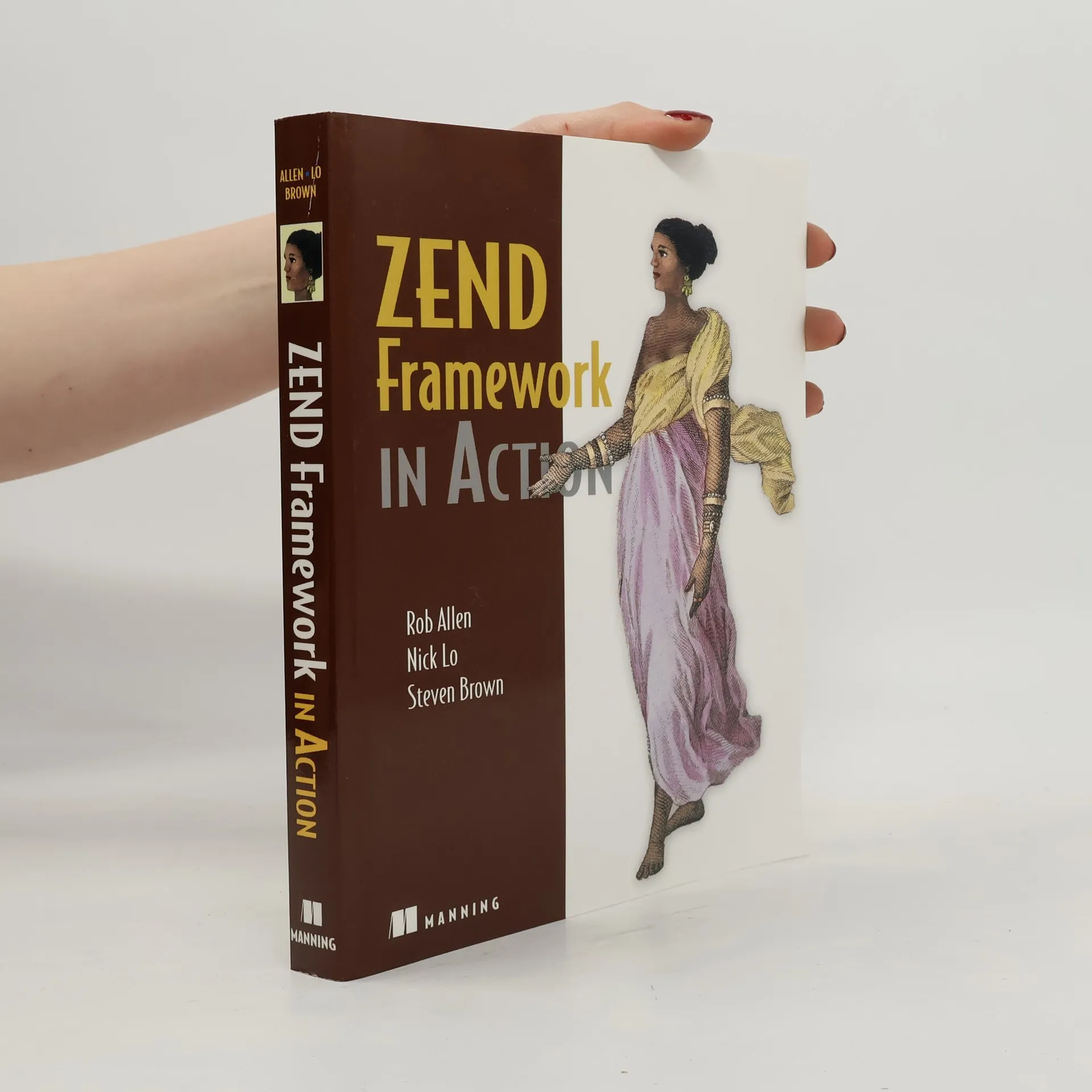
Zend Framework in Action
- 401 stránek
- 15 hodin čtení
From humble beginnings as a scripting language, PHP has become integral to servers and development environments worldwide, with millions of coders utilizing it daily. Building modern web applications in PHP requires tools that enhance development efficiency and code quality. Frameworks like Ruby-on-Rails and Django have gained popularity for this reason. For PHP developers, the Zend Framework presents a similar advantage, allowing them to leverage a powerful set of components to streamline the development process without leaving PHP. Launched in July 2007, the Zend Framework is supported by Zend Technologies, the force behind PHP. This comprehensive tutorial guides readers through using the Zend Framework to create web applications and services. It offers a detailed, hands-on approach to the framework's components while constructing a real-world application. Organized around essential web development techniques such as data handling, forms, and authentication, the book teaches how to incorporate interactive Ajax-driven features while maintaining security and performance. Aimed at competent PHP developers, it provides deeper insights beyond standard documentation, ensuring quick access to common web application development topics. The print version includes a free PDF, ePub, and Kindle eBook from Manning, along with all the book's code.
Synonymous with terror and destruction, for centuries the Black Hand has struck fear in the still hearts of Camarilla's vampires. What would the members of that august sect give to know the role the Black Hand has played in its own history?The Black Hand is far more powerful than the Camarilla or even the Sabbat suspect, and its role tonight is even more critical than ever. Learn the secrets behind this most secretive of groups.
Active Listening 1 Student's Book with Self-Study Audio CD - Second Edition
- 112 stránek
- 4 hodiny čtení
16 task-based units, each built around an engaging topic. Features various activities aimed at helping students build vocabulary, and listen-again activities provide additional skills practice. A full page of optional speaking activities with pronunciation practice is provided in each unit. Expansion units with authentic student interviews and rich cultural material. Suitable for self-study, building vocabulary, gaining cultural insight, and developing writing, reading, grammar, and listening skills.
Der kleine Schlaubär sagt Gott Danke
- 24 stránek
- 1 hodina čtení
„Warum dankst du Gott für die Beeren?“, fragt der kleine Schlaubär. Mama Bär erklärt es ihm, und schnell fällt ihm vieles ein, wofür er danken könnte. Doch wie? Durch die Geschichte des Gelähmten, den Petrus und Johannes heilten, zeigt Mama Bär ihm, wie vielfältig Dank sein kann.
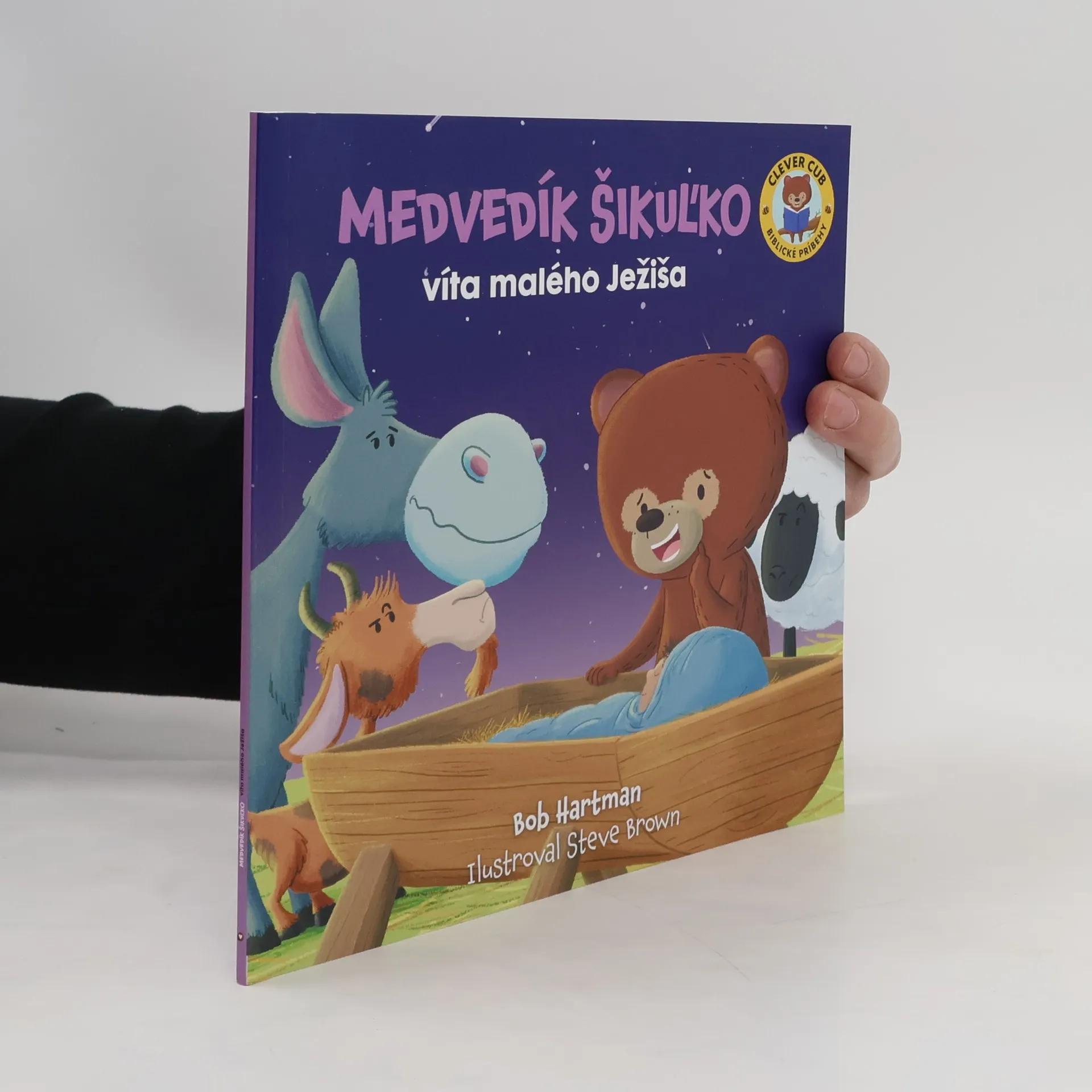
Der kleine Schlaubär und das Weihnachtswunder
- 24 stránek
- 1 hodina čtení
Neugierig betrachtet der kleine Schlaubär die Sterne. „Soll ich dir von einer besonderen Sternennacht erzählen?“, fragt Mama Bär. Begeistert lauscht er, als sie ihn in eine Nacht voller Wunder entführt – und die Weihnachtsgeschichte vor seinem inneren Auge lebendig wird.
Asiatisch
- 255 stránek
- 9 hodin čtení
Die junge Kochbuchreihe zum Sammeln, die wirklich Lust aufs Kochen macht: In „Kochlust“ machen klare Anleitungen und Step-by-Step-Fotos zu jedem Rezept das Kochen zum Kinderspiel. Die abwechslungsreichen Gerichte reichen vom beliebten Klassiker bis zu spannenden neuen Rezeptideen und begeistern Kochanfänger genauso wie geübte Hobbyköche. Dieser Band ist ein Muss für alle Fans der Asia-Küche. Rund 100 einfache und gleichzeitig raffinierte Rezepte für kleine Appetithappen, Suppen, Salate, Nudel- und Reisgerichte, Wokgerichte, Currys und Desserts bringen die würzigen Aromen Asiens in jede Küche.
Schlanke Küche
- 120 stránek
- 5 hodin čtení
13 Todsünden des Managers und wie man sie vermeidet
- 271 stránek
- 10 hodin čtení
Der kleine Schlaubär freut sich riesig. Mama Bär macht mit ihm und seinem Freund Puschel einen Ausflug ans Meer. Wow – ist das wunderschön! All das Wasser und die stürmischen Wellen und die fluffigen Wolken! Der kleine Schlaubär kommt aus dem Staunen gar nicht mehr heraus. Zumal Mama Bär ihm dann auch noch eine ganz besondere Wassergeschichte aus der Bibel erzählt – die, in der Jesus mitten im Sturm auf dem Wasser geht. Natürlich hat der kleine Schlaubär da jede Menge Fragen … Eine tiefgründige und lebensnahe Geschichte darüber, dass für den, der die ganze Welt geschaffen hat, nichts unmöglich ist. Für Kinder ab 3 Jahren.
Der kleine Schlaubär ist schon ganz aufgeregt. Bald hat er Geburtstag! Wen soll er nur alles einladen? Natürlich seine besten Freunde Puschel, das Kaninchen, und Hops, das Eichhörnchen. Aber soll er wirklich auch jemanden aus der neuen Stinktierfamilie einladen? Der kleine Schlaubär weiß nicht so recht – bis Mama ihm die Geschichte von Zachäus, dem Zöllner, erzählt. Eine warmherzige Geschichte über Nächstenliebe und Offenheit gegenüber Neuen. Für Kinder ab 3 Jahren.
Der kleine Schlaubär und der Mut zur Wahrheit
- 24 stránek
- 1 hodina čtení
Der kleine Schlaubär ist richtig wütend! Und er weiß nicht weiter. Sein Freund Hops ist sauer auf ihn, weil der kleine Schlaubär ihn angelogen hat. Dabei wollte er doch nur nett sein und Hops' Gefühle nicht verletzen! Zum Glück hat Mama Bär eine wunderbare Bibelgeschichte parat: die von der mutigen Esther. Und plötzlich versteht der kleine Schlaubär etwas ganz Wichtiges über Mut und Wahrheit ... Eine tiefgründige und lebensnahe Geschichte über Mut, Ehrlichkeit und echte Freundschaft. Für Kinder ab 3 Jahren.
Der kleine Schlaubär lernt, was Liebe ist
- 24 stránek
- 1 hodina čtení
»Ich hab dich lieb, Mama!«, sagt der kleine Schlaubär. »Ich hab dich auch lieb«, sagt Mama Bär und drückt den kleinen Schlaubären fest an sich. Dann erzählt sie ihm die wunderbare Geschichte von Mose: einem kleinen Baby, das ein großes Abenteuer erlebte. Sie erzählt von einer mutigen Mama, die ihr Kind so sehr liebte, dass sie es in einem Körbchen auf den Nil setzte, von einer tapferen großen Schwester, die gut auf ihren kleinen Bruder aufpasste, und von einer freundlichen Prinzessin mit einem riesengroßen Herzen ... Eine warmherzige Geschichte über Liebe, Mut und Menschen, die füreinander da sind. Für Kinder ab 3 Jahren.