

Peter Der Manuelian je profesorem egyptologie a ředitelem Harvardského semitského muzea. Jeho výzkum se zaměřuje na starověký Egypt, zejména na historii, archeologii a architekturu nekropole v Gíze. Zajímá se o propojení starověkého a moderního grafického designu a o využití nových technologií ve výzkumu a výuce, včetně elektronických nástrojů pro studium egyptských hieroglyfů.
In this comprehensive biography, Egyptologist Peter Der Manuelian explores the life and contributions of George Reisner, America's foremost archaeologist. The book highlights Reisner's significant influence while contextualizing his work amid themes of Western colonialism, racism, and nationalism.
We've all heard of pyramids, hieroglyphs and Cleopatra, but how much do you
really know about ancient Egypt? This book presents an insight into one of the
civilizations, where technological innovations and architectural wonders
emerge among mysterious gods and burial rites.
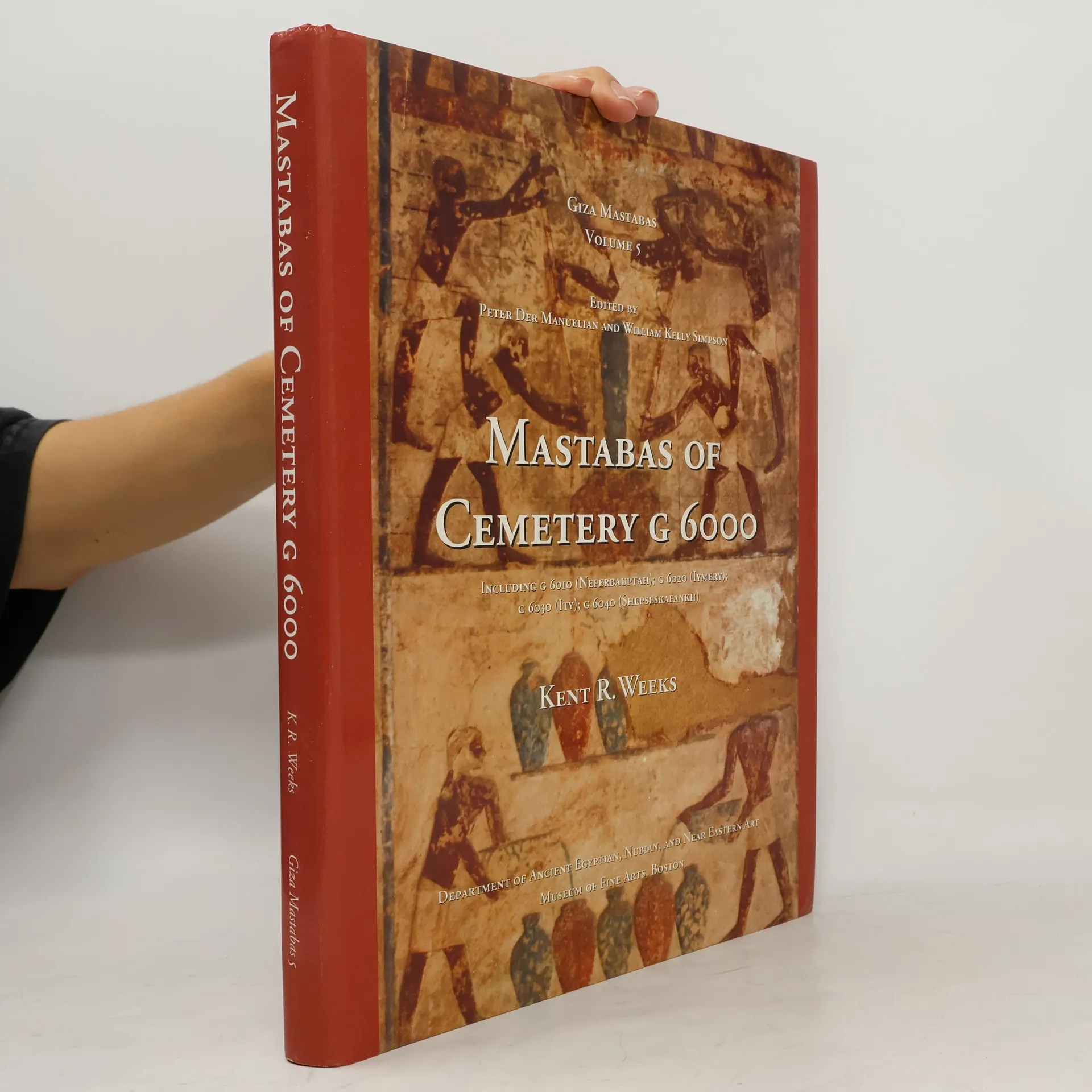
Including G 6010 (Neferbauptah); G 6020 (Imery); G 6030 (Ity); G 6040 (Shepseskafankh)
122 stránek
5 hodin čtení
The G 6000 section of the Old Kingdom Cemetery at Giza contains over sixty tombs, many of which were excavated by George Reisner in the 1920s and were subsequently re-investigated in the 1970s by the Boston Museum of Fine Arts. This publication collates the early investigations at the site with more recent study and presents an authoritative discussion of the architecture, relief decoration and treasures found within the tombs. The book focuses in particular on the tombs of Neferbauptah, Iymery, Ity and Shepseskafankh and the wonderful wall paintings and inscribed texts from them. Three chapters study the evidence for names, titles, careers and relationships and a further chapter looks at mortuary ceremonies. A superb book at a superb price!
Antik Ägypten hat 50 bedeutende ideelle und kulturelle Beiträge hinterlassen. Die Pyramiden, Hieroglyphen und Kleopatra sind bekannt, aber wie gut kennen Sie das Alte Ägypten wirklich? Wie kam es, dass das Niltal eine der fortschrittlichsten, widerstandsfähigsten und komplexesten Gesellschaften der Menschheitsgeschichte beherbergte? Wie schuf der Pharaonenstaat, der das wichtige Konzept der Monarchie beinhaltete, bürokratische Labyrinthe, die selbst heutige Bürokraten zum Schmunzeln bringen würden? Wie nahmen die Bauern, die nie einen Pharao oder die Hauptstadt zu Gesicht bekamen, dieses System an? Und was war das Geheimnis um das Grab von Königin Hetepheres? Was aßen und tranken die alten Ägypter?