Uloupená tvář
- 199 stránek
- 7 hodin čtení
Autentické svědectví mladé ženy seznamuje čtenáře s dosud málo známou každodenní realitou afghánských žen a se vztahem prostých Afghánců ke stoupencům Talibanu.


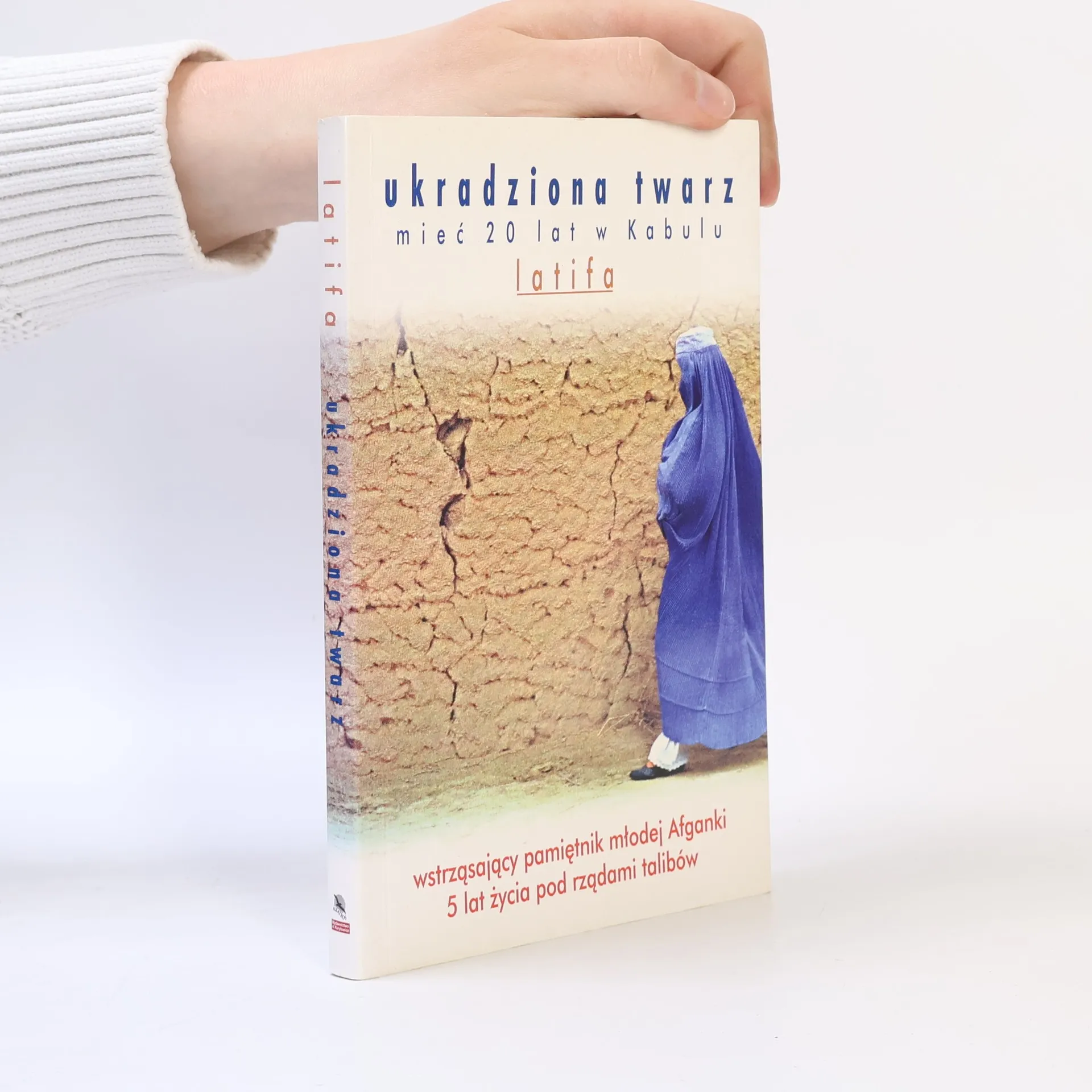
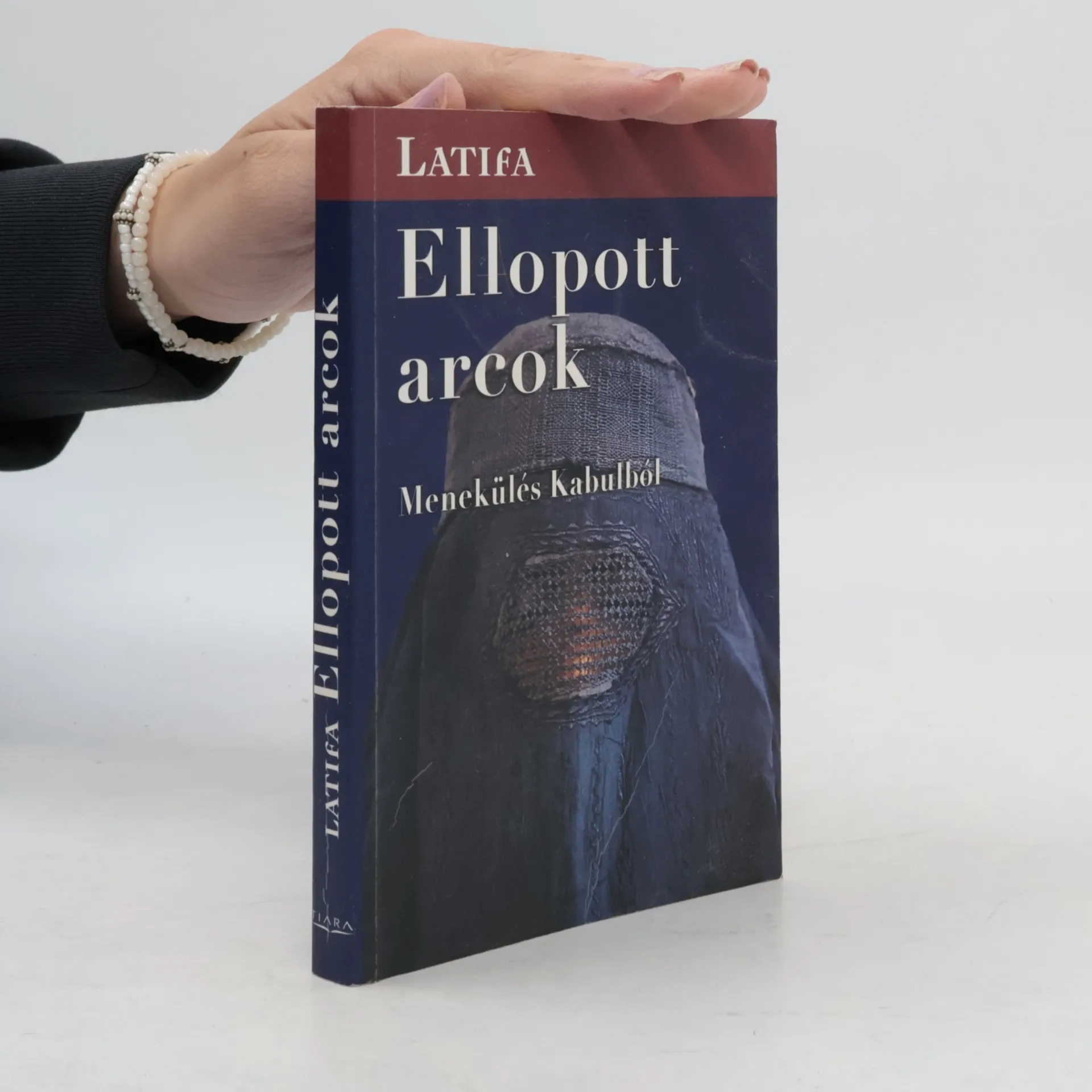
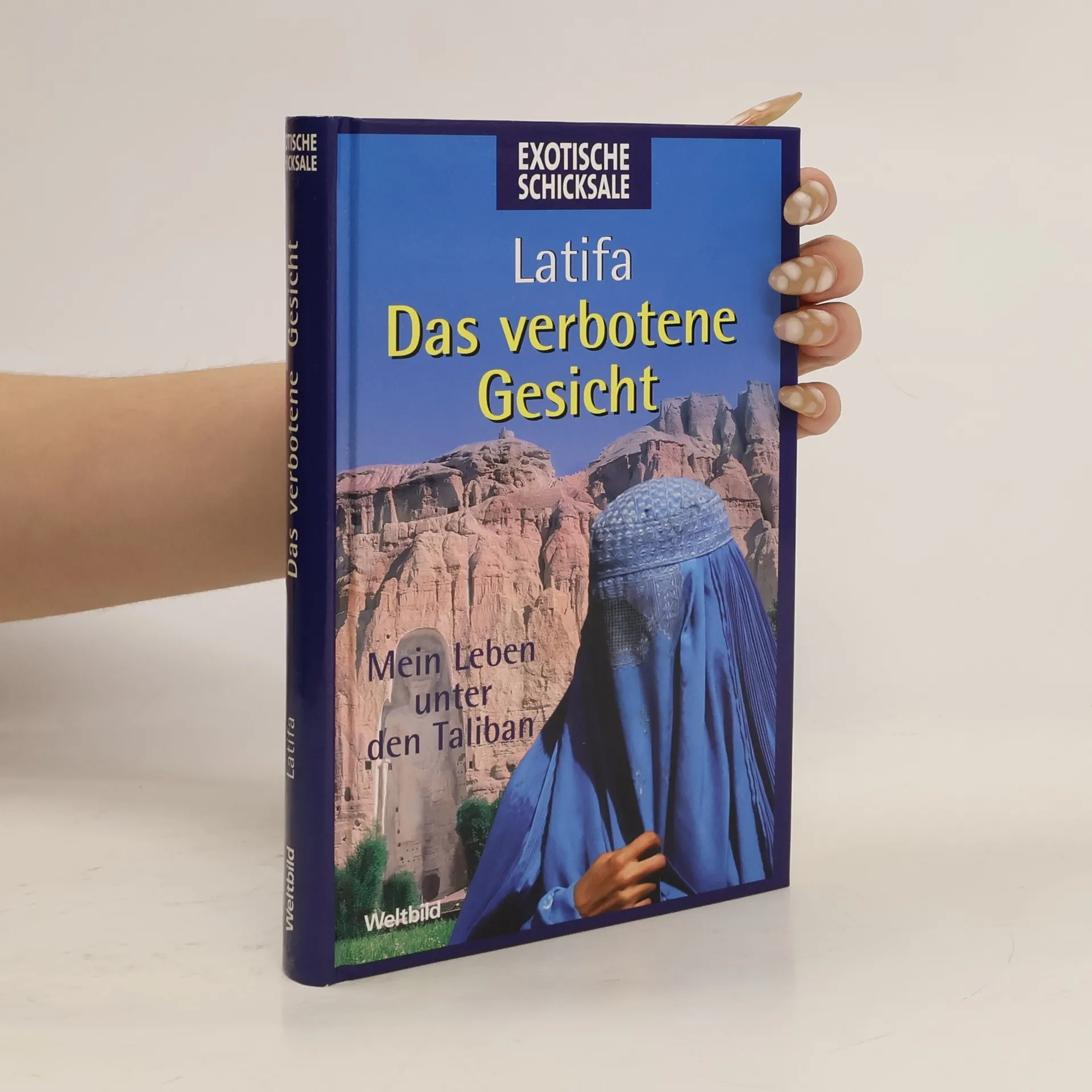
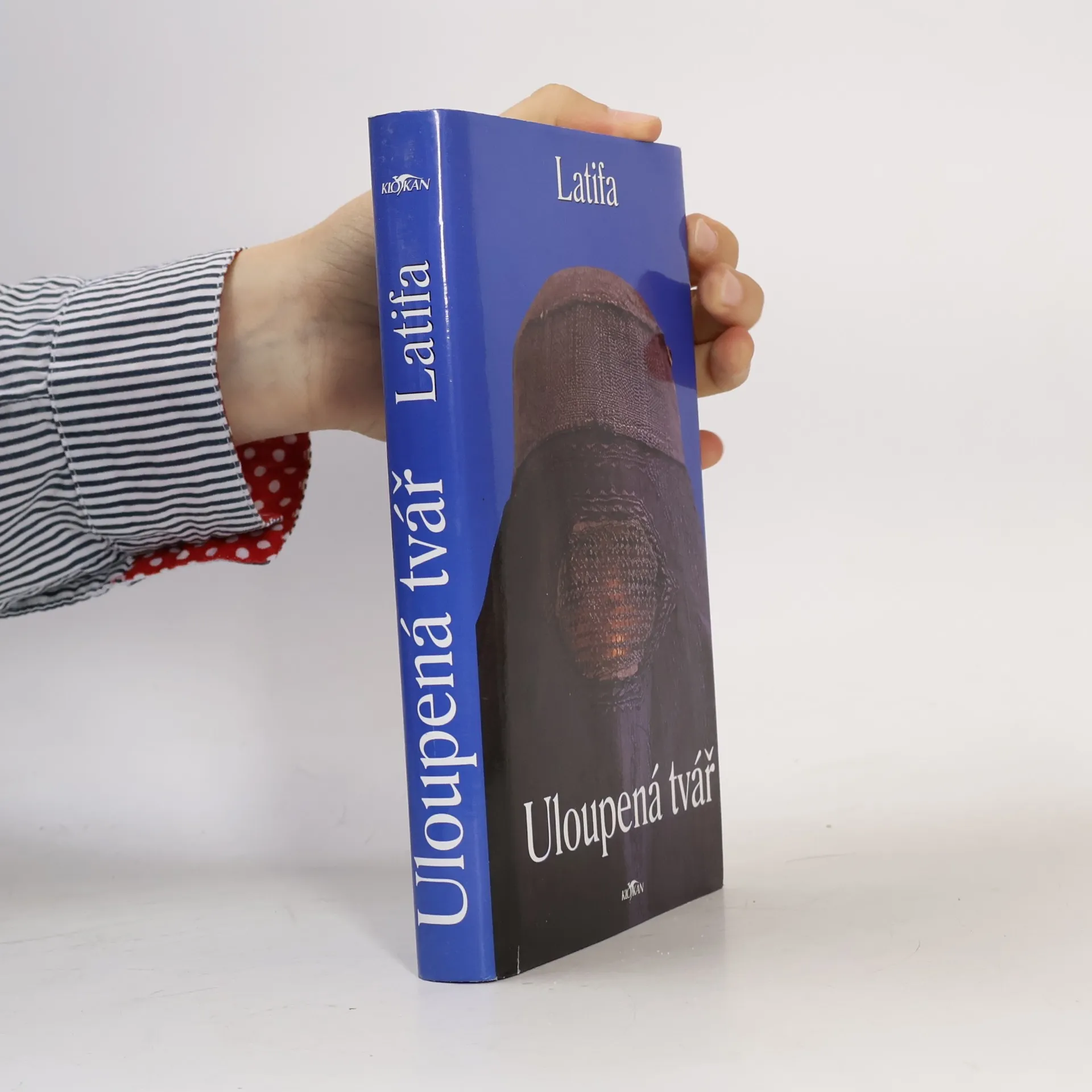
Autentické svědectví mladé ženy seznamuje čtenáře s dosud málo známou každodenní realitou afghánských žen a se vztahem prostých Afghánců ke stoupencům Talibanu.
An astonishing first-hand account of a young woman's life under the Taliban's tyranny. Born into a middle-class Afghan family in Kabul in 1980, Latifa enjoyed her teenage years filled with fashion, movies, music, and dreams of becoming a journalist. However, on September 26, 1996, Taliban soldiers seized power, transforming her vibrant life into one of confinement. Streets emptied, schools closed, and communication ceased. At just sixteen, Latifa became a prisoner in her own home, stripped of basic freedoms like walking alone or looking out the window. Forced to wear a chadri, she faced the harsh reality of fear—fear of violence against women that she witnessed in the streets. Amidst despair, Latifa took a bold step by establishing a secret school in her home for young girls, navigating the risks of detection while providing education that brought her purpose. In May 2001, she and her parents escaped to Europe through an operation organized by a French-based Afghan resistance group and Elle Magazine. This poignant narrative captures Latifa's world unraveling under fanaticism, replaced by terror and oppression. Collaborating with Chekeba Hachemi, the founder of Afghanistan Libre, Latifa shares her story while they both reside in Paris. This is her first book.
En septembre 1996, l'arrivée des Taliban à Kaboul bouleverse la vie de Latifa, 16 ans, et de sa famille. Les femmes sont privées de leurs droits fondamentaux du jour au lendemain. Un récit poignant et révélateur.
Latifa è nata a Kabul nel 1980. La sua è una famiglia della media borghesia afgana, colta e benestante. La sua più grande aspirazione di adolescente è quella di diventare giornalista e, come molte coetanee, dopo la scuola ama frequentare gli amici, leggere un libro, fare un po' di sport, andare al cinema. Poi, il 27 settembre 1996, la fine di tutto. La setta fondamentalista islamica dei talebani con un colpo di stato prende il potere. Improvvisamente, anche le cose più normali diventano proibite: cancellato il suo diritto a studiare, a lavorare, a uscire da sola. Umiliata e obbligata a vivere reclusa, Latifa inizia la sua piccola, disperata battaglia organizzando una scuola clandestina tra le mura di casa.
Le 27 septembre 1996, jour de l'entrée des talibans dans Kaboul, Latifa avait seize ans et des rêves pleins la tête. Elle avait hâte de grandir pour devenir journaliste. Malgré la guerre qui sévissait en Afghanistan depuis dix-sept années, elle était plutôt insouciante et heureuse de vivre. A partir de cette date, les écoles ont été fermées et, comme toutes les femmes, Latifa a été humiliée, insultée, obligée de porter le tchadri. Enfermée par un pouvoir monstrueux, elle a vu son existence confisquée. Latifa a fui son pays incognito avec une partie de sa famille. Ce livre est le récit de sa vie sous les taliban, de ses espoirs brisés mais aussi de son combat pour que les femmes afghanes retrouvent leur liberté et leur dignité.