Knihobot

Alexander von Vegesack

    Antibodies
    Airworld
    Le Corbusier
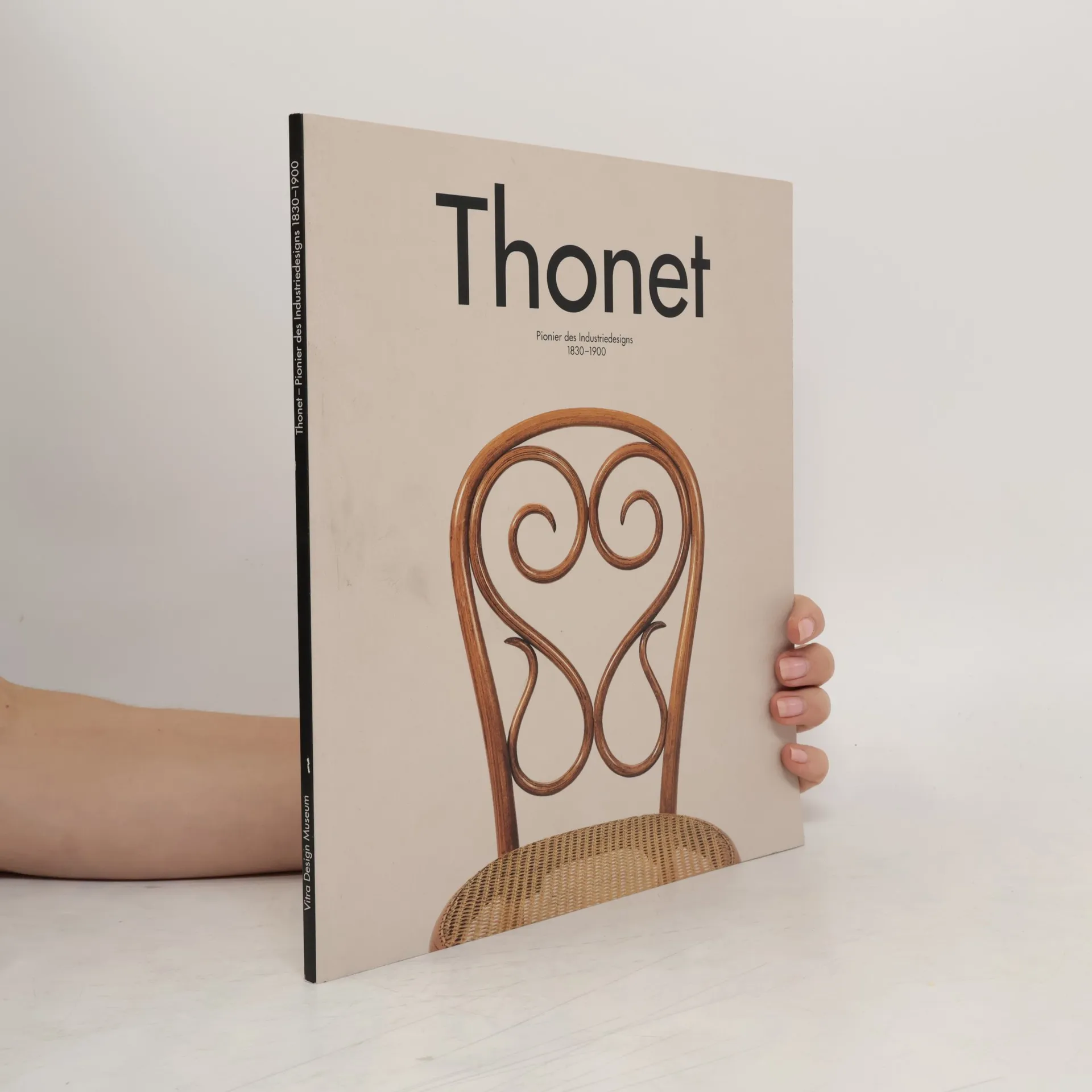
    Thonet
    Marcel Breuer, Design and architecture
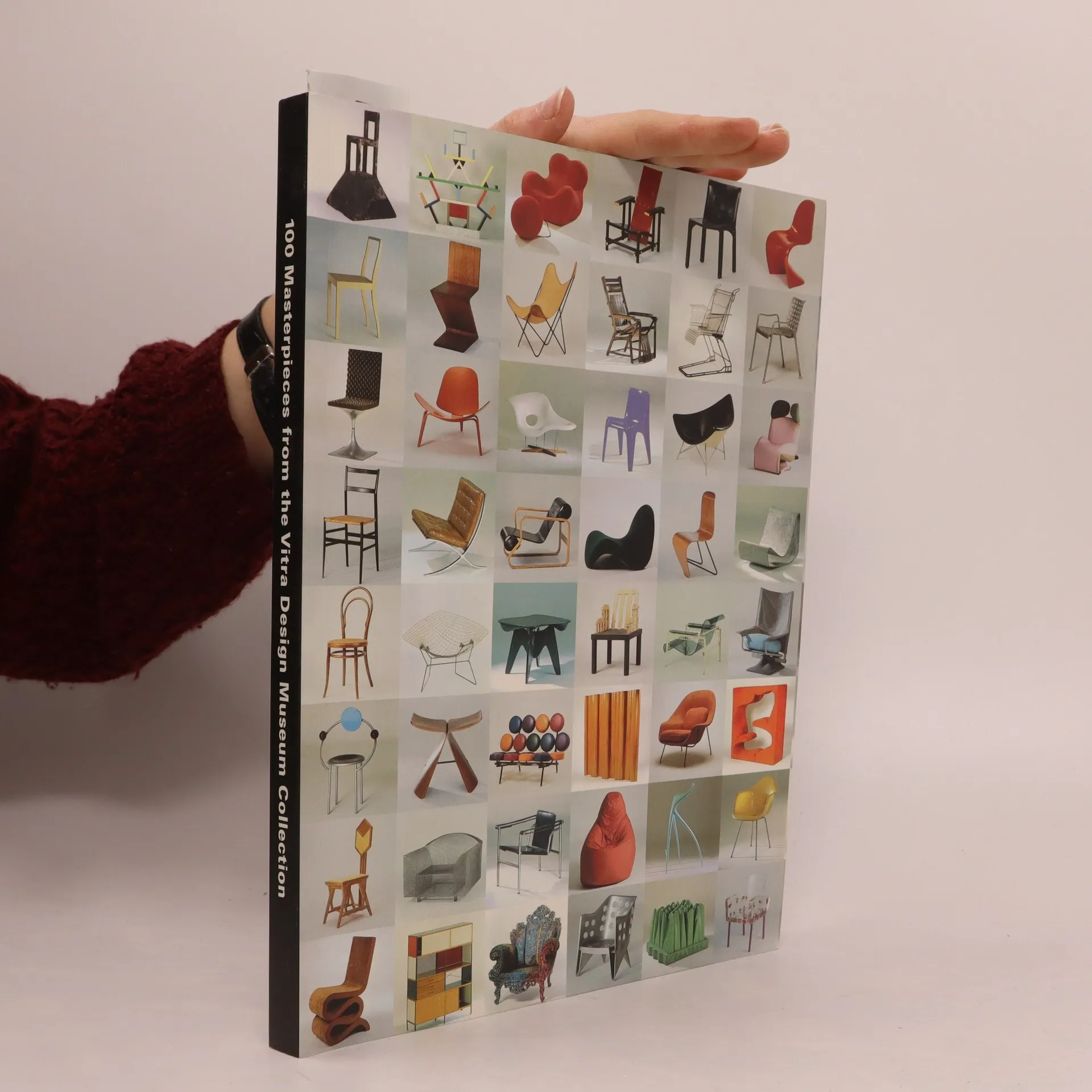
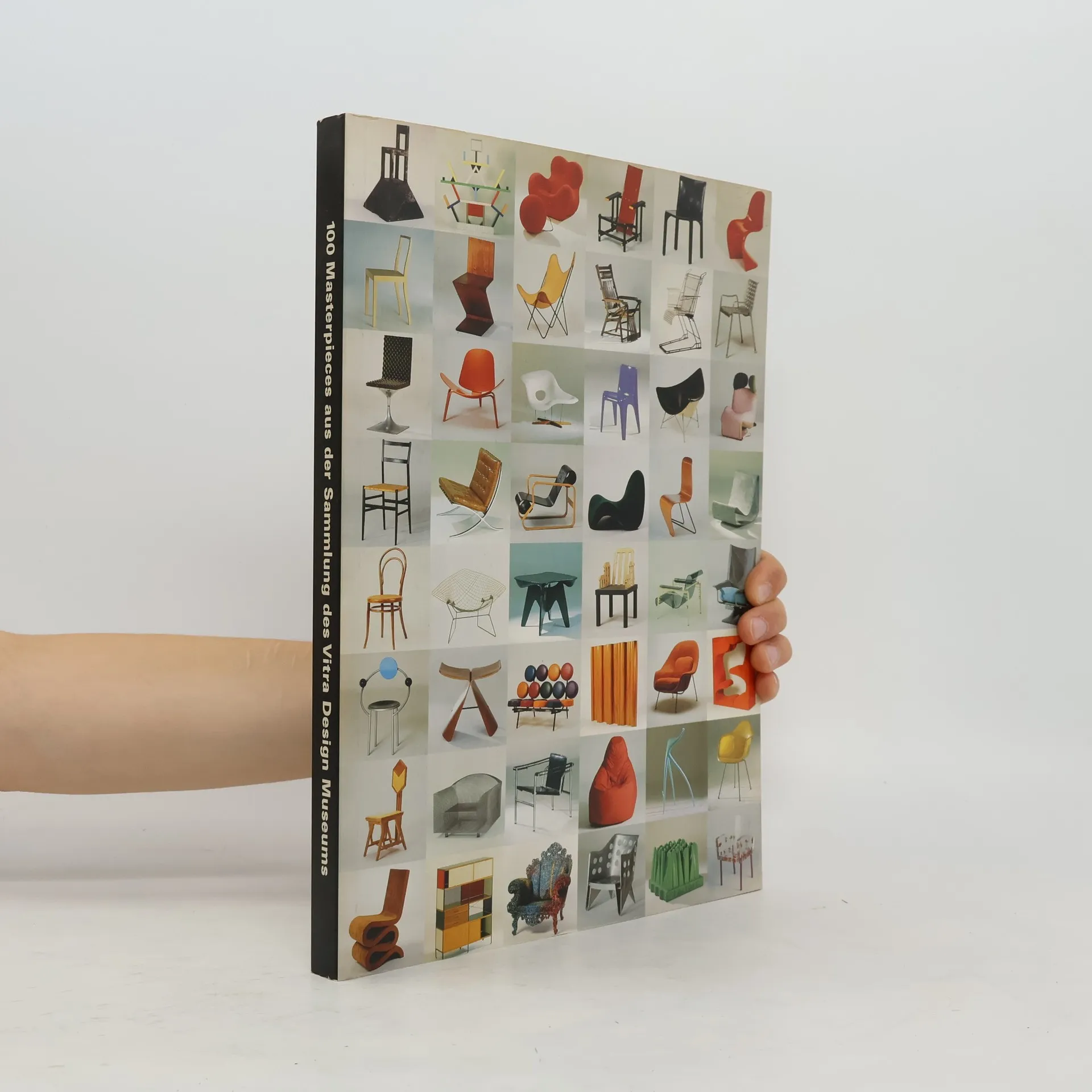
    100 masterpieces from the Vitra Design Museum collection
    • 2009

      Antibodies

      • 128 stránek
      • 5 hodin čtení

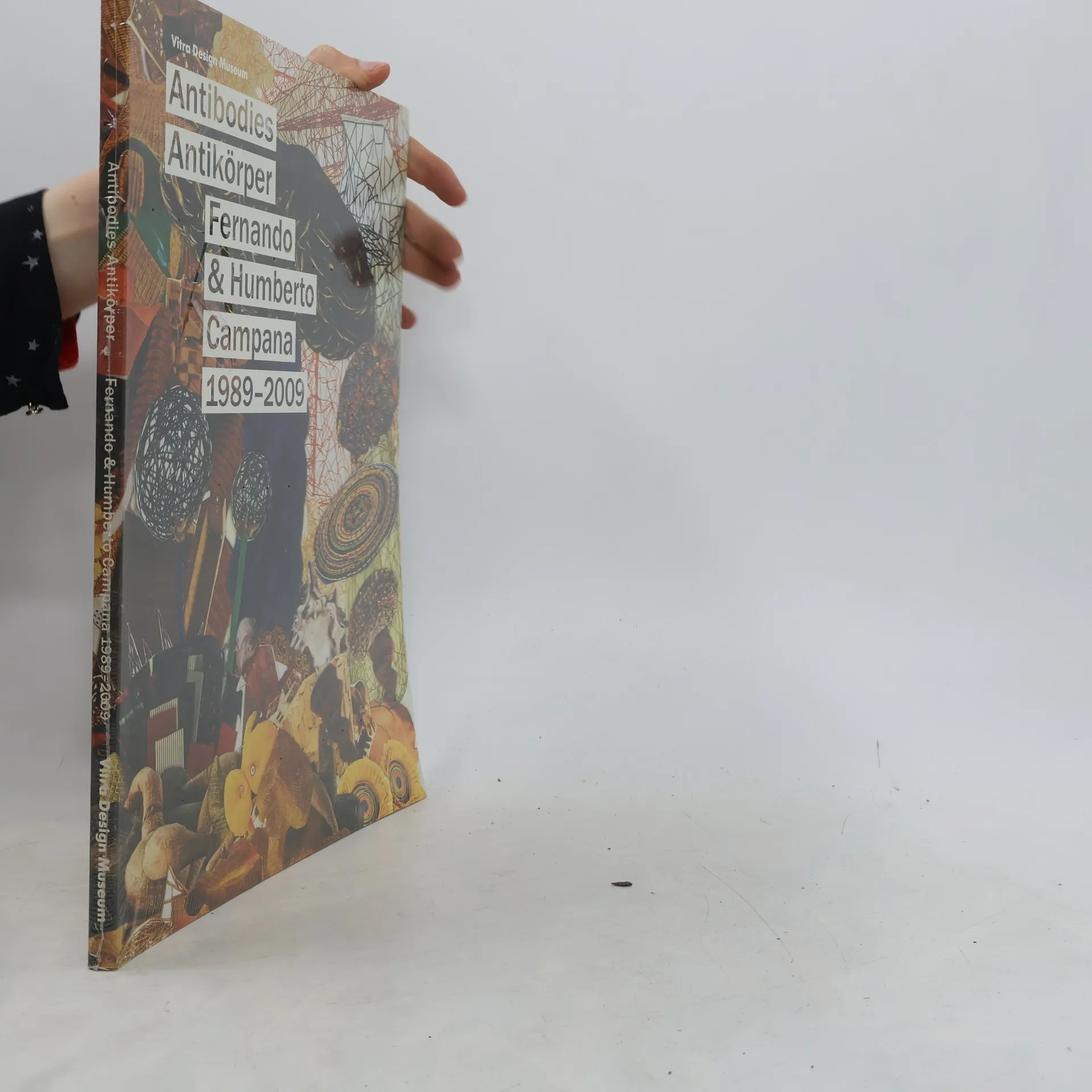
      In 1983, the Brazilian designers Fernando and Humberto Campana began to develop furniture made with everyday materials such as cardboard, rope, fabric and wood scraps, plastic tubes and aluminum wire. By the early 1990s their often controversial designs had won champions across the world, especially in the U. S., where they became the first Brazilian designers to exhibit at The Museum of Modern Art in New York. This survey of their work contains illustrated articles by international authors. Maria Helena Estrada, design critic and publisher in Sao Paulo, writes a biographical essay on the brothers; Mathias Schwartz-Clauss provides an interpretation of their work of the past 20 years; Massimo Morozzi, artistic director of Edra, offers an account of the Campanas' collaboration with his company; Adelia Borges, writer, curator and teacher in the field of design, describes current-day popular culture in Brazil; finally, Fernando and Humberto Campana contribute nine collages that play with the documentation of their exhibitions. The catalogue's third section groups all exhibits by concept, reproducing them in full color and providing technical details as well as extended captions.

      Antibodies
    • 2007

      Le Corbusier

      • 398 stránek
      • 14 hodin čtení
      4,2(11)Ohodnotit

      As a key figure in twentieth-century architecture, Le Corbusier had a major influence on the cultural life of his time. The publication “Le Corbusier – The Art of Architecture” presents an overview of his oeuvre, which included not only architectural projects, interior design and furniture but also paintings, textiles, sculptures, drawings and books. Detailed essays of well-known Le Corbusier experts examine outstanding aspects in Le Corbusiers work such as the relation of sculpture and architecture, his work as an interior designer, his fascination with new media and the technical object or his life-long interest in the Orient. A richly illustrated biography is showing the huge creative output of a career of more than 60 years. Based on the latest research results, and on a rich choice of previously unpublished material, this book is a comprehensive introduction to Le Corbusier’s work and influences, but also offers new discoveries for the many people already familiar with the work of this “Architect of the Century”. The publication is accompanying the first major Le Corbusier retrospective in more than 20 years. It includes texts by Stanislaus von Moos, Jean-Louis Cohen, Arthur Rüegg, Beatriz Colomina, Mateo Kries and others.

      Le Corbusier
    • 2006

      The miniaturisation and networking of computer processors, along with the digitalisation and wireless transmission of data, are creating new possibilities for domestic environments. This exhibition catalogue presents visionary architectural responses to the implications of these advancements on residential architecture, featuring emerging firms from the USA, Mexico, England, France, Germany, Korea, Japan, and Australia. Curator Susanne Jaschko introduces the designs within the broader context of contemporary architecture trends. Six additional essays explore the impact of new technologies on home life and architecture. Jochen Eisenbrand identifies the origins and current developments of "Intelligent Buildings" and "Intelligent Houses." Sociologist Hartmut Häusermann examines the evolution of modern living, while architectural historian Beatriz Colomina reflects on past visions of future homes. Futurologist Bruce Sterling offers insights into future living from today's perspective, and Dana Hutt presents interviews with renowned architects on "Future Living." Christiane Sauer discusses innovative materials shaping architecture. The catalogue also includes an empirical section with visually appealing data on demographic and technological trends that will influence future living environments, along with a small encyclopaedia detailing key technologies for upcoming architectural advancements.

      Open house
    • 2006

      Jean Prouvé. Die Poetik des technischen Objekts. Jean Prouvé ist, aufgrund seiner Erforschung des technischen Denkens und der Objekte, die aus dieser Beschäftigung hervorgegangen sind, eine der großen Gestalten in Architektur und Design des 20. Jahrhunderts. Die vorliegende Neuerscheinung ist seinem planerischen und technischen Denken gewidmet. Von Anfang an verfolgte Jean Prouvé, zuerst als Eisenhändler, dann, in der großen Zeit der Ateliers von Maxéville, als Industrieller, später bei der CIMT und als beratender Ingenieur, konsequent das Projekt einer Konstruktion „durch die Industrie“ wie er es selbst im Titel seines Buchs Une architecture par l’industrie (Eine Architektur durch die Industrie) ausgedrückt hat. Der Band vermittelt einen Überblick über seine technischen Vorstellungen, sein Handwerkszeug und die von ihm eingesetzten Produktionsstrukturen, seine Zusammenarbeit mit Architekten und Ingenieuren sowie die für ihn charakteristischsten Projekte: Möbel, Gebäude und Konstruktionssysteme. Prouvés Welt wird hier nicht nur von den zweiundvierzig Autoren des Bandes erforscht, sondern ist auch in eigenen Texten Prouvés und Aufzeichnungen für seine Vorträge am CNAM, dem Conservatoire national des arts et métiers, gegenwärtig.

      Jean Prouvé
    • 2004

      Airworld

      • 288 stránek
      • 11 hodin čtení
      3,8(4)Ohodnotit

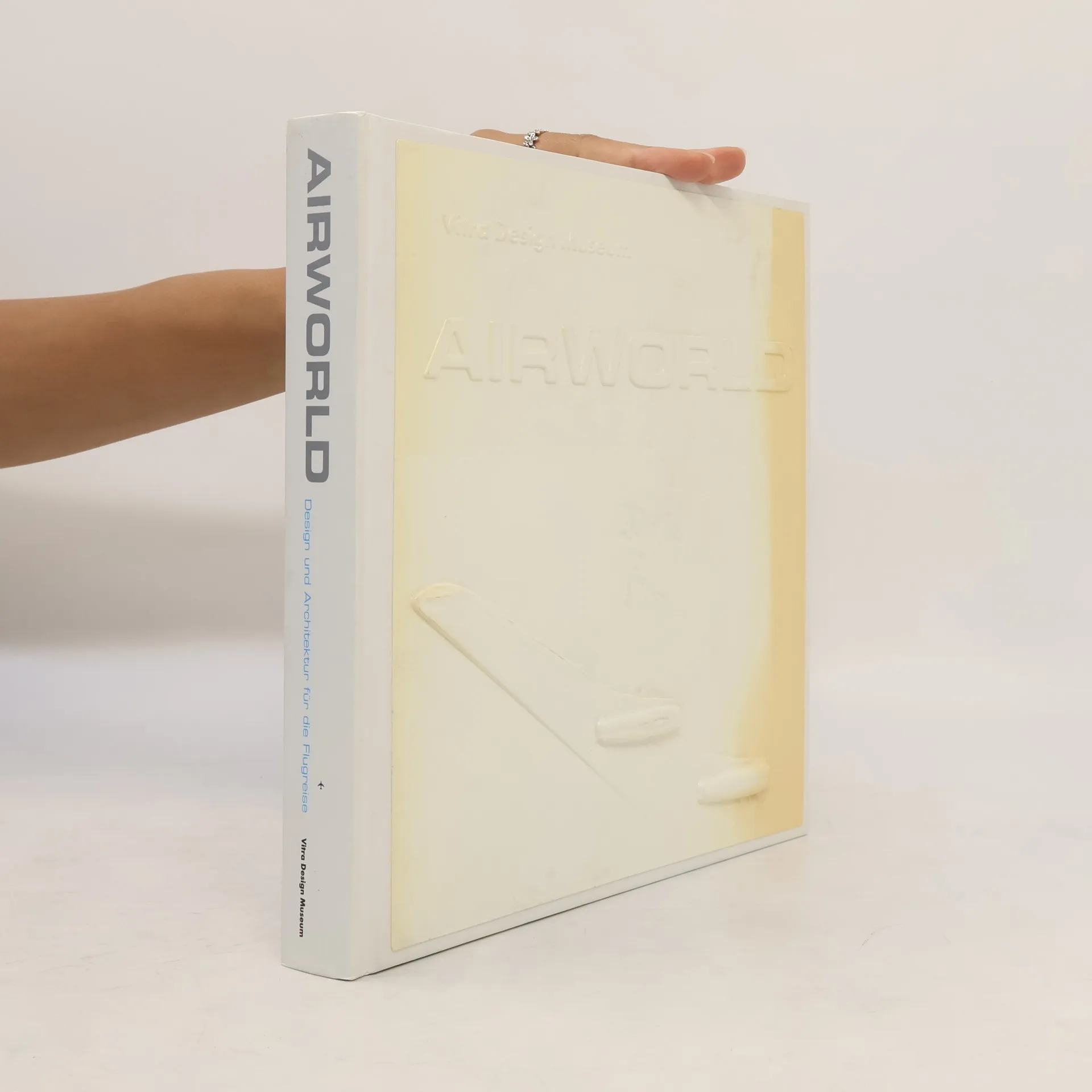
      Over the past century, no means of transportation has been so profoundly developed and transformed as the aeroplane. Within a mere eight decades--since the first regular airline flights in 1919--flying has gone from being the adventurous, exclusive pleasure of a select few to a mass phenomenon. Civilian air travel has not only created its own technical standards, but also produced its own aesthetic: cabin interiors, airport architecture, airline corporate design, flight attendant uniforms, and tableware. With many illustrations and archival materials that have never before been presented to the public, this book is dedicated to this 'airworld' and the designers, architects, graphic artists and fashion designers that created it. Nine richly illustrated essays explore the history of air travel from the perspective of design and architectural history, thus offering a unique source for those interested in design as well as those with a passion for the history of air travel. As Andy Warhol put it: "Airplanes and airports have my favorite kind of food service, my favorite kinds of entertainment, my favorite graphics and colors, the best security checks, the best views, the best employees and the best optimism."

      Airworld
    • 2003

      Automobility

      • 554 stránek
      • 20 hodin čtení

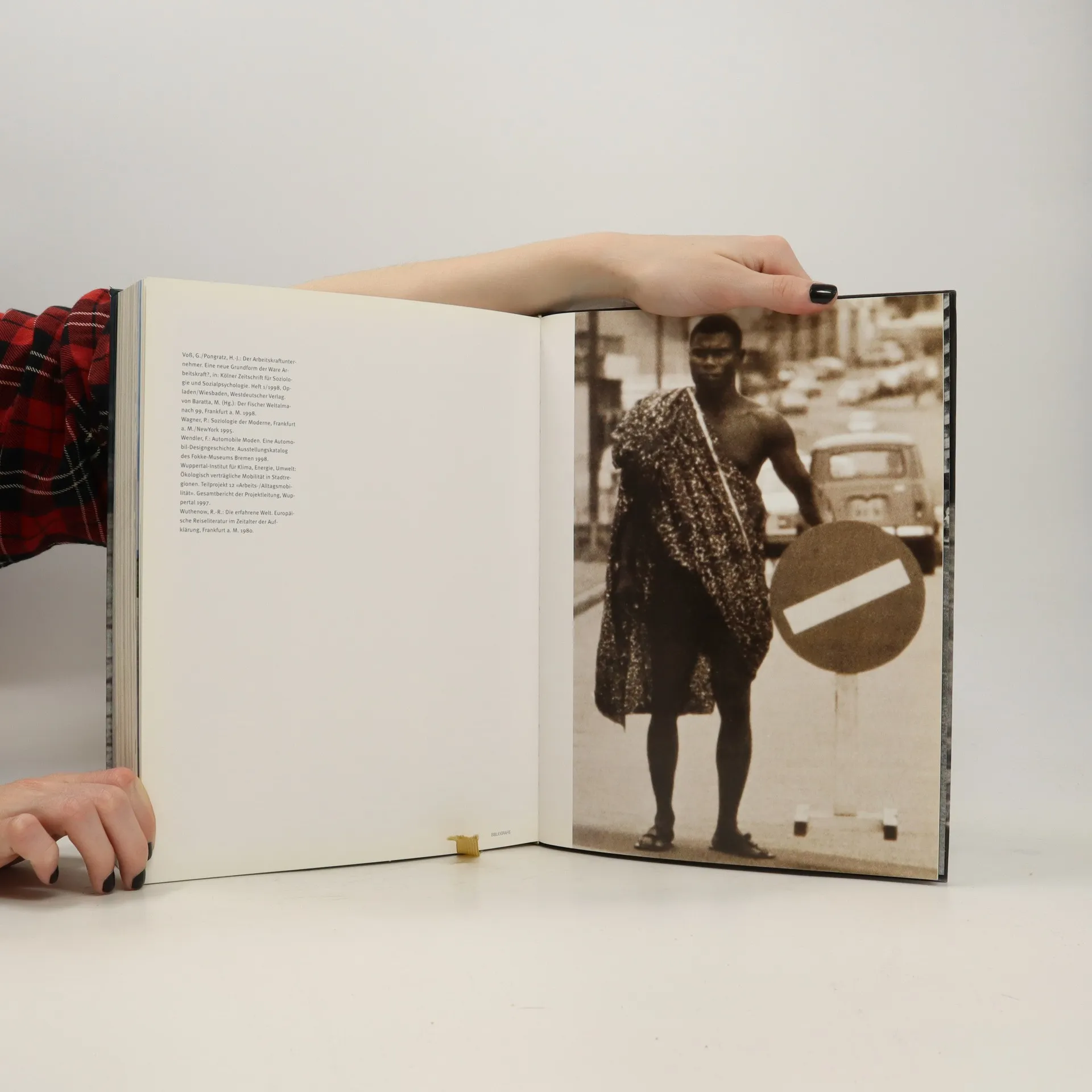
      Most people spend more time with their cars than their spouses or children. With an artistic sensibility, Automobility examines the past, present, and future of the car, the modern invention that brings us together and literally drives us apart. The text of this mammoth publication is in German, but anyone can understand, learn from and laugh at the avalanche of curious imagery in this book. Over 600 mostly large format color reproductions, German Text Only.

      Automobility
    • 2003

      „Leben unter dem Halbmond“ gibt einen umfassenden Überblick über die Wohnkulturen der arabischen Welt - von den Nomadenzelten der Tuareg und der Beduinen über marokkanische Kasbahs, prächtige Hofhäuser in Städten wie Marrakesch, Damaskus oder Kairo bis hin zu Gebäuden des 20. Jahrhunderts von Architekten wie Hassan Fathy oder Elie Mouyal. Textbeiträge und zahlreiche opulente Abbildungen der bekanntesten Orient-Fotografen erläutern funktionale und faszinierende Beispiele von Wohnarchitektur und Wohninterieurs ebenso wie Lösungen für tägliche Abläufe und Alltagsobjekte. Mit Beiträgen von Stefano Bianca, Sébastien Boulay, Mateo Kries, Annegret Nippa, Karin Pütt und Eugen Wirth sowie Fotos von Deidi von Schaewen, Bruno Barbey, Thierry Mauger, Pascal & Maria Maréchaux u. a. Das Buch enthält einen umfangreichen Katalogteil.

      Leben unter dem Halbmond
    • 2003

      Marcel Breuer, Design and architecture

      • 448 stránek
      • 16 hodin čtení
      4,4(6)Ohodnotit

      The designer and architect Marcel Breuer (1902-1981) numbers among the most important and prolific designers of the twentieth century. While today he is best known for his furniture, he regarded himself first and foremost as an architect. The tubular steel pieces created by Breuer during his tenure at the Bauhaus such as the Wassily armchair and also the aluminum and molded plywood pieces from the 1930s must be counted among the great classics of modernism. In the thirties, Breuer began a second, highly successful career as an architect. In the postwar era he was one of the most influential und internationally renowned architects of his time. The retrospective produced by the Vitra Design Museum pays tribute to Breuer’s well-known contributions to 20th century design history. Yet it also brings renewed attention to his architectural works which have fallen somewhat into oblivion in the past decades. This catalogue is the first to give proper attention to both areas of Marcel Breuer’s work. “Marcel Breuer – Design and Architecture”, includes essays by several renowned experts on Marcel Breuer, such as Joachim Driller, Isabelle Hyman, Otakar Máčel and Barry Bergdoll. In addition to these and several other essays, the catalogue includes texts by Marcel Breuer and personal accounts by I. M. Pei and Robert F. Gatje, a former partner of Breuer.

      Marcel Breuer, Design and architecture
    • 2003

      Design Berlin

      • 80 stránek
      • 3 hodiny čtení

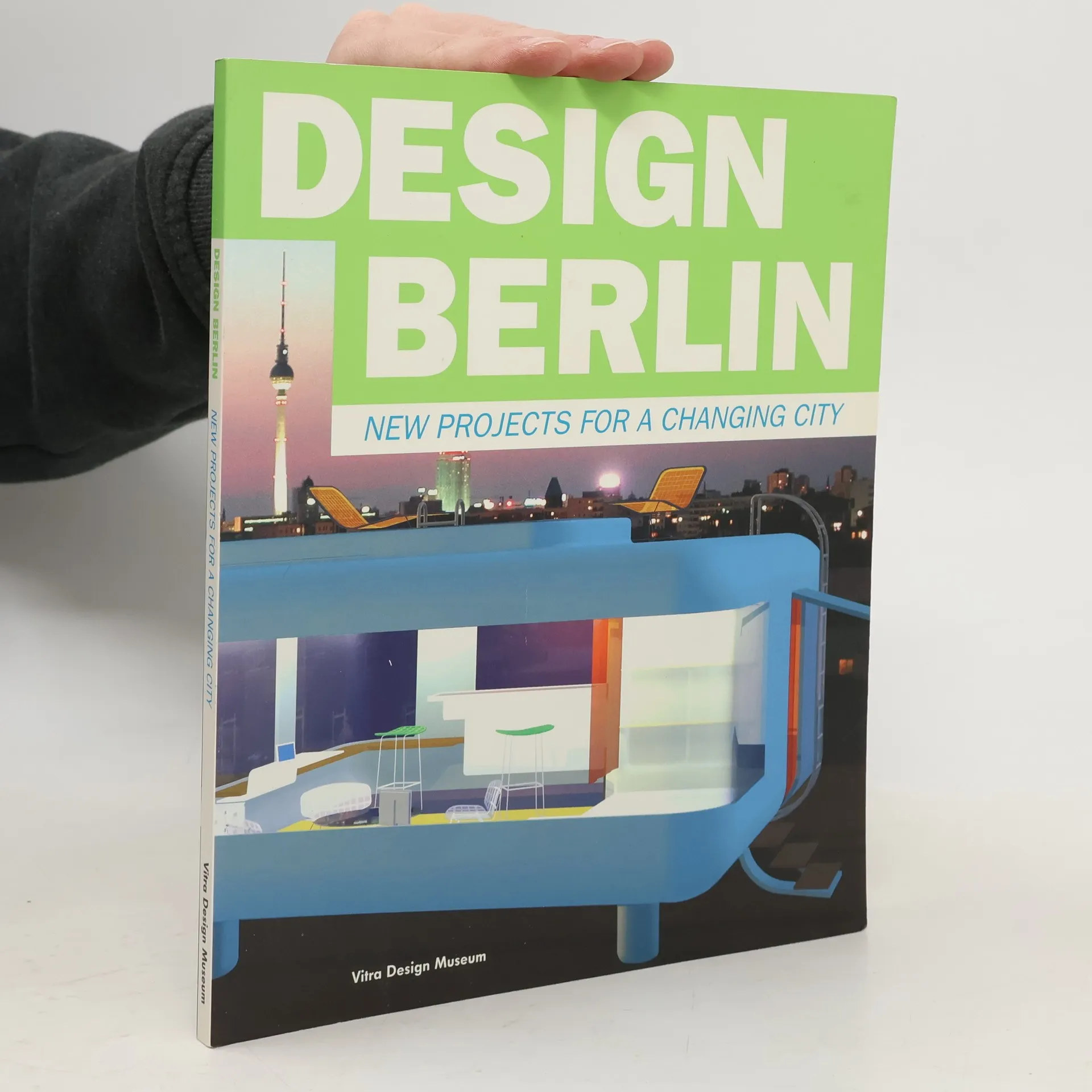
      Über ein Jahrzehnt nach der Wiedervereinigung ist die Berliner Kreativszene von Ideenreichtum, Unkonventionalität und Internationalität geprägt. Die internationale Wanderausstellung “Design Berlin! New Projects for a Changing City” und die dazugehörige Publikation stellen die innovativsten jungen Berliner Designer und Architekten anhand ihrer wichtigsten Projekte vor. Präsentiert werden sowohl international anerkannte Gestalter wie Werner Aisslinger oder Vogt+Weizenegger, die für große Industriekunden arbeiten, als auch Querdenker, wie realities united oder die wunschforscher, die meist in Eigenregie Projekte entwickeln, die sich mit der Stadt Berlin oder ihrer persönlichen Lebenssituation auseinandersetzen. In der Architektur sind die jungen Berliner Büros mit interessanten Lösungen für Baulücken, Mauerstreifen und Berlins Wassergebiete abseits der großen Prestigeprojekte am Potsdamer Platz, der Friedrichsstr. und dem neuen Regierungsviertel vertreten. Die Projekte zusammen ergeben eine lebendige und umfassende Bestandsaufnahme von Berlins Kreativszene im zweiten Jahrzehnt nach dem Mauerfall. Dabei sind es gerade die unkonventionellen und provokanten Projekte mit ihren Wurzeln in Berlins Subkultur und Clubszene, die die Stadt heute zu einem der weltweit vitalsten und interessantesten Orte für Designer und Architekten machen.

      Design Berlin
    • 2001

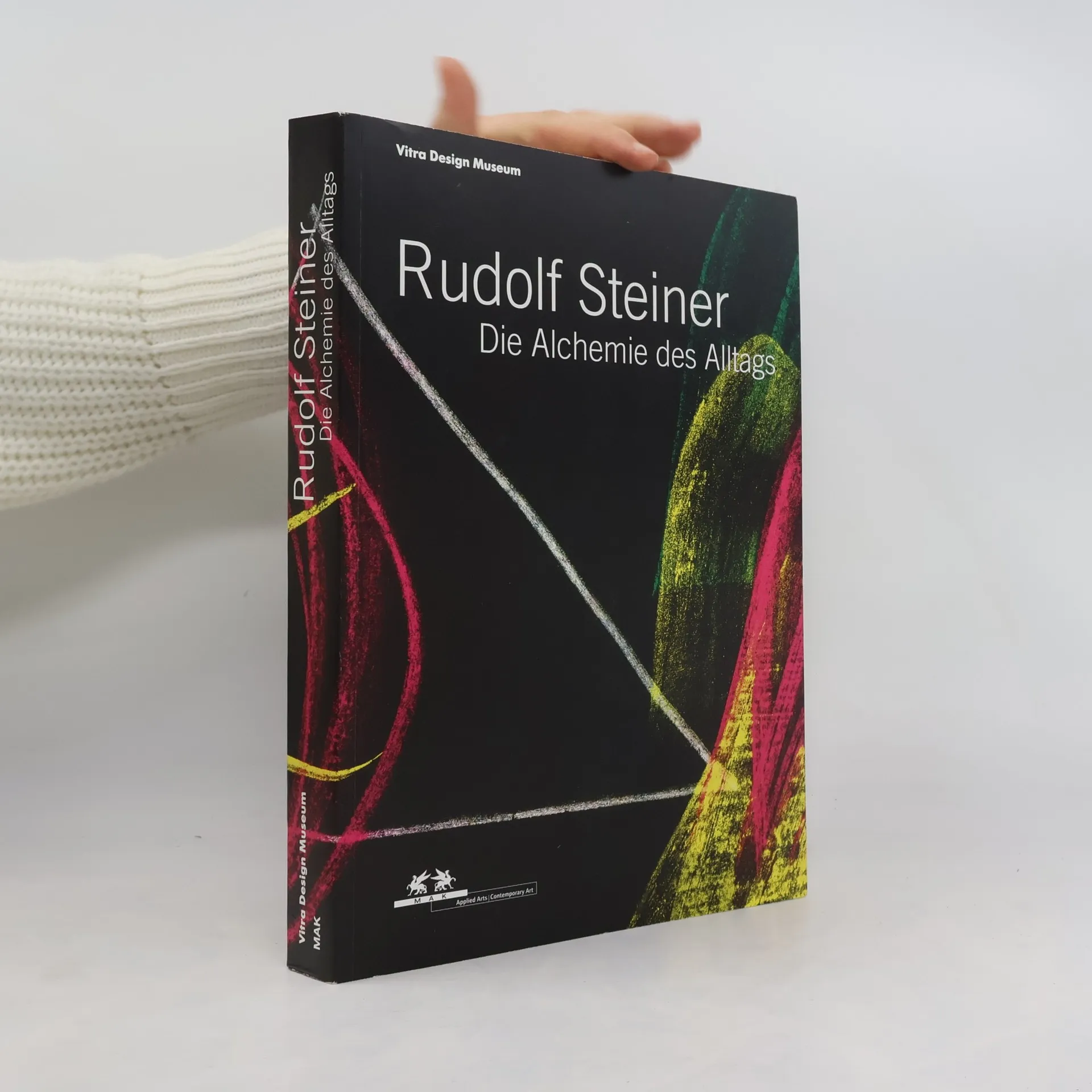
      Rudolf Steiner war ein bedeutender Reformer des 20. Jahrhunderts, der die Waldorf-Schulen begründete und der alternativen Landwirtschaft sowie Medizin entscheidende Impulse gab. Sein architektonisches Hauptwerk, das Goetheanum in Dornach, gilt als Schlüsselwerk der frühen Moderne, da hier Beton skulptural in nie dagewesener Dimension eingesetzt wurde. Steiner beeinflusste Künstler wie Piet Mondrian, Wassily Kandinsky und Joseph Beuys, und auch zeitgenössische Künstler wie Olafur Eliasson und Tony Cragg schöpfen Inspiration aus seinem Werk. Die Publikation bietet erstmals eine umfassende Übersicht über Steiners gestalterisches Schaffen und beleuchtet seine historischen Wurzeln sowie seine Wirkungsgeschichte. Mehrere Essays namhafter Autoren untersuchen Steiners Phänomen aus verschiedenen Perspektiven, einschließlich seines Zeitkontexts, der Verbindung von Natur- und Geisteswissenschaft, seiner Architektur, seines Designs und seines Einflusses auf die zeitgenössische Kunst. Ein umfangreicher Katalogteil präsentiert bedeutende Werke Steiners im Vergleich zu Zeitgenossen und aktuellen Künstlern. Eine bebilderte Biografie rundet die Publikation ab, die darauf abzielt, eine zentrale Figur des 20. Jahrhunderts einem breiten Publikum wieder näherzubringen.

      Rudolf Steiner. Die Alchemie des Alltags