Ronald Wright je kanadský autor, který píše o cestování, historii a beletrii. Jeho naučná literatura zahrnuje bestseller Stolen Continents, který získal cenu Gordon Montador Award a byl vybrán jako kniha roku několika britskými deníky. Jeho debutový román A Scientific Romance získal cenu David Higham Prize for Fiction a byl označen za knihu roku v několika významných novinách.
Europe's discovery and conquest of the Americas is told as a great saga of achievement from the European point of view. This book tells the Indians' story, one of plague and invasion that crippled great civilizations and killed one fifth of the human race.
Henderson is a man of empire. He has seen the world ebb and flow. When he dies, he leaves behind a treasure trove of objects. To his grand-daughter Liv, he has always been a shadowy figure, until she discovers his diaries.
Inspiring a documentary featuring Margaret Atwood, Stephen Hawking and Jane
Goodall, A Short History of Progress examines the downside of human
advancement
The author recounts his travels through the two worlds of Peru--from the remains of the Inca Empire to the emerging modern nation of economic and social pressures
Each time history repeats itself, the cost goes up. The twentieth century—a time of unprecedented progress—has produced a tremendous strain on the very elements that comprise life itself. This raises the key question of the twenty-first century: How much longer can this go on? With wit and erudition, Ronald Wright lays out a convincing case that history has always provided an answer, whether we care to notice or not. From Neanderthal man to the Sumerians to the Roman Empire, A Short History of Progress dissects the cyclical nature of humanity's development and demise, the 10,000-year old experiment that we've unleashed but have yet to control. It is Wright's contention that only by understanding and ultimately breaking from the patterns of progress and disaster that humanity has repeated around the world since the Stone Age can we avoid the onset of a new Dark Age. Wright illustrates how various cultures throughout history have literally manufactured their own end by producing an overabundance of innovation and stripping bare the very elements that allowed them to initially advance. Wright's book is brilliant; a fascinating rumination on the hubris at the heart of human development and the pitfalls we still may have time to avoid.
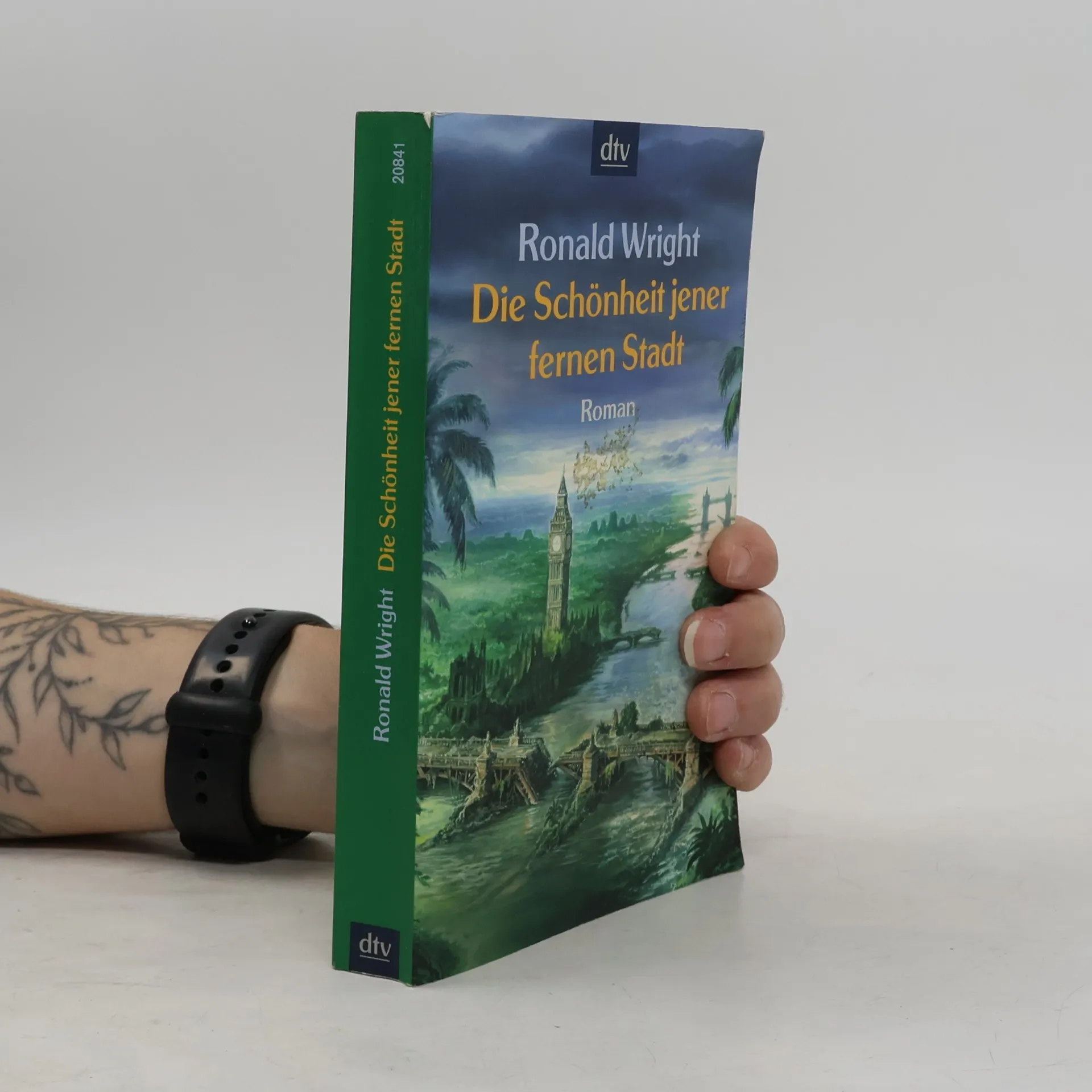
»Eine spannende, romantische Hommage an die klassischen Zukunftsromane, ein zeitkritisches Abenteuer, bemerkenswert klug und elegant.« Frankenpost London, kurz vor der Jahrtausendwende. Dr. David Lambert, erhält die Nachricht, daß H. G. Wells’ berühmte Zeitmaschine zurückkehrt. Die Reise führt ihn ins London des Jahres 2500. Die Stadt ist von tropischem Dschungel überwuchert, Tukane und Pumas hausen in den Ruinen, in der Themse tummeln sich Piranhas und Haie, die Stadt ist menschenleer. Was ist geschehen? Der Archäologe Lambert sammelt unter dem Schutt der Ruinen Puzzlestein für Puzzlestein, und er beginnt zu ahnen, wie die menschliche Zivilisation einst unterging ... »Wright läßt die Klischees der gängigen Katrastrophen-SF hinter sich. Die Antwort ist viel banaler, deshalb aber nicht weniger erschreckend. Denn die Saat für die Ernte des Jahres 2500 liegt 1999, beim Abflug des Zeitreisenden, schon lange im Boden ...« (Matthias Kringe in ›TV-Highlights‹)