Výbor z díla alžbětinského básníka Johna Donna v překladu Zdeňka Hrona.
John Donne Knihy
1. leden 1572 – 31. březen 1631
John Donne byl anglický básník a kazatel, klíčový představitel metafyzické poezie. Jeho díla vynikají realistickým a smyslným stylem, s mistrovským využíváním jazyka a vynalézavými metafory. Donnellyho verše se vyznačují vitalitou a originalitou, čímž se odlišují od dobových autorů. Ve své tvorbě se věnoval milostné i náboženské poezii, sonetům, satirám a kázáním, často s hlubokým filozofickým přesahem.


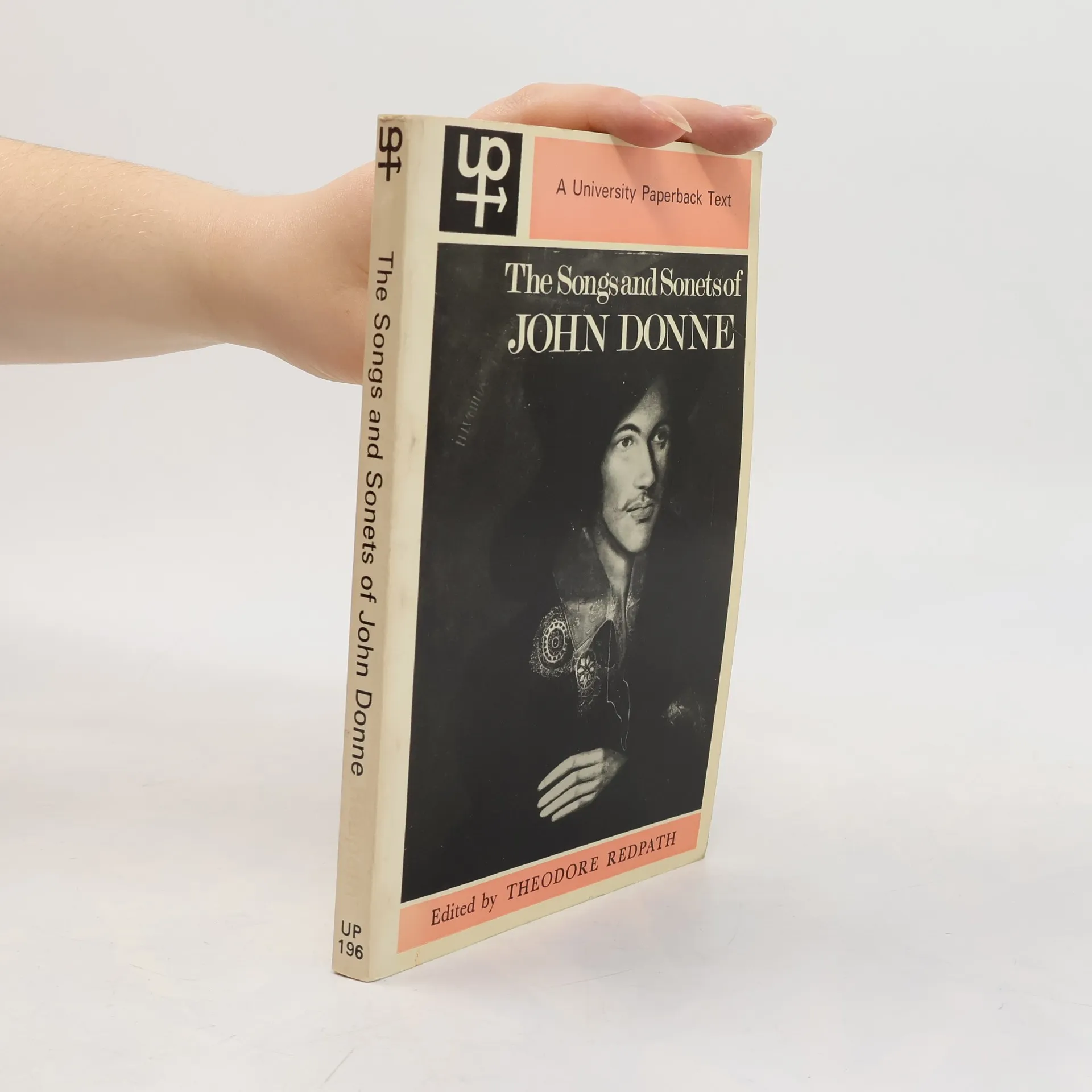
Elegie a písně
- 76 stránek
- 3 hodiny čtení
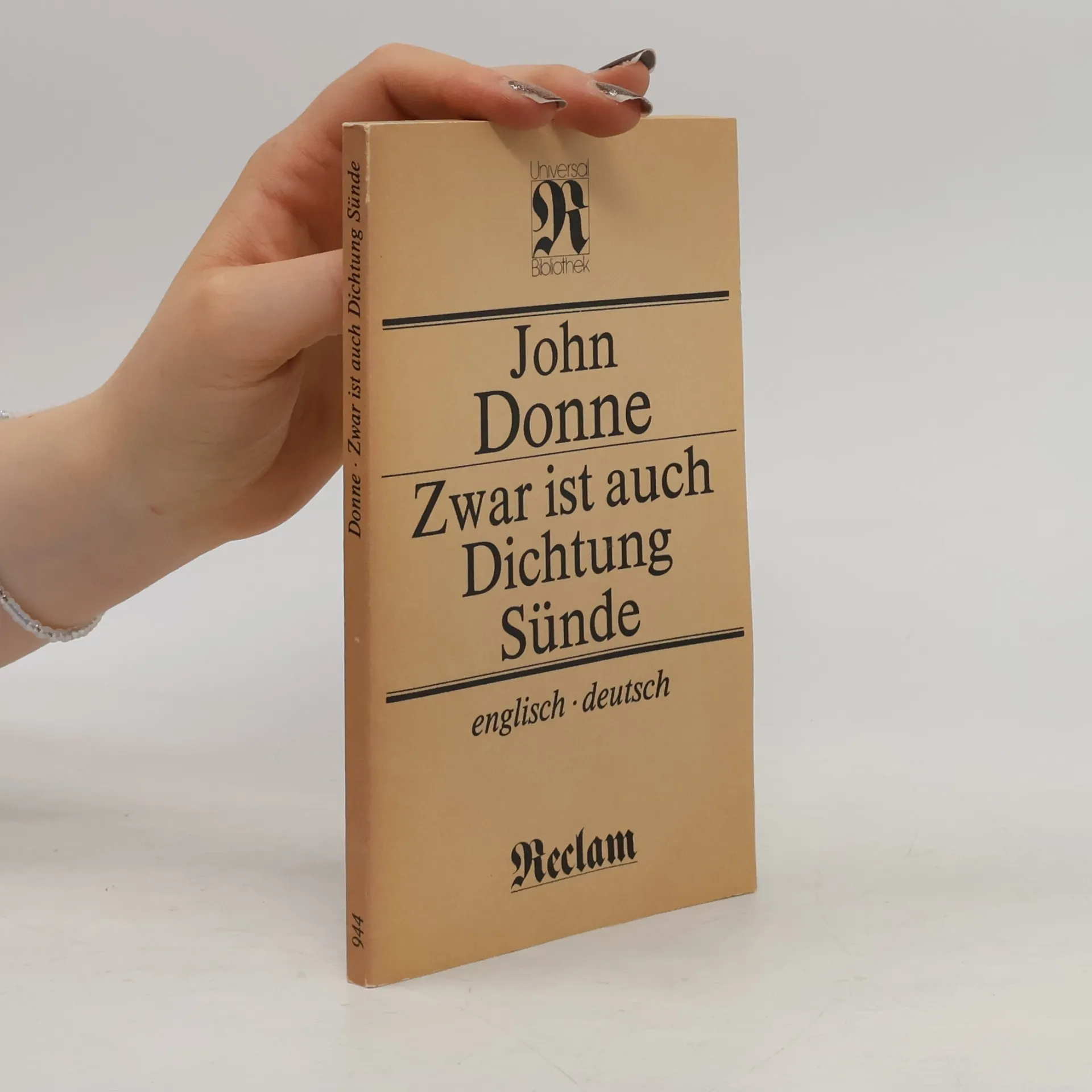
Výbor z veršů anglického básníka, Shakespearova současníka, nejprve světácky žijícího intelektuála, později anglikánského kněze. V „Písních a sonetech“, zahrnujících milostnou poezii jeví se básník jako zvěstovatel nového stylu; v rozporu s přežívající tradicí Petrarkovou uplatňuje reálný pohled na ženu. V „Elegiích“ se zabývá milostnou poezií na pozadí častých citátů z Ovidia. „Svaté sonety“ zahrnují básně náboženské.
Ob unverhohlen erotisch oder weltentrückt, ob frivol oder zärtlich, ob lebensfroh oder todverhangen, John Donne führt souverän alle Spielarten und Tonlagen der Liebespoesie vor.
The book explores the transformative power of poetry, highlighting its ability to create unexpected connections that resonate deeply with readers. It emphasizes how poetry can lead individuals toward beauty and goodness, ultimately guiding them on a spiritual journey toward God. Through this lens, the work invites readers to appreciate the serendipitous experiences that poetry offers, enriching their understanding and emotional connection to the divine.
Devotions Upon Emergent Occasions
- 66 stránek
- 3 hodiny čtení
This edition features John Donne's Devotions, originally printed in 1624, showcasing the profound spiritual reflections of the poet and cleric. The text captures Donne's exploration of faith, mortality, and the human experience, offering readers a glimpse into his introspective and philosophical approach to devotion. The 1923 publication highlights the enduring relevance of Donne's thoughts and the historical context of his work.
The Complete English Poems
- 688 stránek
- 25 hodin čtení
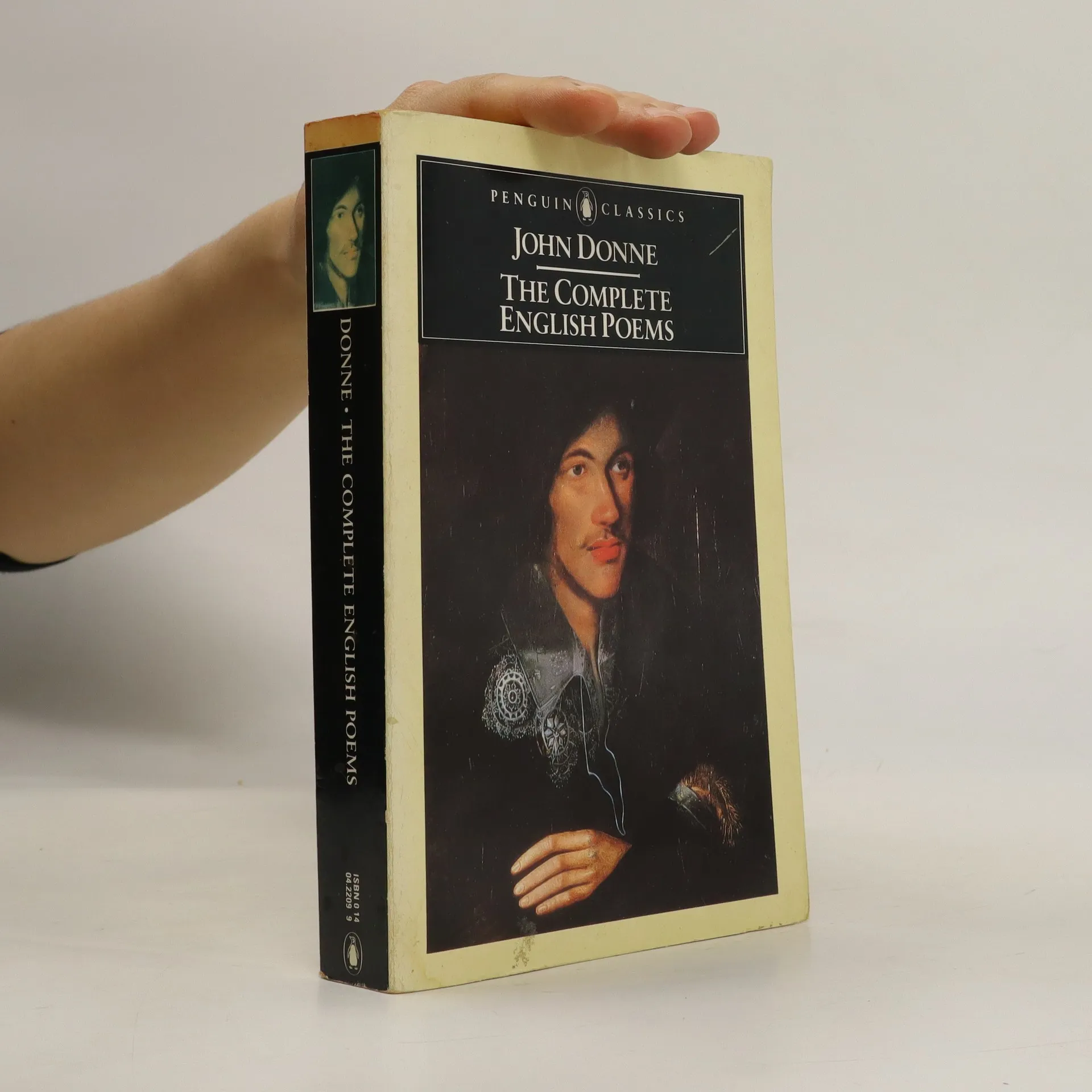
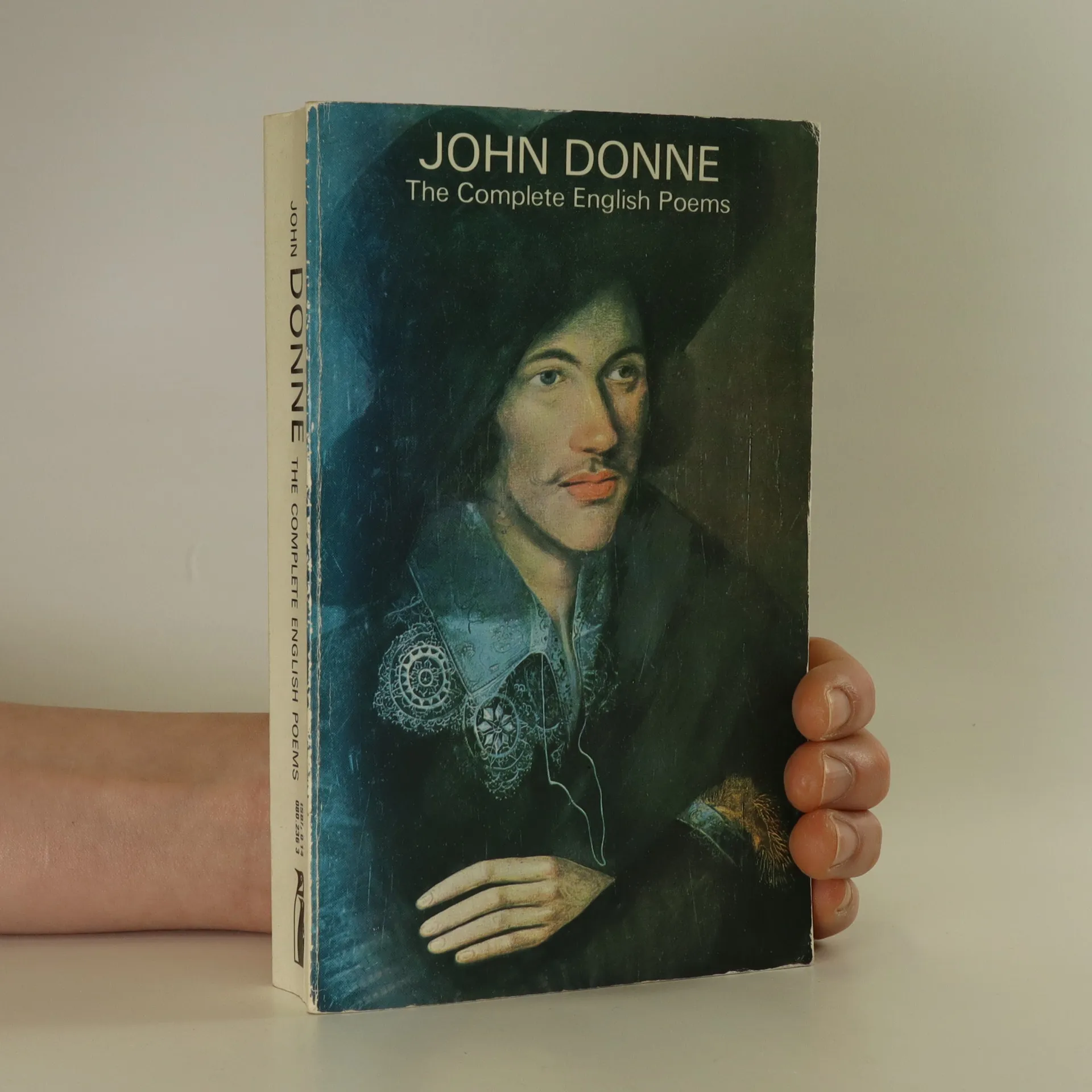
Yet it is only this century that Donne has been indisputably established as a great poet—and even, many feel, the greatest love poet of them all. Jonson went on to remark that 'That Donne, for not keeping of an accent, deserved hanging', yet Donne's rhythms, once thought 'unmusical' are now recognized as the natural rhythms of the speaking voice; his 'eccentricity' as a complex self-doubt; his 'obscurity' the reflection of a brilliantly learned and allusive mind. Poets such as Eliot and Empson have found Donne's poetry profoundly attuned to our modern age, while Yeats' glowing comment will always be true: 'the intricacy and subtlety of his imagination are the length and depth of the furrow made by his passion.' This volume, superbly edited by Professor Smith, is the first complete edition to make a serious attempt to guide the reader closely through the complexities of Donne's poetry. Considerable attention has been paid to the text, and a selection of the important manuscript variants are included. This edition is also the first to make use of the newly discovered manuscript of the verse letter to Lady Carey and Mistress Essex Rich.
John Donne (1572-1631), the most famous metaphysical poet and guiding star of English modernity, is one of the great love poets of world literature. His tension-filled perspective on Eros, between ecstasy and disillusionment, frivolity and holiness, finds its equal only in his contemporary Shakespeare. Donne's Alchemy of Love signifies the transformation of existence through emotions, images, and words that reach us unchanged after almost four hundred years. He captures the alchemy and charlatanry of love with a precision that serves wit and metaphorical exuberance. He advocates for the expanding universe at the dawn of the emerging mathematical and scientific age. Donne is an unmatched master of the sonnet, the day song, the elegy, and other forms. The translations by Werner von Koppenfels convey the liveliness and wit of this poetry in a magnificent way. In the afterword, Werner von Koppenfels outlines Donne's biography and illustrates the philosophical and spiritual background against which this epochal poetry was created.
Janel Mueller's excellent edition is at once an accessible opening up of Donne's verse and prose for the modern reader, and a rich exploration of the material forms in which Donne's writing originally circulated. Mueller's generous notes, and a lightly modernised text, help readers with questions of genre, historical context, and biography, while facsimiles of manuscripts and printed editions, and discussions of early readers and later editorial responses, convey some of the latest research on the history of reading and of the material text. Adam Smyth, Balliol College, Oxford
This meditative prose conveys the essence of the human place in the world -- past and present.
Verše evokující psychické a etické problémy dneška.
John Donne: Selected Poems
- 64 stránek
- 3 hodiny čtení
Featuring a selection of classic poems, this collection offers an accessible introduction to the works of John Donne. The high-quality cloth edition enhances its appeal, making it an attractive gift for poetry lovers.
John Donne - The Major Works
- 528 stránek
- 19 hodin čtení
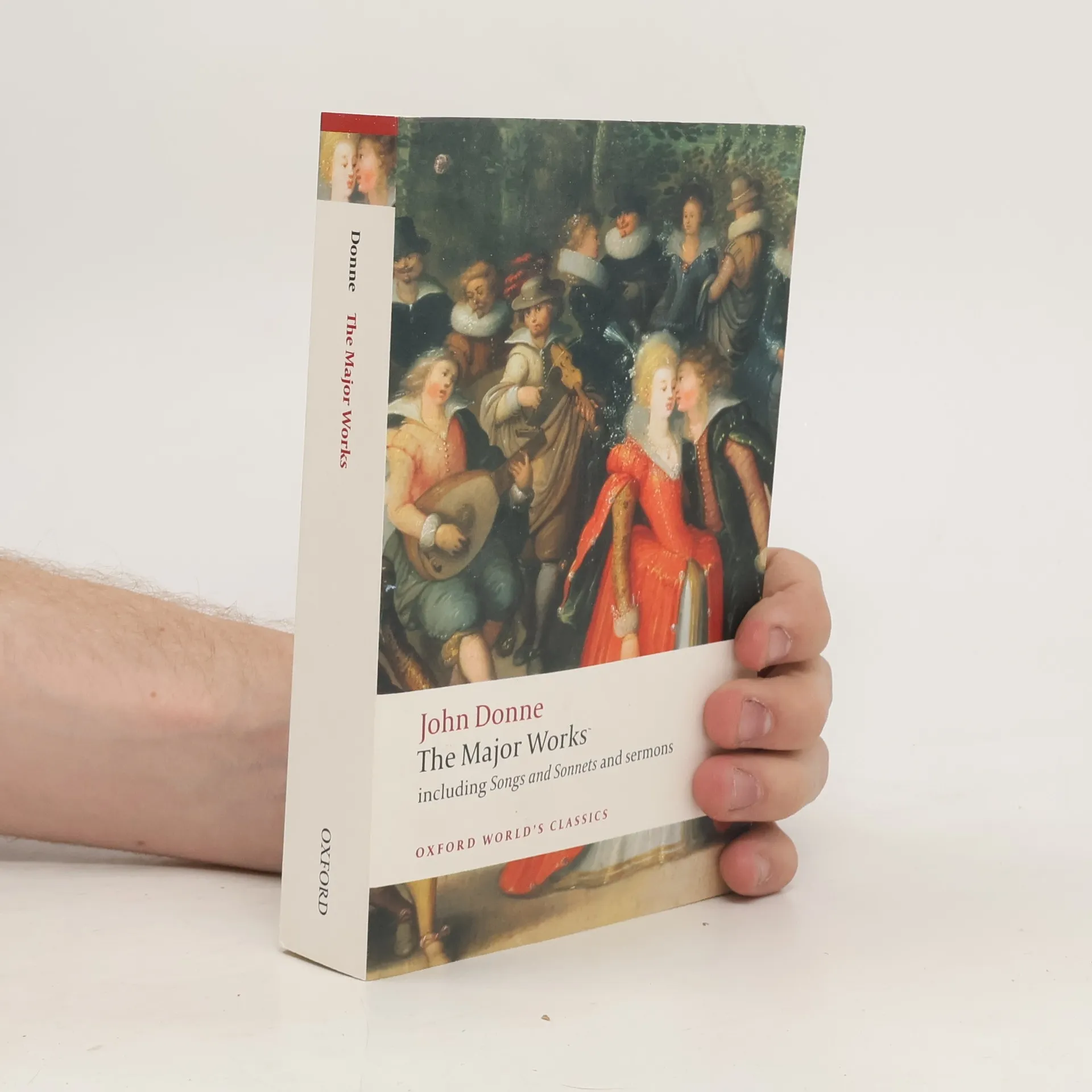
This authoritative edition was formerly published in the acclaimed Oxford Authors series under the general editorship of Frank Kermode. It brings together a unique combination of Donne's poetry and prose - all the major poems, complemented by rarely published letters and extracts from Donne's sermons - to give the essence of his work and thinking.
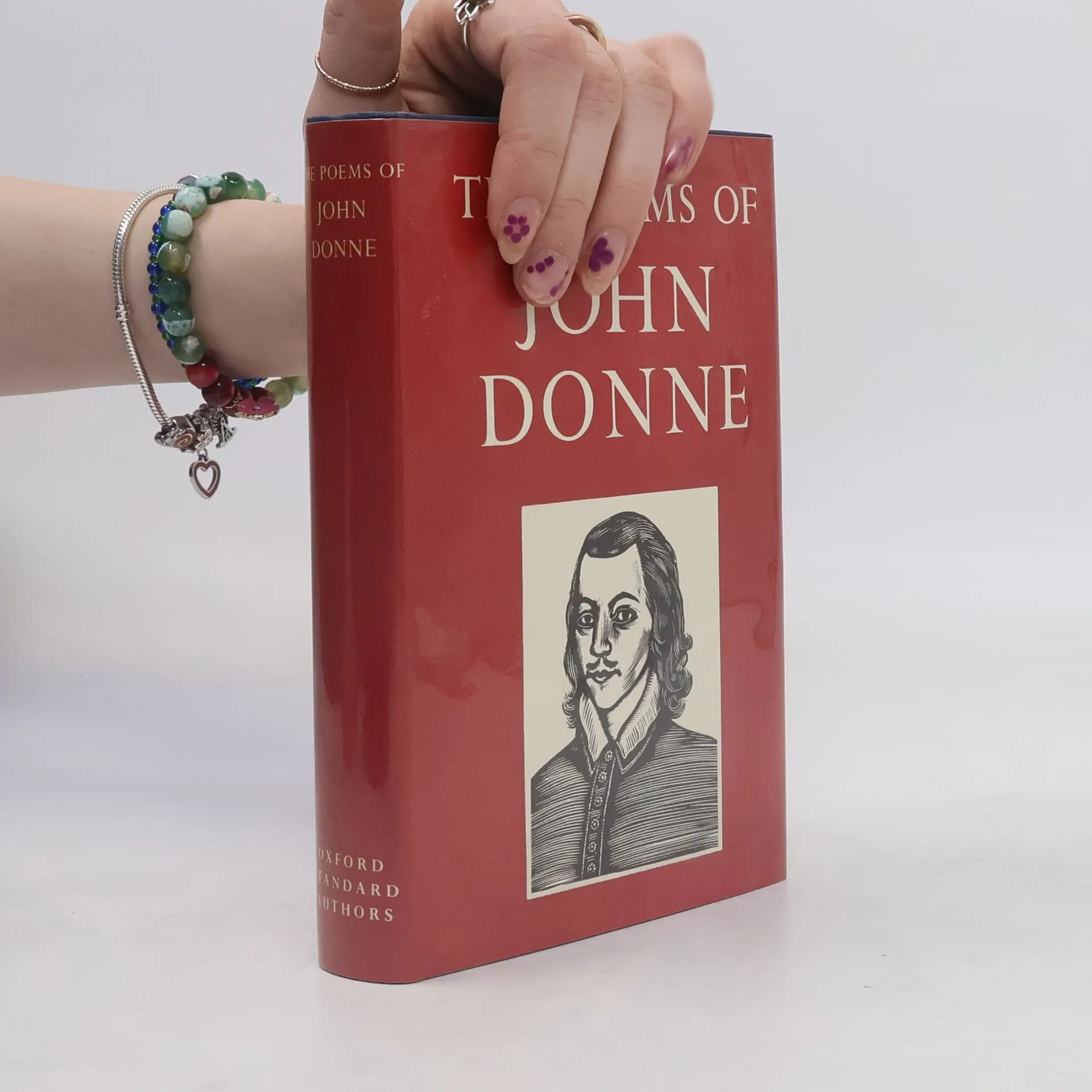
Originally published in April 1996, a collection of all the poems which are thought to have been written by John Donne, including his elegies, earthly and abstract love poems, songs and letters and sermons. In the OXFORD STANDARD AUTHORS series.
A collection of poems of the author including "Divine Poems", "The Flea", and "Holy Sonnets". It also includes the author's youthful songs and sonnets, epigrams, elegies, letters and satires.
Selected Poems
- 182 stránek
- 7 hodin čtení
Each book in this established series contains the full and complete text, and is designed to motivate and encourage students who may be writing on these challenging writers for the first time. It contains useful notes to add depth and knowledge to students' understanding, comments to explain literacy and historical allusions, tasks to help students explore themes and issues, and suggestions for further reading.
Biathanatos
- 248 stránek
- 9 hodin čtení
Exploring the depth of love and spirituality, this collection features John Donne's renowned metaphysical poetry, including famous sonnets and elegies. It encompasses a wide range of his works, from satires and epigrams to verse letters and holy sonnets, alongside his significant poems like the Anniversaries. The edition also includes a selection of Donne's prose, such as his satirical critique of the Jesuits and his celebrated sermons, showcasing his passionate and complex voice that resonates through time.
Biathanatos
A Declaration of That Paradox or Thesis That Self-Homicide Is Not So Naturally Sin, That It May Never Be Otherwise (16
- 242 stránek
- 9 hodin čtení
The treatise delves into the moral and theological complexities surrounding suicide, arguing against the notion that it is inherently sinful. John Donne presents a dialogue between a skeptic and a proponent, examining various philosophical arguments and personal experiences of grief. He suggests that certain circumstances may justify suicide, challenging the dominant Christian view. This significant work of early modern literature continues to provoke thought and discussion, reflecting on the nuanced nature of life and death.
Poems And Prose
- 256 stránek
- 9 hodin čtení
The major seventeenth-century English poet between Shakespeare and Milton, Donne is chiefly celebrated as a love poet. All these genres are represented in this volume, together with a selection from his prayers, letters and sermons, presenting a complete portrait of a great poet an an extraordinary man.
Love Poems
- 64 stránek
- 3 hodiny čtení
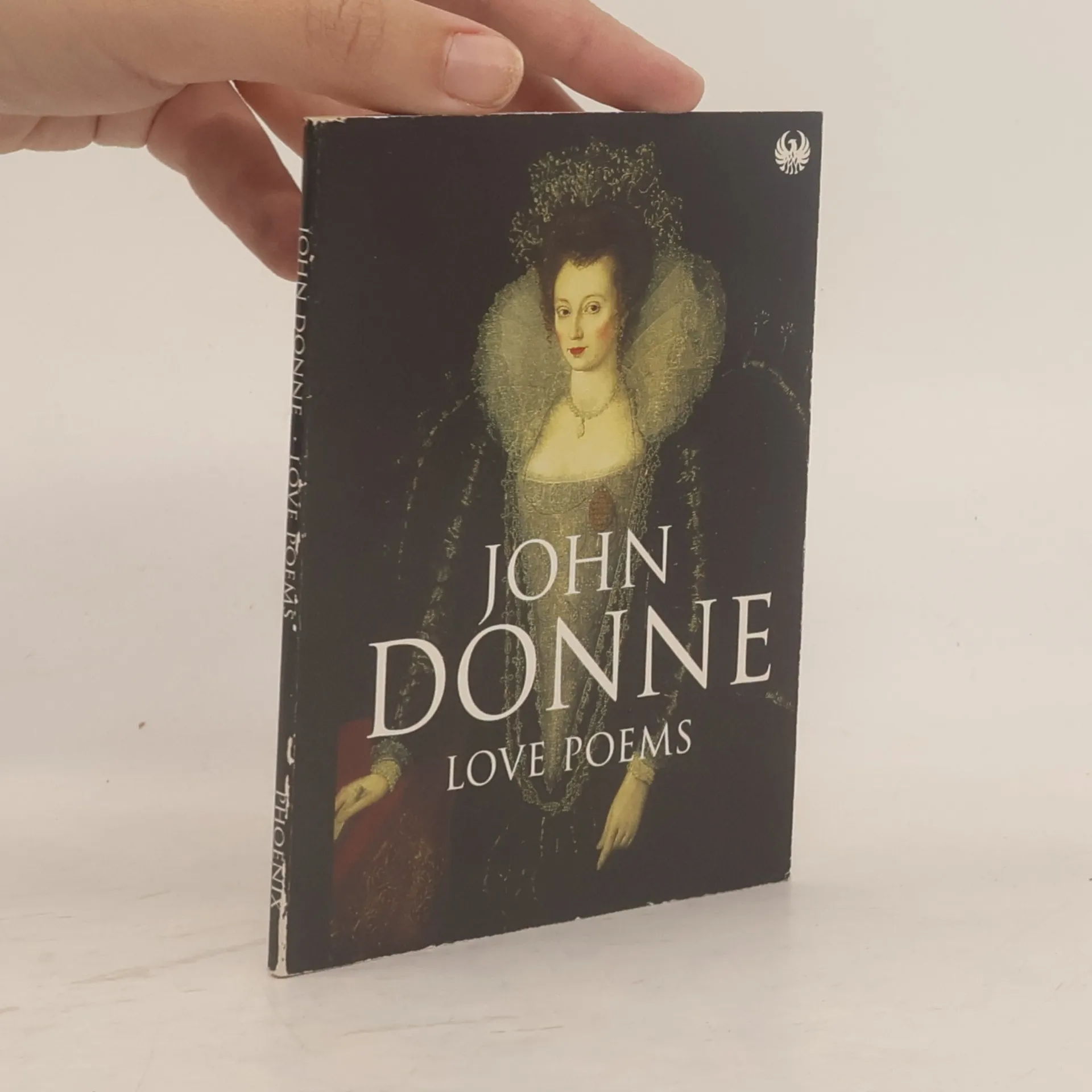
John Donne's poems on heavenly and earthly love, delight and despair, beauty and betrayal, are rightly regarded as one of the glories of European civilisation, something every school child (and child of every age) should know
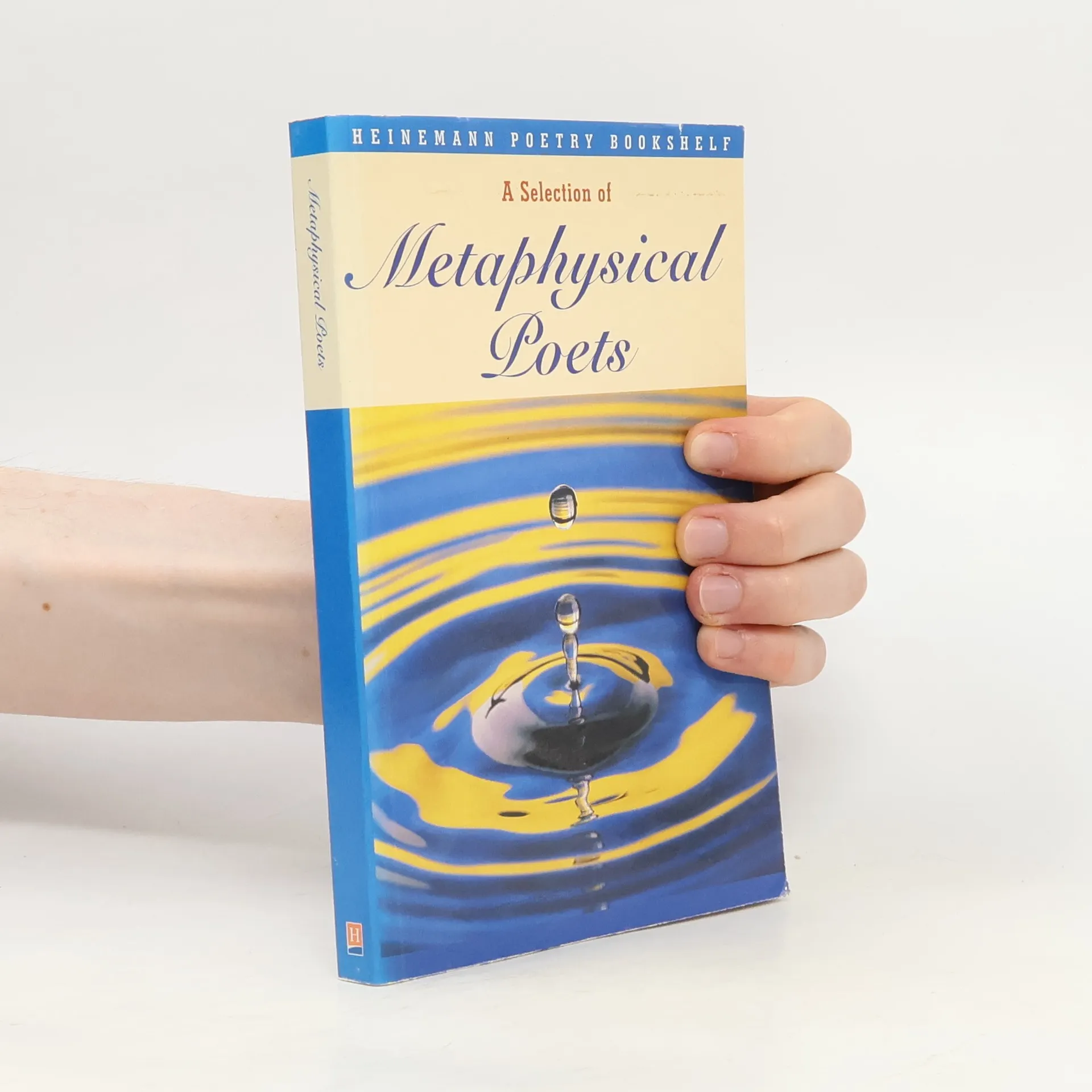
Heinemann Poetry Bookshelf: A Selection of Metaphysical Poets
- 256 stránek
- 9 hodin čtení
The books in this A Level poetry series contain a glossary and notes on each page. The approach encourages students to develop their responses to the poems, and an A Level Chief Examiner offers exam tips. This text contains a selection of works by metaphysical poets, including Donne and Marvell.
Brechts Liebesgedichte handeln von der Liebe zu einem einzelnen Menschen ebenso wie von der Liebe zu den Menschen, die aufgerufen sind, den Planeten Erde "bewohnbar" zu machen. Die vorliegende Auswahl enthält alle "klassischen" Liebesgedichte Brechts, die von Werner Hecht 1982 erstmals edierten "priapeischen" Gedichte und die - mit ihrem Bezug auf bestimmte Geliebte - bis dahin zurückgehaltenen Werke. In chronologischer Anordnung zeigen diese Gedichte eine beeindruckende Fülle von Aspekten irdischer wie himmlischer Liebe, aufgeschrieben von einem Mann, den dieses Thema durch alle Jahrzehnte hindurch bis zu seinem Tod beschäftigte.
Vzduch a anjeli
- 84 stránek
- 3 hodiny čtení
Zdá sa nám, že renesancia je od nás ďaleko, no poéziu Johna Donna, vrcholného predstaviteľa alžbetínskeho obdobia (žil v časoch W. Shakespeara) , v preklade Jany Kantorovej Bálikovej čítame, akoby bol naším súčasníkom.
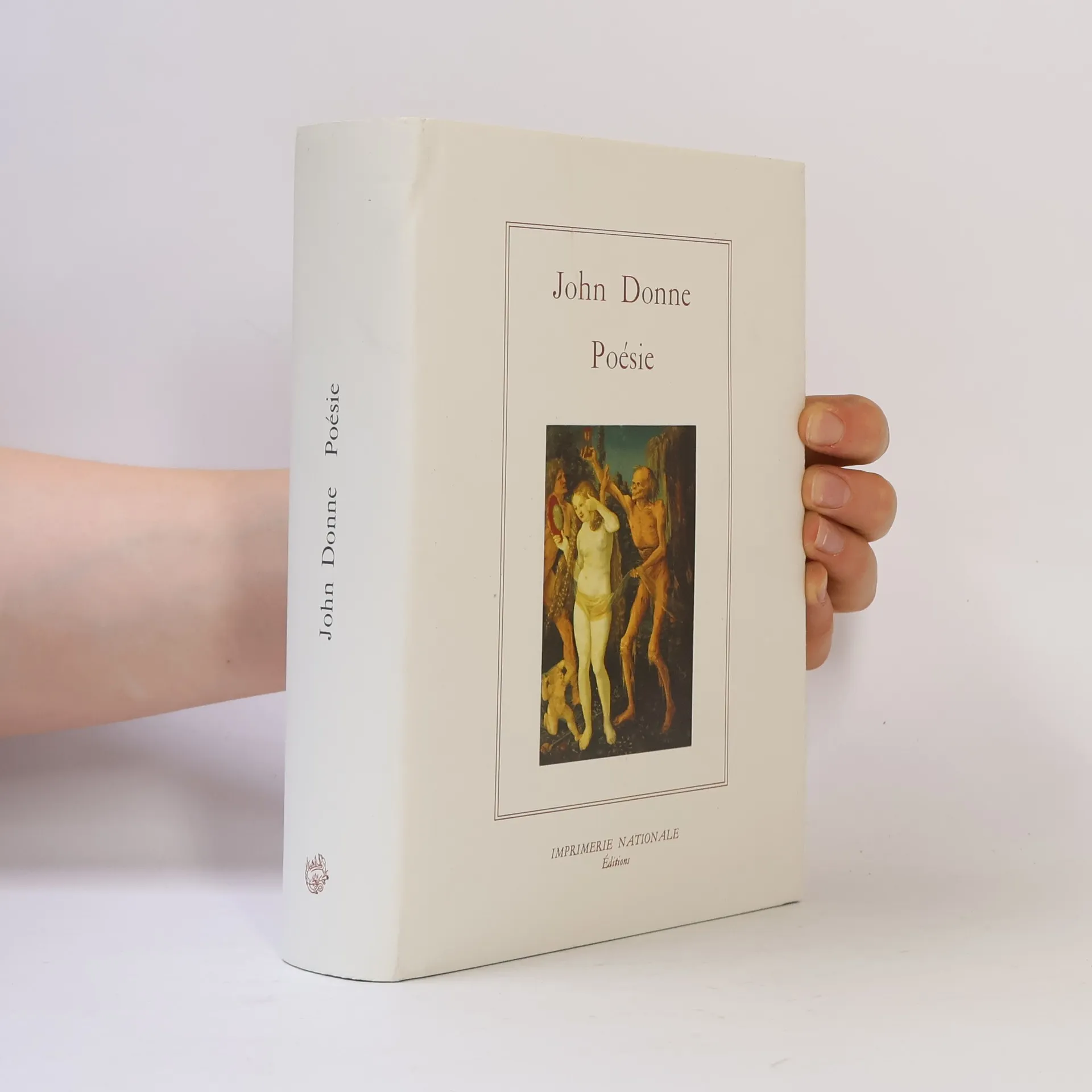
Poésie
- 476 stránek
- 17 hodin čtení
.