

Knihobot

David Lindley Pořadí knih (chronologicky)

    Tento autor se zabývá složitými myšlenkami, které pronikají do struktury reality. Jeho psaní často zkoumá hluboké otázky vědy a filozofie. Jeho díla jsou známá svou hloubkou a intelektuální náročností.

    The Tempest
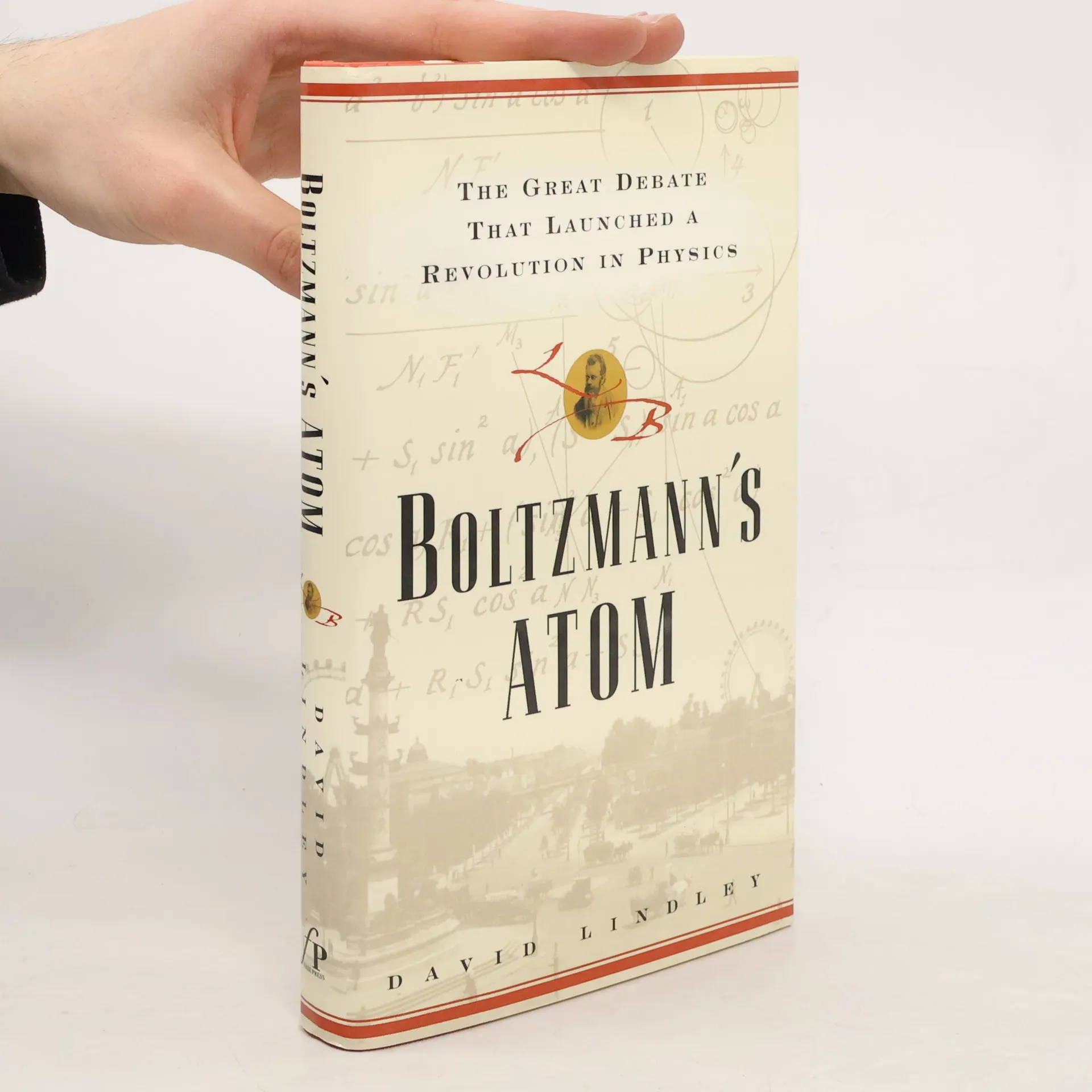
    Boltzmanns Atom
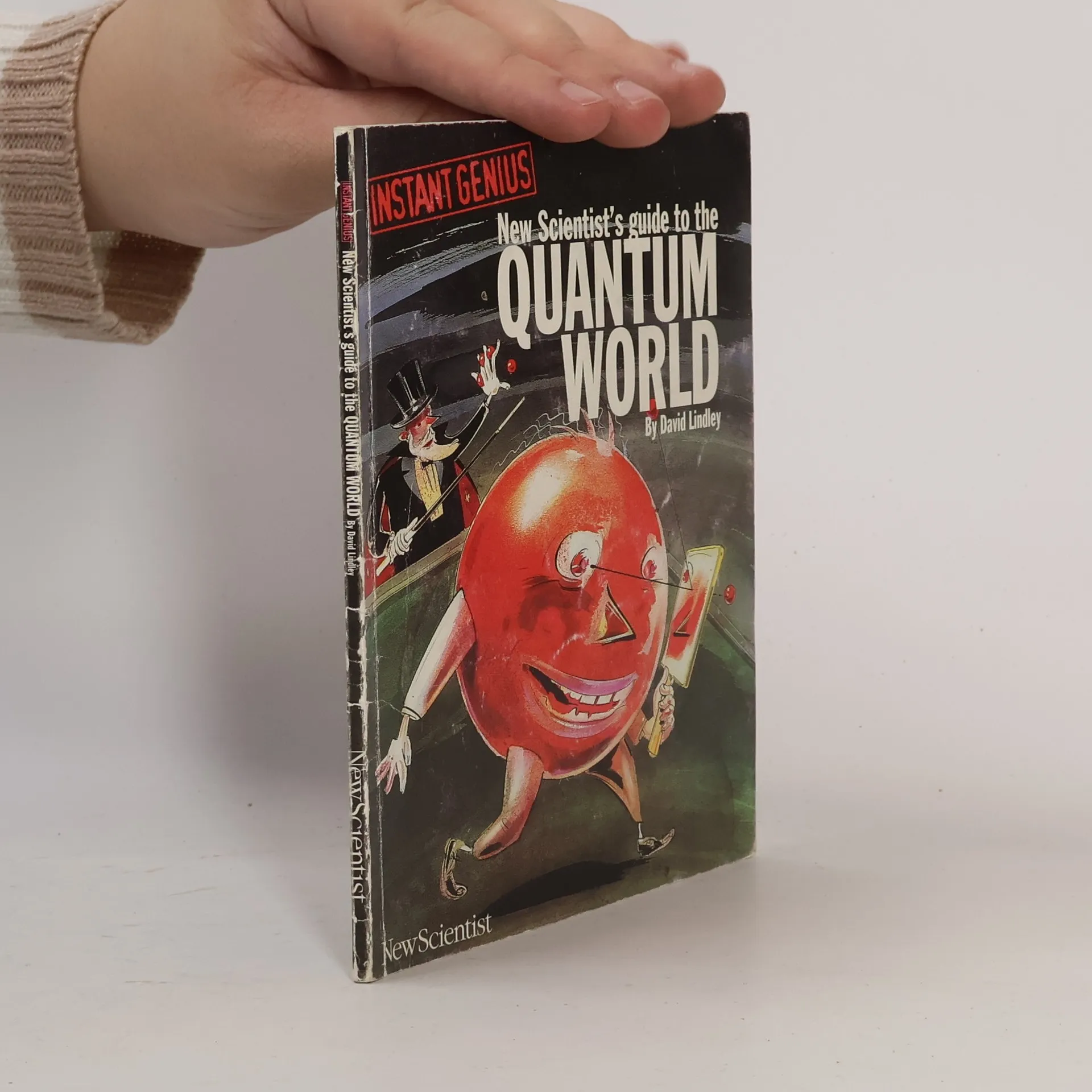
    The Quantum World
    The Critical Idiom - 44: Lyric
    Uncertainty
    The End of Physics
    • Die Unbestimmbarkeit der Welt

      • 302 stránek
      • 11 hodin čtení

      Anschaulich und klar erzählt der Physiker und Journalist David Lindley, wie die Entdeckung der Unbestimmtheitsrelation durch Werner Heisenberg in den 1920er Jahren die bis dahin gültigen physikalischen Annahmen zum Einsturz brachte und unsere Sicht der Welt veränderte. Heisenbergs Entdeckung der Unschärferelation stellte jahrhundertelange physikalische Gewissheiten in Frage. Unbestimmtheit wurde Teil der physikalischen Realität, die zuvor von Präzision und Kausalitäten dominiert war. Diese Erkenntnis hatte weitreichende Folgen, die über die Physik hinausgingen und in Philosophie sowie Alltagskultur Einzug hielten. Während Albert Einstein vehement gegen Heisenbergs revolutionäre Einsicht opponierte, erkannte der dänische Physiker Niels Bohr deren Bedeutung. Lindley lässt die Irritation und Faszination lebendig werden, die von dieser bedeutenden naturwissenschaftlichen Entdeckung des letzten Jahrhunderts bis heute ausgeht. Die Darstellung behandelt einen Meilenstein der physikalischen Erkenntnis im 20. Jahrhundert, der unsere Sicht auf die Welt und das wissenschaftliche Denken grundlegend veränderte, und bietet eine für Laien verständliche Erklärung der Heisenberg’schen Ideen sowie spannende Einsichten in die Wechselbeziehung zwischen Naturwissenschaften und populärer Kultur.
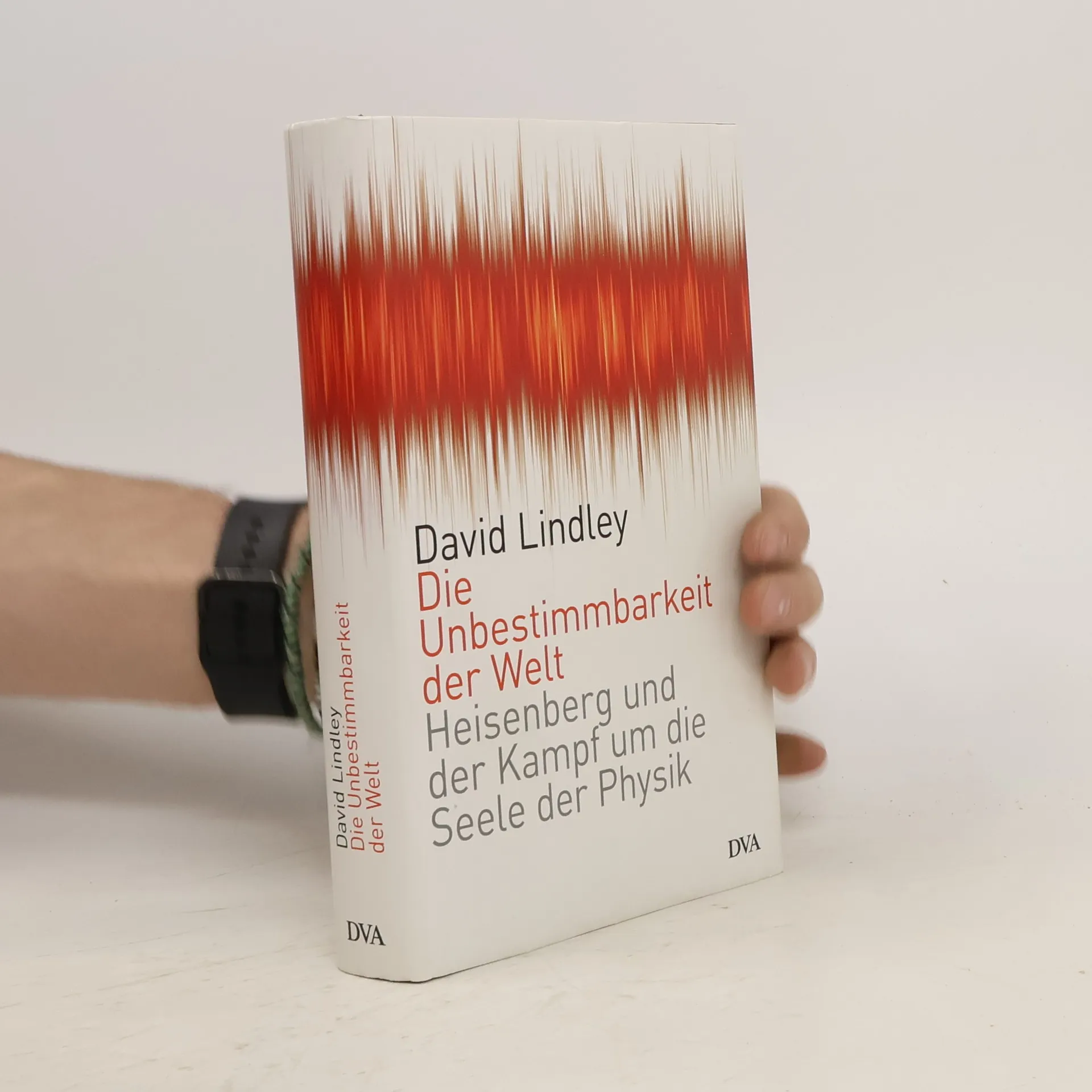
      Die Unbestimmbarkeit der Welt2008
      4,0
    • Uncertainty

      Einstein, Heisenberg, Bohr, and the Struggle for the Soul of Science

      • 272 stránek
      • 10 hodin čtení

      The more precisely the position is determined, the less precisely the momentum is known in this instant, and vice versa.—Werner Heisenberg. In 1927, young German physicist Werner Heisenberg introduced the uncertainty principle, challenging centuries of scientific understanding. He demonstrated that in many physical measurements, obtaining one piece of information comes at the cost of losing another. This principle suggested that scientific quantities do not possess absolute meaning but are defined by the experiments used to measure them. It undermined the belief that science could reveal the physical world with complete precision, placing Heisenberg in direct opposition to the esteemed Albert Einstein. Niels Bohr, Heisenberg’s mentor and Einstein’s friend, found himself caught between their clashing perspectives. The narrative chronicles the birth and evolution of this significant scientific finding and the intellectual battle it sparked. Einstein, emotionally and intellectually invested, sought to disprove the uncertainty principle, while Heisenberg, confident in his reasoning, dismissed Einstein’s objections. Bohr recognized Heisenberg's correctness but also understood the importance of securing Einstein’s support in light of the profound implications of Heisenberg’s principle.

      Uncertainty2007
    • The Tempest

      • 272 stránek
      • 10 hodin čtení

      The Tempest is a strange and elusive play; which critics have interpreted in very different ways: as a drama of forgiveness and reconciliation, as an exploration of the limits of theatrical art, or as a play complicit with colonial exploitation. Prospero's island is a fearful yet enchanting place; a place suffused with music, and its storm, disappearing banquet and elaborate betrothal masque demand imaginative stagecraft. Stratford productions have steered their way through the play's complex, even contradictory potential, in fascinatingly varied fashion, and Daivd Lindley explores that variety both as evidence of the evolution of theatrical styles, and as a response to the changing critical fortunes of the play.

      The Tempest2003
    • Boltzmanns Atom

      The Great Debate That Launched a Revolution in Physics

      • 272 stránek
      • 10 hodin čtení

      A portrait of the Austrian physicist goes back to the turn of the century, when the existence of the atom was still largely theoretical and two men, Ludwig Boltzmann and Ernst Mach, competed for accolades amid a growing field of scientists.

      Boltzmanns Atom2001
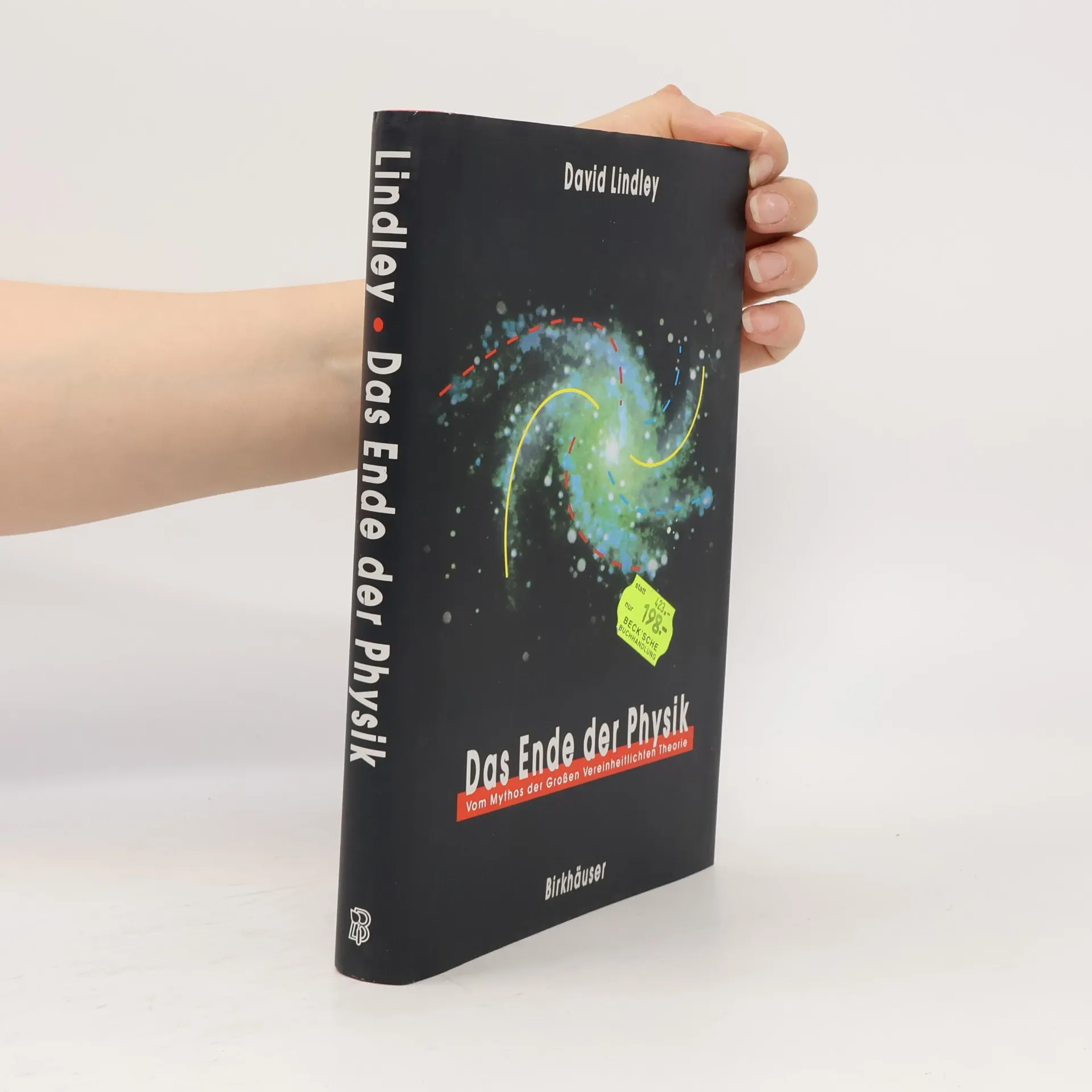
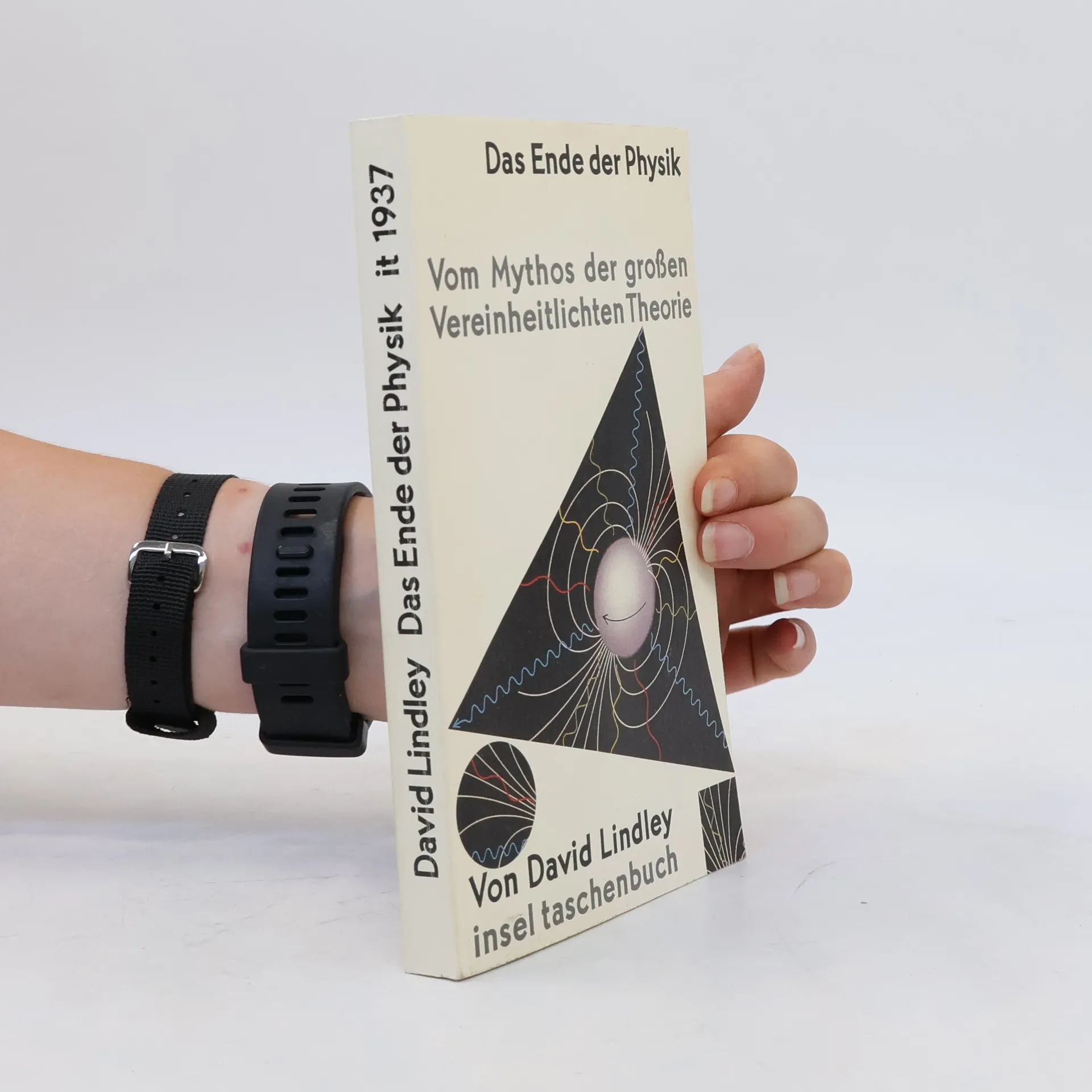
    • Das Ende der Physik

      Vom Mythos der Großen Vereinheitlichten Theorie

      • 296 stránek
      • 11 hodin čtení

      Seit über einem Jahrhundert hoffen Physiker, dem Heiligen Gral der modernen Wissenschaft näher zu kommen: einer einheitlichen Theorie, die die gesamte physikalische Welt erklärt, vom subnuklearen Bereich der Quarks und Gluonen bis hin zum Moment der Schöpfung des Universums. Dies ist eine Geschichte der Versuche, eine solche "Theorie von allem" zu finden.

      Das Ende der Physik1994
      4,0
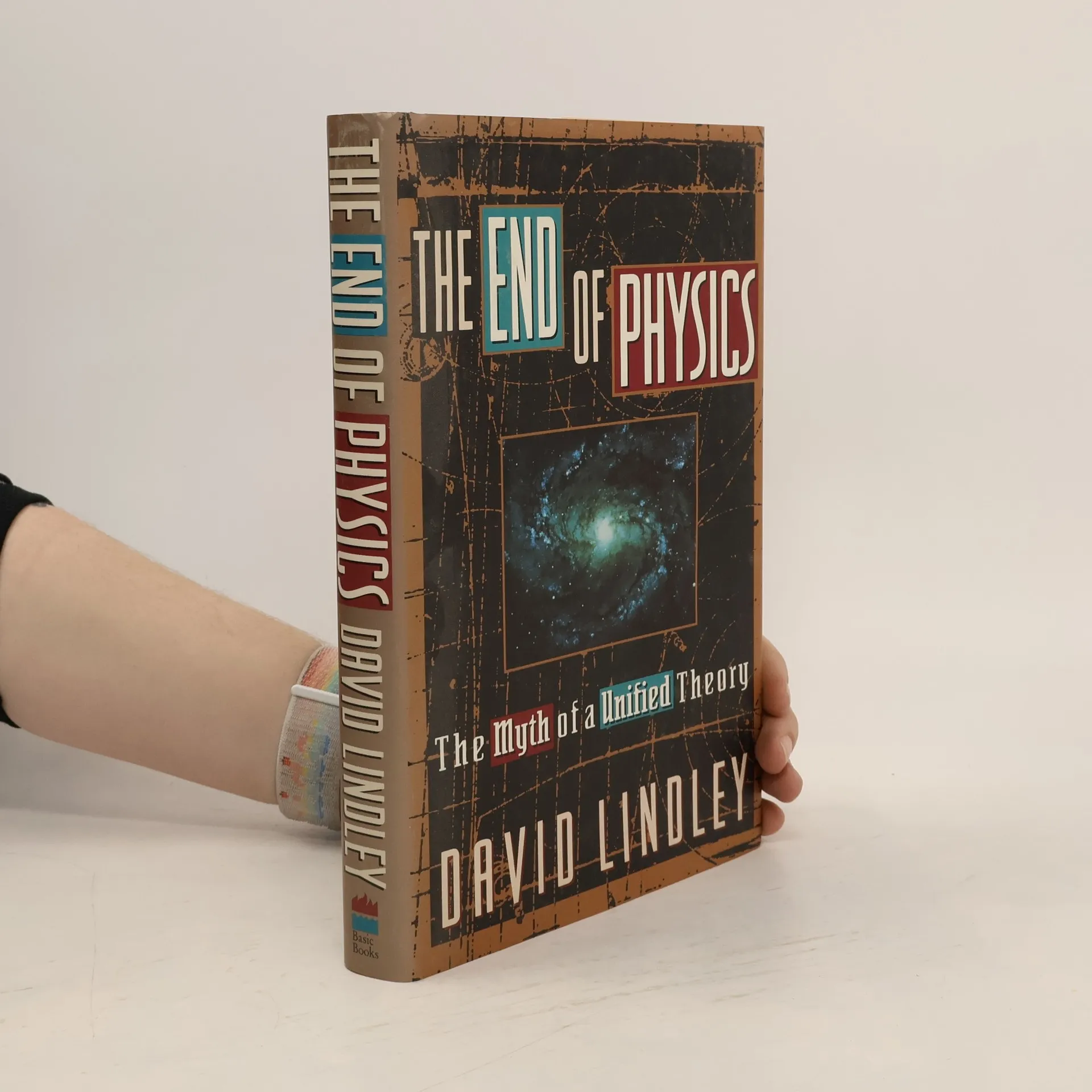
    • The End of Physics

      The Myth of a Unified Theory

      • 288 stránek
      • 11 hodin čtení

      For over a century physicists have hoped that they were closing in on the Holy Grail of modern science: a unifying theory that would make sense of the entire physical world, from the subnuclear realm of quarks and gluons to the very moment of creation of the universe. This is a history of the attempts to find such a "theory of everything". Illustrated.

      The End of Physics1993
      3,0