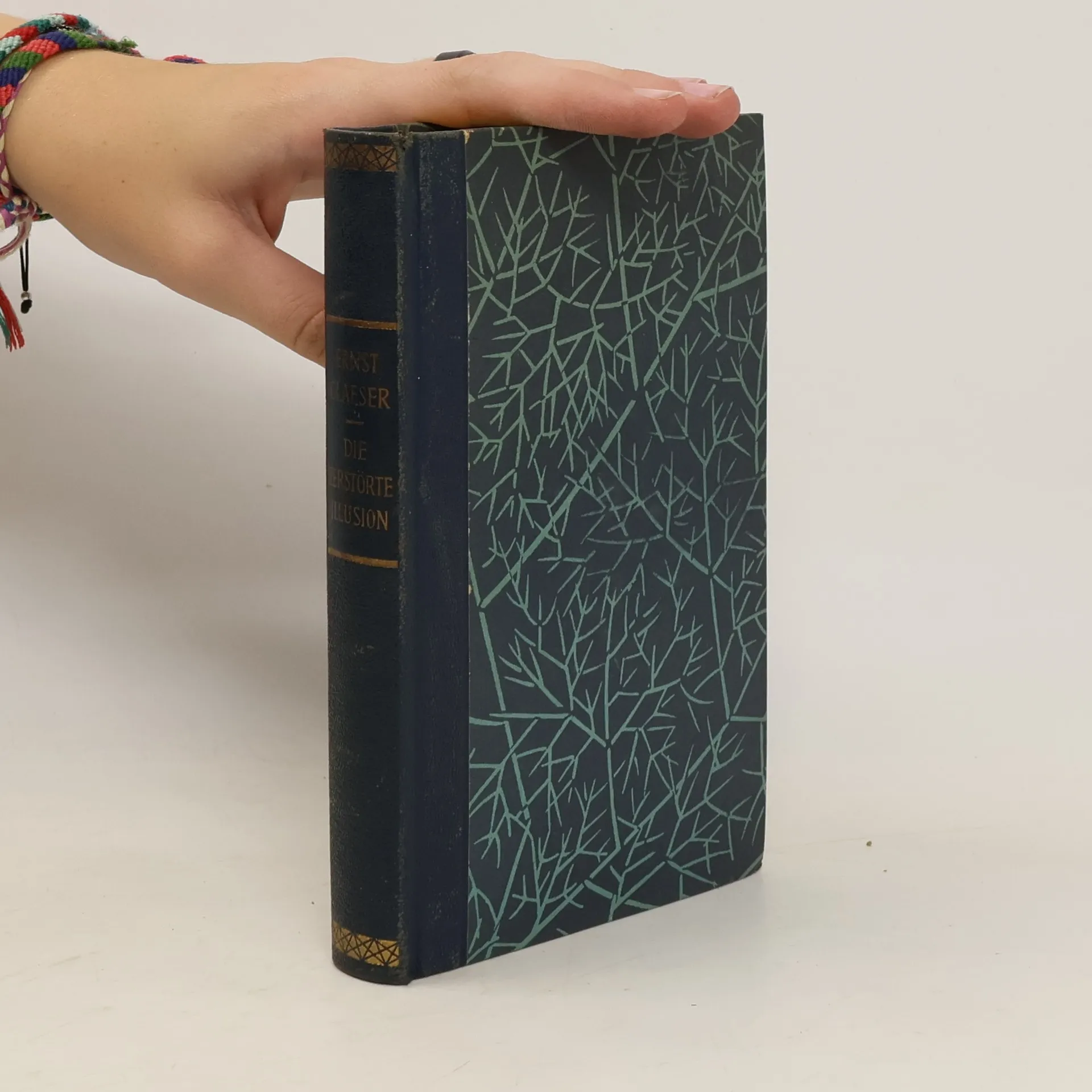
Chlapec E. vypraví příběh svých dvanáctiletých vrstevníků - Ferda, syna "Rudého barona; Lea, syna židovského obchodníka a Augusta, který pochází z dělnické rodiny - na pozadí důležitých milníků roků 1914. Zároveň se snaží odkrýt "tajemství", které skrývá pochopení lidské sexuality. Glaeser ve svém románu, ze kterého se stal ihned po vydání soudobý bestseller, líčí nestabilní politickou situaci před válkou a typické nešvary doby - antisemitismu, boje mezi příznivci pravice a levice, rozdíly mezi bohatými a chudými. V srpnu jsou však všechny spory zapomenuty, ze všech lidí se stávají bratři a Němci s radostí vstupují do války ...
Erich Meschede Knihy
- Erich Meschede
- Anton Ditschler
- Alexander Ruppel
- Ernst Töpfer
29. červenec 1902 – 8. únor 1963






Po pětačtyřiceti letech exilu se Jean-Gaspard Bäuerle vrací do svého rodného města Siebenwasser. Jsme v roce 1927 a Výmarská republika pomalu umírá pod tlakem nacismu, který každým dnem získává nové rekruty. V tomto Německu, zpustošeném ideologickou epidemií, bude Jean-Gaspard Bäuerle brzy„posledním civilistou“..
The successful novel of 1928 is a clear, unsentimental generational book about the time of the First World War that has remarkably remained vivid. Ernst grows up in a small town in southern Germany during the late Kaiserreich, where his world initially seems intact. However, society is marked by fundamental conflicts: antisemitism, political struggles between left and right, and between the poor and the rich. The war temporarily bridges these divides, but as it drags on, the questionable nature of patriotism and the fragility of the existing order become evident. Glaeser intertwines external events with the inner life of his protagonist, who must fight for sexual experiences and his own opinions against the prudish world of his fathers and their hollow moralism. When the novel is published in 1928, it resonates with the zeitgeist and encapsulates the trauma of a generation that experienced disillusionment behind the front lines of the First World War. The book receives high praise from contemporary critics and becomes an international sensation. Erich Maria Remarque commends its sharp perspective and vividness, noting its literary value and historical significance.
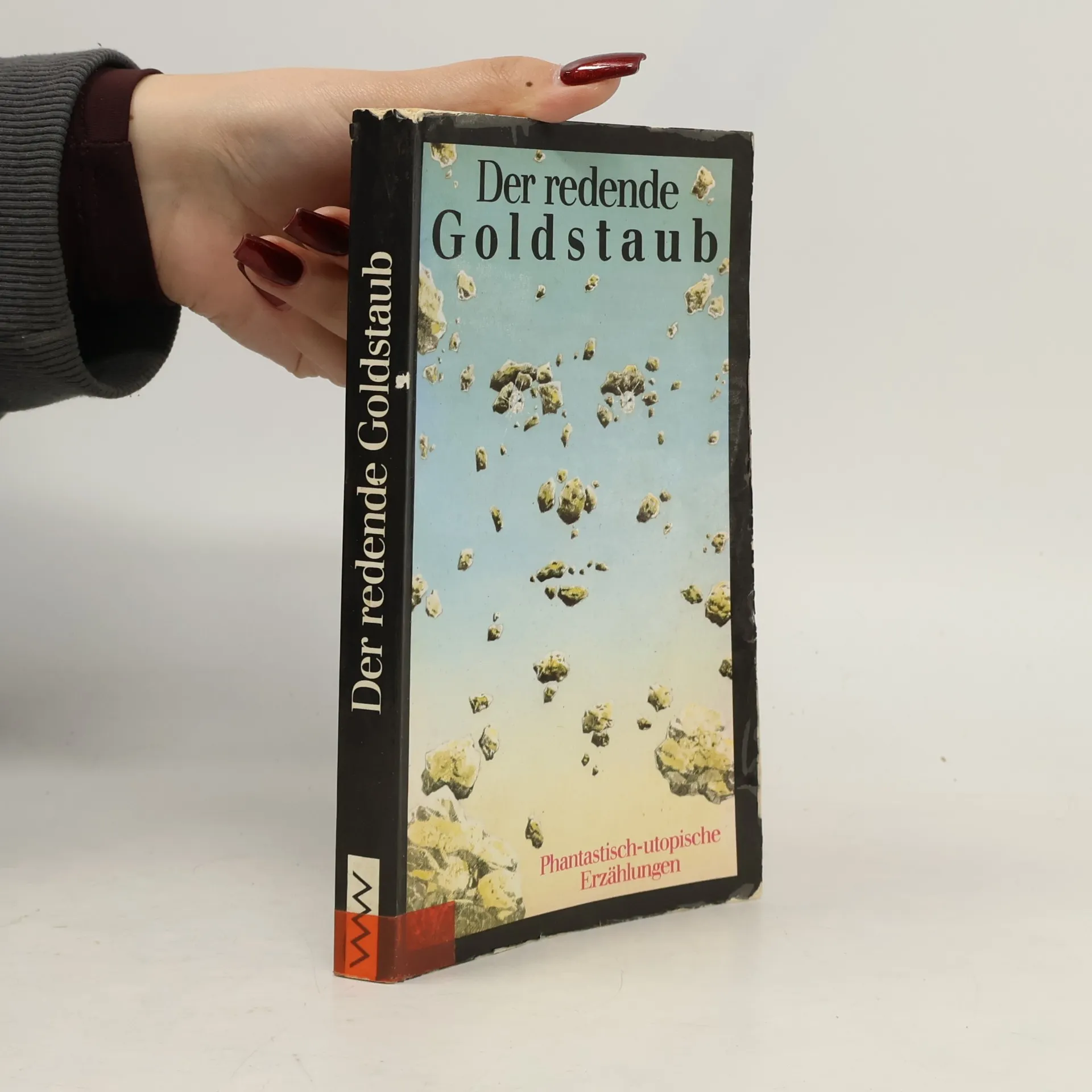
Von besessenen Forschern und Reisen in die Zeit, vom zirpenden Ozean und einem präparierten Klavier, das die Zuhörer entfesselt, vom brütenden Monster und anderen seltsamen Phänomenen erzählen die Geschichten dieses Bandes, durch den ein größerer Einblick in die moderne phantastische und utopisch-phantastische Literatur Rumäniens vermittelt werden soll.enth. die Erzählungen:- Alexander Macedonski: Großschlachtschiff des Friedens- Victor Papilian: Angst- Oscar Lemnaru: Crookes Triumph- Mircea Šerbănescu: Der unerhörte Übergang- Vladimir Colin: Lnaga- Adrian Rogoz: Der Altar der stochastischen Götter- Georgina Viorica Rogoz: Der zirpende Ozean- Horia Aramă: Das präparierte Klavier- Dorel Dorian: Alles wurde auf eine Karte gesetzt- Mihnea Moisescu: Der redende Goldstaub- Ion Hobana: Die beste aller Welten- Leonida Neamţu: Luftspiegelungen auf dem Meer des Südens- Corneliu Omescu: Nach 20 000 Jahren- Constantin Cubleşan: Die Pfeile der Diana- Mircea Opriţă: Wachsfigurinen
Vierundzwanzig deutsche Erzähler. Frühwerke der Neuen Sachlichkeit
- 421 stránek
- 15 hodin čtení
Der Staat ohne Arbeitslose
Drei Jahre "Fünfjahresplan"
German