

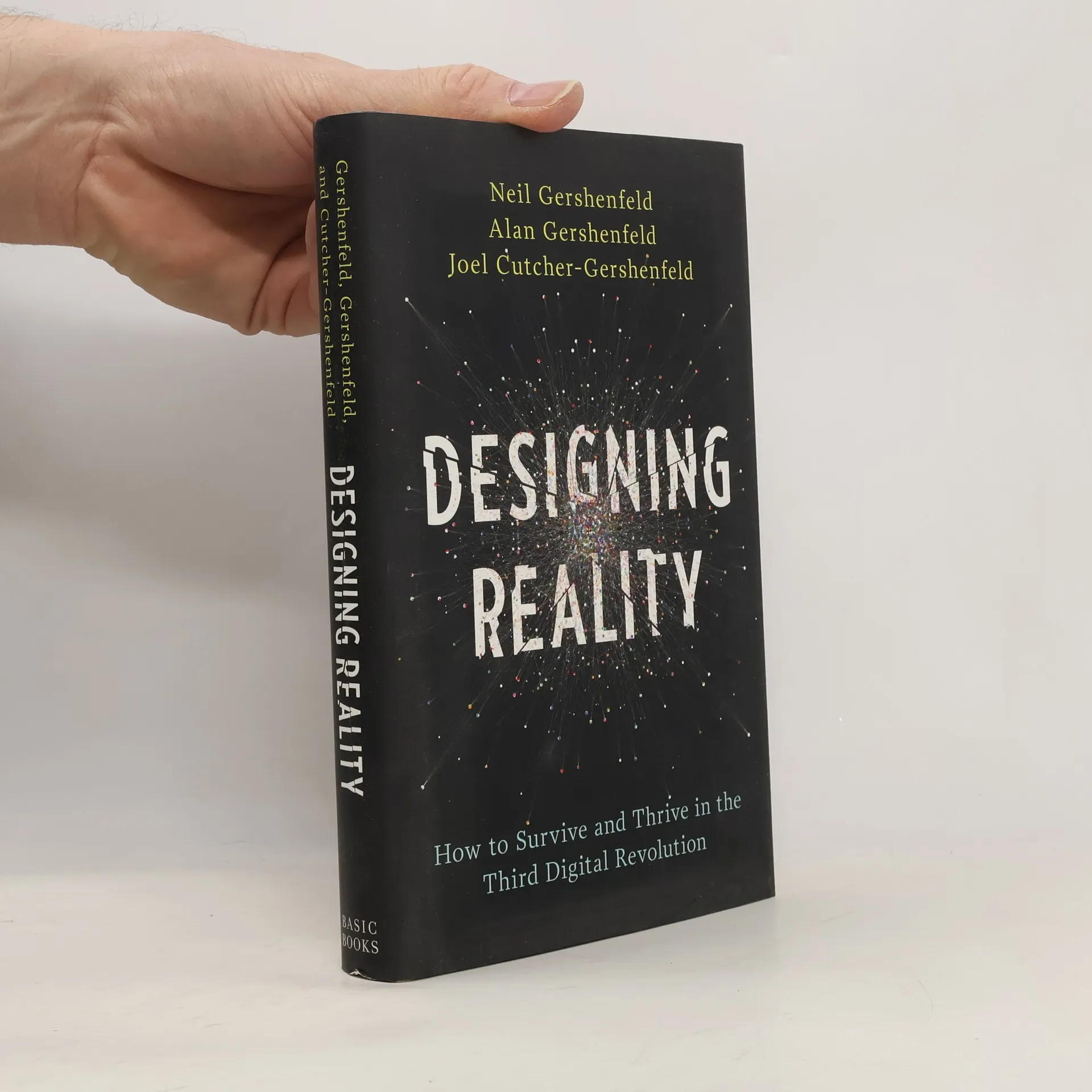
That's the promise, and peril, of the third digital revolution, where anyone will be able to make (almost) anythingTwo digital revolutions -- computing and communication -- have radically transformed our economy and lives. A third digital revolution is fabrication. Today's 3D printers are only the start of a trend, accelerating exponentially, to turn data into Neil Gershenfeld and his collaborators ultimately aim to create a universal replicator straight out of Star Trek. While digital fabrication promises us self-sufficient cities and the ability to make (almost) anything, it could also lead to massive inequality. The first two digital revolutions caught most of the world flat-footed, thanks to Designing Reality that won't be true this time.
Neil Gershenfeld Pořadí knih (chronologicky)
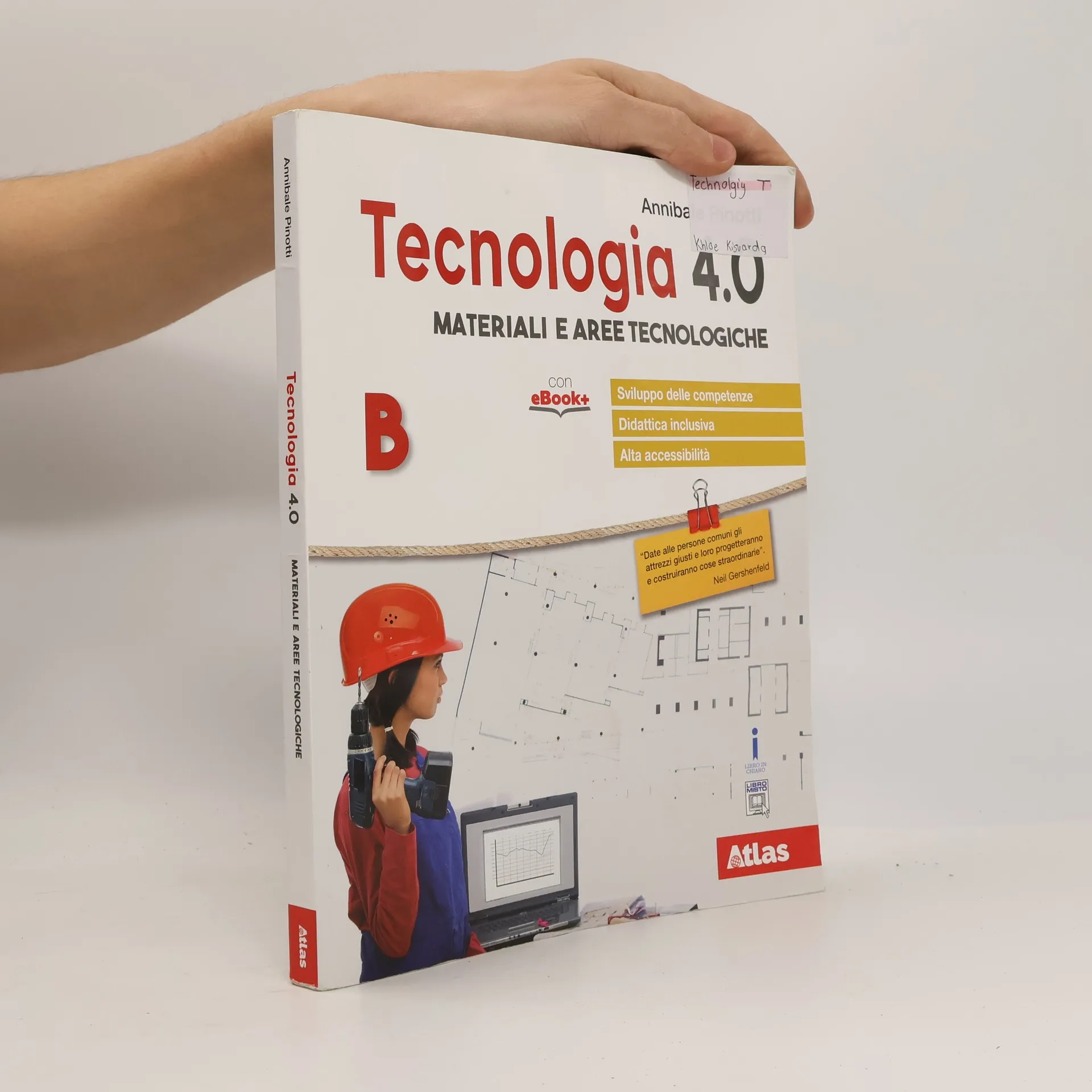
Tecnologia 4.0
Materiali e aree tecnologiche - Per la scuola media. Con e-book. Con espansione online
- 408 stránek
- 15 hodin čtení
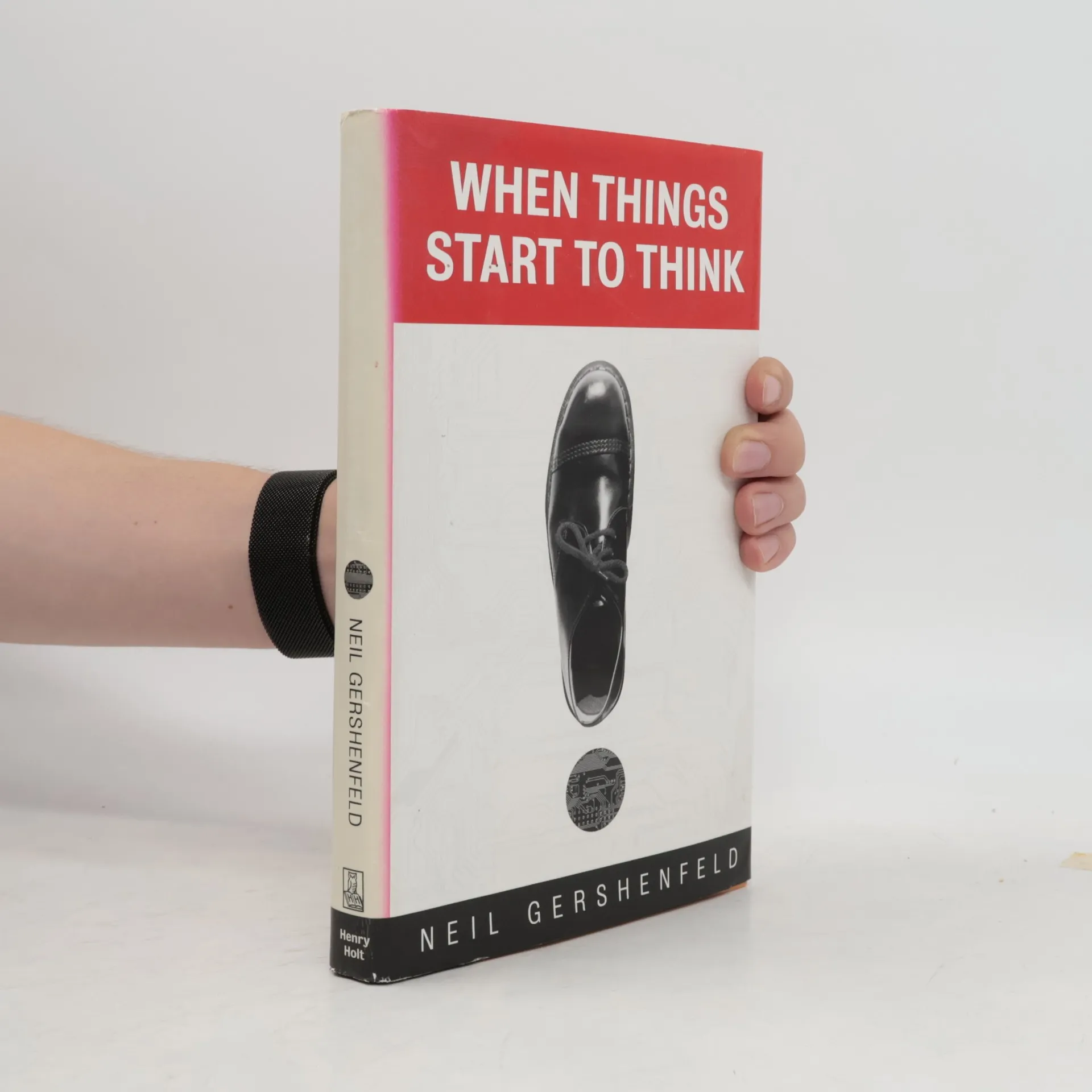
When Things Start to Think
- 225 stránek
- 8 hodin čtení
This is a book for people who want to know what the future is going to look like and for people who want to know how to create the future. Gershenfeld offers a glimpse at the brave new post-computerized world, where microchips work for us instead of against us. He argues that we waste the potential of the microchip when we confine it to a box on our desk: the real electronic revolution will come when computers have all but disappeared into the walls around us. Imagine a digital book that looks like a traditional book printed on paper and is pleasant to read in bed but has all the mutability of a screen display. How about a personal fabricator that can organize digitized atoms into anything you want, or a musical keyboard that can be woven into a denim jacket? Gershenfeld tells the story of his Things that Think group at MIT's Media Lab, the group of innovative scientists and researchers dedicated to integrating digital technology into the fabric of our lives.
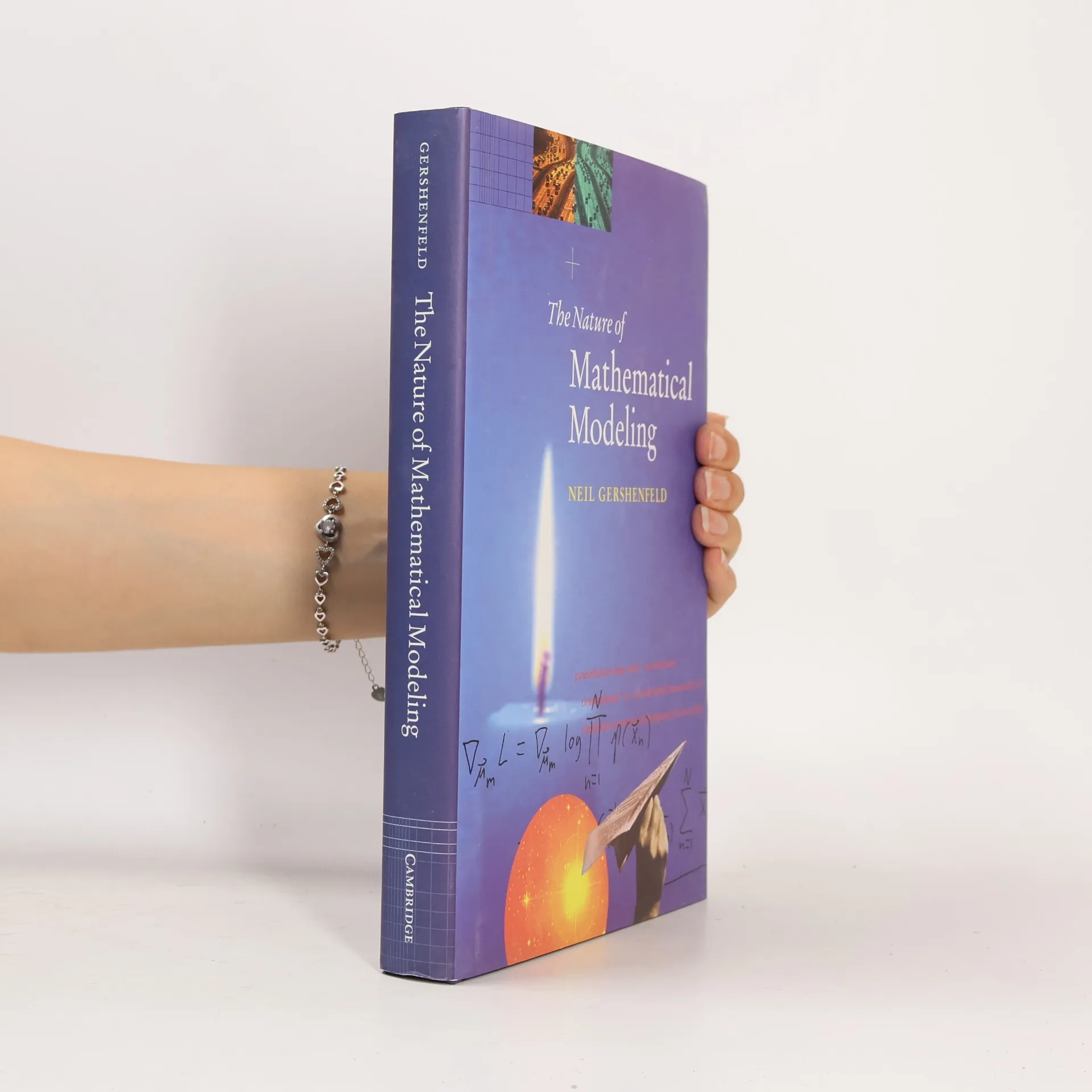
This is a book about the nature of mathematical modeling, and about the kinds of techniques that are useful for modeling. The text is in four sections. The first covers exact and approximate analytical techniques; the second, numerical methods; the third, model inference based on observations; and the last, the special role of time in modeling. Each of the topics in the book would be the worthy subject of a dedicated text, but only by presenting the material in this way is it possible to make so much material accessible to so many people. Each chapter presents a concise summary of the core results in an area. The text is complemented by extensive worked problems.
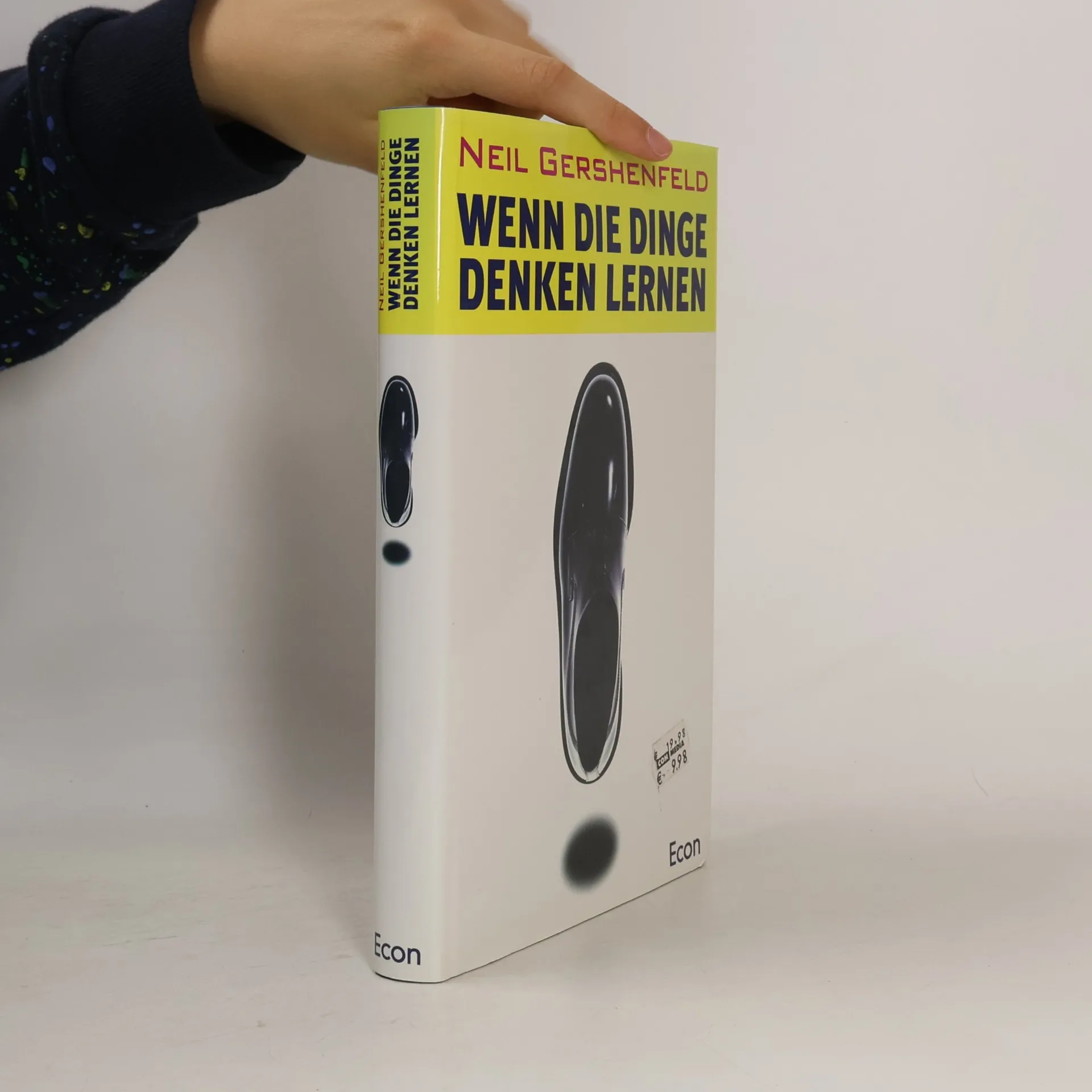
Wenn die Dinge denken lernen
- 235 stránek
- 9 hodin čtení