

In modern scientific investigation, biochemistry, molecular biology, and morphology are interconnected fields of study. This volume results from collaboration between a bioehernist and morphologists, aiming to revise and unify existing data. It serves as a practical laboratory manual, providing guidelines for experimental work. Previous research on plant microbodies by B. Gerhardt is referenced, highlighting the discovery of fatty acid ß-oxidation in animal peroxisomes, which underscores the shared characteristics of plant and animal microbodies as organelles. This finding has deepened our understanding of these classical cell structures, which continue to evolve in our scientific comprehension. Acknowledgements are made to various professionals for their contributions, including Prof. Dr. D.H. Fahimi and Dr. P. Kalmbach for providing figures, as well as Profs. Dr. L. Stockinger and Dr. E. Kaiser for their valuable feedback. Special thanks are extended to Drs. H. Goldenberg and M. Hüttinger for ongoing discussions, Mrs. Jutta Selbmann for her assistance with references, and Mr. P. Kampfer and Mr. H. Wagner for their meticulous work on figures.
Peter Bock Knihy

Interzonenzüge
- 167 stránek
- 6 hodin čtení
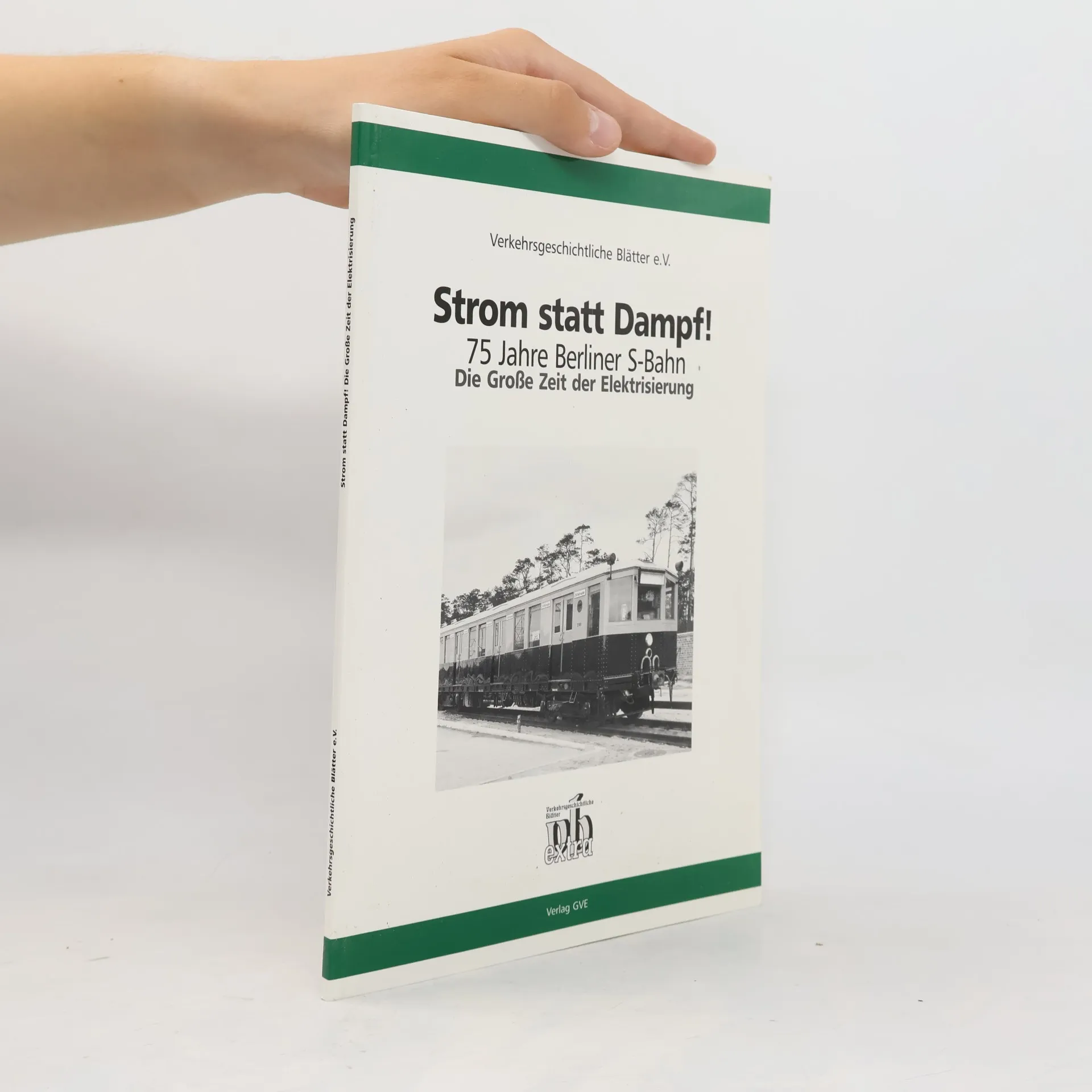
Das jetzt in Neuausgabe erscheinende Standardwerk von Peter Bock gibt einen spannenden und erschütternden Überblick über die Entwicklung des Zugverkehrs zwischen der DDR und der Bundesrepublik Deutschland. Von den ersten Nachkriegswochen über die Zeiten von Berlin-Blockade, Mauerbau und Grundlagenvertrag bis hin zu den dramatischen Tagen der Grenzöffnung im November 1989 erinnert es daran, wie undurchdringlich die innerdeutsche Grenze war.
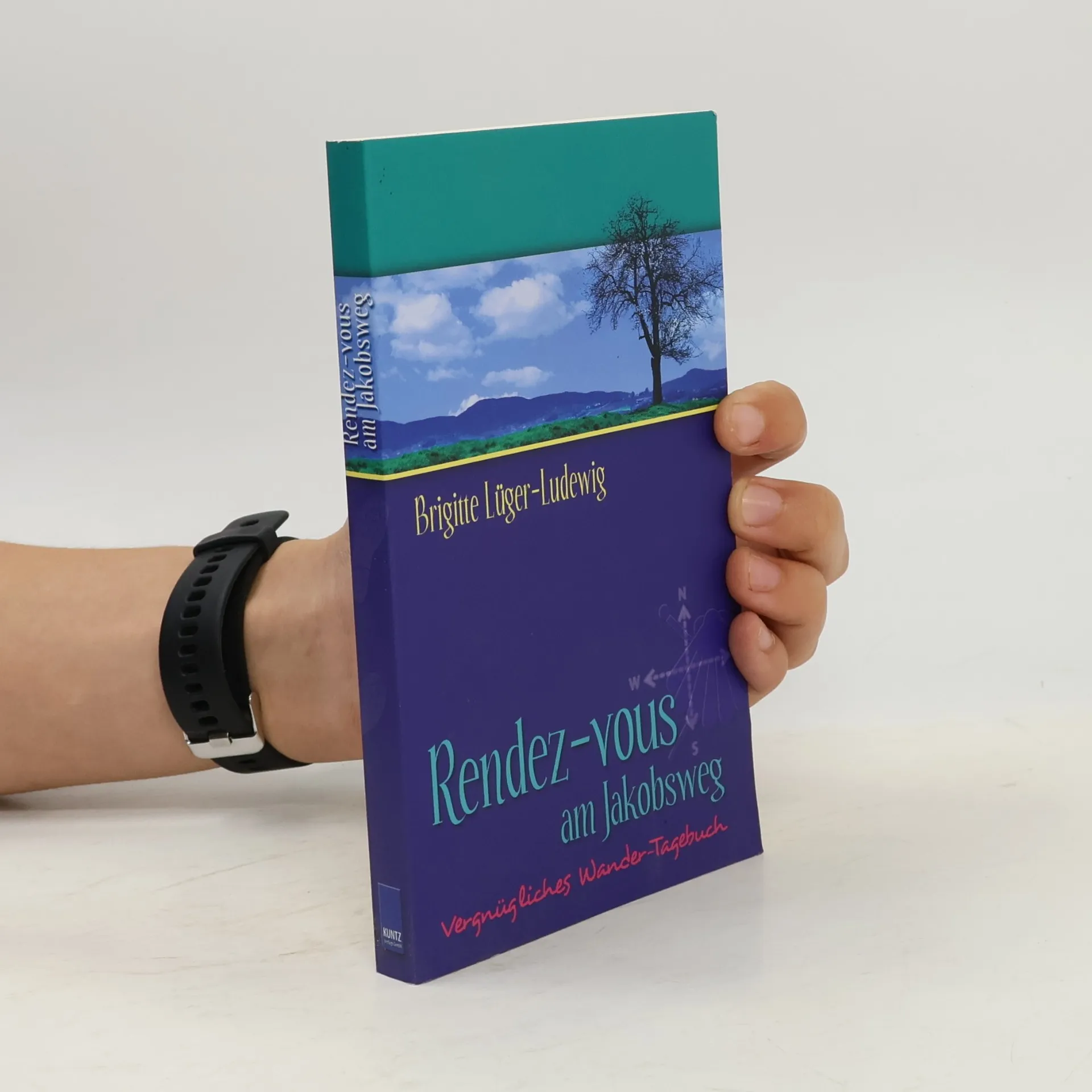
Rendez-vous am Jakobsweg
- 191 stránek
- 7 hodin čtení
Vier Freunde wandern auf den Pfälzer Jakobswegen, einer über die Nordroute, drei über die Südroute. In Speyer trennen sie sich, in Hornbach treffen sie sich nach sechs Tagen wieder. Auf beiden Strecken entsteht eine Art vergnügliches Wander-Tagebuch, das die Wegführung beschreibt, Einkehr- und Übernachtungsmöglichkeiten ebenso bringt wie Begegnungen mit interessanten Menschen am Wegesrand.