

A wide-ranging study of the city as a site of innovation and experimentation and as the generator of a vibrant culture.
Eve Blau Knihy
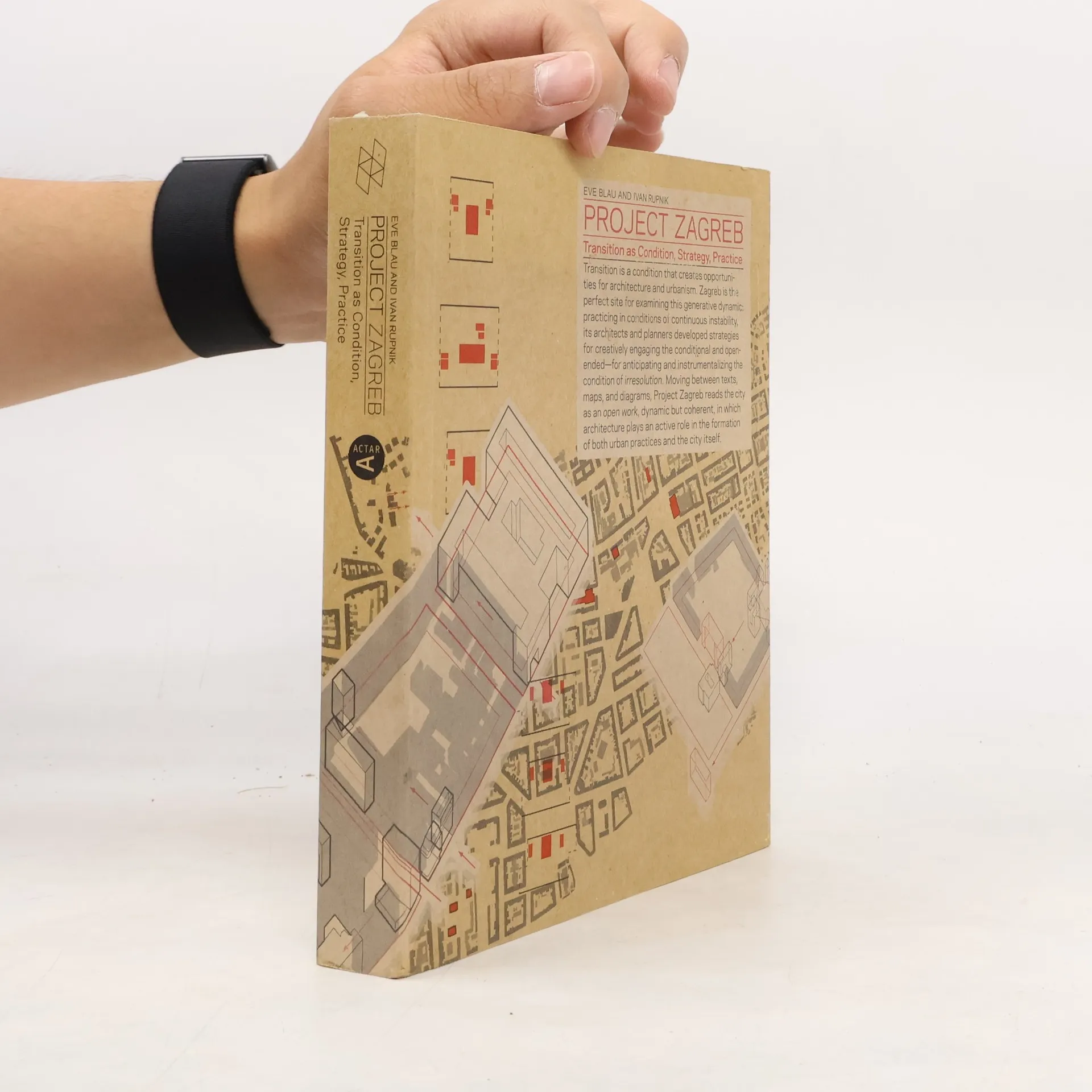

Zagreb serves as an ideal case for exploring the dynamics of transition, particularly as Croatia prepares for EU entry while navigating a complex "transition economy." For over a century, the city has experienced continuous political and economic shifts, prompting architects and planners to devise innovative urban strategies that embrace instability. This book investigates how these strategies, once manifested in built form, create new practices that yield unexpected results. Consequently, the city itself becomes a participant in transforming architectural and urban methodologies. Transition is portrayed not just as a backdrop for practice, but as a condition that elevates design above planning, allowing architecture to actively shape the city's evolution. Featuring new mappings, diagrams, and previously unpublished texts and photographs, the book includes contributions from notable figures such as Hrvoje Njiric, Helena Paver Njiric, and others. This study originated from a seminar at Harvard University Graduate School of Design, highlighting the interplay between design, urbanism, and the ongoing process of transition in Zagreb.
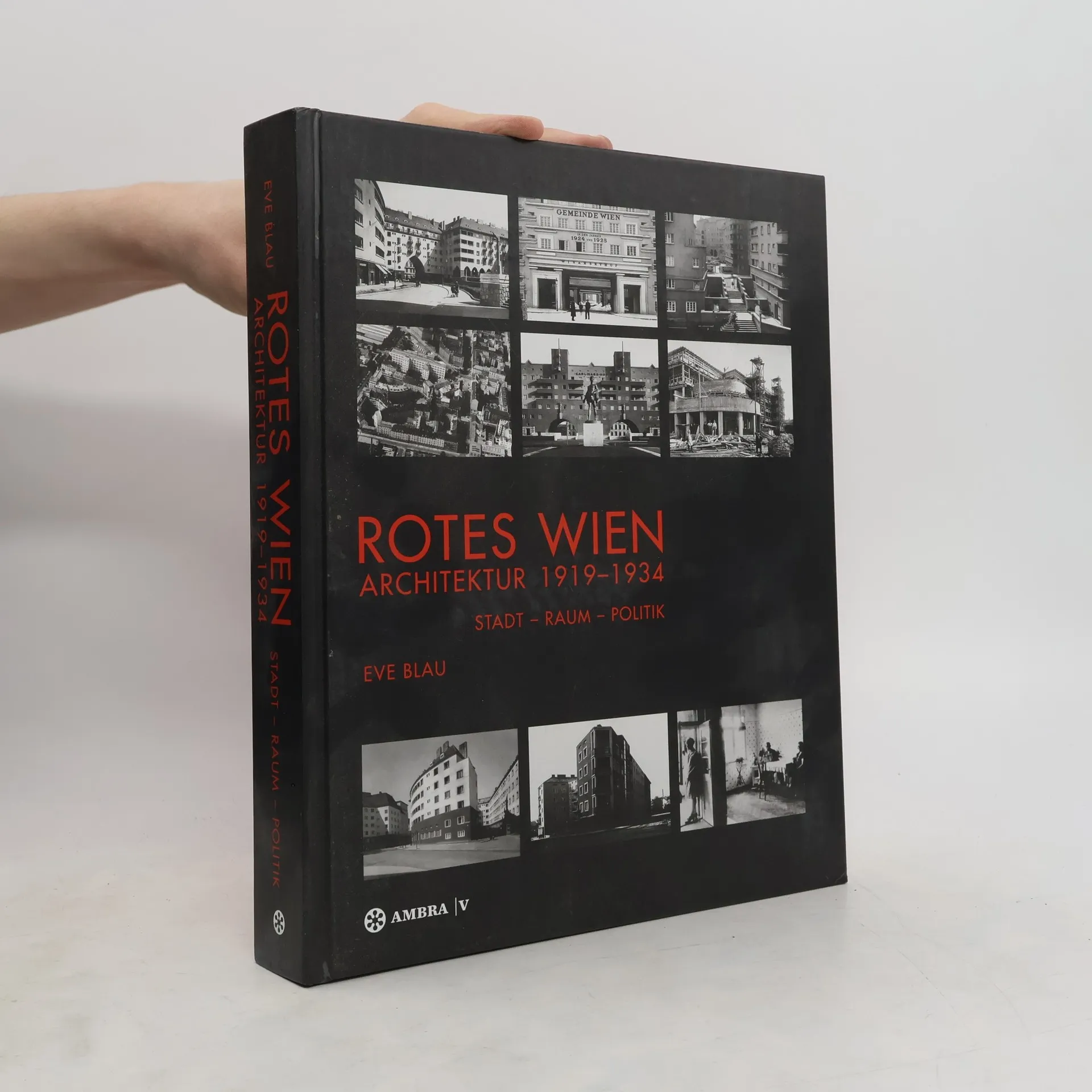
Rotes Wien: Architektur 1919 - 1934
- 534 stránek
- 19 hodin čtení
1919 initiierte die sozialdemokratische Wiener Stadtregierung ein Reformprogramm um die Infrastruktur nach sozialistischen Vorstellungen zu formen. Das Herzstück des „Roten Wien“ waren die Wiener Gemeindebauten, 400 städtische Häuserblöcke, die, verteilt über die ganze Stadt, Wohnraum für ein Zehntel der Stadtbevölkerung bot. Während der Baukampagne wurde Österreich jedoch von einer konservativ-klerikalen, antisozialistischen Mehrheit regiert. In ihrem Buch zeigt Eve Blau wie dieser ideologische Konflikt die Bauten des Roten Wien formte, wie sich die Architektur ihrer eigenen Codes, Praktiken und Geschichte bediente um ihre Position gegenüber den politischen Rahmenbedingungen abzugrenzen. Das Buch, längst Standardwerk in der Architektur- und Kunsthistorikerausbildung, liegt nun erstmals in deutscher Übersetzung vor.