

The Dresden-based artist Max Uhlig has created a truly one-of-a-kind installation for the Gothic Church of Saint John in Magdeburg, Germany. The cathedral, first built in 1209, was destroyed during World War II when heavy bombing destroyed the church’s windows and caused significant structural damage. Restorations of the cathedral began in 1992, and soon thereafter Uhlig began his installation, with thirteen of the church’s windows serving as a canvas.A window area of some 350 square meters immerses the interior of the church in light. Uhlig’s installation offers an abstracted history of the church’s destruction and rebirth. Six windows are presented in dark earth tones and luminous yellows and blues are interspersed with fiery reds, recalling both natural foliage and the flames that destroyed the cathedral. This contrasts with the seven windows in black and painted vines climb up the choir windows, varying in height to represent new growth. Uhlig’s expressive and rhythmic lines are a revelation in their incisiveness. This magnificent volume about his latest masterpiece shows that Uhlig is at the very height of his career, a painter who will be remembered in our times.
Annegret Laabs Knihy

ZANDILE TSHABALALA
- 104 stránek
- 4 hodiny čtení
Sumptuous contemporary portraiture of young Black women in their daily lives South African artist Zandile Tshabalala (born 1999) makes sumptuous oil paintings of young Black women in everyday settings appearing sensual, confident and relaxed. By inserting her subjects into traditional motifs meant to exclude the Black body, Tshabalala both confronts and subverts canonical and art-historical conventions.
Koen van den Broek
Of(f) Road
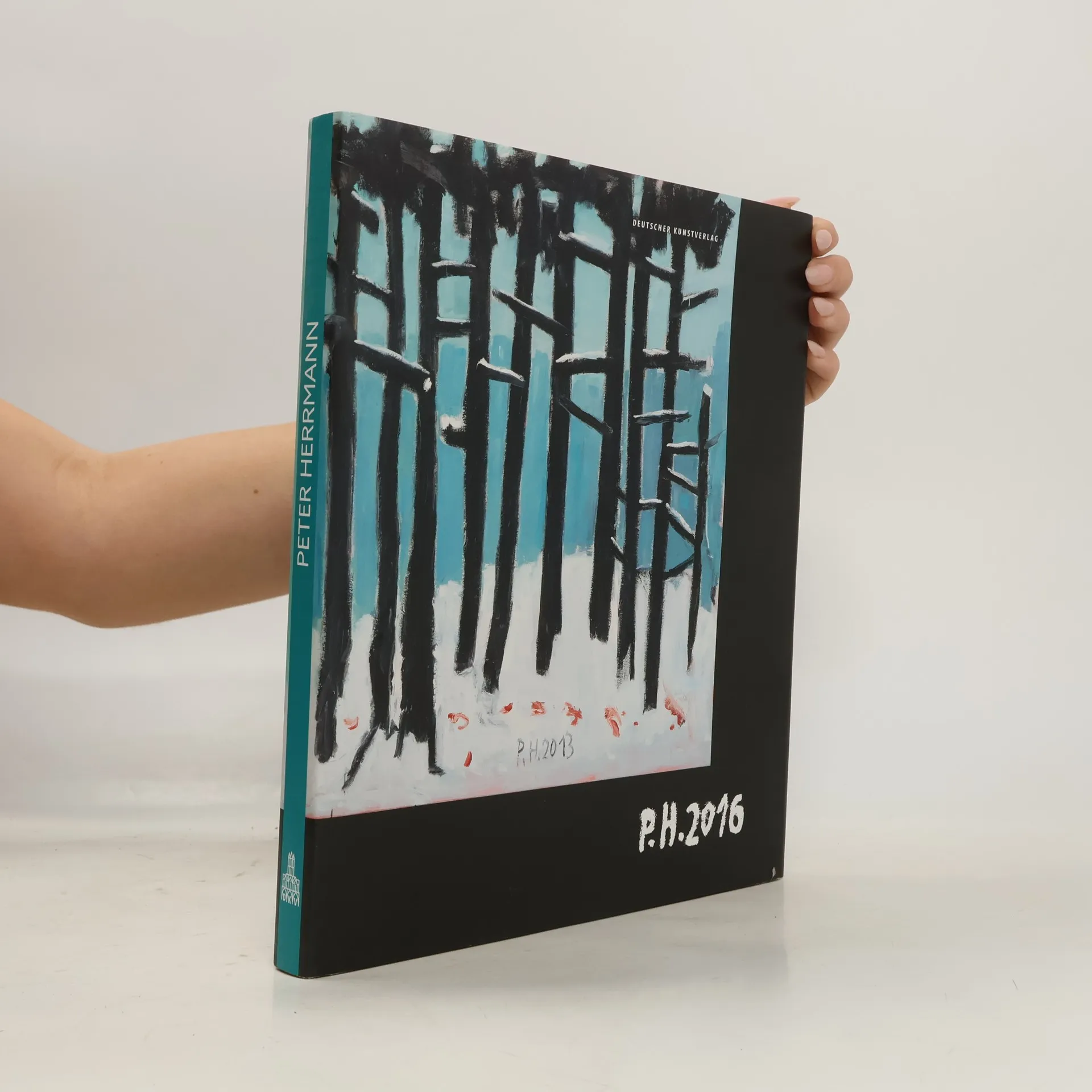
Faced with Peter Herrmann’s paintings we can rediscover a sense of wonder, discover what is fascinating in urban scenes, everyday objects and routine events, and trace the sometimes unspectacular aspects of human existence. The painter, born near Zittau in 1937, who now lives in Berlin, does not shy away from taking on the tradition of the great masters of art, from Paolo Uccello to Caspar David Friedrich, or to Paul Cezanne. Moreover, the effect of his paintings is underscored by an ironic, cryptic humor.This catalogue is the first to extensively introduce the oeuvre of Peter Herrmann. It provides insights into early work phases and retraces the artist’s biography in close connection to his works. The main focus of the book is placed on works Herrmann created starting in 2000. In a sumptuous series of images the reader encounters a type of painting dominated by bright, strong tones and fields of color. In their reduction of what is represented and their nonchalance, the works provide answers and ask questions in equal measure.
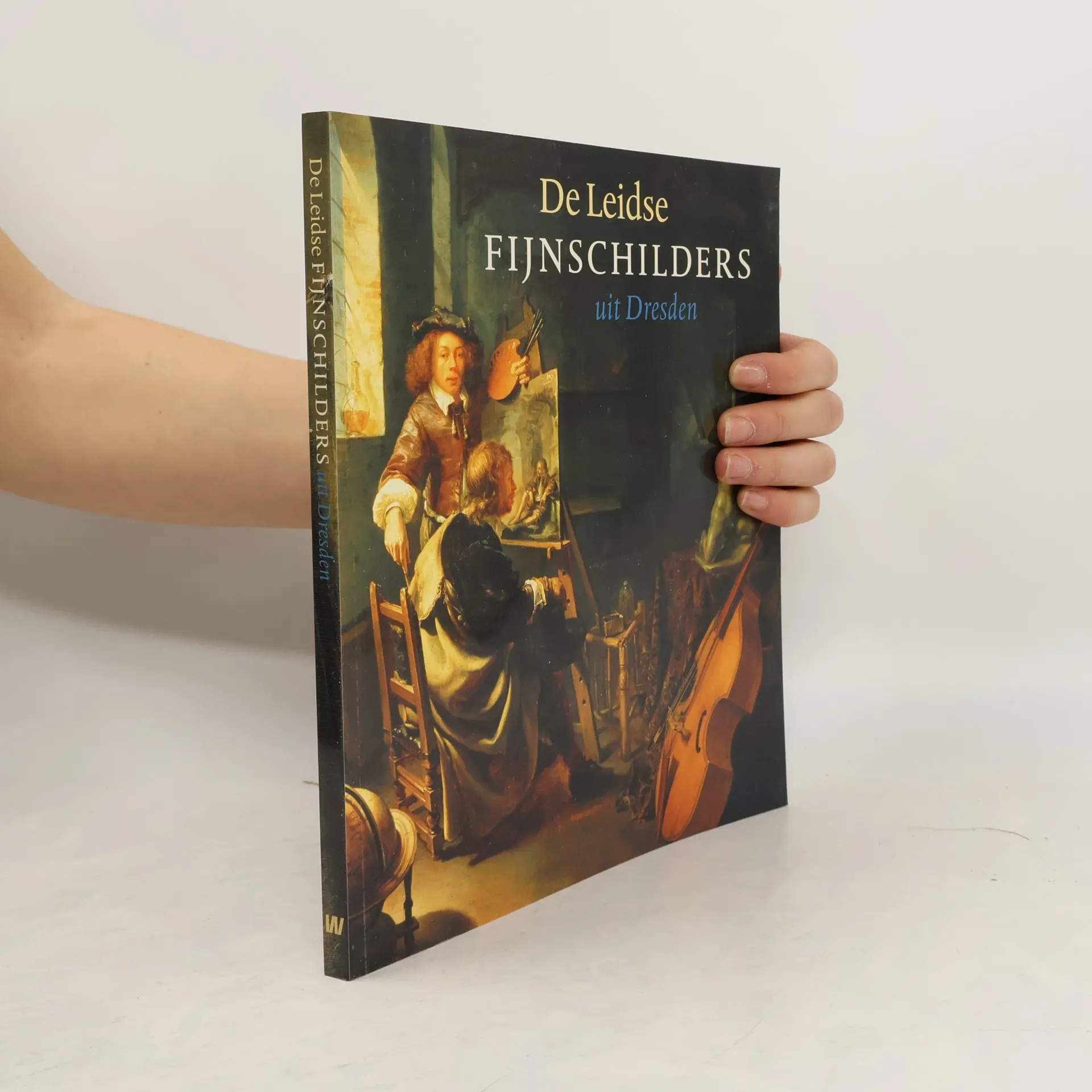
De Leidse fijnschilders uit Dresden
- 131 stránek
- 5 hodin čtení
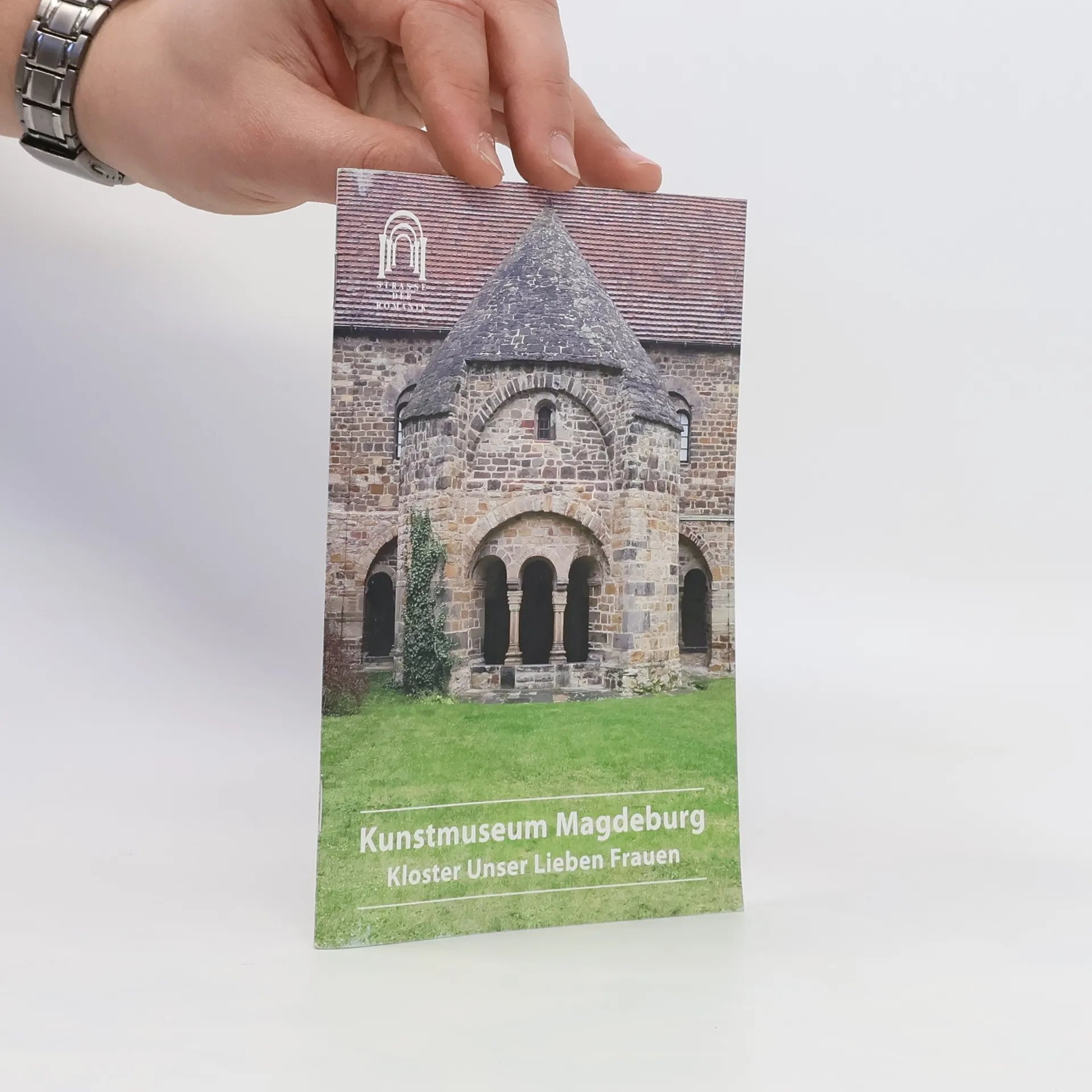
Kunstmuseum Magdeburg
- 40 stránek
- 2 hodiny čtení
Im ältesten erhaltenen Bauwerk Magdeburgs, dem ehemaligen Marienstift 'Unser Lieben Frau', befindet sich heute neben wechselnden Kunstausstellungen vor allem die museale Skulpturensammlung der Stadt Magdeburg mit Werken von der Antike über das Mittelalter bis zu einem großen zeitgenössischen Bestand. Außerhalb der Klausurräume wurde in der DDR ein großer Skulpturenpark begründet, dessen Ausbau heute auf die internationale Kunst der Gegenwart fokussiert ist. Die romanische Klosterkirche wird für musikalische Aufführungen genutzt.