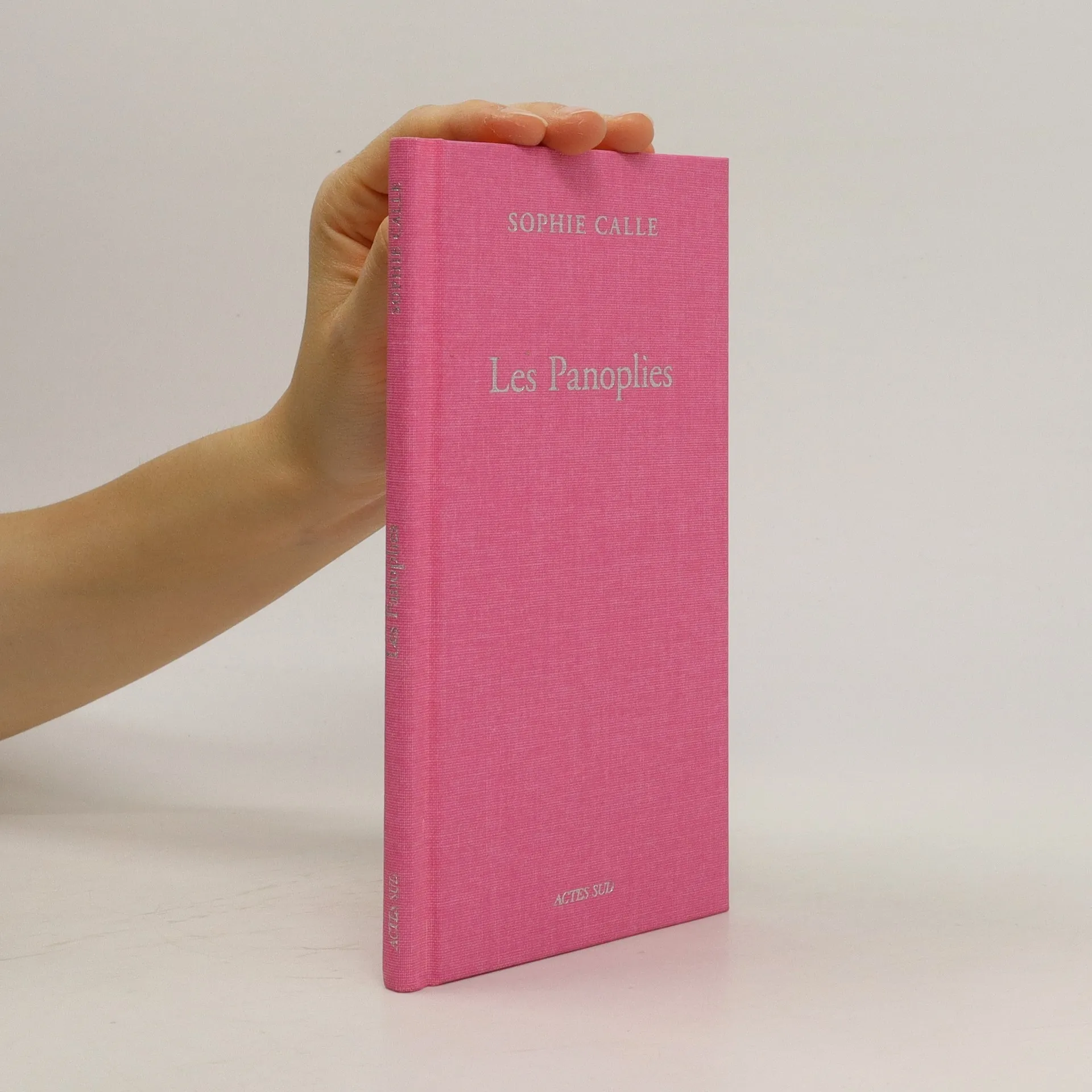
Sophie Calle Knihy
Sophie Calleová je francouzská umělkyně, jejíž dílo se vyznačuje používáním libovolných omezení a evokuje francouzské literární hnutí Oulipo ze 60. let. Její tvorba často zobrazuje lidskou zranitelnost a zkoumá témata identity a intimity. Je známá svou schopností vyšetřovat soukromé životy cizinců a její fotografie jsou často doplněny texty, které sama napsala.


Sophie Calle
Take Care of Yourself
"I received an email telling me it was over. I didn't know how to respond. It was almost as if it hadn't been meant for me. It ended with the words, 'take care of yourself.' And so I did. I asked 107 women (including two made from wood and one with feathers, chosen for their profession or skills, to interpret this letter. To analyze it, comment on it, dance it, sing it. Dissect it. Exhaust it. Understand it for me. Answer for me. It was a way of taking the time to break up. A way of taking care of myself."--First unnumbered page.
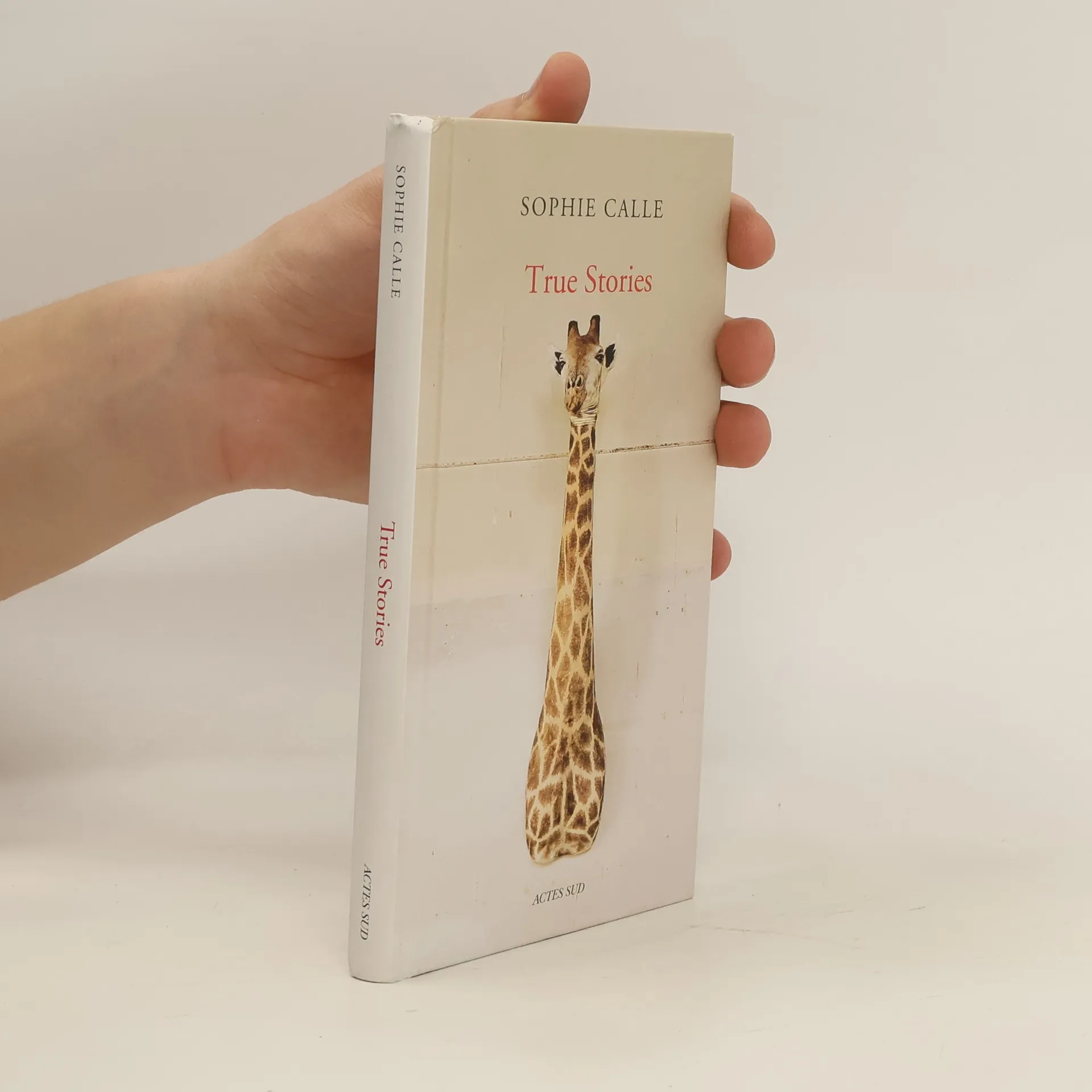
True Stories
- 111 stránek
- 4 hodiny čtení
This expanded edition of Calle's 1994 classic features four new tales. First published in French in 1994, quickly acclaimed as a photobook classic and since republished and enhanced, 'True Stories' returns for the fifth time, gathering a series of short autobiographical texts and photos by acclaimed French artist Sophie Calle, this time with four new tales. Calle's projects have frequently drawn on episodes from her own life, but this book--part visual memoir, part meditation on the resonances of photographs and belongings--is as close as she has come to producing an autobiography, albeit one highly poetical and fragmentary, as is characteristic of her work. The tales--never longer than a page -- are by turns lighthearted, humorous, serious, dramatic or cruel. Each is accompanied by an image; each offers a fragment of life. The slim, portable volume is divided into sections: the first is composed of various reflections on objects such as a shoe, a postcard or "the breasts"; the second, "The Husband," of recollections of episodes from Calle's first marriage; and the third gathers a variety of autobiographical recollections. Calle herself is the author, narrator and protagonist of her stories and photography; her words are somber, chosen precisely and carefully. -- publisher's statement
Sophie Calle - Double Game
- 296 stránek
- 11 hodin čtení
Published by Violette Editions in 1999, this book marks Sophie Calle’s first significant work in English, garnering international acclaim for its concept, text, and exceptional design. The original edition has been out of print since its release, and the new edition coincides with the 2007 Venice Biennale, a prominent contemporary art exhibition. This edition retains the original content and design, including the signature ribbon, but is presented in a smaller hardback format. The narrative begins with a fictional character named Maria, who first appears in Paul Auster’s novel Leviathan. Maria’s “works” draw inspiration from Calle’s own creations, explored in the book's initial section. The second part features a blend of Calle’s narrative and abstract pieces, illustrated through text and images adapted by Maria in Leviathan. The final section includes dialogue from Auster, focusing on Calle, and presents “Personal Instructions for SC on How to Improve Life in New York City (Because She Asked…),” known as the Gotham Handbook. This unique interplay of fiction and reality highlights Calle's innovative approach to art and literature.
The Elevator Resides in 501
- 392 stránek
- 14 hodin čtení
The book delves into Sophie Calle's immersive exploration of the abandoned Hôtel du Palais d'Orsay between 1978 and 1981, where she inhabited room 501 and documented its decay through photography. Over five years, she collected various artifacts that revealed stories of the past. Decades later, she revisits the site during lockdown, armed with a flashlight, to uncover its history and the remnants of its former life. This work reconstructs her archive, intertwining personal memories with the broader narrative of a forgotten space, evoking a sense of nostalgia and connection to history.
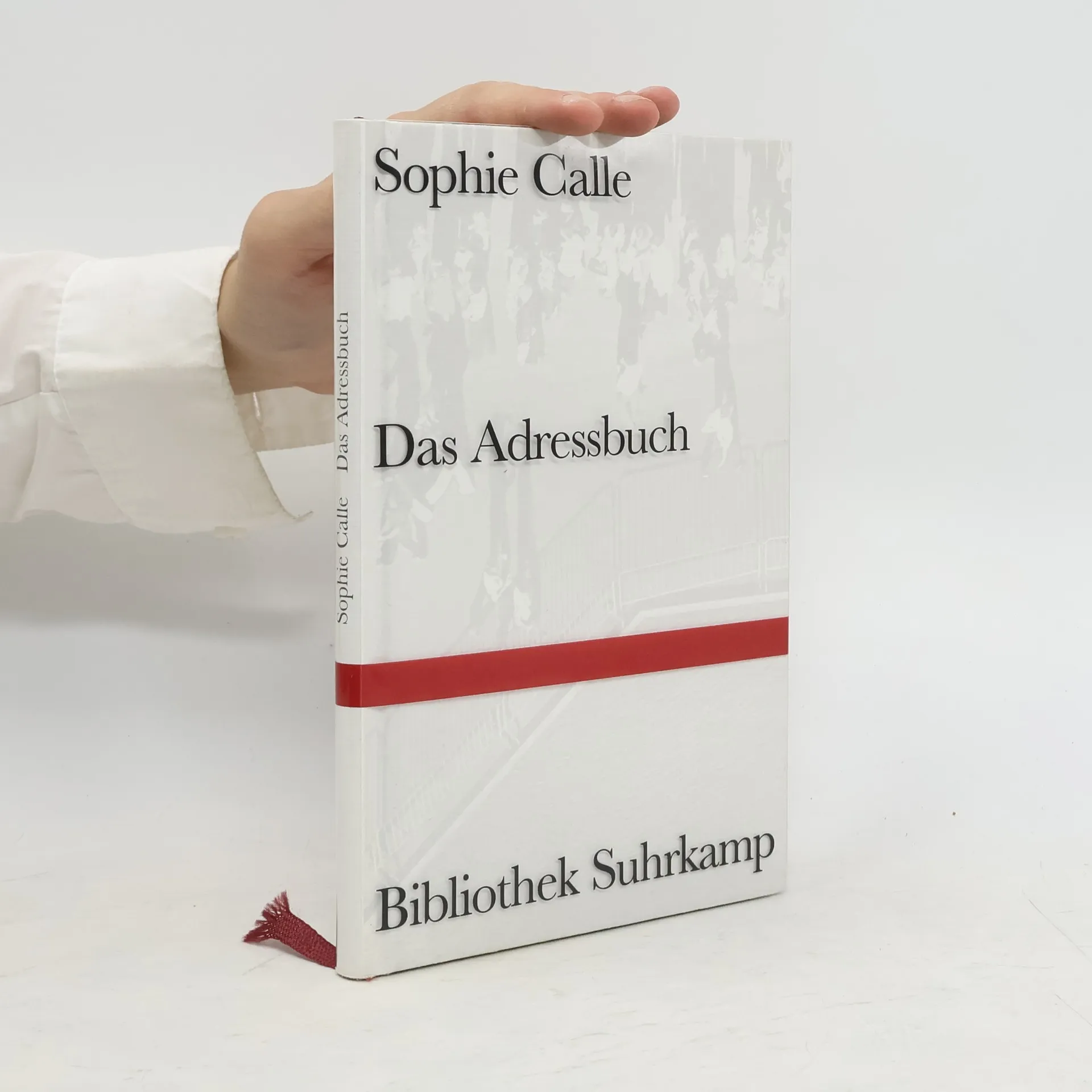
Sophie Calle findet ein Adressbuch und kopiert die Seiten daraus, bevor sie es anonym an den Besitzer, einen gewissen Pierre D., zurückgibt. Dann beginnt sie, zu denen, die in dem Buch verzeichnet sind, Kontakt aufzunehmen, sie trifft sich mit D. s Familie, Freunden, Bekannten, Affären. Mit jeder Begegnung wird Pierre D. plastischer und zugleich undurchdringlicher, Calles Recherche verkompliziert sich zusehends, während sie versucht, die schiere Vielzahl von Details – scheinbar Triviales wie potentiell Aufschlussreiches – zu dem bündigen Porträt eines Unbekannten zu fügen. Und im Lauf ihrer Nachforschungen hat Sophie Calle auch die eigenen Motive, Obsessionen und Ängste zu hinterfragen. Sophie Calle hat diese Begegnungen mit den Menschen aus D. s Adressbuch in Text und Bild dokumentiert, 1983 erschienen diese Dokumentationen einen Monat lang als Serie in der französischen Tageszeitung Libération . Und lösten einen handfesten Skandal aus, der bis heute nachhallt. Was interessiert uns an anderen? Und was verbirgt sich hinter unserem Interesse? Charakterstudie, Bekenntnis, Essay, Konzeptkunst – Sophie Calle unternimmt eine voyeuristische Abenteuerreise durch das Adressbuch eines Fremden und erfindet eine Form, in der Leben und Kunst, Rolle und Identität, Vertrautes und Unbekanntes ineinander zu oszillieren beginnen.
Treffpunkt: Berlin
- 74 stránek
- 3 hodiny čtení
STORIES
ERZÄHLSTRUKTUREN IN DER ZEITGENÖSSISCHEN KUNST