
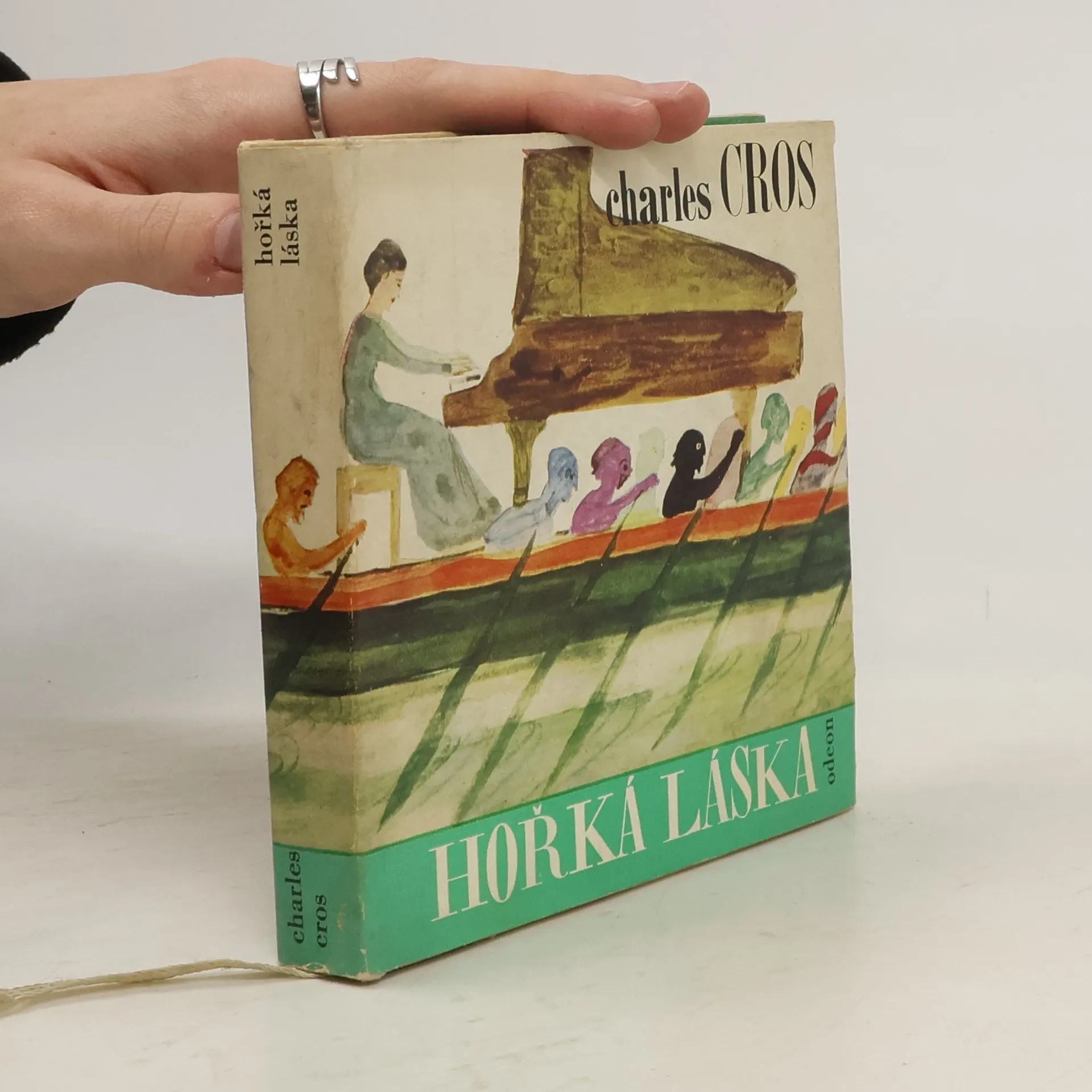
Výbor z básní i próz jednoho z nejvýraznějších francouzských prokletých básníků. Svým dílem, nepříliš rozsáhlým, ale velmi rozmanitým, které zahrnuje milostnou i humornou poezii ve verších i v próze, oplývající fantastickoulehkostí a svěží melodičností písní a jiskřivými krátkými spojeními, do něhož však náležejí i vědecká pojednání z oboru fyziky a chemie, Cros vytváří básnickou koncepci absurdity moderního člověka.
Charles Cros Knihy
Tento francouzský básník a všestranný tvůrce proslul svým osobitým humorem a poetickým talentem. Jeho dílo se vyznačuje invencí a hravým duchem, často zkoumá neobvyklé nápady a formy. I když byl oceňován pro svou literární tvorbu, jeho myšlení se ubíralo i mnoha dalšími směry, včetně vynálezectví. Jeho jedinečný přístup k jazyku a světu zanechal nesmazatelnou stopu v literatuře.
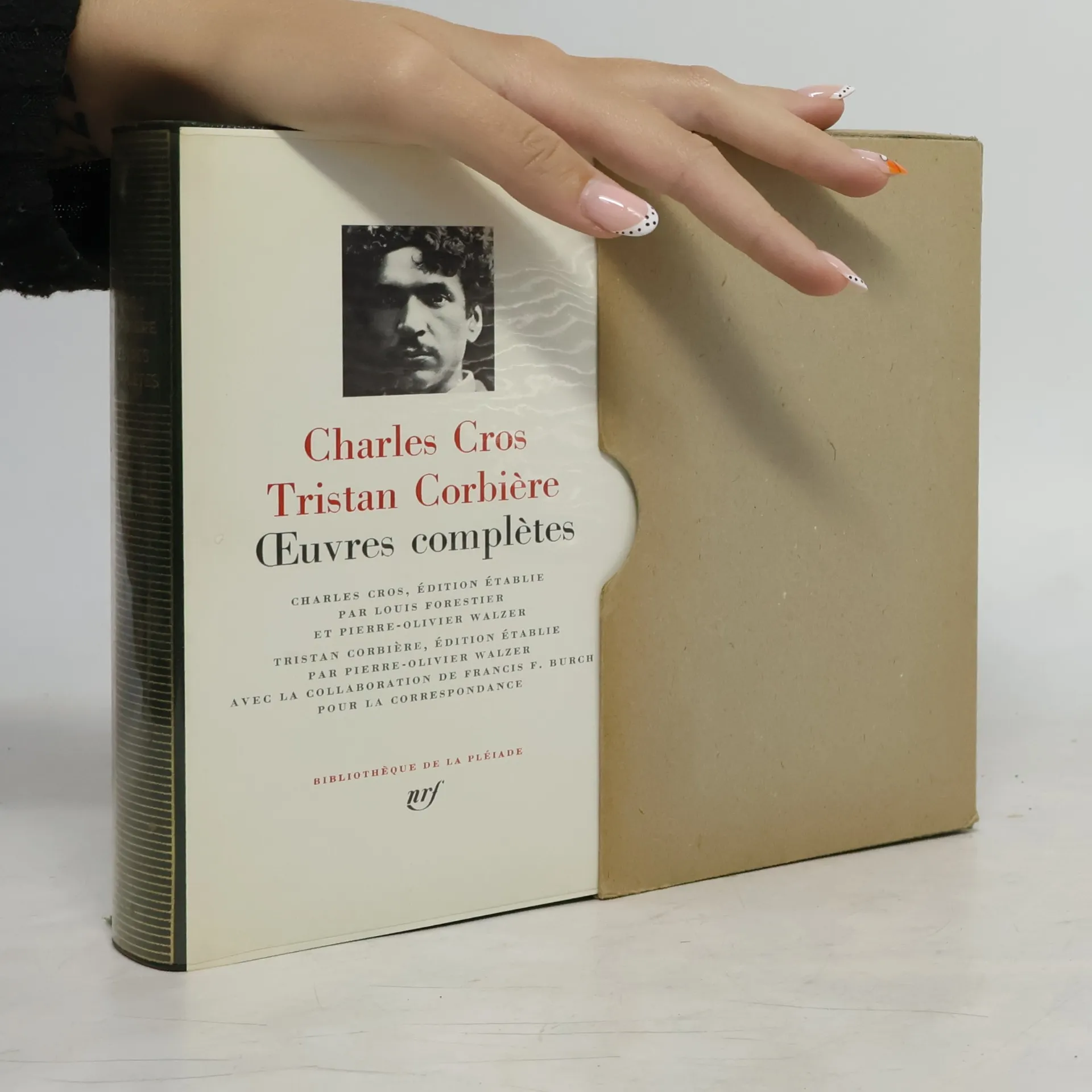


Principles of Cerebral Mechanics
- 120 stránek
- 5 hodin čtení
[i]The Science of Love and Other Writings[/i] brings together for the first time in English all the literary prose of Charles Cros. An indefinable polymath of fin-de-siécle Paris, Cros’s imagination had one foot in the literary currents of his time, and the other in the field of science. This amalgamation is fully demonstrated in this collection, which includes proto-science-fiction stories; his contributions to what was then the new form of the prose poem; a sober, if fantastical, scientific study on methods of communication with other planets; and the patent application written with his brother for a (never-built) notating keyboard.The literary imagination he was able to bring into the field of science was matched by the humorous scientific sobriety he introduced into his literature, which he did nowhere so effectively as in the title piece, “The Science of Love”: a depiction of a young scientist’s painstakingly executed seduction of a woman for the sake of scientific analysis, utilizing litmus paper and measuring releases of carbonic acid during maximized passion. Its humor led Joris-Karl Huysmans to include it in the rarefied library of À rebours, where the College de ’Pataphysique declared “An Interplanetary Drama” to be a “canonical text.” Also included are stories such as “The Newspaper of the Future” (which presents a nineteenth-century imagining of artificial intelligence) and “The Stone Who Died of Love.”