


Knihobot

Bernard Wasserstein

    22. leden 1948

    Bernard Wasserstein je autorem, jehož dílo se zaměřuje na moderní židovské dějiny. Jeho práce prozkoumává složitá témata s hlubokým historickým vhledem. Čtenáři ocení jeho analytický přístup a schopnost osvětlit klíčové momenty v židovské historii. Wassersteinův přínos k pochopení této epochy je významný.

    The Secret Lives of Trebitsch Lincoln
    Israel and Palestine
    On the Eve
    On the Eve : the Jews of Europe before the Second World War
    Secret War in Shanghai
    Městečko na kraji dějin
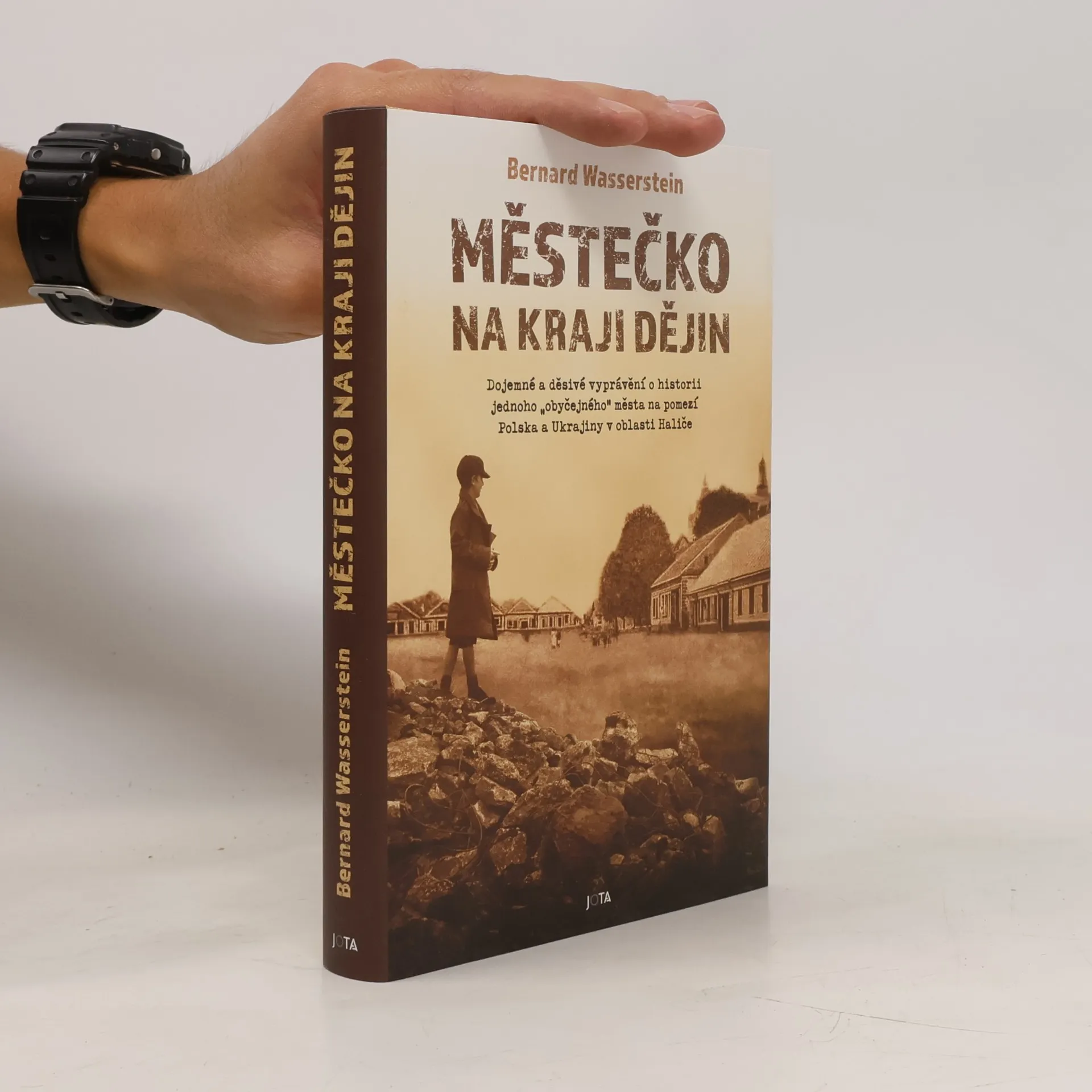
    • Městečko na kraji dějin

      • 328 stránek
      • 12 hodin čtení

      Místo, odkud jsme vzešli, místo, kam se vracíme. Dojemné i děsivé vyprávění o historii jednoho „obyčejného“ města v Haliči. Historik Bernard Wasserstein se před desítkami let rozhodl odhalit neznámé dějiny malého města na dnešní Ukrajině nedaleko Lvova, odkud pochází jeho rodina. Krakowiec, obyčejné městečko v polsko-ukrajinském pohraničí, kterým se přehnaly politické bouře a vojska mocností, má pohnutou a dramatickou historii. Velmocenské zájmy, o kterých se učí v dějepise, však nezachycují osudy obyčejných lidí, což autor napravil. Napínavá pouť staletími politických a náboženských konfliktů, kdy se Haličí prohnala vojska kozáků, Turků, Švédů, Rusů a Poláků, končí až v současnosti. Krakowiec zažil nadvládu Poláků, Rusů, Habsburků i Čechoslováků, nacistů a Sovětského svazu. Ze slávy v letech osvícenství zbyly jen trosky nádherných zahrad zámeckého paláce. A dnes se Krakowiec opět octl ve víru dějin, když z Ukrajiny utíkají lidé před válkou. Městečko na kraji dějin zprostředkovává téměř encyklopedické množství informací čtivou a záživnou formou, a haličský Krakowiec tak vstává jako fénix z popela historie.
      Městečko na kraji dějin
      4,3
    • Secret War in Shanghai

      • 354 stránek
      • 13 hodin čtení

      With its lurid vice, savage violence and conspiratorial atmosphere, no place on earth in the 1930s and 1940s better exemplified the twilight zone between politics and criminality than China's largest, most cosmopolitan and most dangerous city. Shanghai before the Second World War was an extraordinary place. Civil war raged among Chinese political factions and criminal gangs. Intelligence organizations, police forces and para-military units of many nationalities vied with one another, sold secrets and engaged in a brutal struggle for supremacy in the Far East. In Shanghai espionage, subversion, propaganda and crime came together in a lethal concoction. After Japan invaded China in 1937, the secret war intensified. Bernard Wasserstein has uncovered startling new evidence from intelligence archives in half a dozen countries. He shows how Allied and Axis agents battled one another in this oriental cockpit. He also reveals the extent of collaboration with the Japanese by British, American and Australian nationals. This book untangles a remarkable history of complicity, duplicity and betrayal -- as well as occasional heroism.

      Secret War in Shanghai
      3,5
    • Bernard Wasserstein presents a disturbing interpretation of the collapse of European Jewish civilisation even before the Nazi onslaught. He shows how the harsh realities of the age devastated the lives of communities and individuals.

      On the Eve : the Jews of Europe before the Second World War
      4,0
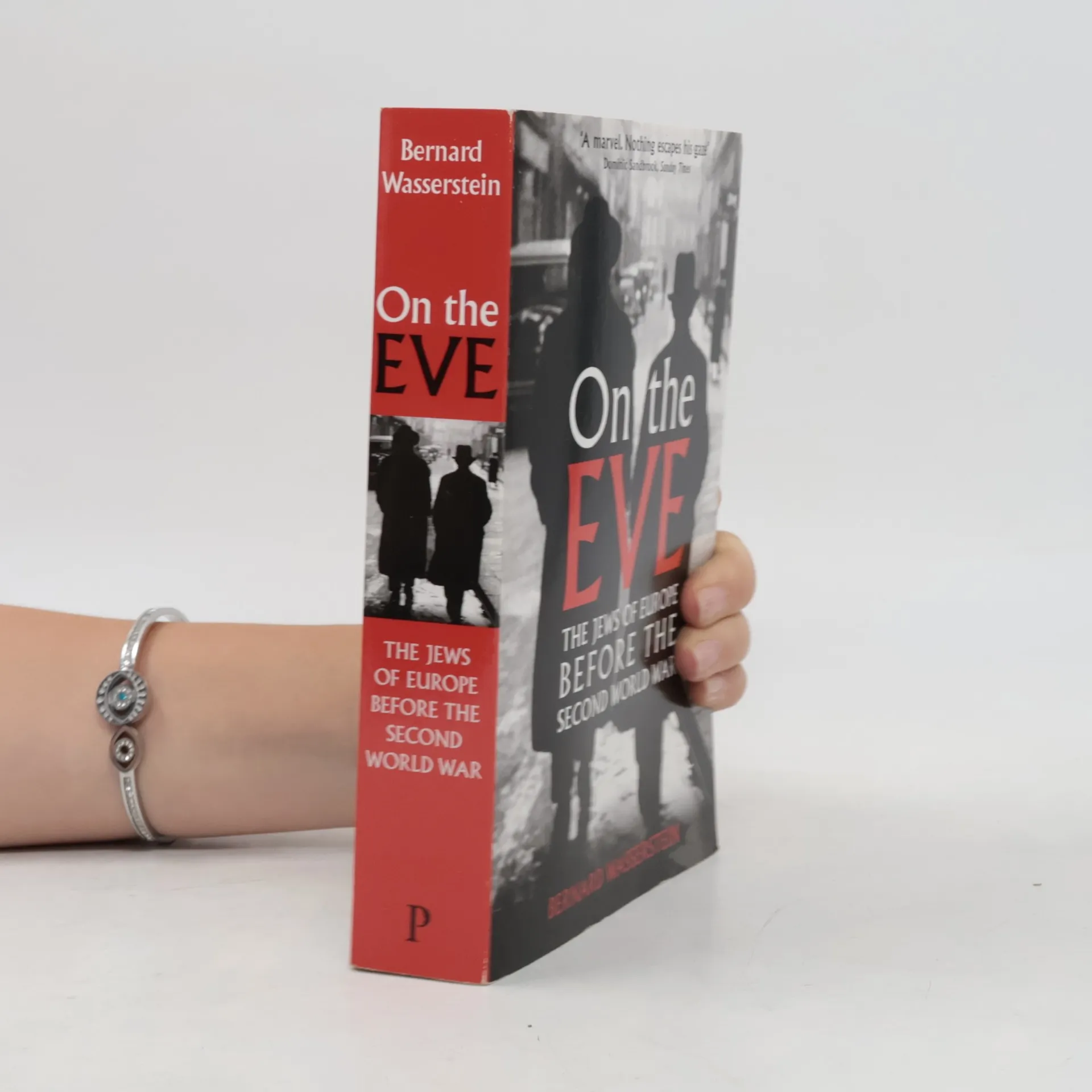
    • On the Eve

      • 552 stránek
      • 20 hodin čtení

      On the Eve is the portrait of a world on the brink of annihilation. In this provocative book, Bernard Wasserstein presents a new and disturbing interpretation of the collapse of European Jewish civilization even before the Nazi onslaught.

      On the Eve
      4,1
    • Israel and Palestine

      Why They Fight and Can They Stop?

      • 256 stránek
      • 9 hodin čtení

      The war in the Middle East is the most long-lasting, most bitter and most intractable in the world. In a short pithy volume, the most distinguished historian of the Middle East explains the conflict. A new interpretation of the historical and contemporary realities of the Israeli-Palestinian conflict. Bernard Wasserstein challenges the conventional view of the struggle as driven primarily by irrational, nationalist and religious ideologies. Instead he focuses on hitherto relatively neglected dimensions -- population, land, labour, and the social dynamics of political change. He maintains that Israelis and Palestinians live today in 'Siamese twin societies'. However much they may wish to, neither side can escape the impinging presence and influence of the other. In spite of the current diplomatic impasse and continuing bloodshed and hate-mongering, Wasserstein offers a realistic and persuasive basis for optimism. He argues that demographic, economic and social imperatives are driving the two sides willy-nilly towards some form of symbiosis and accommodation. This startlingly original view of relations between Jews and Arabs in Palestine and Israel over the past century offers hope for the success of current efforts towards peace in the Middle East.

      Israel and Palestine
      3,5
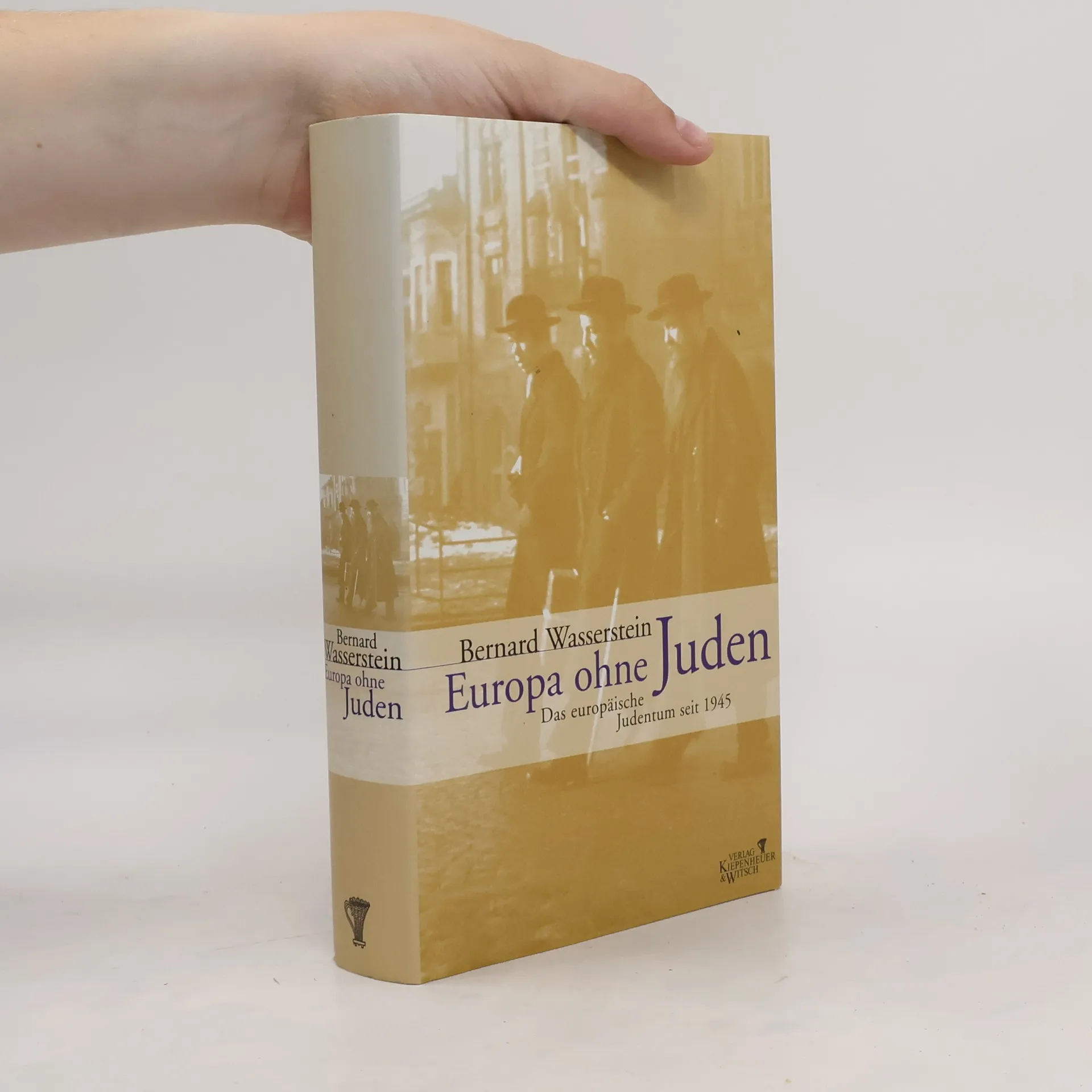
    • Europa ohne europäisches Judentum seit 1945. Immer weniger Juden leben in Europa und verlieren zunehmend ihren authentischen kulturellen Charakter. Wird es ihnen noch gelingen, im 21. Jahrhundert eine Rolle zu spielen? Der Oxford-Historiker Wasserstein beschreibt eloquent und kenntnisreich die Geschichte des Judentums in Europa seit 1945. Seine pessimistische Einschätzung lautet: Wenn nur kommerzialisierte jüdische Kultur mit Anatevka-Aufführungen und Klezmer-Musik bleibt, könnten die Nazis nachträglich doch noch den Tag gewinnen.

      Europa ohne Juden
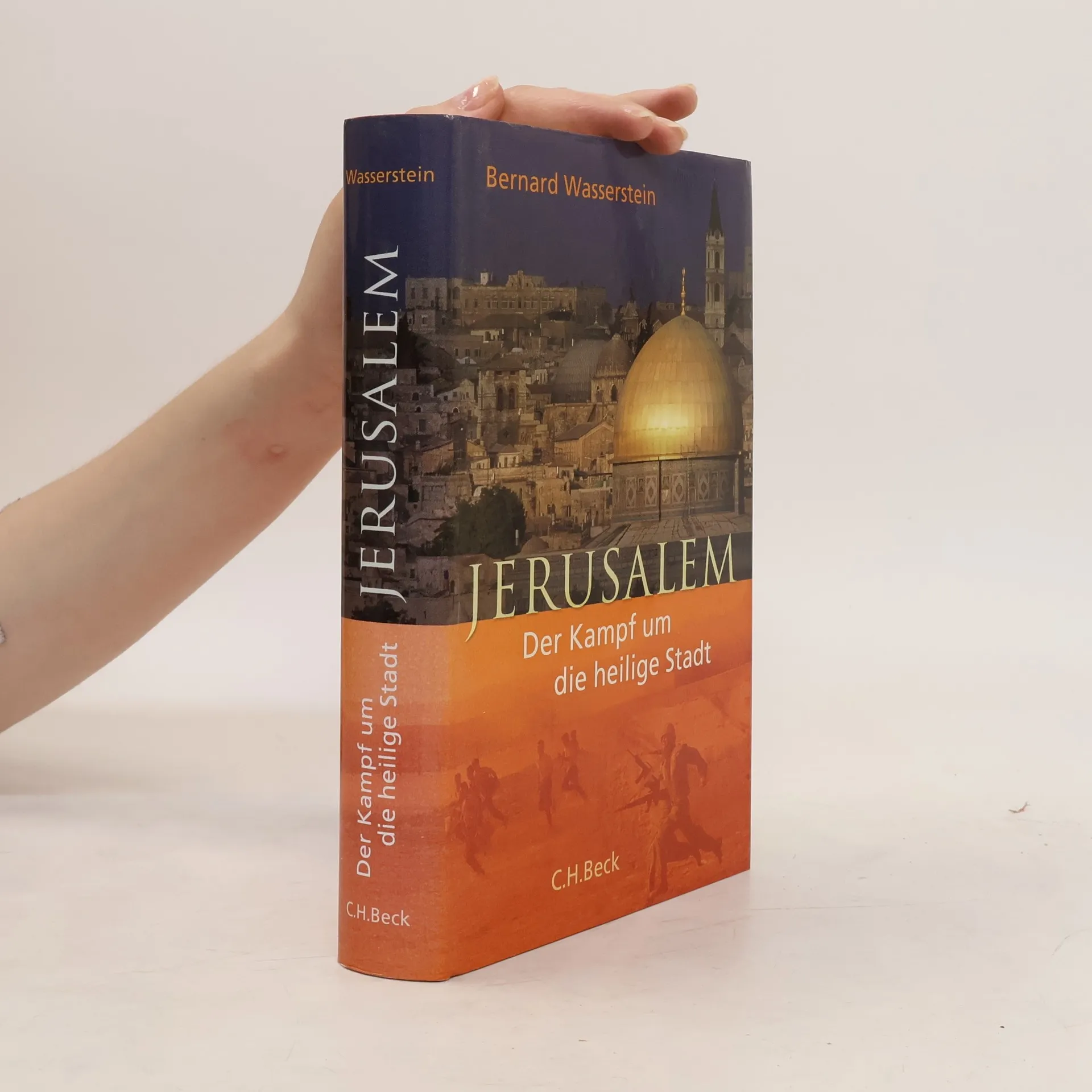
    • Jerusalem

      • 380 stránek
      • 14 hodin čtení

      „Jerusalem“, schrieb Herman Melville 1860 nach einem Besuch in der Stadt, „wird von einem Heer von Toten belagert.“ Heute steht Jerusalem im Zentrum des Nahost-Konflikts, der sich immer mehr zu einer ernsthaften Bedrohung für den Weltfrieden auswächst. Der britische Historiker Bernard Wasserstein erzählt in seinem spannend geschriebenen Buch, warum die heilige Stadt seit Jahrhunderten keinen Frieden findet. Keine andere Stadt der Welt trägt so schwer an der Last ihrer Geschichte wie Jerusalem. Die heilige Stadt ist für Christen, Juden und Muslime von großer religiöser Bedeutung, und sie liegt im Fadenkreuz der politischen Konflikte zwischen Arabern, Palästinensern und Israelis. Ohne eine Einigung über Jerusalem gibt es keinen Frieden im Nahen Osten. Bernard Wasserstein schildert den dramatischen Kampf um Jerusalem vom 19. Jahrhundert, als dort die europäischen Mächte erstmals auf den Plan traten, bis hin zu den blutigen Ereignissen der letzten Wochen und Monate. Er entwirrt für den Leser das Knäuel der rivalisierenden Kräfte und Interessen in der Stadt, und er erklärt, warum so viele Friedensbemühungen gescheitert sind. Sein grundlegendes, aus den Quellen gearbeitetes Buch ist eine meisterhafte Einführung in eines der schwierigsten Kapitel der Weltpolitik.

      Jerusalem