The euphoria experienced when a new relationship begins soon wears off. Anger, disappointment or even hurt may begin to creep into long term relationships. Whether disputes are over money or sex, or simply that neither partner feels like talking at the same time - many couples may start to feel it's time to stop the rot. The aim of this book is to teach couples how to work through conflict and create more love and intimacy, not less. Chapters relate to fears and false beliefs that act as obstacles to loving feelings. In addition a section of exercises is provided for couples to explore together their feelings and beliefs about values, power struggles, and sexual expectations.
How were we transformed from ape-like creatures without tool-making, language ot culture into people of the latter part of the last ice age who, give or take the further progress of technology, were just like ourselves? Covering five million years, this is the story of human evolution. Incorporating fresh fossil discoveries in Africa, new assessments of old finds, the latest genetic developments and fledgling studies on the evolution of the mind, it is a vivid account of our collective past.
A companion to the best-selling book of the same title, this popular, newly revised workbook helps couples create a deeply satisfying, more intimate relationship. Focusing on the ever-present dynamic of conflict-and the process of working through it-the authors guide couples in getting to the root of recurring disagreements and destructive behaviors. Self-assessment exercises and couple activities help readers recognize unloving responses, move past fear, identify self-protective and negative beliefs, break down power struggles, and reach out in forgiveness. The principles outlined in this powerful, easy-to-use workbook have helped thousands of couples and families create more loving relationships. Key features and benefits a proven best-seller highly recommended by marriage therapists includes exercises for couples to explore core beliefs and values
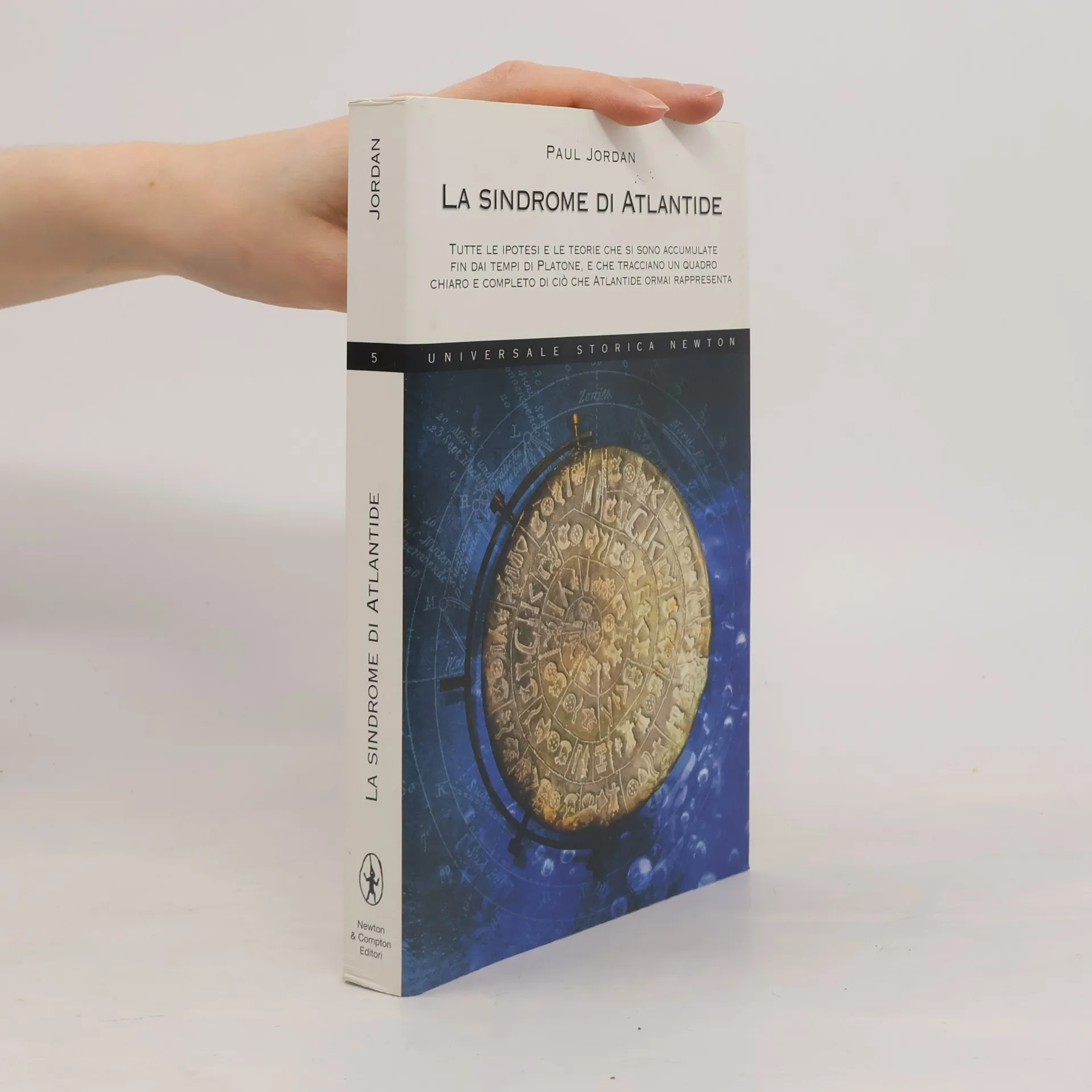
L'idea di Atlantide, emersa nei Dialoghi di Platone, ha ispirato una miriade di teorie e ipotesi nel corso dei secoli. Gli autori successivi hanno ripreso e commentato il pensiero del filosofo greco, cercando di localizzare questo continente leggendario. Dopo la scoperta dell’America, molti hanno cercato di associare Atlantide a questo nuovo continente, considerandolo la fonte perduta delle civiltà americane. Nel XIX secolo, Jules Verne descrisse Atlantide come una città classica simile all’Atene di Platone, situata vicino alle Colonne d’Ercole, ovvero lo Stretto di Gibilterra. Sebbene Platone attribuisse la scomparsa di Atlantide a un terremoto, altri hanno ipotizzato un vulcano come causa naturale. Nel tempo, sono emerse teorie sempre più fantasiose, che includono meteore e isole caraibiche originariamente collocate vicino all’Africa. Questo libro analizza tutte le ipotesi accumulate nel tempo, esplorando la “Sindrome di Atlantide”, il fascino collettivo per la leggenda del continente perduto. L'autore, Paul Jordan, è un esperto di Archeologia a Cambridge e ha una vasta esperienza nella scrittura e produzione di programmi su temi scientifici e storici. Tra le sue opere si annoverano titoli come Early Man e La sindrome di Atlantide.
This book tells the full story of the Great Sphinx of Giza as Egyptology has uncovered it. The Sphinx is one of the most striking monuments of the ancient Egyptians, and has attracted the attention of travellers, scientists, archaeologists and others for generations. Paul Jordan details the Sphinx's impact on the ancient world, on Arab writers, on Renaissance travellers, on the pioneers of Egyptology and on modern scholarship. He tells the story of the Sphinx's many bouts of excavation and restoration, and above all puts the Sphinx in the context of all that is known about ancient Egyptian history and religion. This book examines every aspect of the Sphinx, including a professional geologist's recent claims regarding its age, and provides an authoritative and highly readable overview of the issues and debates currently surrounding it.
Gesund und fit – ein Hundeleben lang! Richtige Ernährung und Pflege Erziehungs-ABC Kapitel zur Ersten Hilfe Spätestens seit Snoopy von den Peanuts, dem wohl berühmtesten aller Beagle, zählt diese Rasse zu den beliebtesten Familienhunden. Dieses Buch macht Sie mit wichtigen Punkten, wie der Auswahl eines gesunden Beagles, der Erkennung von Krankheiten, der richtigen Ernährungsweise sowie der optimalen medizinischen Pflege, vertraut. Ein großes Kapitel zur Ersten Hilfe und ein Ernährungsleitfaden ergänzen das Buch.
"Atlantis: fact or fiction? Simply an invention, or an idea with some truth in it about our distant past? Has there ever been a superior civilization, lost to conventional archaeology, to which the rest of the world's cultures somehow owe their own origins? Spurred by the recent output of publications, television programmes and websites that encourage belief in the Atlantis idea, in this book a respected mainstream archaeological writer takes on the theories of the 'alternative archaeologists'." "The Atlantis Syndrome explores the whole concept of Atlantis from Plato's first references to it around 360 BC, when the story started life as a moral tale with strong reference to the sorry state of Plato's home city of Athens in a materialistic age. After the close of classical times, Atlantis was largely forgotten until the Renaissance, when, with the dawn of the great age of exploration, it became a way of interpreting new discoveries around the world, especially in the Americas." The Atlantis idea has exercised its strange fascination ever since. All the theories of alternative archaeology, however diverse, continue to circle round the central idea of a lost ancient supercivilization of surpassing wisdom and prowess, whose survivors scattered themselves like seeds of enlightenment around the world after some prodigious catastrophe. Mysterious ancient texts in vanished languages, lost tribes, underwater roads and temples, cities buried beneath the Antarctic ice, sacred geometries all around the world, star maps in pyramid fields and flight paths of the 'gods': all these notions relate back to the Atlantis idea and are critically reviewed, author by author, in this book, to build up a diagnosis of the 'Atlantis Syndrome' of beliefs and attitudes so passionately maintained in many quarters in the face of orthodox archaeology and science. And, finally, if it turns out that Atlantis never existed after all and the entire set of theories associated with it cannot be sus