

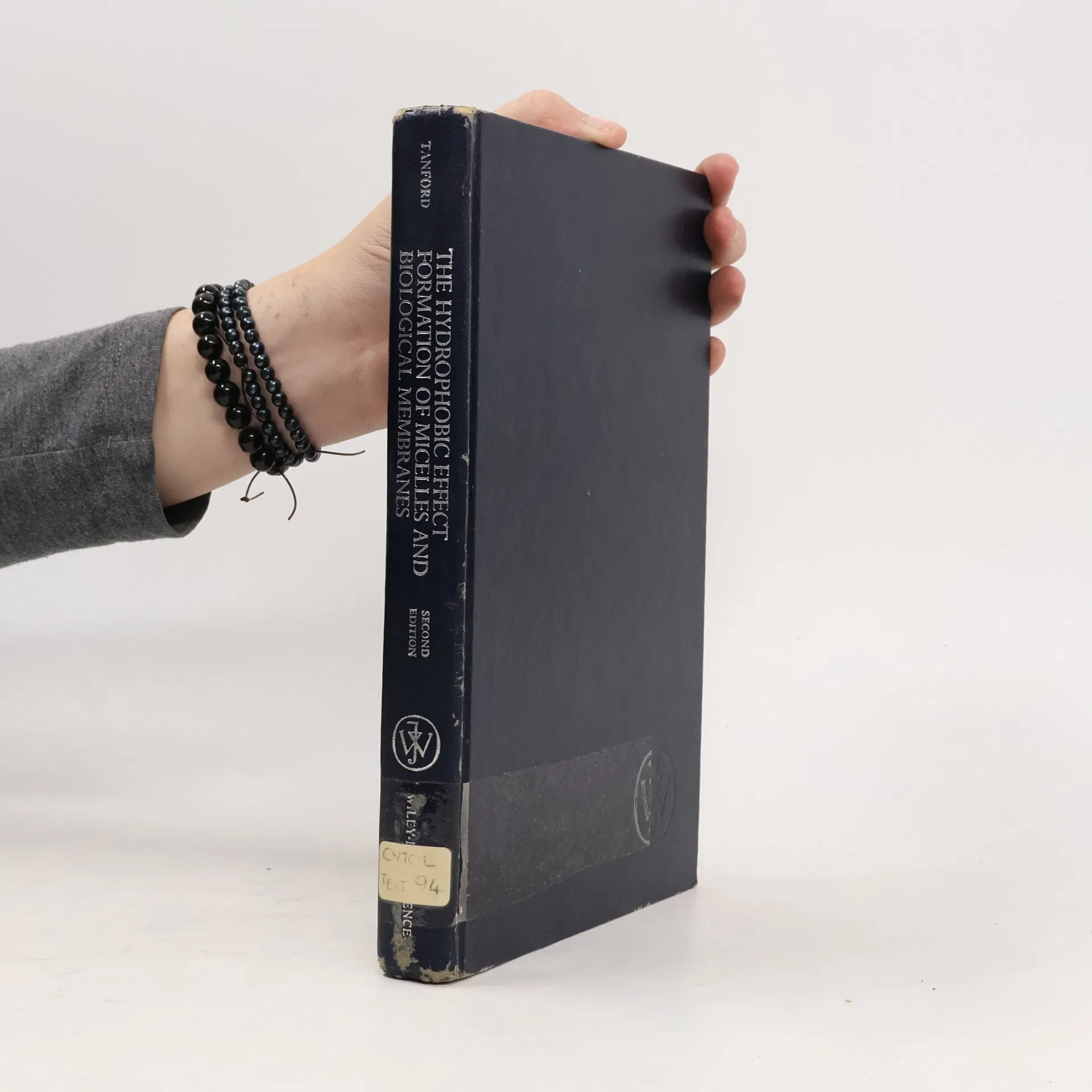

The Hydrophobic Effect
Formation of Micelles and Biological Membranes - Second Edition
Autoři
Parametry
- 233 stránek
- 9 hodin čtení
Více o knize
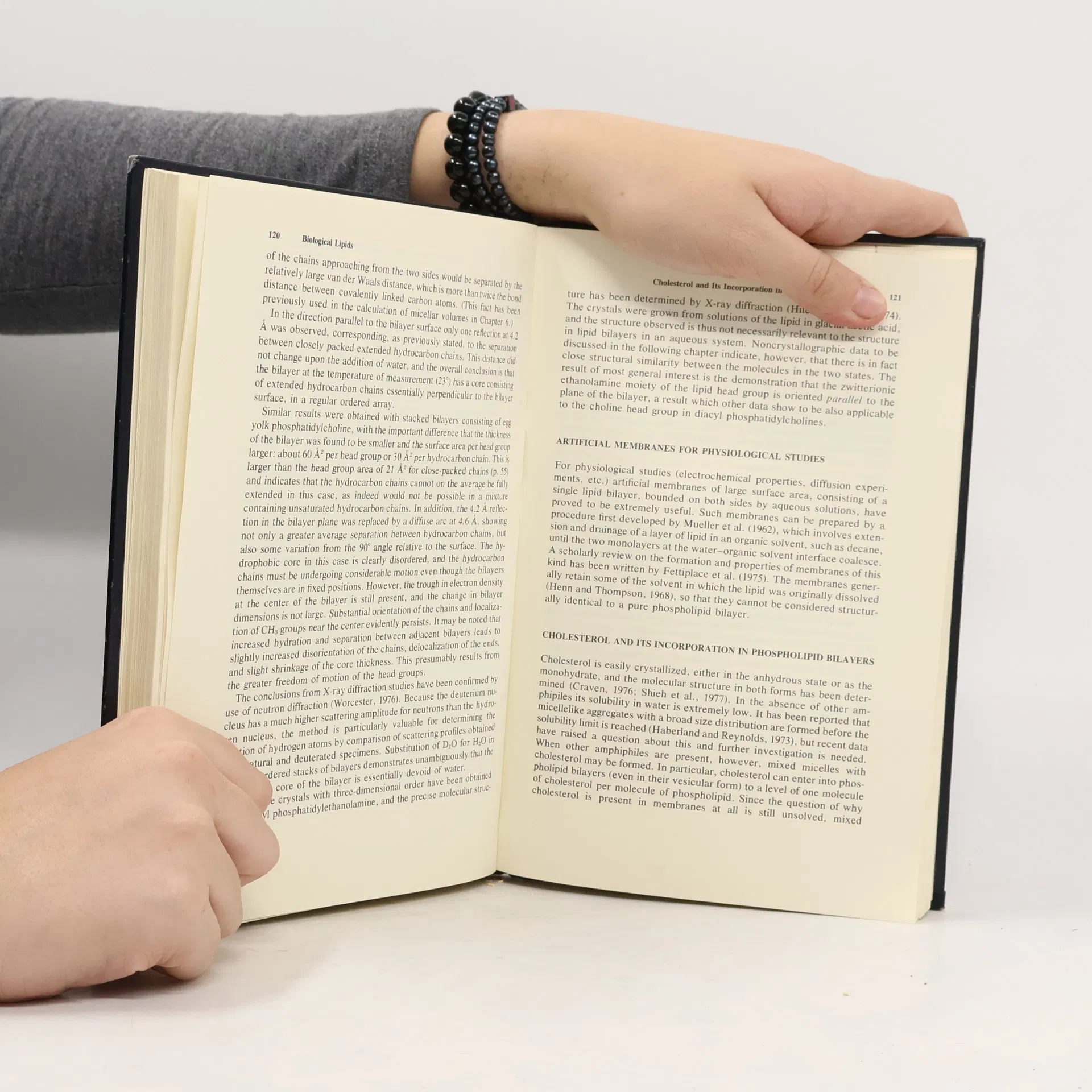
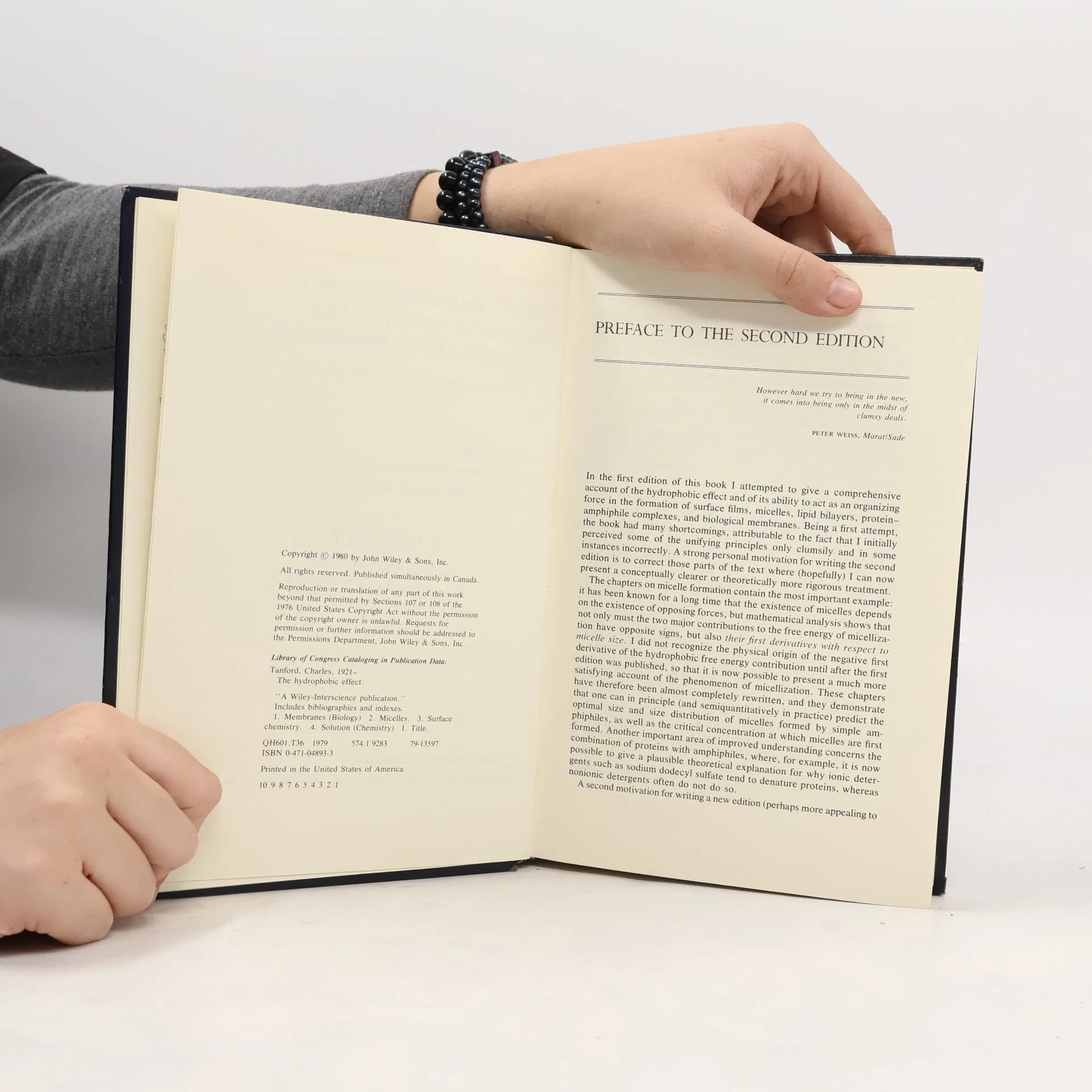
This almost entirely rewritten edition remains the only comprehensive, up-to-date account of the subject available today--with nearly half of all literature references made to work done since 1973. Theoretical treatment of micelle formation has been greatly improved, making it possible to predict (from first principles) the size and size distribution of micelles formed by many simple amphiphiles . . . as well as the critical concentration at which they first form. Defines four distinct modes of association between protein and detergents (or other amphiphiles), and gives a plausible explanation to show why some ionic detergents generally denature proteins while nonionic detergents often do not. Also includes entirely new chapters on serum lipoproteins and on membrane proteins.
Nákup knihy
The Hydrophobic Effect, Charles Tanford
- Jazyk

- Rok vydání
- 1980
- Vazba
- (pevná),
- Stav knihy
- Poškozená
- Cena
- 559 Kč
Doručení
Platební metody
Nikdo zatím neohodnotil.
- Titul
- The Hydrophobic Effect
- Podtitul
- Formation of Micelles and Biological Membranes - Second Edition
- Jazyk
- anglicky
- Autoři
- Charles Tanford
- Vydavatel
- WILEY
- Rok vydání
- 1980
- Vazba
- pevná
- Počet stran
- 233
- ISBN10
- 0471048933
- ISBN13
- 9780471048930
- Série
- Štítky
- Anotace
- This almost entirely rewritten edition remains the only comprehensive, up-to-date account of the subject available today--with nearly half of all literature references made to work done since 1973. Theoretical treatment of micelle formation has been greatly improved, making it possible to predict (from first principles) the size and size distribution of micelles formed by many simple amphiphiles . . . as well as the critical concentration at which they first form. Defines four distinct modes of association between protein and detergents (or other amphiphiles), and gives a plausible explanation to show why some ionic detergents generally denature proteins while nonionic detergents often do not. Also includes entirely new chapters on serum lipoproteins and on membrane proteins.