

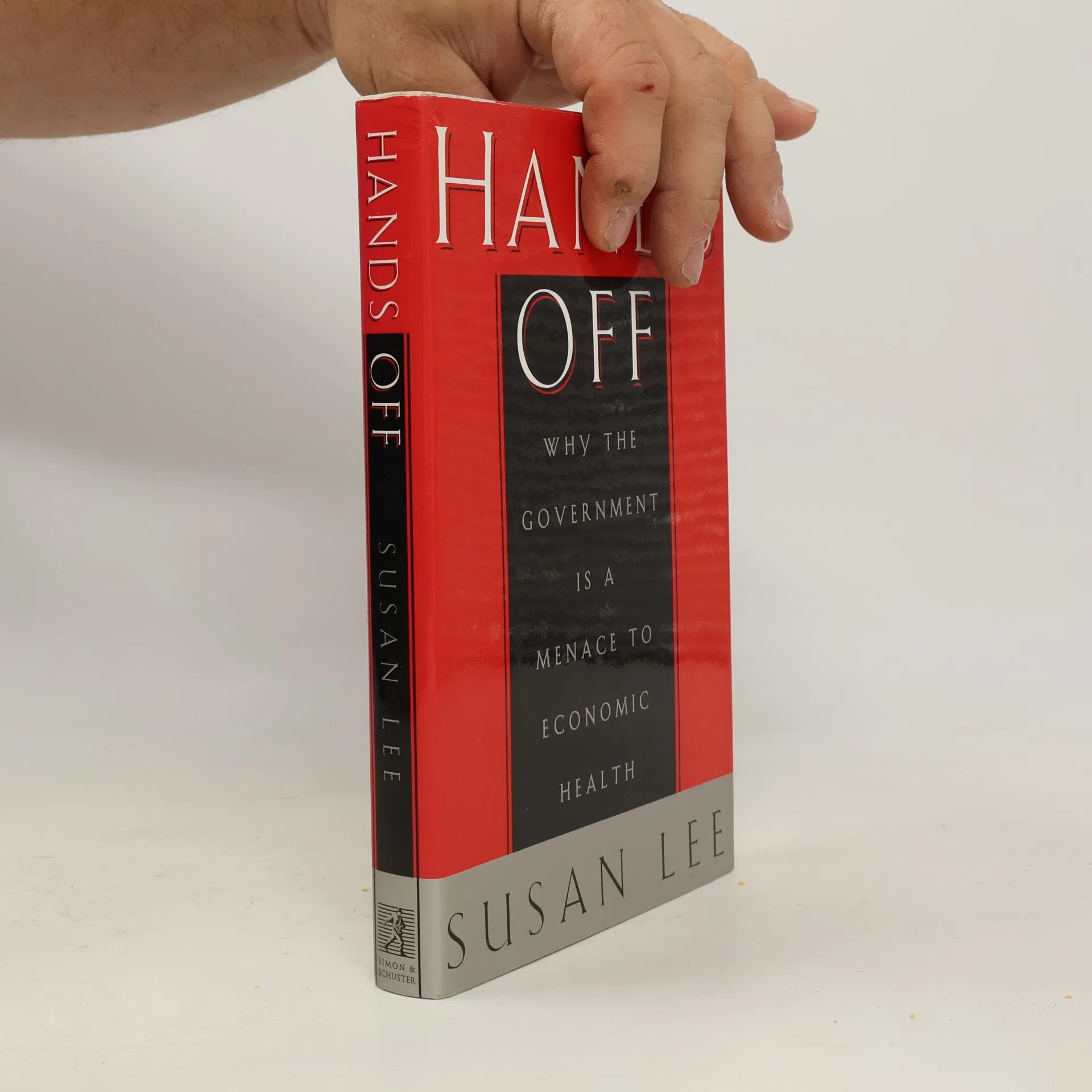

Hands Off
Why the Government Is a Menace to Economic Health
Autoři
Parametry
- 252 stránek
- 9 hodin čtení
Více o knize
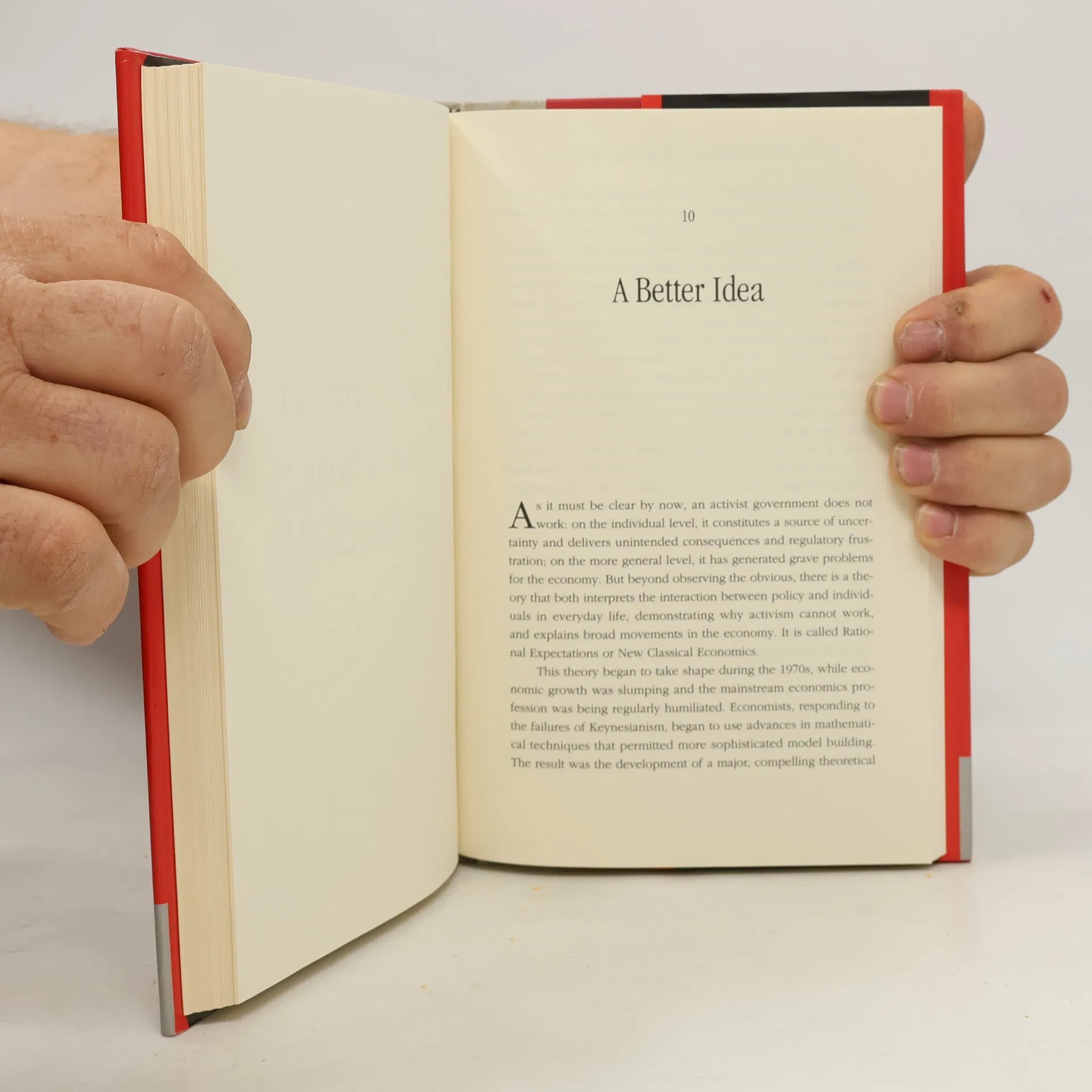
Democrats may seek to raise taxes while Republicans prefer to lower them, but there's a shared belief in government’s ability to manage the economy. Susan Lee argues this is a dangerous misconception. The root of economic underperformance lies in government interference, which exacerbates problems rather than solving them. Government actions often lead to unintended consequences, uncertainty, and regulatory gridlock. Unlike many economic texts, this work draws on real-life experiences of individuals navigating inconsistent government policies. Lee illustrates how policymakers, adhering to outdated Depression-era theories of economic "fine-tuning," contributed to stagflation in the 1970s, budget deficits in the 1980s, and recession in the 1990s. The book introduces "new classical economics," which posits that individuals can undermine economic policy by anticipating government actions. This theory clarifies why government struggles to fulfill its promise of economic management. Although new classical economics has been a staple in graduate education for years, it remains largely unknown to the general public. Lee aims to enlighten readers on these economic concepts that will influence future perspectives on governmental capabilities. This engaging and original work offers a fresh viewpoint on the government's role, redefining the notion of "reinventing government."
Nákup knihy
Hands Off, Susan Lee
- Jazyk

- Rok vydání
- 1996
- Vazba
- (pevná),
- Stav knihy
- Dobrá
- Cena
- 439 Kč
Doručení
Platební metody
Nikdo zatím neohodnotil.
- Titul
- Hands Off
- Podtitul
- Why the Government Is a Menace to Economic Health
- Jazyk
- anglicky
- Autoři
- Susan Lee
- Vydavatel
- Simon & Schuster
- Rok vydání
- 1996
- Vazba
- pevná
- Počet stran
- 252
- ISBN10
- 0684814420
- ISBN13
- 9780684814421
- Série
- Štítky
- Anotace
- Democrats may seek to raise taxes while Republicans prefer to lower them, but there's a shared belief in government’s ability to manage the economy. Susan Lee argues this is a dangerous misconception. The root of economic underperformance lies in government interference, which exacerbates problems rather than solving them. Government actions often lead to unintended consequences, uncertainty, and regulatory gridlock. Unlike many economic texts, this work draws on real-life experiences of individuals navigating inconsistent government policies. Lee illustrates how policymakers, adhering to outdated Depression-era theories of economic "fine-tuning," contributed to stagflation in the 1970s, budget deficits in the 1980s, and recession in the 1990s. The book introduces "new classical economics," which posits that individuals can undermine economic policy by anticipating government actions. This theory clarifies why government struggles to fulfill its promise of economic management. Although new classical economics has been a staple in graduate education for years, it remains largely unknown to the general public. Lee aims to enlighten readers on these economic concepts that will influence future perspectives on governmental capabilities. This engaging and original work offers a fresh viewpoint on the government's role, redefining the notion of "reinventing government."