


Více o knize
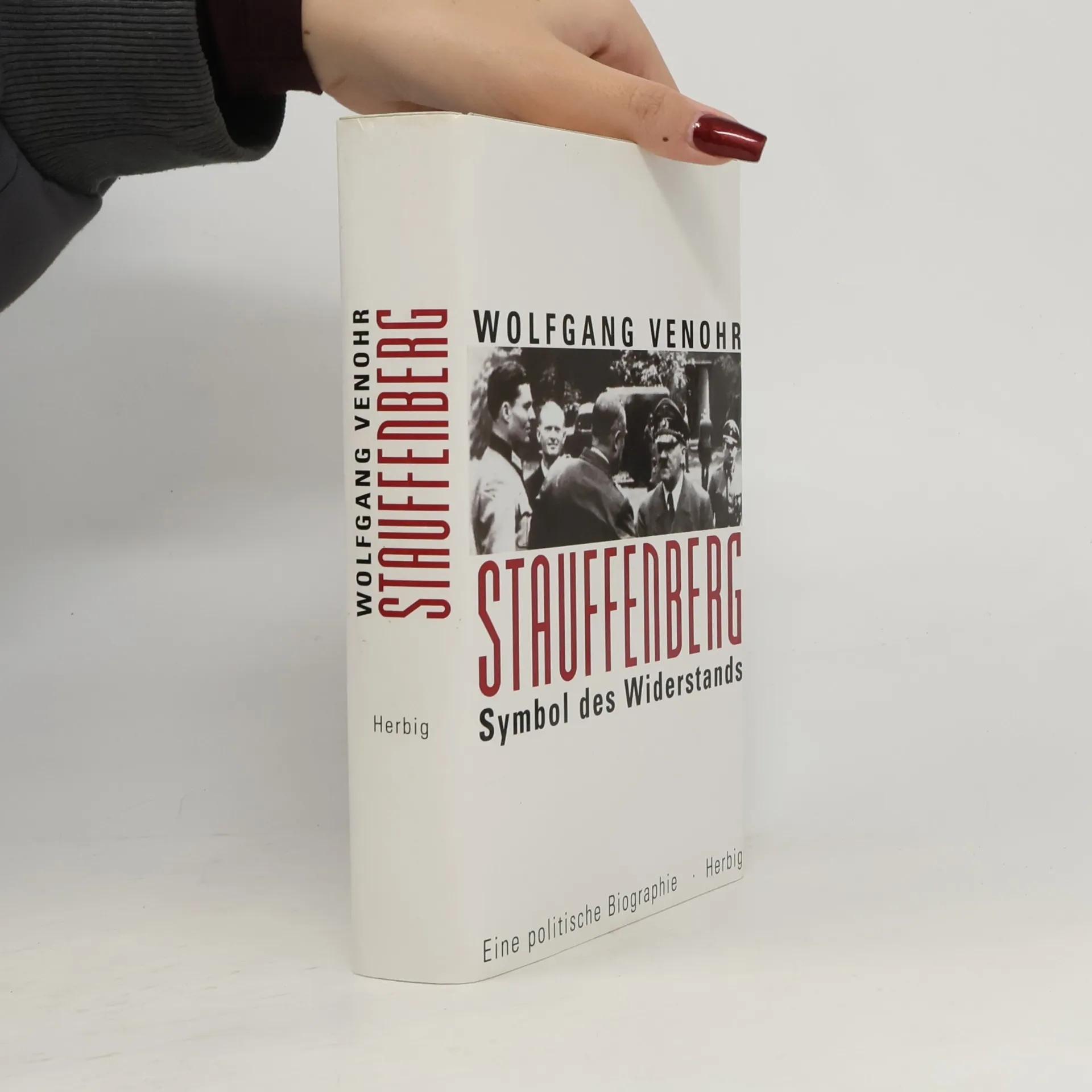
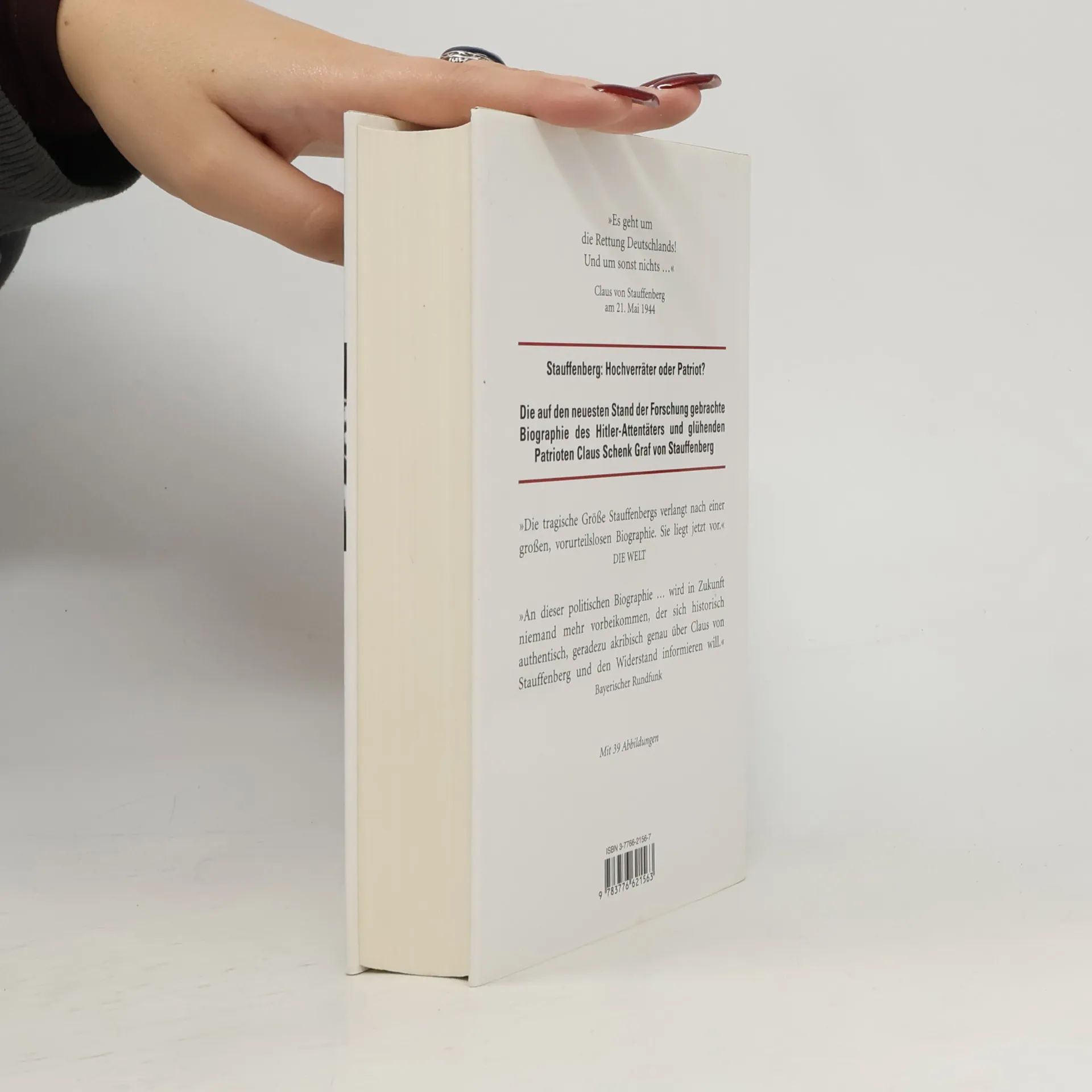
On 20th July 1944, senior officers convened at the Wolfschanze, Hitler's East Prussia headquarters. Among them was Colonel Claus Schenk Count von Stauffenberg, chief of staff of the Reserve Army, carrying a briefcase filled with explosives. Shortly after midday, a massive explosion rocked the building, killing five and injuring others. Believing he had killed Hitler, Stauffenberg rushed to Berlin to initiate Operation Valkyrie, a coup to overthrow the Nazi regime. However, Hitler survived, and Stauffenberg and his co-conspirators were executed. What drove Stauffenberg to undertake such a perilous mission? Was he a traitor or a patriot? Historian Wolfgang Venohr, after extensive analysis of sources and eyewitness accounts, reveals the complexities of Stauffenberg's character behind this audacious assassination attempt. Like many, Stauffenberg felt the sting of Germany's defeat in 1918 and the harsh terms of the Treaty of Versailles. Until the late 1930s, he aligned with much of National Socialist ideology, which aimed to restore Germany's power. However, as he witnessed the country’s decline under a delusional leader, he felt compelled to act, believing he had no other choice.


Nákup knihy
Stauffenberg, Wolfgang Venohr
- Jazyk

- Rok vydání
- 2000
- Vazba
- (pevná),
- Stav knihy
- Dobrá
- Cena
- 149 Kč
Nikdo zatím neohodnotil.
- Titul
- Stauffenberg
- Podtitul
- Symbol des Widerstandes
- Jazyk
- německy
- Autoři
- Wolfgang Venohr
- Vydavatel
- Herbig
- Rok vydání
- 2000
- Vazba
- pevná
- Počet stran
- 384
- ISBN10
- 3776621567
- ISBN13
- 9783776621563
- Série
- Štítky
- Historické téma
- Anotace
- On 20th July 1944, senior officers convened at the Wolfschanze, Hitler's East Prussia headquarters. Among them was Colonel Claus Schenk Count von Stauffenberg, chief of staff of the Reserve Army, carrying a briefcase filled with explosives. Shortly after midday, a massive explosion rocked the building, killing five and injuring others. Believing he had killed Hitler, Stauffenberg rushed to Berlin to initiate Operation Valkyrie, a coup to overthrow the Nazi regime. However, Hitler survived, and Stauffenberg and his co-conspirators were executed. What drove Stauffenberg to undertake such a perilous mission? Was he a traitor or a patriot? Historian Wolfgang Venohr, after extensive analysis of sources and eyewitness accounts, reveals the complexities of Stauffenberg's character behind this audacious assassination attempt. Like many, Stauffenberg felt the sting of Germany's defeat in 1918 and the harsh terms of the Treaty of Versailles. Until the late 1930s, he aligned with much of National Socialist ideology, which aimed to restore Germany's power. However, as he witnessed the country’s decline under a delusional leader, he felt compelled to act, believing he had no other choice.