

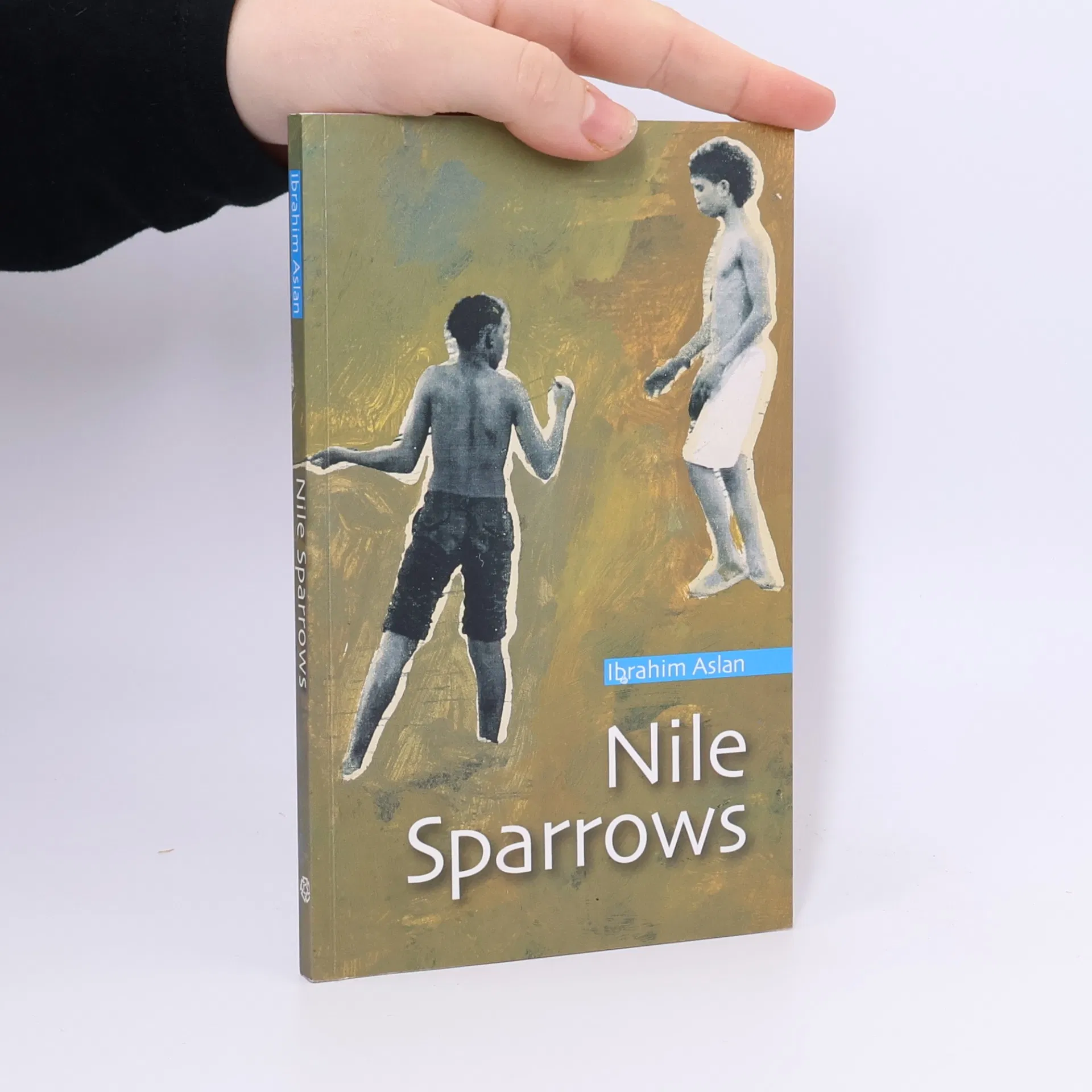
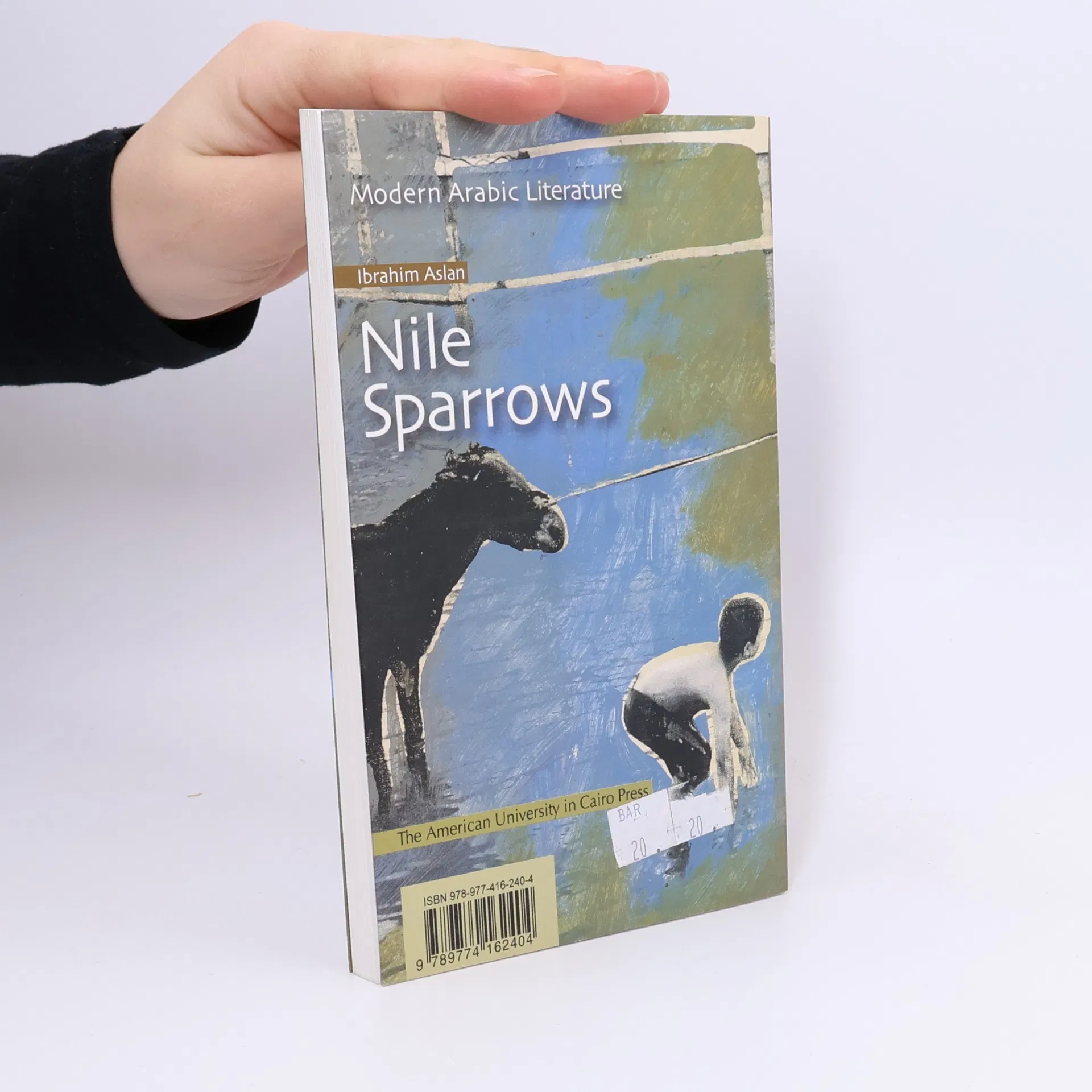
Modern Arabic Literature: Nile Sparrows
Více o knize
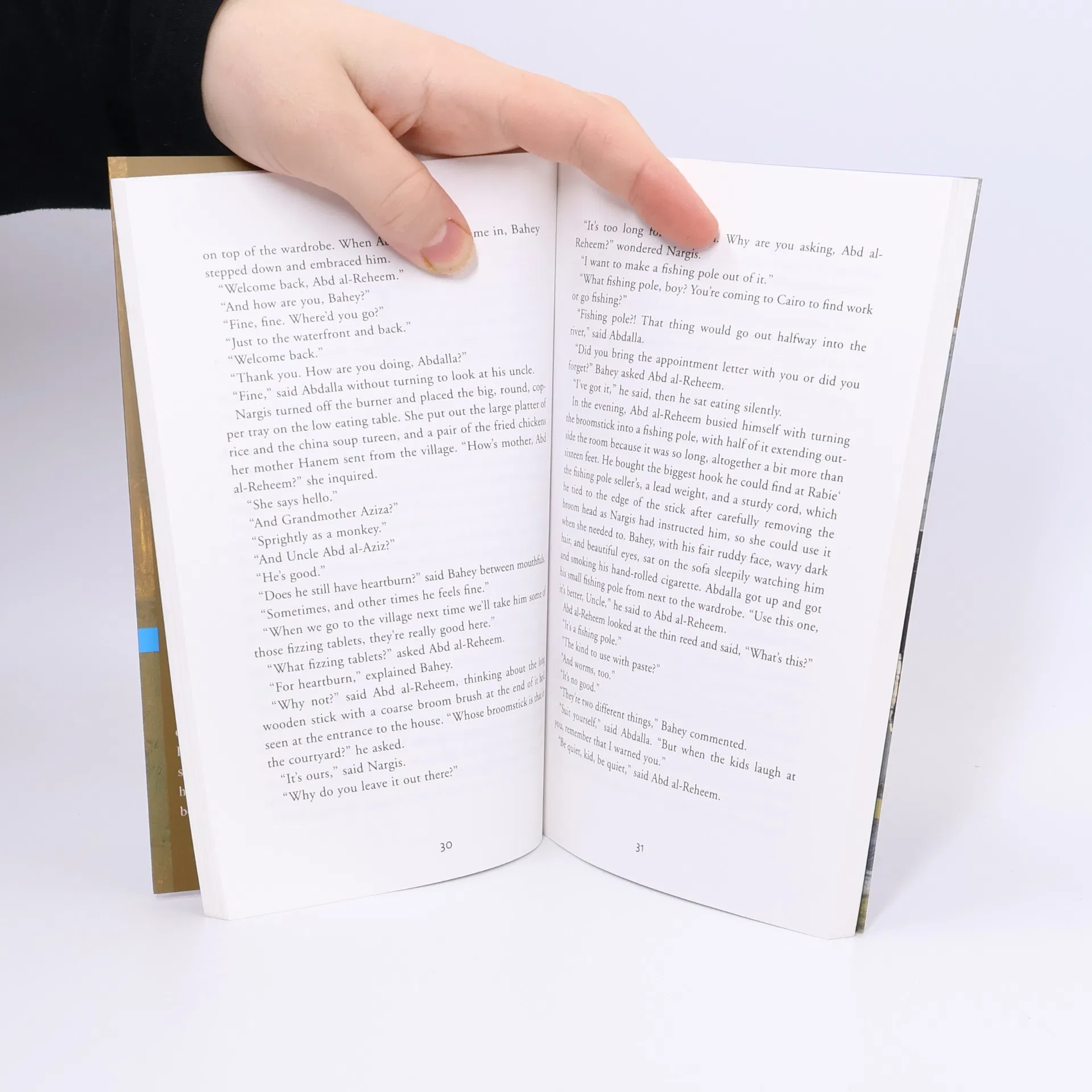
Set in the author's own Nile-side neighborhood of Warraq, Aslan's second novel, the first to be translated and published in English, chronicles the daily rhythm of life of rural migrants to Cairo and their complex webs of familial and neighborly relations over half a century. It opens with the mysterious disappearance of the tiny grandmother, Hanem, who is over 100 years old and is last seen by her daughter-in-law Dalal. Dalal does not have the heart to tell Hanem that her grown children Nargis and Abdel Reheem have both been dead for some time. Her grandson Mr. Abdalla, who has children of his own and not a few flecks of gray in his hair, reluctantly sets out for their home village to search for her, embarking on a bittersweet odyssey into his family's past and a confrontation with his own aging. In an elliptical narrative, Aslan limns a series of vignettes that mimic the workings of memory, moving backward and forward in time and held together by a series of recurrent figures and images. There is Abdalla's father, the tragic al-Bahey Uthman; his quirky and earthy uncle Abdel Reheem; and his sweet mother, Nargis, who dies with her simplest desires unfulfilled. Aslan's moving portrait of the quotidian dramas that constitute the lives of ordinary Egyptians is untainted by populist pretensions or belittling romanticism, and full of the humor and heartbreaking pathos that have become trademarks of the author's style.
Nákup knihy
Modern Arabic Literature: Nile Sparrows, Ibrāhīm Aṣlān, Mona El-Ghobashy
- Jazyk

- Rok vydání
- 2004
- Vazba
- (měkká),
- Stav knihy
- Velmi dobrá
- Cena
- 289 Kč
Doručení
Platební metody
Nikdo zatím neohodnotil.
- Titul
- Modern Arabic Literature: Nile Sparrows
- Jazyk
- anglicky
- Vydavatel
- American University in Cairo Press
- Rok vydání
- 2004
- Vazba
- měkká
- Počet stran
- 128
- ISBN10
- 9774162404
- ISBN13
- 9789774162404
- Série
- Štítky
- Podle filmu/seriálu
- Anotace
- Set in the author's own Nile-side neighborhood of Warraq, Aslan's second novel, the first to be translated and published in English, chronicles the daily rhythm of life of rural migrants to Cairo and their complex webs of familial and neighborly relations over half a century. It opens with the mysterious disappearance of the tiny grandmother, Hanem, who is over 100 years old and is last seen by her daughter-in-law Dalal. Dalal does not have the heart to tell Hanem that her grown children Nargis and Abdel Reheem have both been dead for some time. Her grandson Mr. Abdalla, who has children of his own and not a few flecks of gray in his hair, reluctantly sets out for their home village to search for her, embarking on a bittersweet odyssey into his family's past and a confrontation with his own aging. In an elliptical narrative, Aslan limns a series of vignettes that mimic the workings of memory, moving backward and forward in time and held together by a series of recurrent figures and images. There is Abdalla's father, the tragic al-Bahey Uthman; his quirky and earthy uncle Abdel Reheem; and his sweet mother, Nargis, who dies with her simplest desires unfulfilled. Aslan's moving portrait of the quotidian dramas that constitute the lives of ordinary Egyptians is untainted by populist pretensions or belittling romanticism, and full of the humor and heartbreaking pathos that have become trademarks of the author's style.