

Více o knize
Germany has long been viewed as Europe's problem child, historically a fragmented collection of states until its unification in 1871, achieved largely through military force. This led to a relentless pursuit of power, culminating in World War I and the rise of the Third Reich, which sought global domination and resulted in mass genocide. Following World War II, Germany was divided into two states: the Federal Republic of Germany in the West and the German Democratic Republic in the East. The GDR, a Soviet client state, faced significant economic challenges, leading to the construction of the Berlin Wall in 1961 to prevent emigration. In contrast, the Federal Republic emerged as a model society, marked by political maturity and a commitment to multiculturalism, partly driven by economic needs. While the Federal Republic was seen as a provisional state awaiting reunification, external powers were generally opposed to this idea. The peaceful revolution in 1989 led to the reunification of Germany, but the integration of the GDR's struggling economy has posed ongoing challenges. Despite reunification, the country still reflects its divided past. Germany's romantic image contrasts with its complex history, characterized by fairy-tale castles and vibrant regional cultures, particularly in Bavaria and the Rhineland, while the new Länder from the former GDR evoke a sense of pre-war Germany.


Nákup knihy
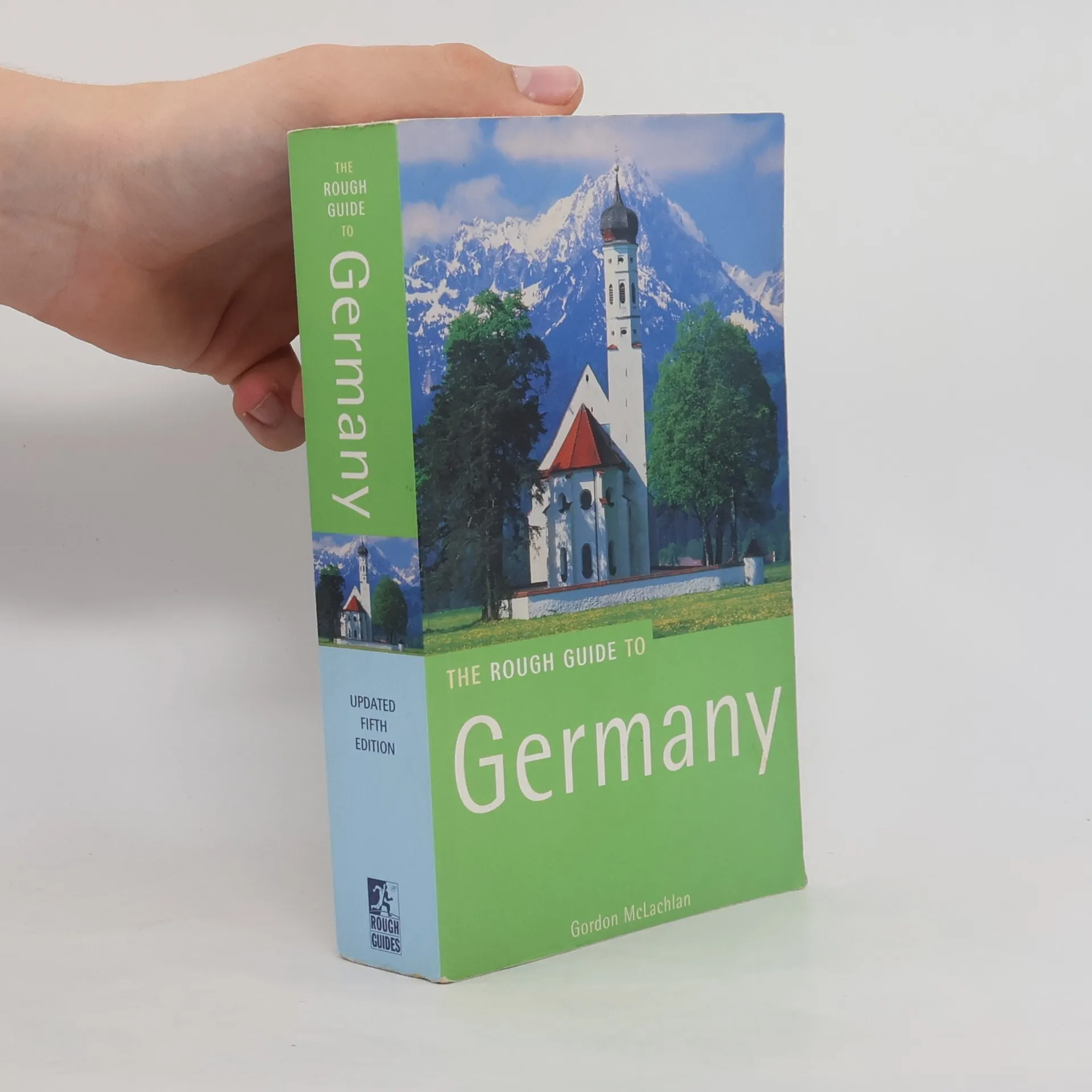
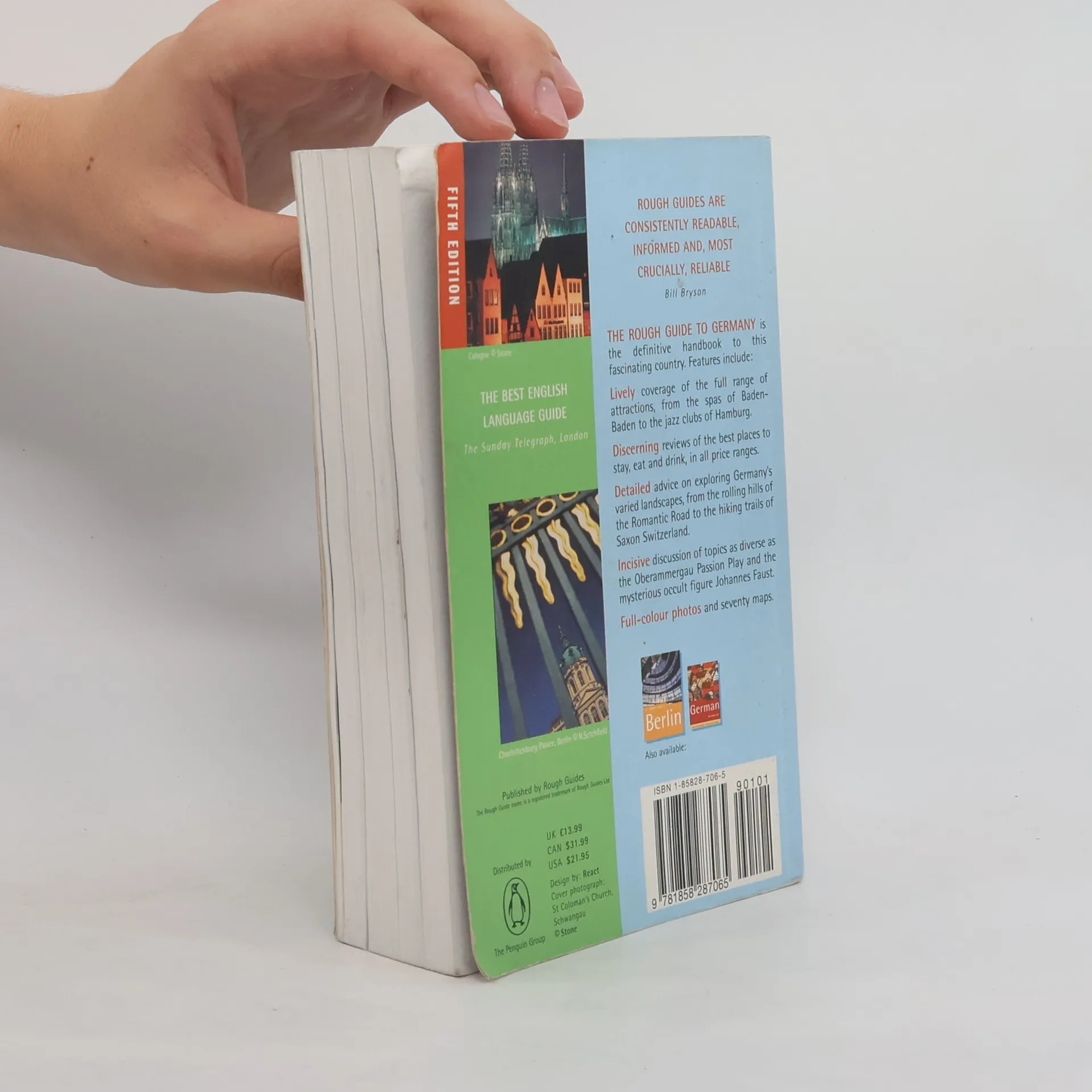
The Rough Guide to Germany 5, Gordon W. McLachlan, John Gawthorp, Andrew Roth
- Jazyk

- Rok vydání
- 2001
- Vazba
- (měkká)
Tady nám chybí tvá recenze.
- Titul
- The Rough Guide to Germany 5
- Jazyk
- anglicky
- Vydavatel
- Rough Guides
- Rok vydání
- 2001
- Vazba
- měkká
- Počet stran
- 1126
- ISBN10
- 1858287065
- ISBN13
- 9781858287065
- Série
- Štítky
- Cestování, Příručky a návody
- První vydání
- 2010
- Původní název
- The Rough Guide to Germany
- Hodnocení
- 4 z 5
- Anotace
- Germany has long been viewed as Europe's problem child, historically a fragmented collection of states until its unification in 1871, achieved largely through military force. This led to a relentless pursuit of power, culminating in World War I and the rise of the Third Reich, which sought global domination and resulted in mass genocide. Following World War II, Germany was divided into two states: the Federal Republic of Germany in the West and the German Democratic Republic in the East. The GDR, a Soviet client state, faced significant economic challenges, leading to the construction of the Berlin Wall in 1961 to prevent emigration. In contrast, the Federal Republic emerged as a model society, marked by political maturity and a commitment to multiculturalism, partly driven by economic needs. While the Federal Republic was seen as a provisional state awaiting reunification, external powers were generally opposed to this idea. The peaceful revolution in 1989 led to the reunification of Germany, but the integration of the GDR's struggling economy has posed ongoing challenges. Despite reunification, the country still reflects its divided past. Germany's romantic image contrasts with its complex history, characterized by fairy-tale castles and vibrant regional cultures, particularly in Bavaria and the Rhineland, while the new Länder from the former GDR evoke a sense of pre-war Germany.