


Parametry
- 246 stránek
- 9 hodin čtení
Více o knize
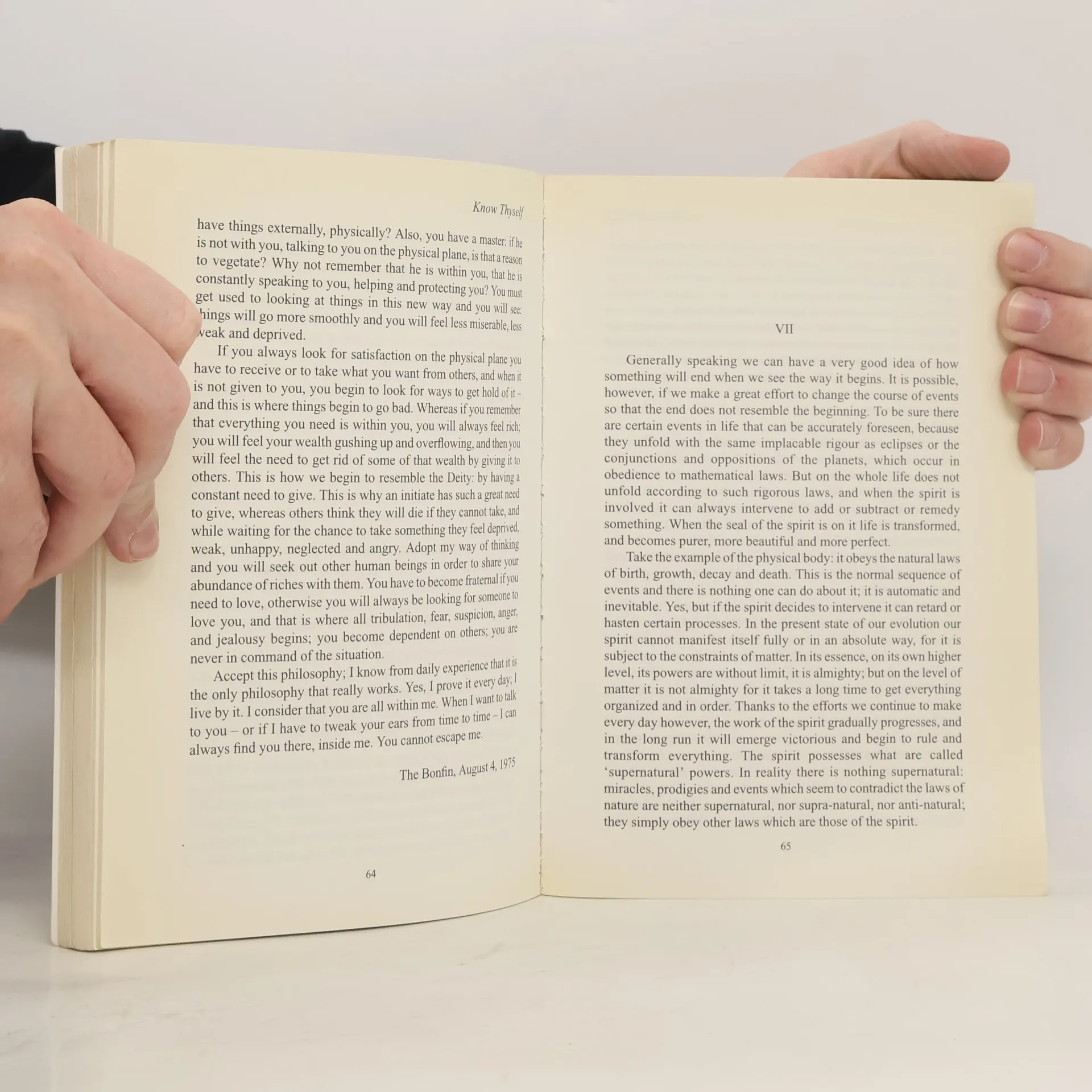
‘“Know thyself” was the maxim inscribed on the pediment of the temple at Delphi. What is this ‘self’ that we have to know? Is it a question of knowing our own vices and virtues, our strengths and weaknesses? No: to know oneself is to know the different bodies (the physical, etheric, mental, causal, buddhic and atmic bodies) of which we are formed and what each of these bodies needs. If the initiates of old insisted so much on the necessity of self-knowledge it was because this knowledge opens up tremendous possibilities for growth, progress and success. As long as man is ignorant of the needs of his higher self, he will continue to surfeit his physical body while his soul and spirit suffocate and die of hunger and thirst.’ Omraam Mikhaël Aïvanhov
Nákup knihy
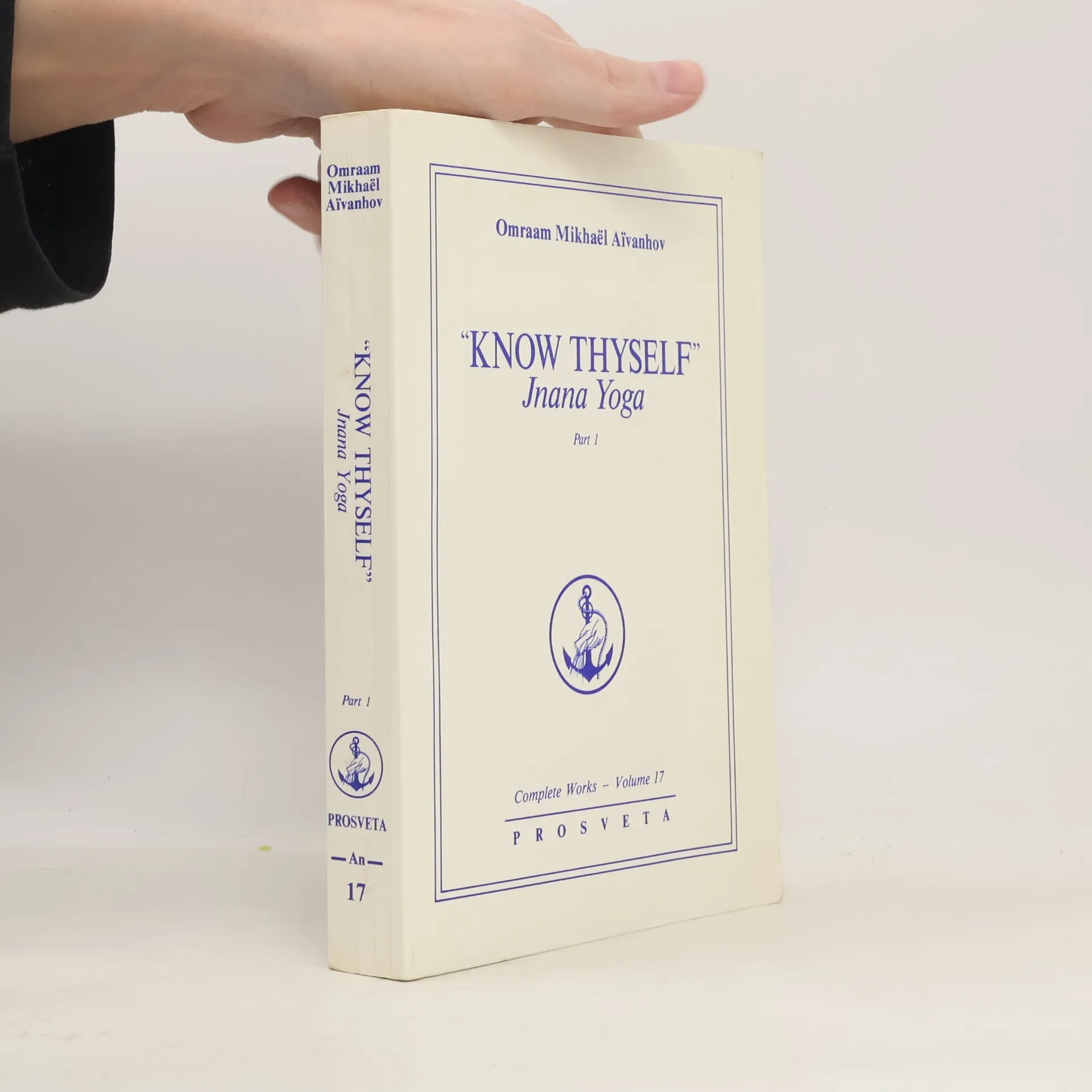
Know Thyself: Jnana Yoga Part 1 Volume 17, Omraam Mikhaël Aivanhov
- Jazyk

- Rok vydání
- 1992
- Vazba
- (měkká)
Tady nám chybí tvá recenze.
- Titul
- Know Thyself: Jnana Yoga Part 1 Volume 17
- Jazyk
- anglicky
- Autoři
- Omraam Mikhaël Aivanhov
- Vydavatel
- Prosveta
- Rok vydání
- 1992
- Vazba
- měkká
- Počet stran
- 246
- ISBN10
- 2855664462
- ISBN13
- 9782855664460
- Série
- Štítky
- Hodnocení
- 4,65 z 5
- Anotace
- ‘“Know thyself” was the maxim inscribed on the pediment of the temple at Delphi. What is this ‘self’ that we have to know? Is it a question of knowing our own vices and virtues, our strengths and weaknesses? No: to know oneself is to know the different bodies (the physical, etheric, mental, causal, buddhic and atmic bodies) of which we are formed and what each of these bodies needs. If the initiates of old insisted so much on the necessity of self-knowledge it was because this knowledge opens up tremendous possibilities for growth, progress and success. As long as man is ignorant of the needs of his higher self, he will continue to surfeit his physical body while his soul and spirit suffocate and die of hunger and thirst.’ Omraam Mikhaël Aïvanhov