

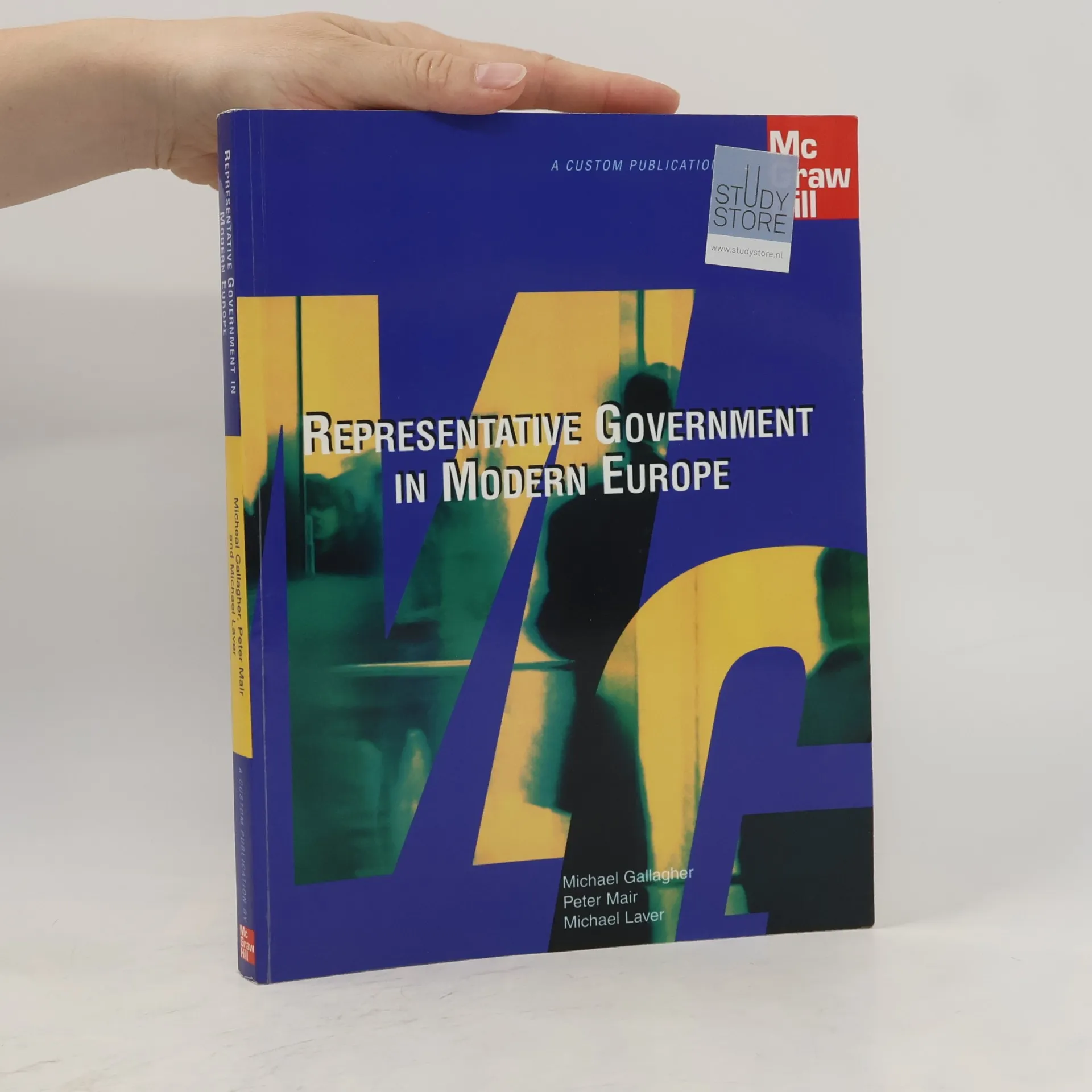
Representative Government in Modern Europe
Hodnocení knihy
Více o knize
The fourth edition of this text continues to unite the theoretical analysis of representative government and its application to the real world of politics--with a unique focus on the core features of representative government as they manifest themselves across the whole of modern Europe. The book identifies and examines broad themes and patterns in the politics of the whole of “modern Europe†--not, as some other books do, only with regard to a handful of often atypical countries. Europe has been transformed by the dramatic democratization of many of the former Communist states of central and eastern Europe; reflecting this change, the fourth edition has also been transformed: country coverage has been extended to include all of the eight post-communist states that are now members of the EU, and discussion of politics in these countries has been integrated into the main body of text and tables. The “modern Europe†discussed in this book is thus the Europe that came into being in May 2004, and the text reflects the ways in which thinking about representative government has changed as a result of these dramatic developments.


Nákup knihy
Representative Government in Modern Europe, Michael Paul Gallagher, Peter Mair, Peter Moray Andrew Mair, Michael J. Laver
- Jazyk

- Rok vydání
- 2007
- Vazba
- (měkká),
- Stav knihy
- Dobrá
- Cena
- 119 Kč
Doručení
Platební metody
Tady nám chybí tvá recenze.
- Titul
- Representative Government in Modern Europe
- Jazyk
- anglicky
- Vydavatel
- McGraw-Hill Higher Education
- Rok vydání
- 2007
- Vazba
- měkká
- Počet stran
- 298
- ISBN10
- 0390786241
- ISBN13
- 9780390786241
- Série
- Hodnocení
- 3,65 z 5
- Anotace
- The fourth edition of this text continues to unite the theoretical analysis of representative government and its application to the real world of politics--with a unique focus on the core features of representative government as they manifest themselves across the whole of modern Europe. The book identifies and examines broad themes and patterns in the politics of the whole of “modern Europe†--not, as some other books do, only with regard to a handful of often atypical countries. Europe has been transformed by the dramatic democratization of many of the former Communist states of central and eastern Europe; reflecting this change, the fourth edition has also been transformed: country coverage has been extended to include all of the eight post-communist states that are now members of the EU, and discussion of politics in these countries has been integrated into the main body of text and tables. The “modern Europe†discussed in this book is thus the Europe that came into being in May 2004, and the text reflects the ways in which thinking about representative government has changed as a result of these dramatic developments.