



Více o knize
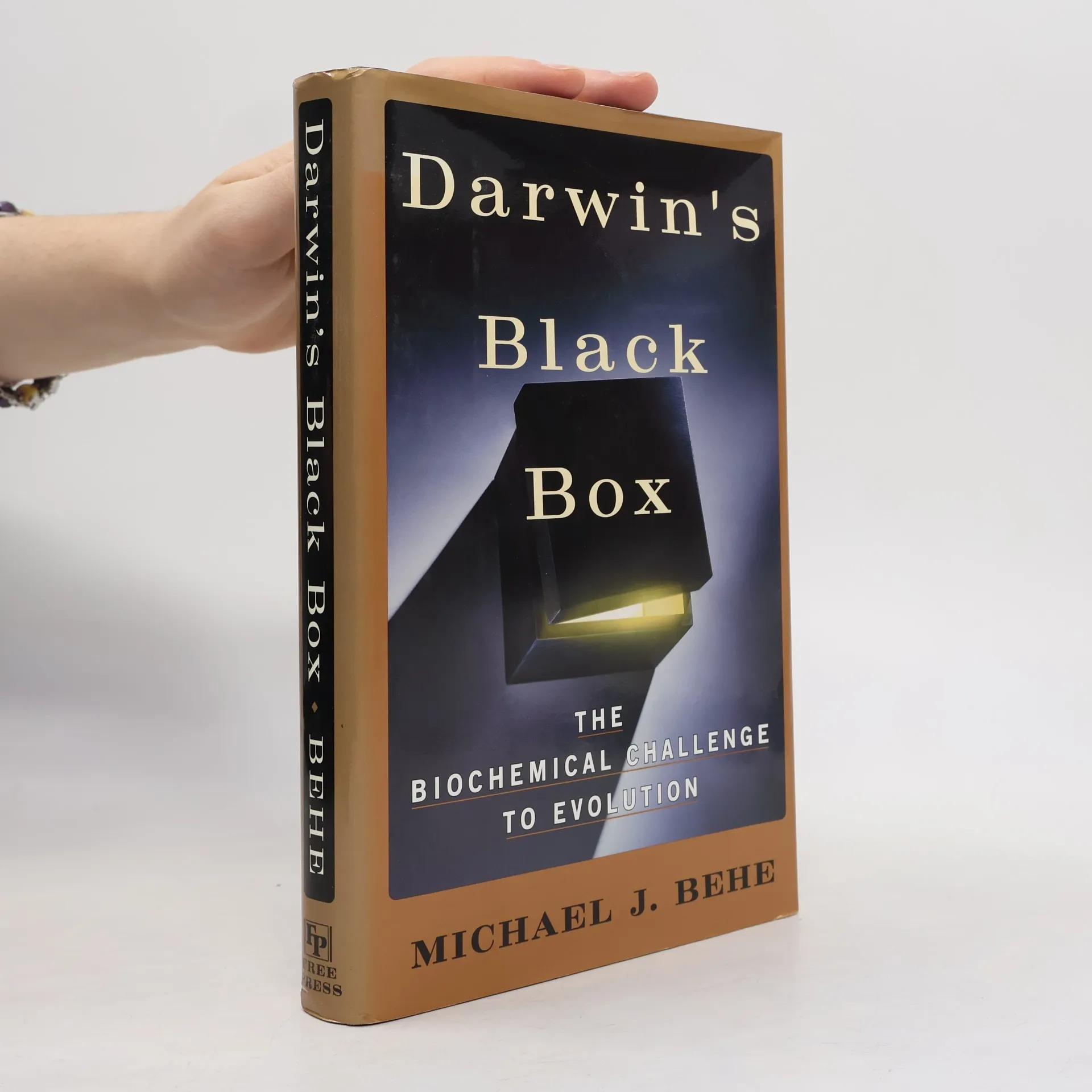
Virtually all serious scientists accept Darwin's theory of evolution, and after a century of struggle, biologists are confident that remaining questions about life's origins and the Cambrian explosion will yield Darwinian answers. However, Michael Behe challenges this consensus in "Darwin's Black Box," suggesting that evidence of evolution's limits has been overlooked. The field of biochemistry, which began with the discovery of DNA's structure, reveals a complex world within cells. Behe illustrates this complexity through examples like vision, blood clotting, and cellular transport, showing that these biochemical systems consist of intricately interdependent parts. For Darwinian evolution to hold true, a series of mutations must have produced each functional machine leading to the observed complexity. Behe argues that the more intricate these systems are, the more difficult it is to envision gradual evolutionary paths. He notes that the scientific literature remains silent on this issue, hinting at a possible greater force at work. Although not a creationist, Behe maintains that these biochemical machines imply design, whether by God or a higher intelligence. He calls for a reevaluation of the relationship between modern biochemistry and traditional evolutionary theory, urging scientists and the public to explore these new possibilities.


Nákup knihy
Darwin's Black Box, Michael Behe
- Jazyk

- Rok vydání
- 1996
- Vazba
- (pevná),
- Stav knihy
- Dobrá
- Cena
- 149 Kč
Tady nám chybí tvá recenze.
- Titul
- Darwin's Black Box
- Podtitul
- The Biochemical Challenge to Evolution
- Jazyk
- anglicky
- Autoři
- Michael Behe
- Vydavatel
- Free Press
- Rok vydání
- 1996
- Vazba
- pevná
- Počet stran
- 307
- ISBN10
- 0684827549
- ISBN13
- 9780684827544
- Série
- Kategorie
- Štítky
- Přírodní vědy, Náboženská témata, Filosofická tématika, Křesťanská témata, Věda, Bůh, Evoluce, Genetika, Molekulární biologie, Evoluční teorie, Darwinismus, Vznik života
- První vydání
- 1996
- Původní název
- Darwin's Black Box: The Biochemical Challenge to Evolution
- Hodnocení
- 3,65 z 5
- Anotace
- Virtually all serious scientists accept Darwin's theory of evolution, and after a century of struggle, biologists are confident that remaining questions about life's origins and the Cambrian explosion will yield Darwinian answers. However, Michael Behe challenges this consensus in "Darwin's Black Box," suggesting that evidence of evolution's limits has been overlooked. The field of biochemistry, which began with the discovery of DNA's structure, reveals a complex world within cells. Behe illustrates this complexity through examples like vision, blood clotting, and cellular transport, showing that these biochemical systems consist of intricately interdependent parts. For Darwinian evolution to hold true, a series of mutations must have produced each functional machine leading to the observed complexity. Behe argues that the more intricate these systems are, the more difficult it is to envision gradual evolutionary paths. He notes that the scientific literature remains silent on this issue, hinting at a possible greater force at work. Although not a creationist, Behe maintains that these biochemical machines imply design, whether by God or a higher intelligence. He calls for a reevaluation of the relationship between modern biochemistry and traditional evolutionary theory, urging scientists and the public to explore these new possibilities.