

Více o knize
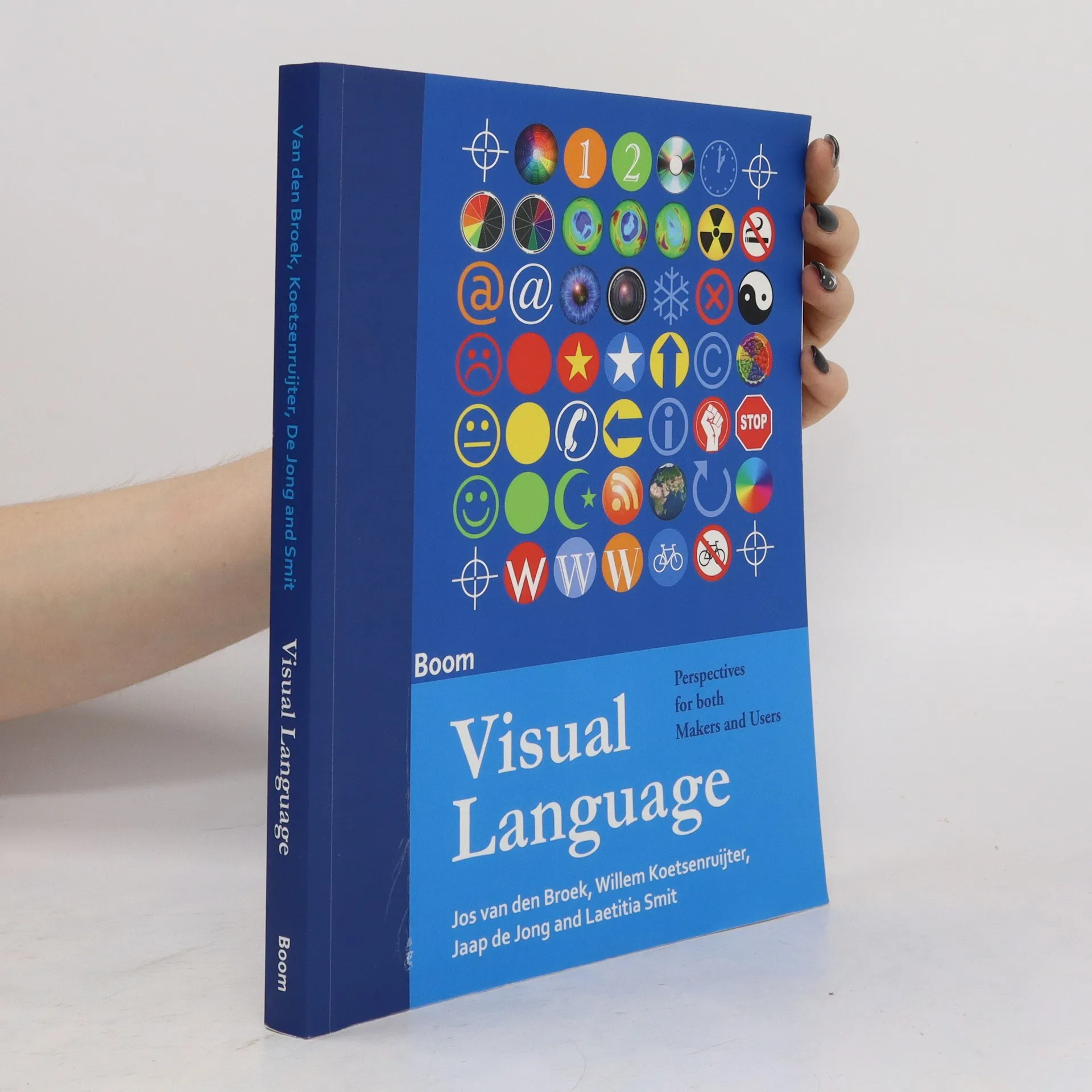
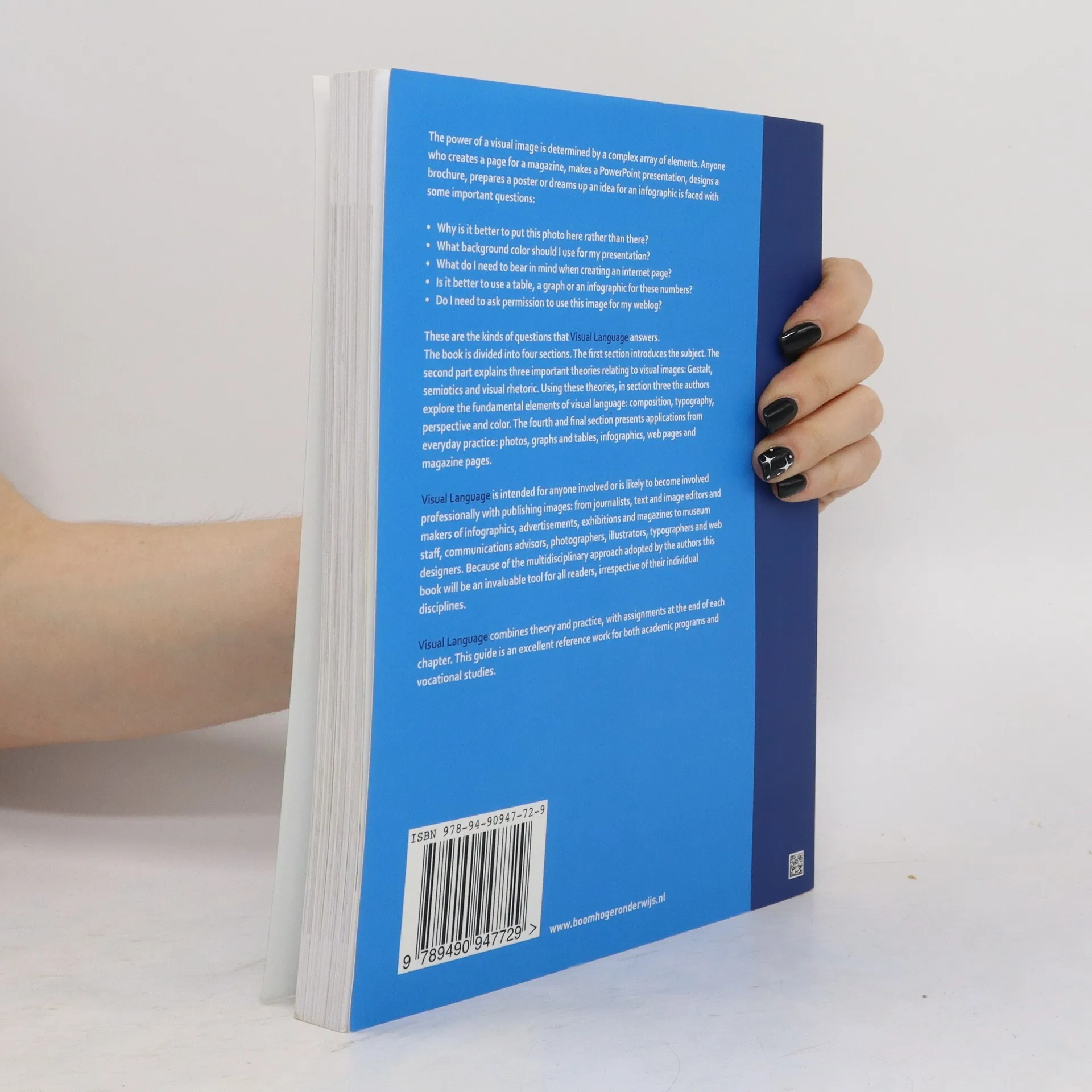
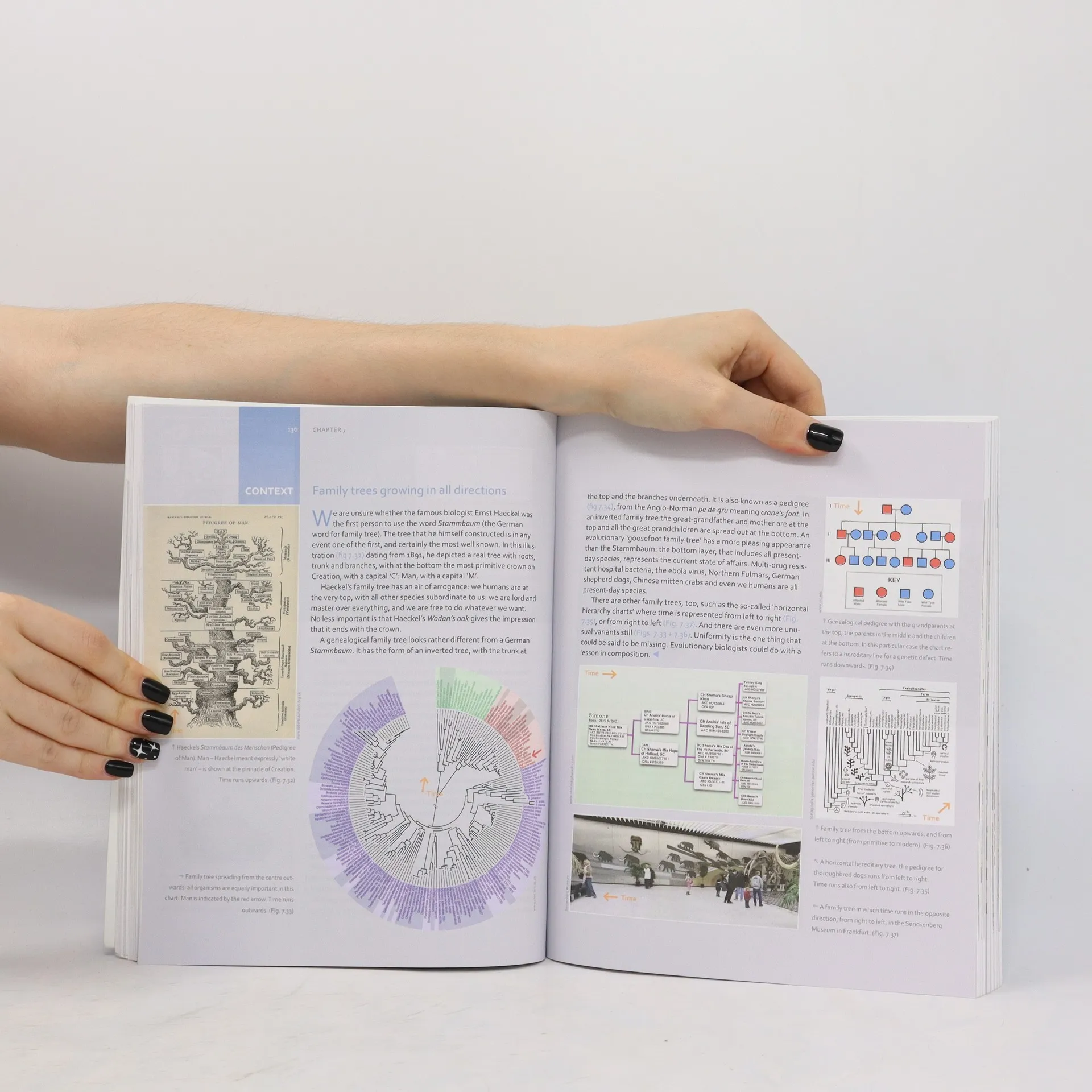
The power of a visual image is determined by a complex array of elements. Anyone who creates a page for a magazine, makes a PowerPoint presentation, designs a brochure, prepares a poster, or dreams up an idea for an infographic is faced with some important questions: Why is it better to position this photograph here rather than there? What background color should be used for a presentation? What is necessary to bear in mind when creating an internet page? Is it better to use a table, a graph, or an infographic as a visual aid? Should permission be sought to use an image for a weblog? These are the kinds of questions that Visual Language will answer. Following an introduction to the subject, the book explains three important theories relating to visual images: Gestalt, semiotics, and visual rhetoric. Using these theories, the book then explores the fundamental elements of visual language: composition, typography, perspective, and color. Additionally, it presents applications from everyday practice: photos, graphs and tables, infographics, web pages, and magazine pages. The combination of theory and practice makes this guide an excellent reference work for both academic programs and vocational studies. *** "Recommended". - Choice, Vol. 50, No. 08, April 2013.

Nákup knihy
Visual Language, Jos van den Broek, Laetitia Smit, Jaap de Jong, Willem Koetsenruijter
- Jazyk

- Rok vydání
- 2012
- Vazba
- (měkká)
Nikdo zatím neohodnotil.
- Titul
- Visual Language
- Jazyk
- anglicky
- Vydavatel
- Boom
- Rok vydání
- 2012
- Vazba
- měkká
- Počet stran
- 320
- ISBN10
- 9490947725
- ISBN13
- 9789490947729
- Série
- Štítky
- Anotace
- The power of a visual image is determined by a complex array of elements. Anyone who creates a page for a magazine, makes a PowerPoint presentation, designs a brochure, prepares a poster, or dreams up an idea for an infographic is faced with some important questions: Why is it better to position this photograph here rather than there? What background color should be used for a presentation? What is necessary to bear in mind when creating an internet page? Is it better to use a table, a graph, or an infographic as a visual aid? Should permission be sought to use an image for a weblog? These are the kinds of questions that Visual Language will answer. Following an introduction to the subject, the book explains three important theories relating to visual images: Gestalt, semiotics, and visual rhetoric. Using these theories, the book then explores the fundamental elements of visual language: composition, typography, perspective, and color. Additionally, it presents applications from everyday practice: photos, graphs and tables, infographics, web pages, and magazine pages. The combination of theory and practice makes this guide an excellent reference work for both academic programs and vocational studies. *** "Recommended". - Choice, Vol. 50, No. 08, April 2013.