Knihobot

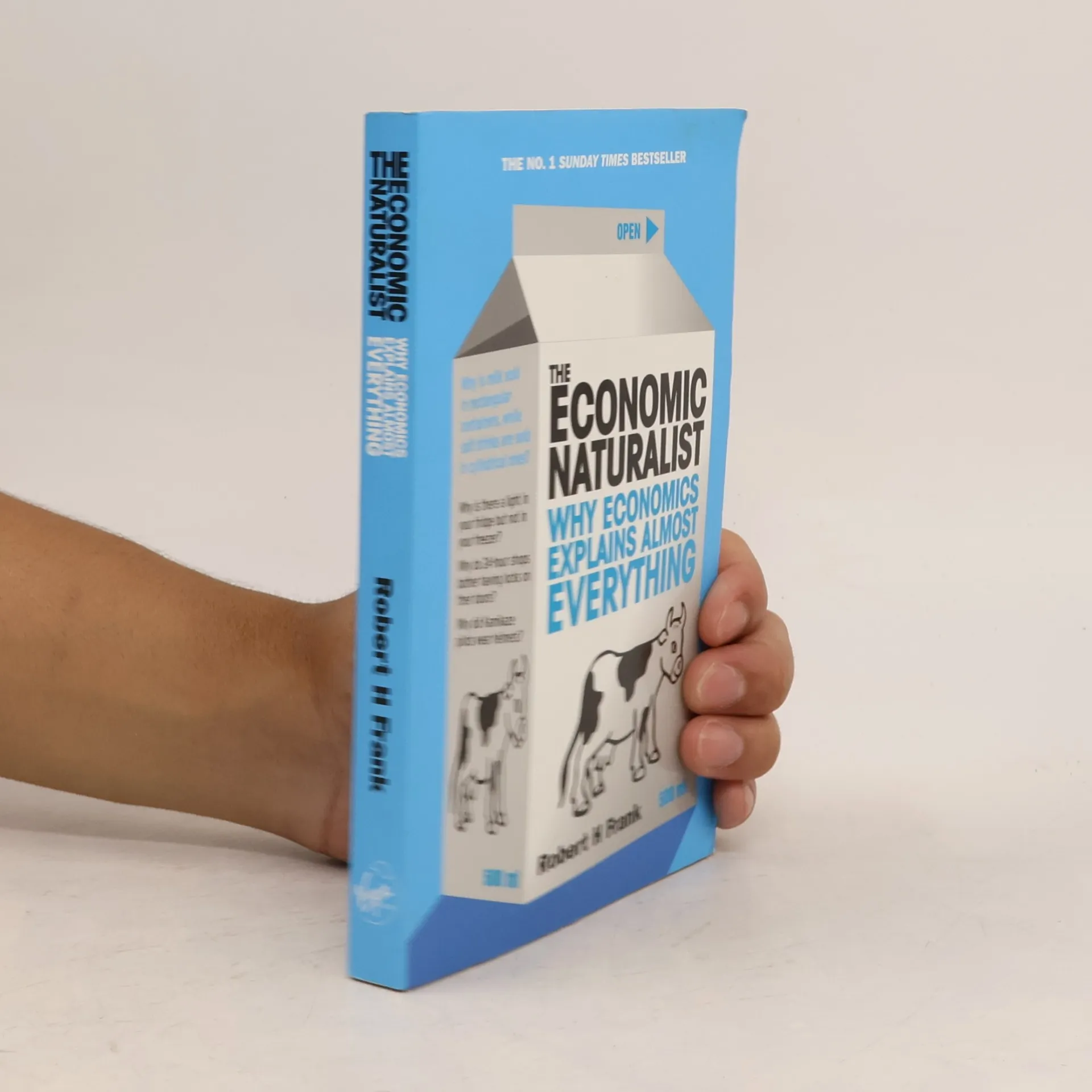
The Economic Naturalist

In Search of Explanations for Everyday Enigmas

Hodnocení knihy

Více o knize

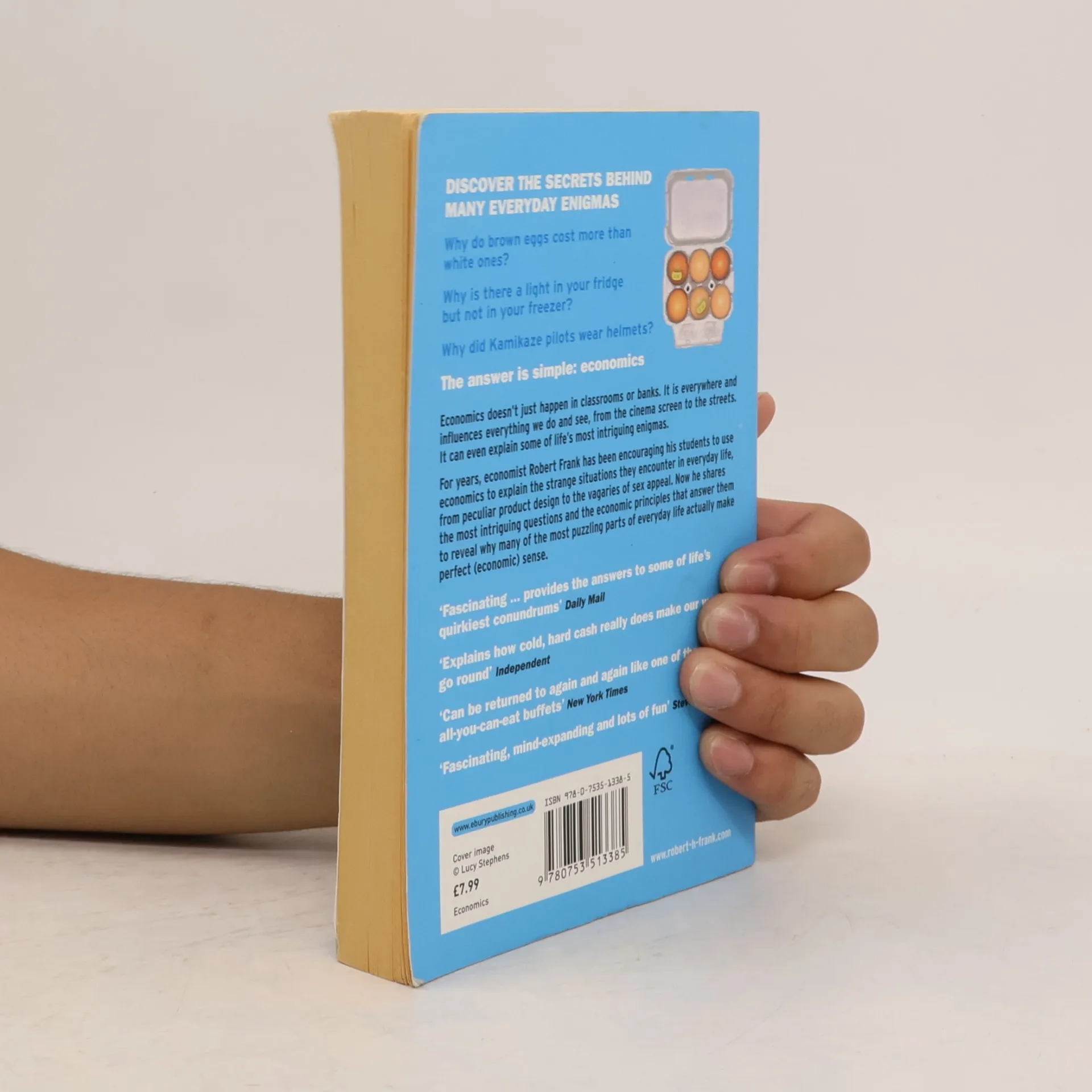
Why do the keypads on drive-up cash machines have Braille dots? Why are round-trip fares from Orlando to Kansas City higher than those from Kansas City to Orlando? For decades, Robert Frank has been asking his economics students to pose and answer questions like these as a way of learning how economic principles operate in the real world--which they do everywhere, all the time.Once you learn to think like an economist, all kinds of puzzling observations start to make sense. Drive-up ATM keypads have Braille dots because it's cheaper to make the same machine for both drive-up and walk-up locations. Travelers from Kansas City to Orlando pay less because they are usually price-sensitive tourists with many choices of destination, whereas travelers originating from Orlando typically choose Kansas City for specific family or business reasons. The Economic Naturalist employs basic economic principles to answer scores of intriguing questions from everyday life, and, along the way, introduces key ideas such as the cost benefit principle, the "no cash left on the table" principle, and the law of one price. There is no more delightful and painless way of learning these fundamental principles.

Vydání

Nákup knihy

The Economic Naturalist, Robert Frank

Jazyk
Rok vydání
2007
product-detail.submit-box.info.binding
(pevná),
Stav knihy
Velmi dobrá
Cena
89 Kč

Doručení

Platební metody

3,5
Dobrá
1978 Hodnocení

Tady nám chybí tvá recenze.

Titul
The Economic Naturalist
Podtitul
In Search of Explanations for Everyday Enigmas
Jazyk
anglicky
Vydavatel
Basic Books
Rok vydání
2007
Vazba
pevná
Počet stran
240
ISBN10
046500217X
ISBN13
9780465002177
Série
Hodnocení
3,5 z 5
Anotace
Why do the keypads on drive-up cash machines have Braille dots? Why are round-trip fares from Orlando to Kansas City higher than those from Kansas City to Orlando? For decades, Robert Frank has been asking his economics students to pose and answer questions like these as a way of learning how economic principles operate in the real world--which they do everywhere, all the time.Once you learn to think like an economist, all kinds of puzzling observations start to make sense. Drive-up ATM keypads have Braille dots because it's cheaper to make the same machine for both drive-up and walk-up locations. Travelers from Kansas City to Orlando pay less because they are usually price-sensitive tourists with many choices of destination, whereas travelers originating from Orlando typically choose Kansas City for specific family or business reasons. The Economic Naturalist employs basic economic principles to answer scores of intriguing questions from everyday life, and, along the way, introduces key ideas such as the cost benefit principle, the "no cash left on the table" principle, and the law of one price. There is no more delightful and painless way of learning these fundamental principles.