Knihobot
Kupuješ přesně tu knihu, která je na fotce

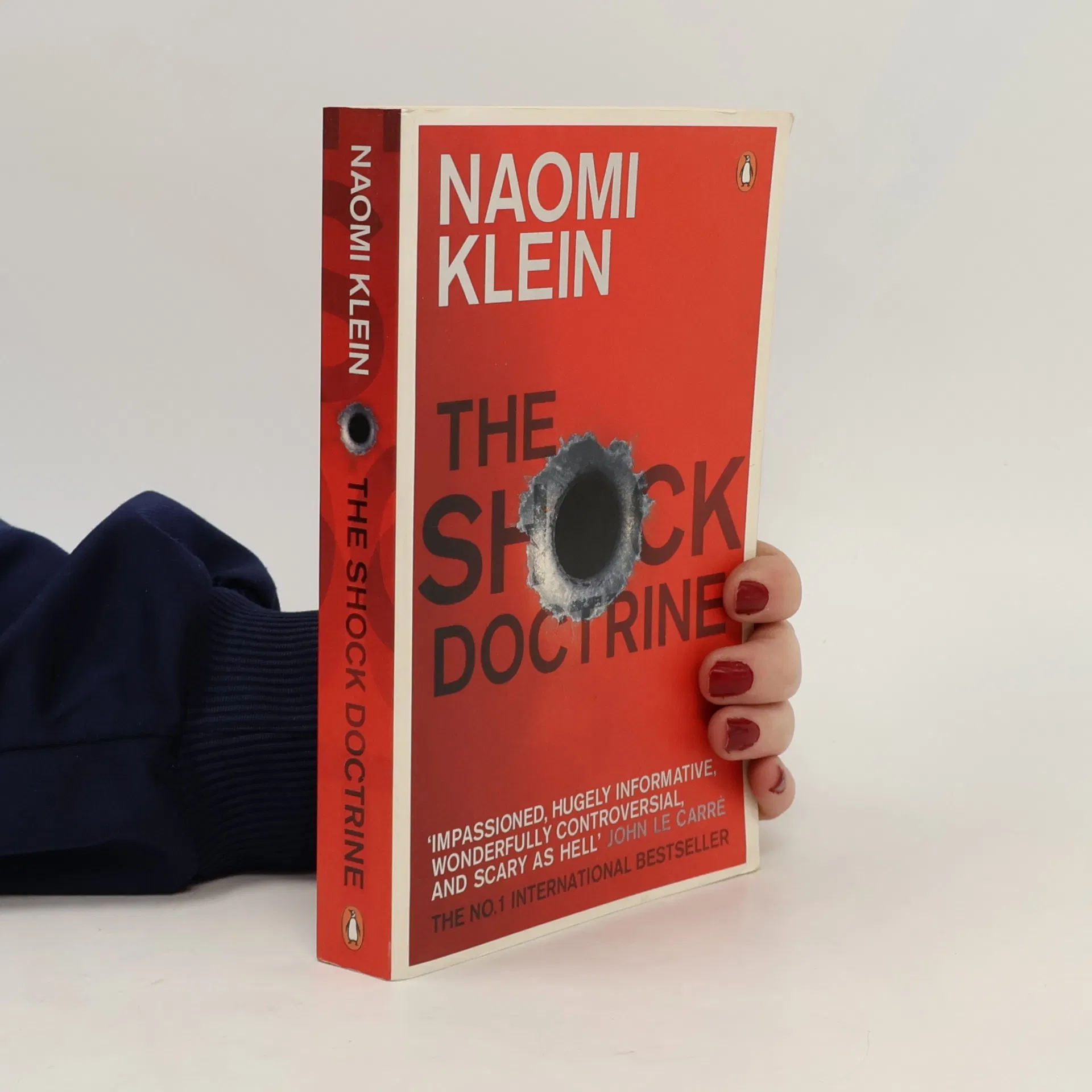
The Shock Doctrine

Hodnocení knihy

Více o knize

In her ground-breaking reporting from Iraq, Naomi Klein exposed how the trauma of invasion was being exploited to remake the country in the interest of foreign corporations. She called it "disaster capitalism." Covering Sri Lanka in the wake of the tsunami, and New Orleans post-Katrina, she witnessed something remarkably similar. People still reeling from catastrophe were being hit again, this time with economic "shock treatment" losing their land and homes to rapid-fire corporate makeovers. The Shock Doctrine retells the story of the most dominant ideology of our time, Milton Friedman's free market economic revolution. In contrast to the popular myth of this movement's peaceful global victory, Klein shows how it has exploited moments of shock and extreme violence in order to implement its economic policies in so many parts of the world from Latin America and Eastern Europe to South Africa, Russia, and Iraq. At the core of disaster capitalism is the use of cataclysmic events to advance radical privatization combined with the privatization of the disaster response itself. By capitalizing on crises, created by nature or war, Klein argues that the disaster capitalism complex now exists as a booming new economy, and is th

Vydání

Nákup knihy

The Shock Doctrine, Naomi Klein

Jazyk
Rok vydání
2008
Vazba
(měkká),
Stav knihy
Dobrá
Cena
339 Kč

Doručení

Platební metody

    4,3
    Velmi dobrá
    99+ Hodnocení
    Před 1 měsícem

    Naomi je jedna z úžasných spisovatelek, která má úžasný oko na detaily a souvislosti.

    Jazyk
    anglicky
    Vydavatel
    Penguin Books
    Rok vydání
    2008
    Vazba
    měkká
    Počet stran
    576
    ISBN10
    0141024534
    ISBN13
    9780141024530
    Série
    První vydání
    2008
    Původní název
    The Shock Doctrine
    Hodnocení
    4,3 z 5
    Anotace
    In her ground-breaking reporting from Iraq, Naomi Klein exposed how the trauma of invasion was being exploited to remake the country in the interest of foreign corporations. She called it "disaster capitalism." Covering Sri Lanka in the wake of the tsunami, and New Orleans post-Katrina, she witnessed something remarkably similar. People still reeling from catastrophe were being hit again, this time with economic "shock treatment" losing their land and homes to rapid-fire corporate makeovers. The Shock Doctrine retells the story of the most dominant ideology of our time, Milton Friedman's free market economic revolution. In contrast to the popular myth of this movement's peaceful global victory, Klein shows how it has exploited moments of shock and extreme violence in order to implement its economic policies in so many parts of the world from Latin America and Eastern Europe to South Africa, Russia, and Iraq. At the core of disaster capitalism is the use of cataclysmic events to advance radical privatization combined with the privatization of the disaster response itself. By capitalizing on crises, created by nature or war, Klein argues that the disaster capitalism complex now exists as a booming new economy, and is th