

Více o knize
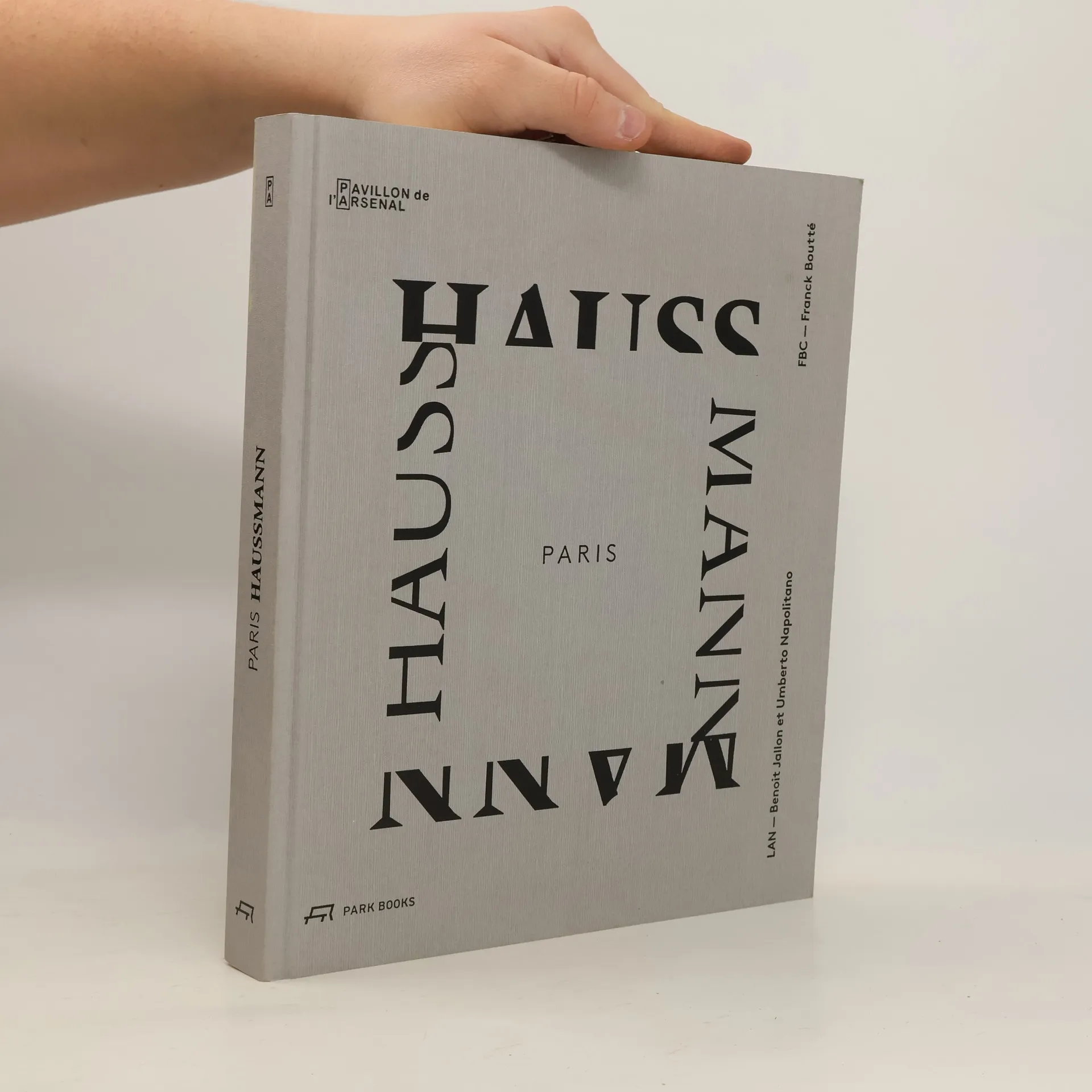
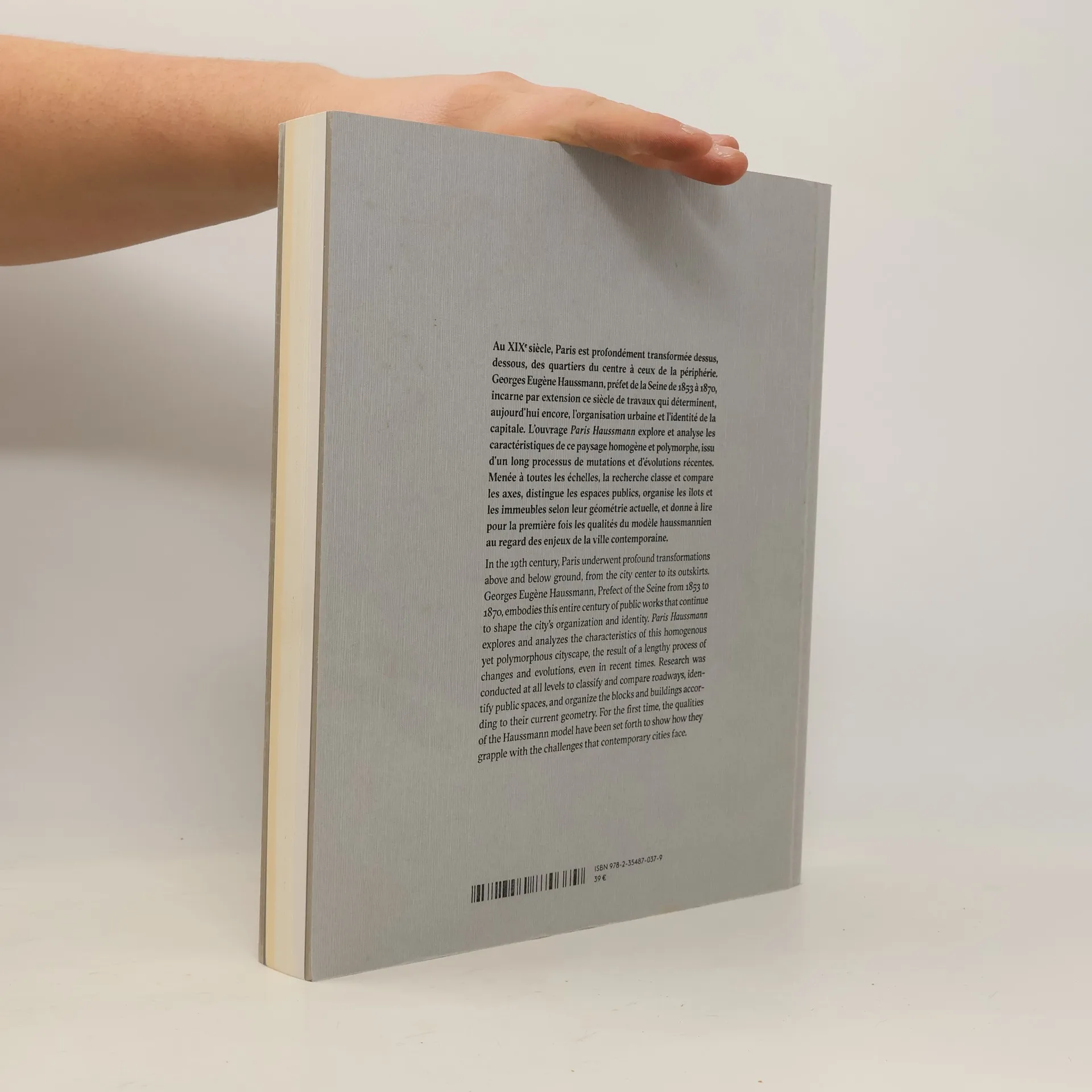
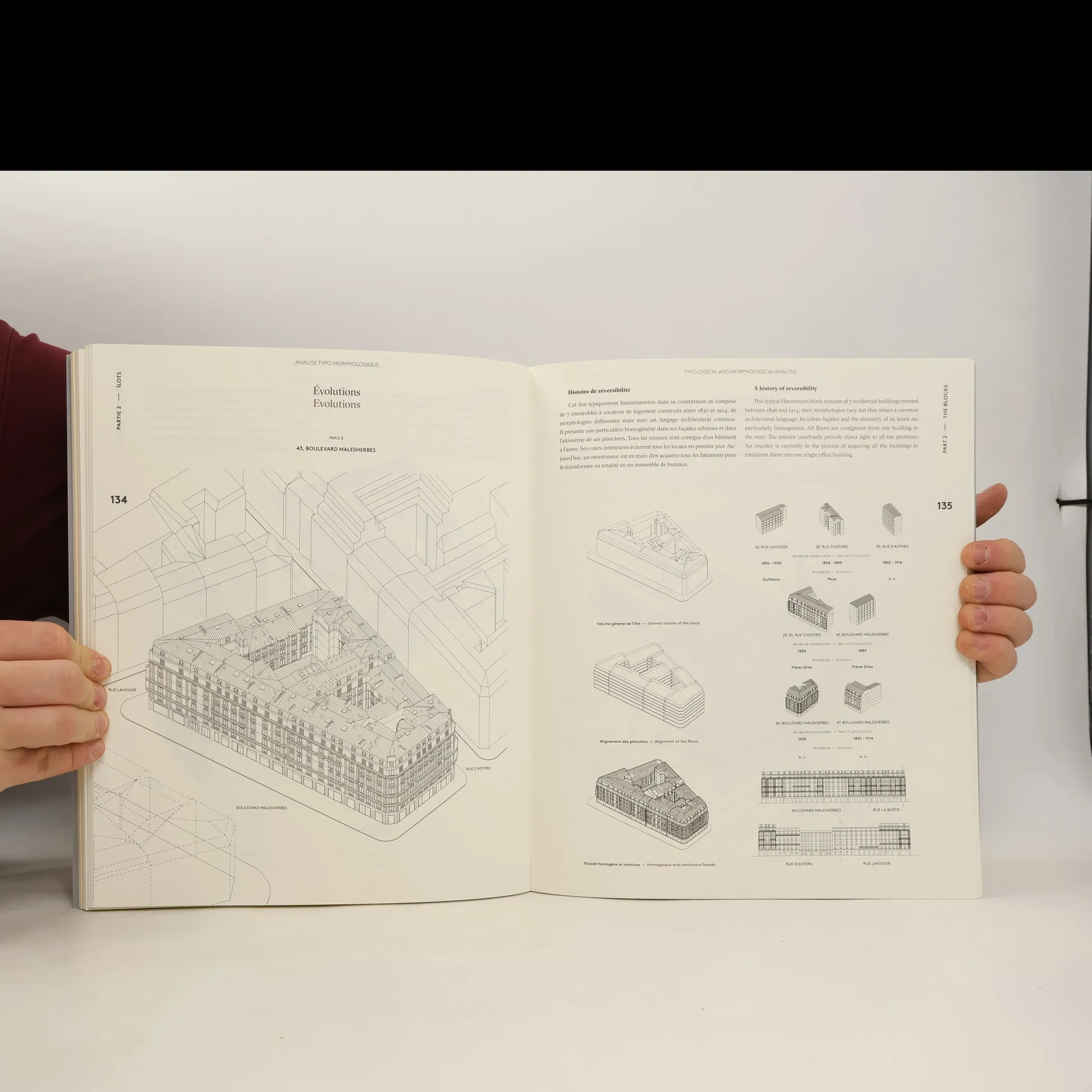
Throughout the nineteenth century, Paris underwent profound transformations that reached every part of the city. Georges Eugène Haussmann, prefect of France’s Département Seine, who was behind the master plan for this rebuilding of the capital, embodies this century of public works that continues to shape the city today.Paris Haussmann explores the characteristics of this homogenous yet polymorphous city, the result of the lengthy process of “Haussmannization.” For the first time, editors Benoît Jallon, Umberto Napolitano, and Franck Boutté have conducted extensive research on roadways, public spaces, and buildings and blocks, among other aspects, in order to explore the capacity of the Haussmann model to contend with the challenges contemporary cities are faced with today. In addition to a wealth of new research, the book features nearly five hundred illustrations, including maps, photographs, plans, and axonometric projections.


Nákup knihy
Paris Haussmann, Benoît Jallon, Umberto Napolitano, Franck Boutté
- Jazyk


- Rok vydání
- 2017
- Vazba
- (měkká)
Tady nám chybí tvá recenze.
- Titul
- Paris Haussmann
- Podtitul
- Modèle de ville
- Jazyk
- anglicky, francouzsky
- Vydavatel
- Editions du Pavillon de l'Arsenal
- Rok vydání
- 2017
- Vazba
- měkká
- Počet stran
- 263
- ISBN10
- 235487037X
- ISBN13
- 9782354870379
- Série
- Hodnocení
- 4,9 z 5
- Anotace
- Throughout the nineteenth century, Paris underwent profound transformations that reached every part of the city. Georges Eugène Haussmann, prefect of France’s Département Seine, who was behind the master plan for this rebuilding of the capital, embodies this century of public works that continues to shape the city today.Paris Haussmann explores the characteristics of this homogenous yet polymorphous city, the result of the lengthy process of “Haussmannization.” For the first time, editors Benoît Jallon, Umberto Napolitano, and Franck Boutté have conducted extensive research on roadways, public spaces, and buildings and blocks, among other aspects, in order to explore the capacity of the Haussmann model to contend with the challenges contemporary cities are faced with today. In addition to a wealth of new research, the book features nearly five hundred illustrations, including maps, photographs, plans, and axonometric projections.