

Hodnocení knihy
Více o knize
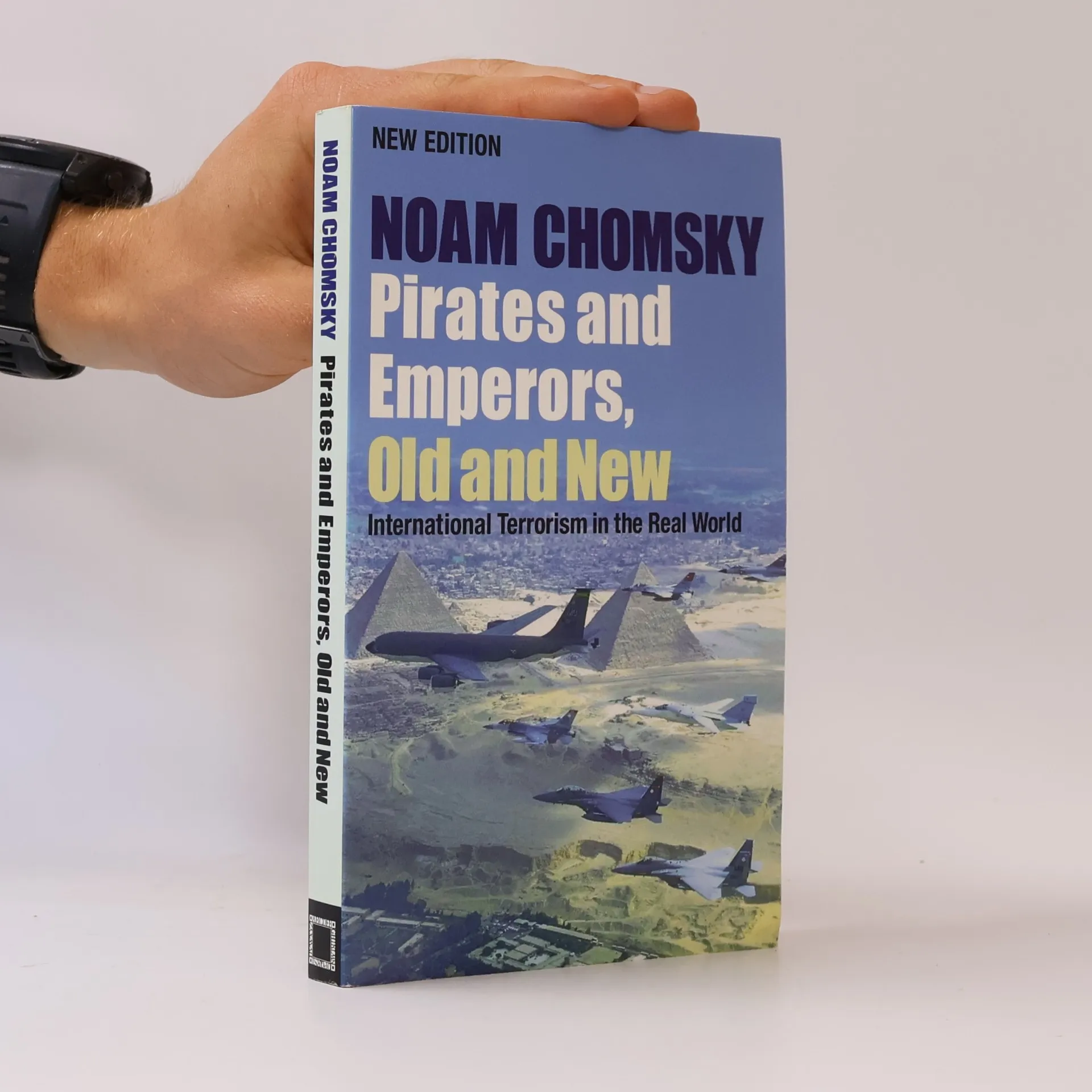
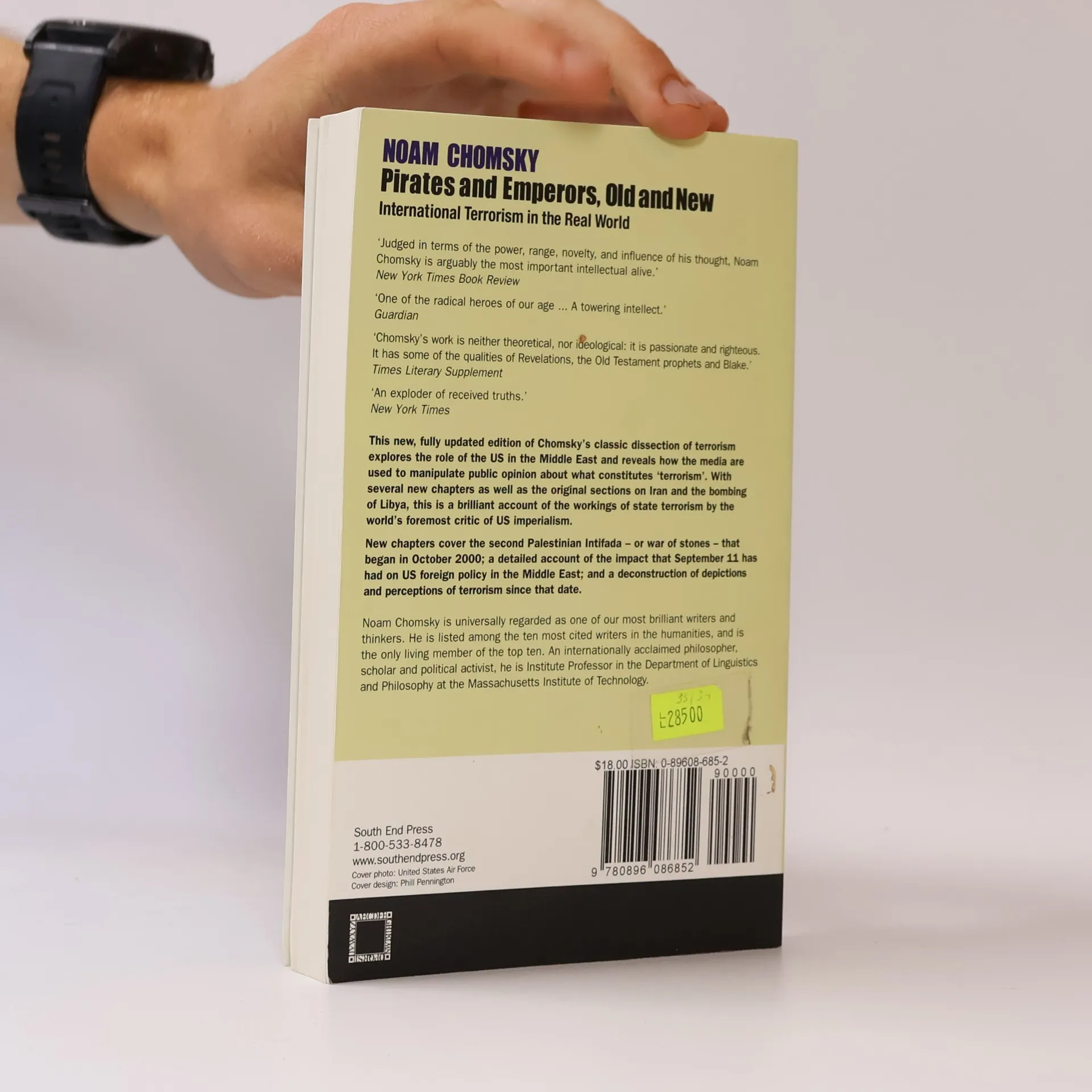
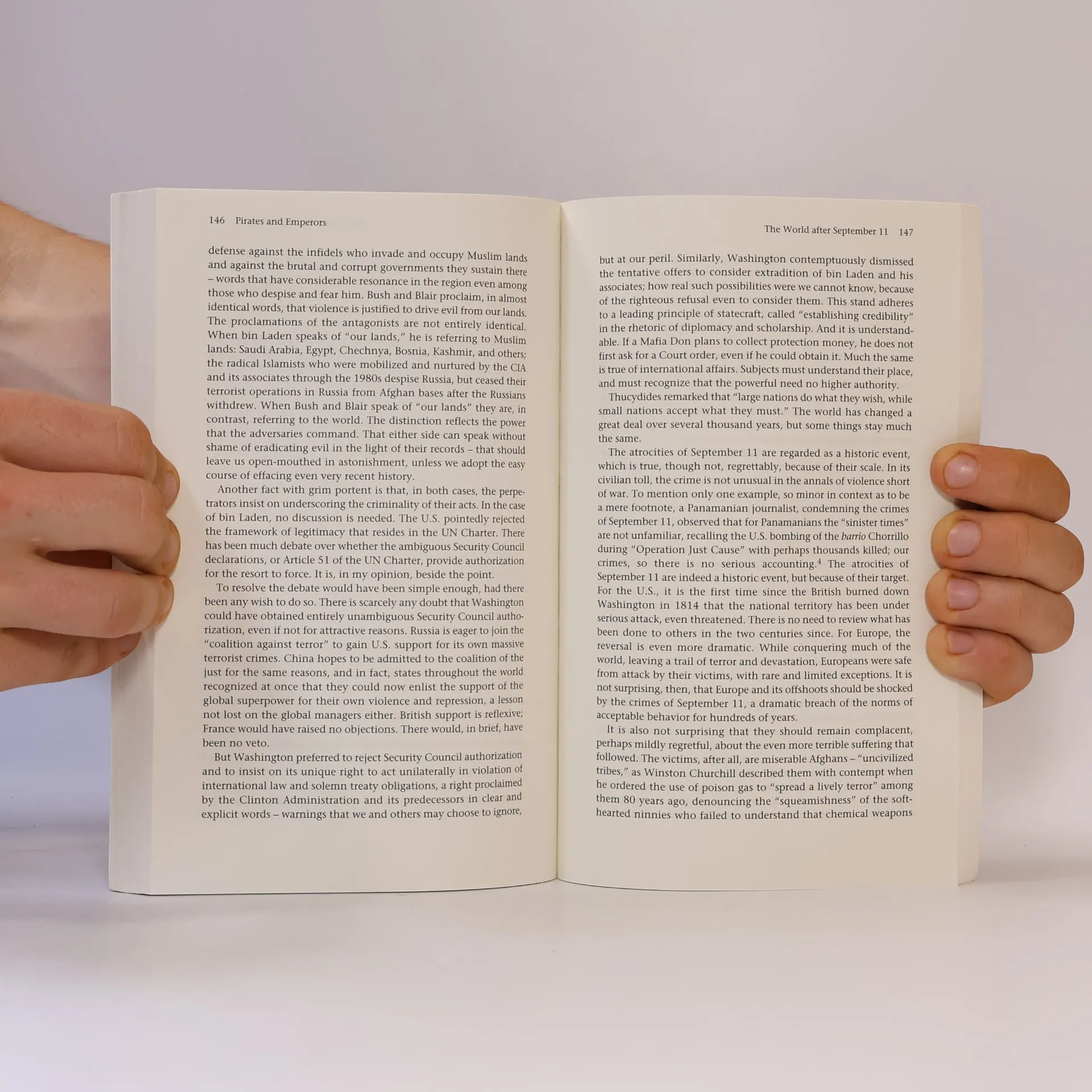
This updated edition of Noam Chomsky’s classic dissection of terrorism delves into the U.S. role in the Middle East and how media shapes public perception of "terrorism." It features new chapters on the second Palestinian intifada, the effects of September 11 on U.S. foreign policy, and a critical analysis of terrorism's depiction since then, alongside original discussions on Iran and the U.S. bombing of Libya. Chomsky begins by tracing the evolving definition of "terrorism," originally linked to state violence aimed at ensuring compliance. He critiques the current notion of "retail terrorism," attributed to marginalized groups challenging the powerful. Emphasizing the importance of distinguishing between state and non-state terror, he argues this understanding is vital for addressing terrorism and comprehending events like the World Trade Center bombing. Chomsky contrasts the "war on terror" initiated by George W. Bush with those of previous administrations, referencing Winston Churchill’s views on the rights of the powerful and the consequences faced by the oppressed. This work offers a profound examination of state terrorism and critiques U.S. imperialism, showcasing Chomsky’s expertise as a philosopher, linguist, and political activist at MIT.



Nákup knihy
Pirates and Emperors, Old and New, Noam Chomsky
- Jazyk

- Rok vydání
- 2002
- Vazba
- (měkká),
- Stav knihy
- Dobrá
- Cena
- 139 Kč
Tady nám chybí tvá recenze.
- Titul
- Pirates and Emperors, Old and New
- Podtitul
- International Terrorism in the Real World - New Edition
- Jazyk
- anglicky
- Autoři
- Noam Chomsky
- Vydavatel
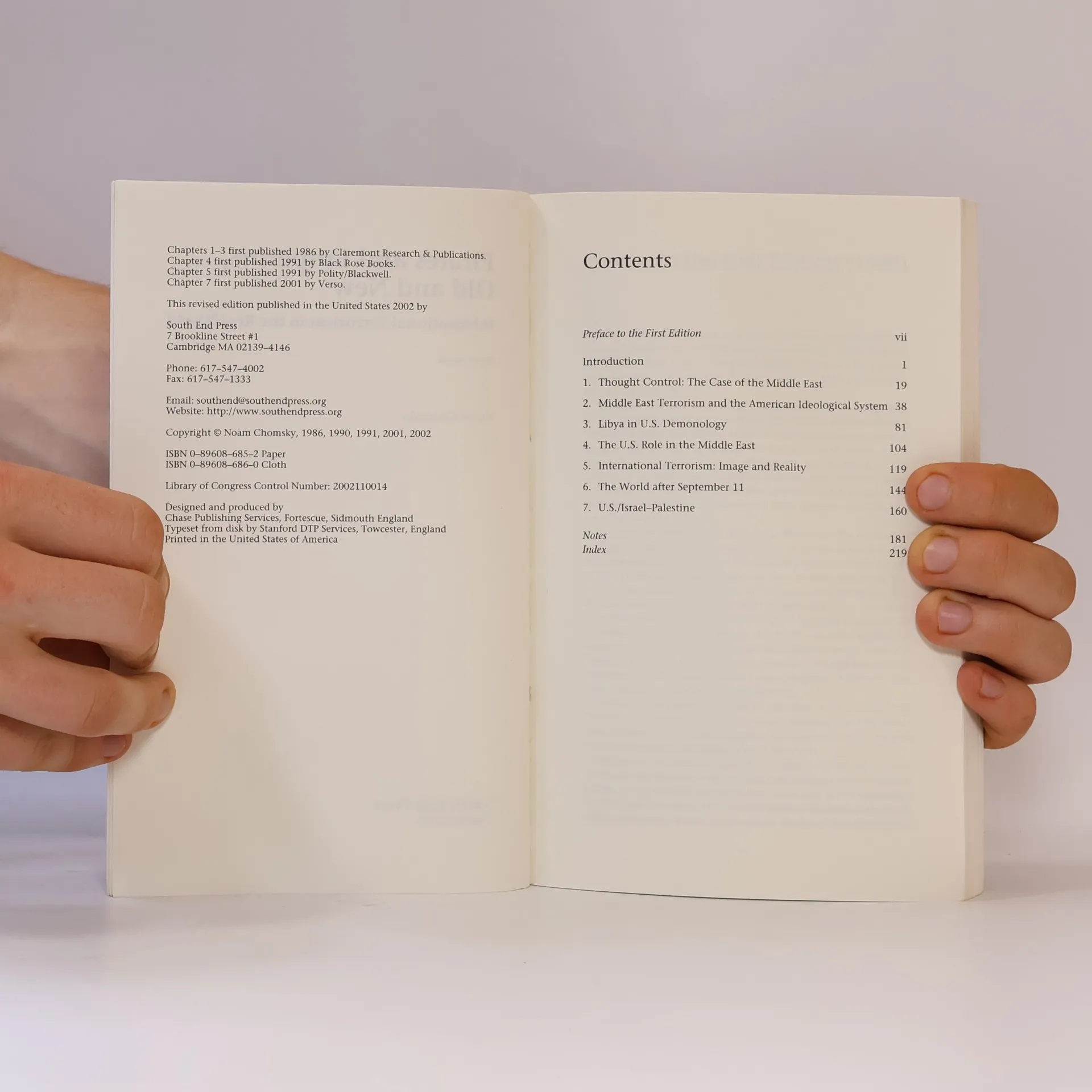
- South End Press
- Rok vydání
- 2002
- Vazba
- měkká
- Počet stran
- 233
- ISBN10
- 0896086852
- ISBN13
- 9780896086852
- Série
- Kategorie
- Hodnocení
- 3,6 z 5
- Anotace
- This updated edition of Noam Chomsky’s classic dissection of terrorism delves into the U.S. role in the Middle East and how media shapes public perception of "terrorism." It features new chapters on the second Palestinian intifada, the effects of September 11 on U.S. foreign policy, and a critical analysis of terrorism's depiction since then, alongside original discussions on Iran and the U.S. bombing of Libya. Chomsky begins by tracing the evolving definition of "terrorism," originally linked to state violence aimed at ensuring compliance. He critiques the current notion of "retail terrorism," attributed to marginalized groups challenging the powerful. Emphasizing the importance of distinguishing between state and non-state terror, he argues this understanding is vital for addressing terrorism and comprehending events like the World Trade Center bombing. Chomsky contrasts the "war on terror" initiated by George W. Bush with those of previous administrations, referencing Winston Churchill’s views on the rights of the powerful and the consequences faced by the oppressed. This work offers a profound examination of state terrorism and critiques U.S. imperialism, showcasing Chomsky’s expertise as a philosopher, linguist, and political activist at MIT.