

Více o knize
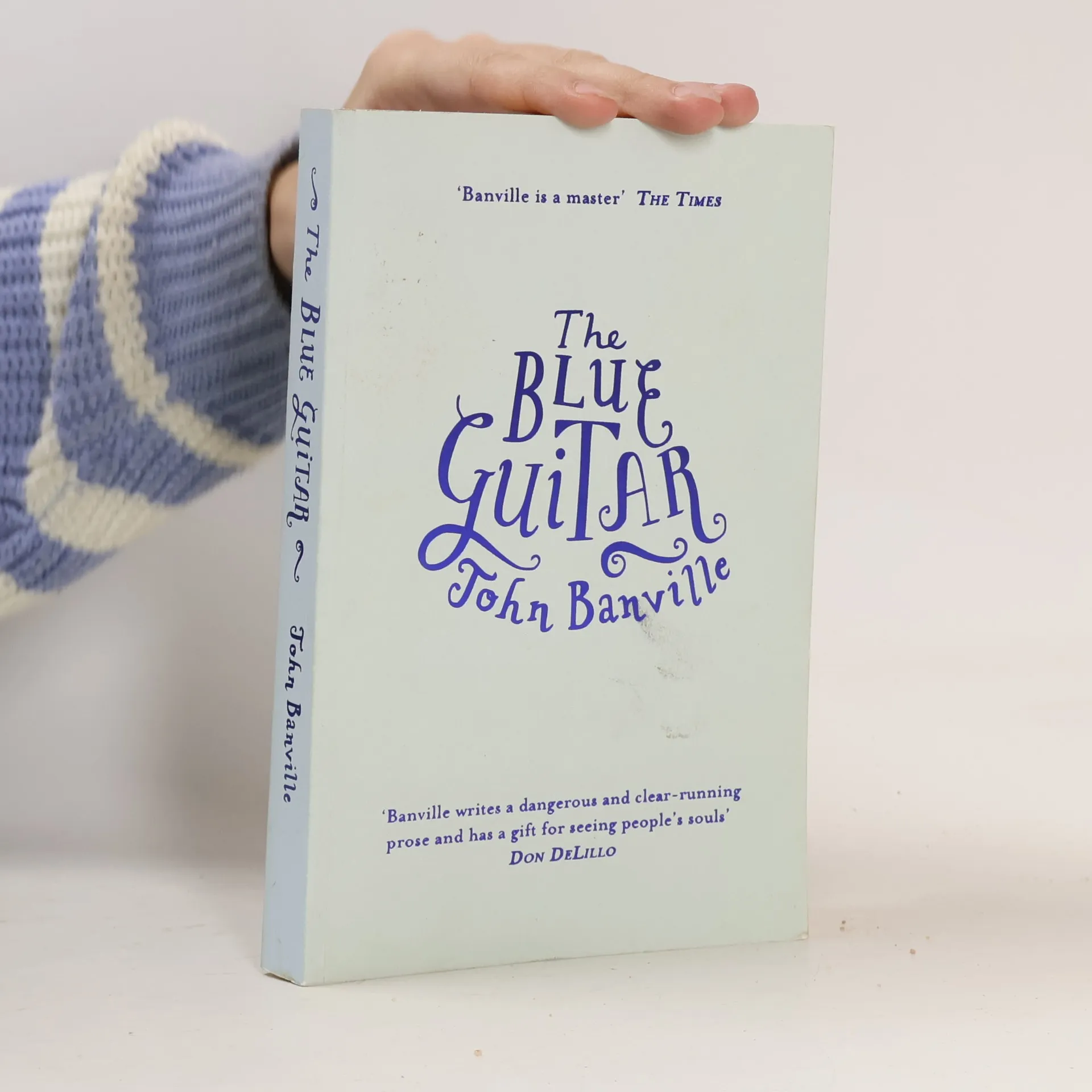
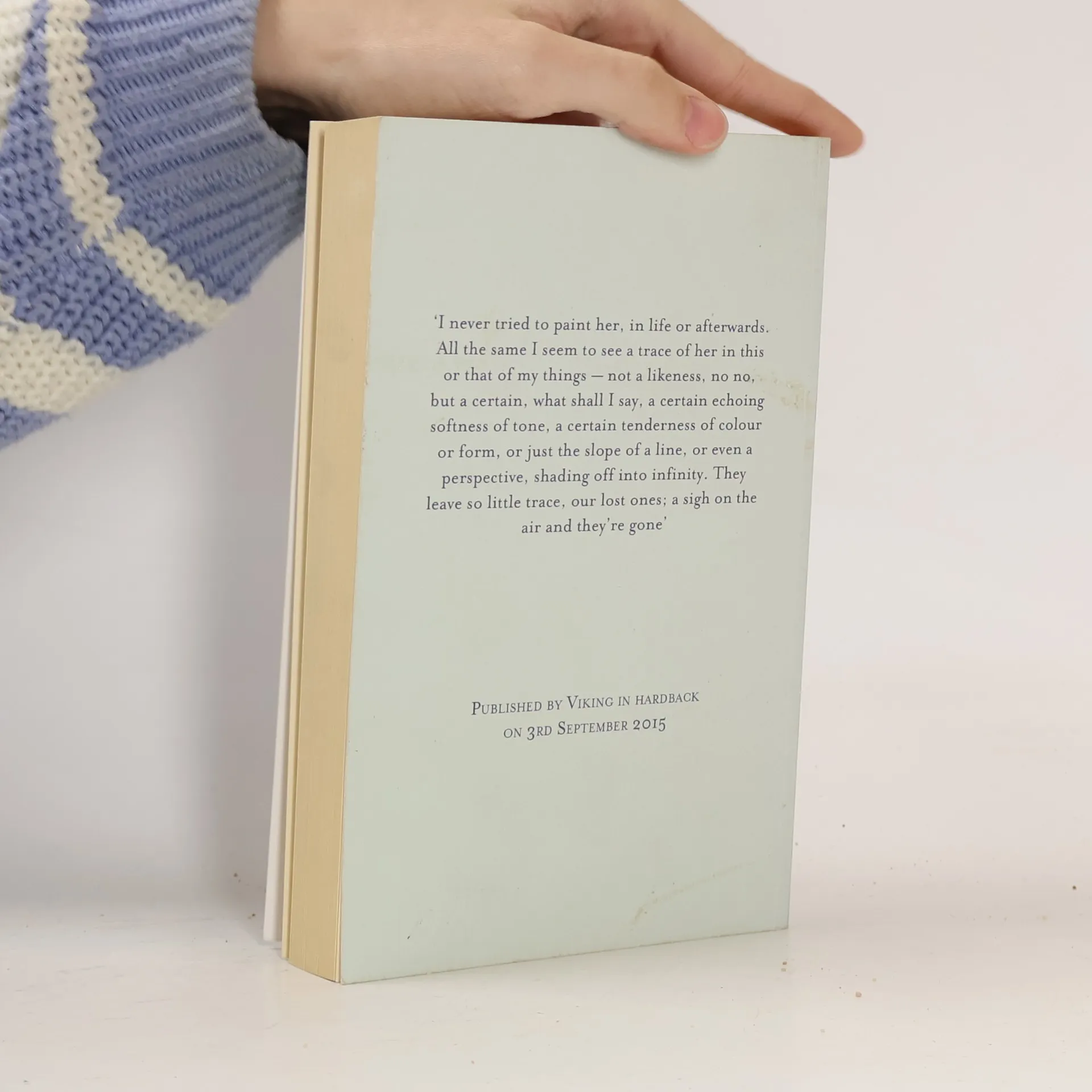
From the Man Booker Prize-winning author of *The Sea* and *Ancient Light* comes a novel that explores the complexities of artistic creation, theft, and the ways we connect with one another while striving to maintain our identities. The narrator, Oliver Otway Orme, is a painter of some repute and a petty thief who steals not for gain but out of a compulsion he has never been caught for. Approaching fifty, he feels burdened by life, grappling with the "man-killing crevasse" between his perceptions and their representations. This struggle has led him to abandon painting altogether. His last theft—a piece belonging to the wife of his best friend—forces him to flee from his mistress, home, and the remnants of his artistic drive, seeking refuge in his childhood house. There, he confronts the memories of his family, past homes, and his unique perspective on the world. Through this introspection, Ollie reveals a man who has long awaited salvation from his own inner turmoil, striving to understand how his life has unfolded in the way it has.


Nákup knihy
The Blue Guitar, John Banville
- Jazyk

- Rok vydání
- 2015
- Vazba
- (pevná),
- Stav knihy
- Dobrá
- Cena
- 149 Kč
Doručení
Platební metody
Tady nám chybí tvá recenze.
- Titul
- The Blue Guitar
- Jazyk
- anglicky
- Autoři
- John Banville
- Vydavatel
- Viking
- Rok vydání
- 2015
- Vazba
- pevná
- Počet stran
- 256
- ISBN10
- 0241004322
- ISBN13
- 9780241004326
- Série
- Kategorie
- Štítky
- Umění, Současná literatura, Irsko, Irská literatura
- Hodnocení
- 3,4 z 5
- Anotace
- From the Man Booker Prize-winning author of *The Sea* and *Ancient Light* comes a novel that explores the complexities of artistic creation, theft, and the ways we connect with one another while striving to maintain our identities. The narrator, Oliver Otway Orme, is a painter of some repute and a petty thief who steals not for gain but out of a compulsion he has never been caught for. Approaching fifty, he feels burdened by life, grappling with the "man-killing crevasse" between his perceptions and their representations. This struggle has led him to abandon painting altogether. His last theft—a piece belonging to the wife of his best friend—forces him to flee from his mistress, home, and the remnants of his artistic drive, seeking refuge in his childhood house. There, he confronts the memories of his family, past homes, and his unique perspective on the world. Through this introspection, Ollie reveals a man who has long awaited salvation from his own inner turmoil, striving to understand how his life has unfolded in the way it has.