

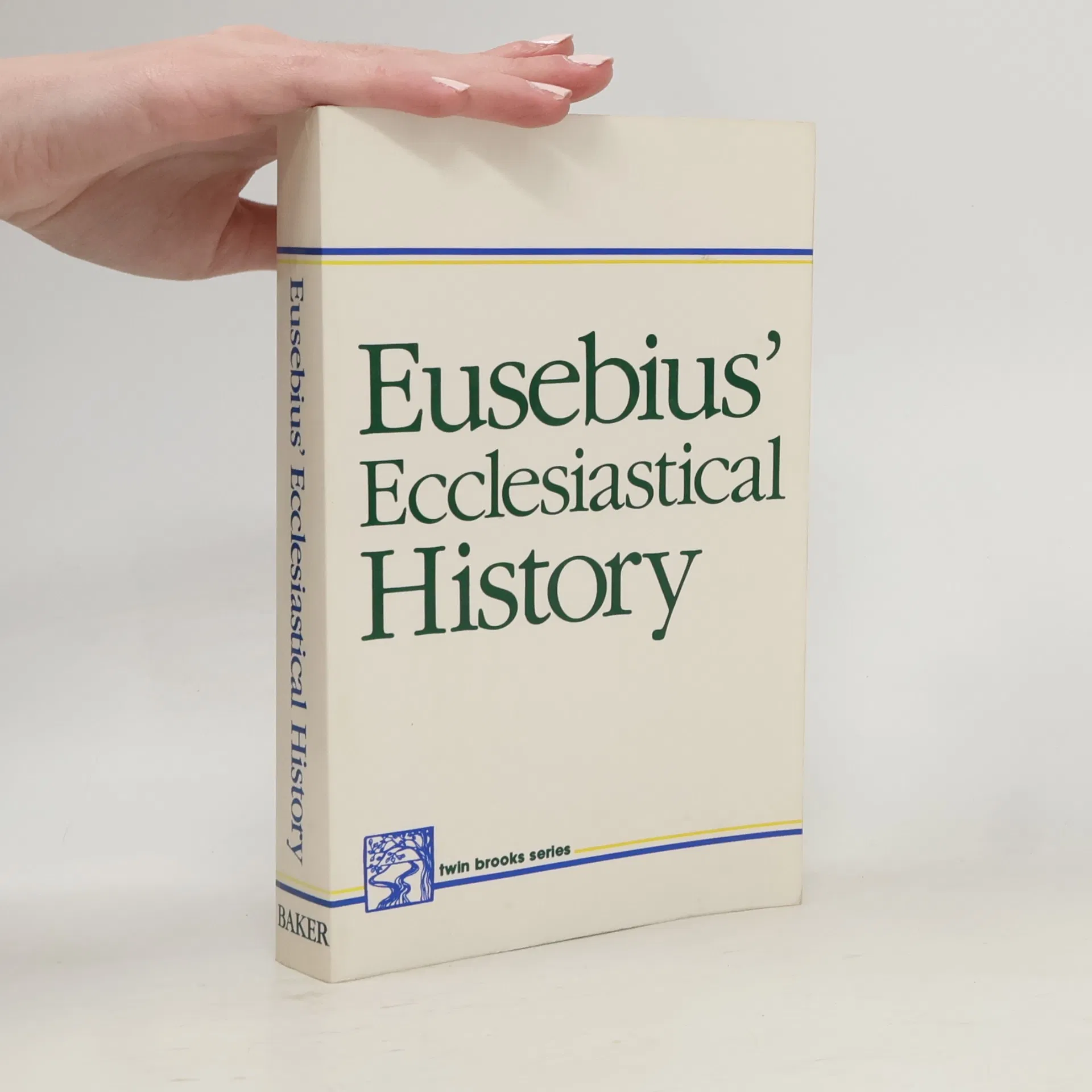
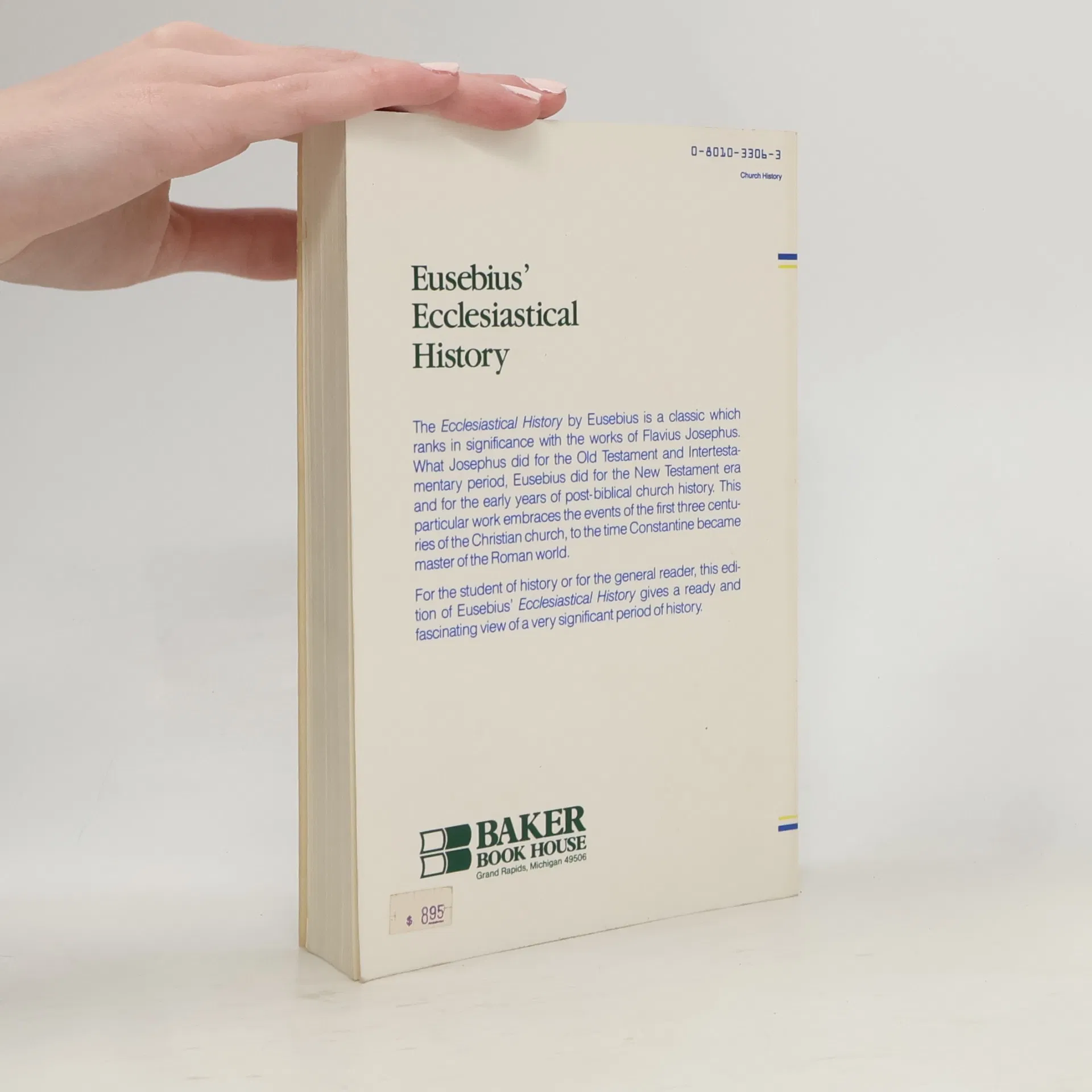


Ecclesiastical History of Eusebius Pamphilus - Complete and Unabridged
Autoři
Hodnocení knihy
Více o knize
The Ἐκκλησιαστικὴ ἱστορία of Eusebius, bishop of Caesarea, is a 4th-century work that chronicles the development of Christianity from the 1st to the 4th century. Written in Koine Greek and surviving in Latin, Syriac, and Armenian manuscripts, it is the first comprehensive historical narrative from a Christian perspective. In the early 5th century, continuators such as Socrates Scholasticus, Sozomen, and Theodoret of Cyrrhus built upon Eusebius’ work, shaping the historiographical conventions that influenced historical writing for the next millennium. Eusebius aimed to create a comparative timeline of pagan and Old Testament history, establishing a model for medieval chronicles. Utilizing the Theological Library of Caesarea, he incorporated ecclesiastical monuments, martyr acts, letters, and earlier Christian writings, often quoting them extensively, thus preserving unique materials. Notably, he claimed that Matthew authored the Gospel according to the Hebrews, suggesting it was the only Jewish gospel. While the work lacks completeness and systematic organization, it serves as a partial vindication of Christianity, despite not being primarily intended as such. Eusebius has faced criticism for potential bias and alleged falsification of facts and figures.


Nákup knihy
Ecclesiastical History of Eusebius Pamphilus - Complete and Unabridged, Eusebius of Caesarea
- Jazyk

- Rok vydání
- 1991
- Vazba
- (měkká),
- Stav knihy
- Dobrá
- Cena
- 429 Kč
Doručení
Platební metody
Tady nám chybí tvá recenze.
- Titul
- Ecclesiastical History of Eusebius Pamphilus - Complete and Unabridged
- Jazyk
- anglicky
- Autoři
- Eusebius of Caesarea
- Vydavatel
- Baker Publishing Group
- Rok vydání
- 1991
- Vazba
- měkká
- Počet stran
- 480
- ISBN10
- 0801033063
- ISBN13
- 9780801033063
- Série
- Hodnocení
- 4 z 5
- Anotace
- The Ἐκκλησιαστικὴ ἱστορία of Eusebius, bishop of Caesarea, is a 4th-century work that chronicles the development of Christianity from the 1st to the 4th century. Written in Koine Greek and surviving in Latin, Syriac, and Armenian manuscripts, it is the first comprehensive historical narrative from a Christian perspective. In the early 5th century, continuators such as Socrates Scholasticus, Sozomen, and Theodoret of Cyrrhus built upon Eusebius’ work, shaping the historiographical conventions that influenced historical writing for the next millennium. Eusebius aimed to create a comparative timeline of pagan and Old Testament history, establishing a model for medieval chronicles. Utilizing the Theological Library of Caesarea, he incorporated ecclesiastical monuments, martyr acts, letters, and earlier Christian writings, often quoting them extensively, thus preserving unique materials. Notably, he claimed that Matthew authored the Gospel according to the Hebrews, suggesting it was the only Jewish gospel. While the work lacks completeness and systematic organization, it serves as a partial vindication of Christianity, despite not being primarily intended as such. Eusebius has faced criticism for potential bias and alleged falsification of facts and figures.