

Více o knize
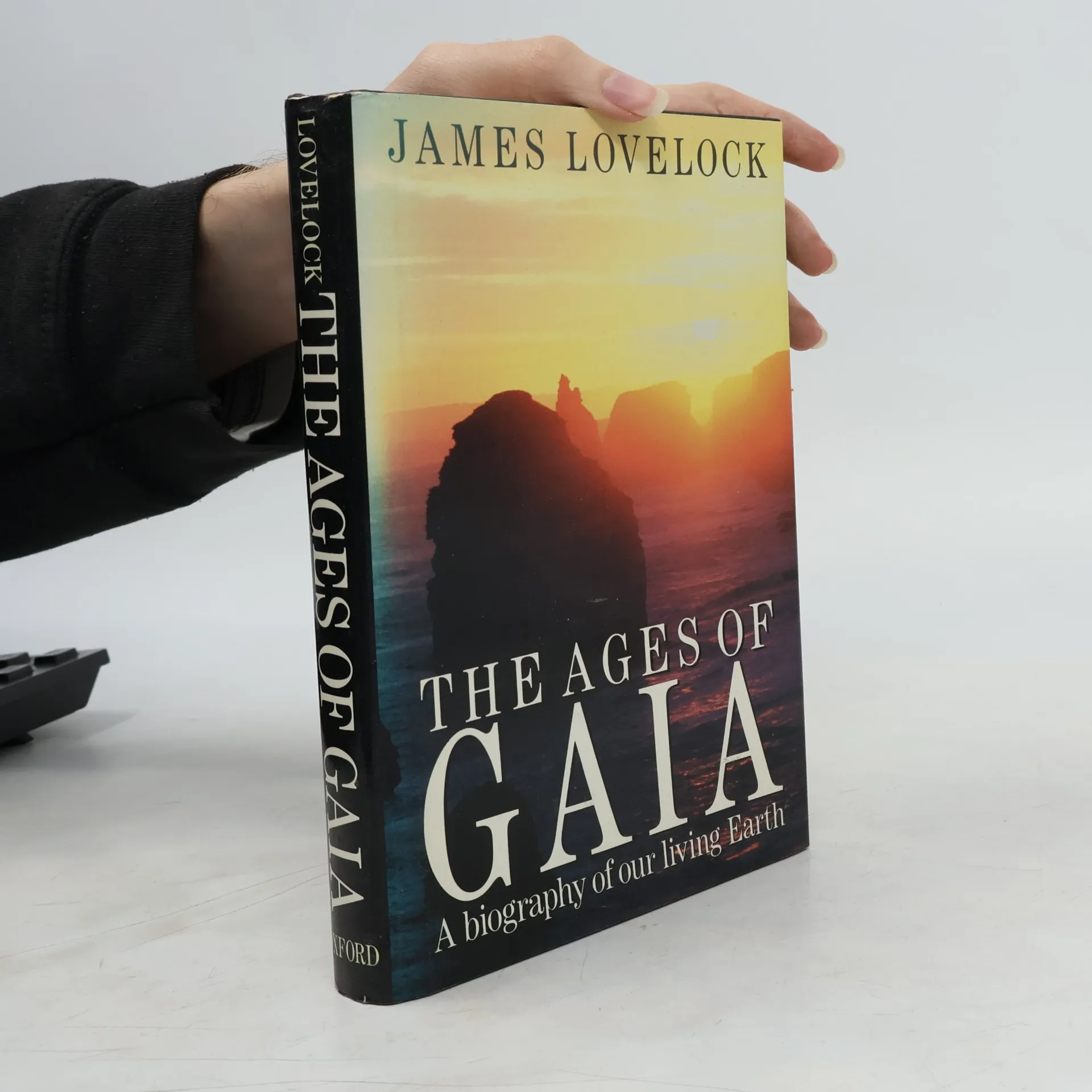
Open the cover and immerse yourself in the compelling argument that the Earth is alive. In his first book, James Lovelock introduced a groundbreaking theory of life, proposing that Earth, along with its rocks, oceans, and atmosphere, is part of a single, evolving organism. This theory, known as Gaia, has been supported by extensive scientific research. In this new work, Lovelock expands on a unified view of Earth and life sciences, addressing recent developments such as the greenhouse effect, acid rain, ozone layer depletion, and nuclear power. He illustrates the intricate geophysical interactions among the atmosphere, oceans, climate, and Earth's crust, all regulated by living organisms harnessing solar energy. However, Lovelock warns that Gaia is not merely a benevolent life force; the theory emphasizes the planet's overall health over that of individual species. This perspective diverges from environmental movements focused primarily on human well-being. Lovelock's hypothesis raises significant philosophical questions and challenges both conservationists and the scientific community to reconsider their approaches. Cover photograph by Steve Krongard/The Image Bank.




Nákup knihy
The Ages of Gaia, James Lovelock
- Jazyk

- Rok vydání
- 1988
- Vazba
- (pevná)
Tady nám chybí tvá recenze.
- Titul
- The Ages of Gaia
- Podtitul
- A Biography of Our Living Earth
- Jazyk
- anglicky
- Autoři
- James Lovelock
- Vydavatel
- OXFORD UNIV PR
- Rok vydání
- 1988
- Vazba
- pevná
- Počet stran
- 252
- ISBN10
- 0192177702
- ISBN13
- 9780192177704
- Série
- Kategorie
- Štítky
- Příroda, Přírodní vědy, Věda, Ekologická tématika, Život, Evoluce, Environmentalistika, Planeta Země, Člověk a příroda, Superorganismy
- První vydání
- 1988
- Původní název
- The Ages of Gaia
- Hodnocení
- 3,85 z 5
- Anotace
- Open the cover and immerse yourself in the compelling argument that the Earth is alive. In his first book, James Lovelock introduced a groundbreaking theory of life, proposing that Earth, along with its rocks, oceans, and atmosphere, is part of a single, evolving organism. This theory, known as Gaia, has been supported by extensive scientific research. In this new work, Lovelock expands on a unified view of Earth and life sciences, addressing recent developments such as the greenhouse effect, acid rain, ozone layer depletion, and nuclear power. He illustrates the intricate geophysical interactions among the atmosphere, oceans, climate, and Earth's crust, all regulated by living organisms harnessing solar energy. However, Lovelock warns that Gaia is not merely a benevolent life force; the theory emphasizes the planet's overall health over that of individual species. This perspective diverges from environmental movements focused primarily on human well-being. Lovelock's hypothesis raises significant philosophical questions and challenges both conservationists and the scientific community to reconsider their approaches. Cover photograph by Steve Krongard/The Image Bank.