

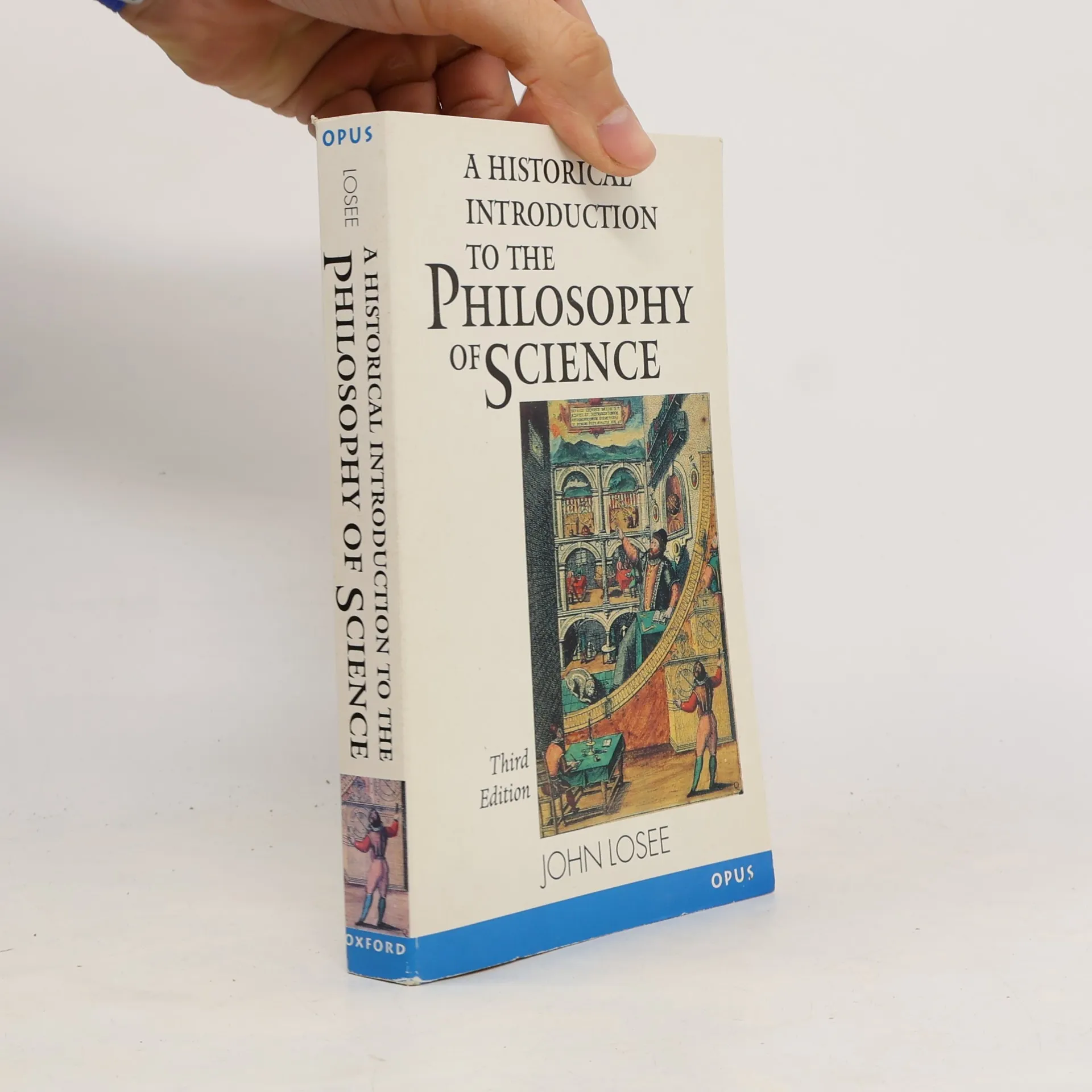


A Historical Introduction to the Philosophy of Science - Third Edition
Autoři
Hodnocení knihy
Více o knize
This new edition updates an accessible study of the philosophy of science, exploring questions raised since the time of Plato and Aristotle regarding the evaluation of scientific interpretations. It presents differing viewpoints on key issues, including the distinction between scientific inquiry and other interpretations, the relationship between theories and observation reports, the evaluation of competing theories, and the nature of progress in science. The author makes the philosophy of science approachable for readers without extensive knowledge of formal logic or the history of various sciences. The third edition features an extended discussion of recent developments, addressing how historicist critics of Logical Empiricism have shown that evaluative standards and cognitive aims have evolved throughout the history of science. It also delves into contemporary controversies surrounding scientific realism, causal theories of explanation, Bayesian theories of confirmation, and the pursuit of a non-prescriptive philosophy of science. This lucid introduction is ideal for those seeking to understand the philosophy of science in a clear and engaging manner.
Vydání

Nákup knihy
A Historical Introduction to the Philosophy of Science - Third Edition, John Losee
- Jazyk

- Rok vydání
- 1993
- Vazba
- (měkká),
- Stav knihy
- Dobrá
- Cena
- 199 Kč
Doručení
Platební metody
Tady nám chybí tvá recenze.
- Titul
- A Historical Introduction to the Philosophy of Science - Third Edition
- Jazyk
- anglicky
- Autoři
- John Losee
- Vydavatel
- Oxford University Press
- Rok vydání
- 1993
- Vazba
- měkká
- Počet stran
- 332
- ISBN10
- 0192892479
- ISBN13
- 9780192892478
- Série
- Kategorie
- Štítky
- Věda
- Hodnocení
- 3,65 z 5
- Anotace
- This new edition updates an accessible study of the philosophy of science, exploring questions raised since the time of Plato and Aristotle regarding the evaluation of scientific interpretations. It presents differing viewpoints on key issues, including the distinction between scientific inquiry and other interpretations, the relationship between theories and observation reports, the evaluation of competing theories, and the nature of progress in science. The author makes the philosophy of science approachable for readers without extensive knowledge of formal logic or the history of various sciences. The third edition features an extended discussion of recent developments, addressing how historicist critics of Logical Empiricism have shown that evaluative standards and cognitive aims have evolved throughout the history of science. It also delves into contemporary controversies surrounding scientific realism, causal theories of explanation, Bayesian theories of confirmation, and the pursuit of a non-prescriptive philosophy of science. This lucid introduction is ideal for those seeking to understand the philosophy of science in a clear and engaging manner.