



Více o knize
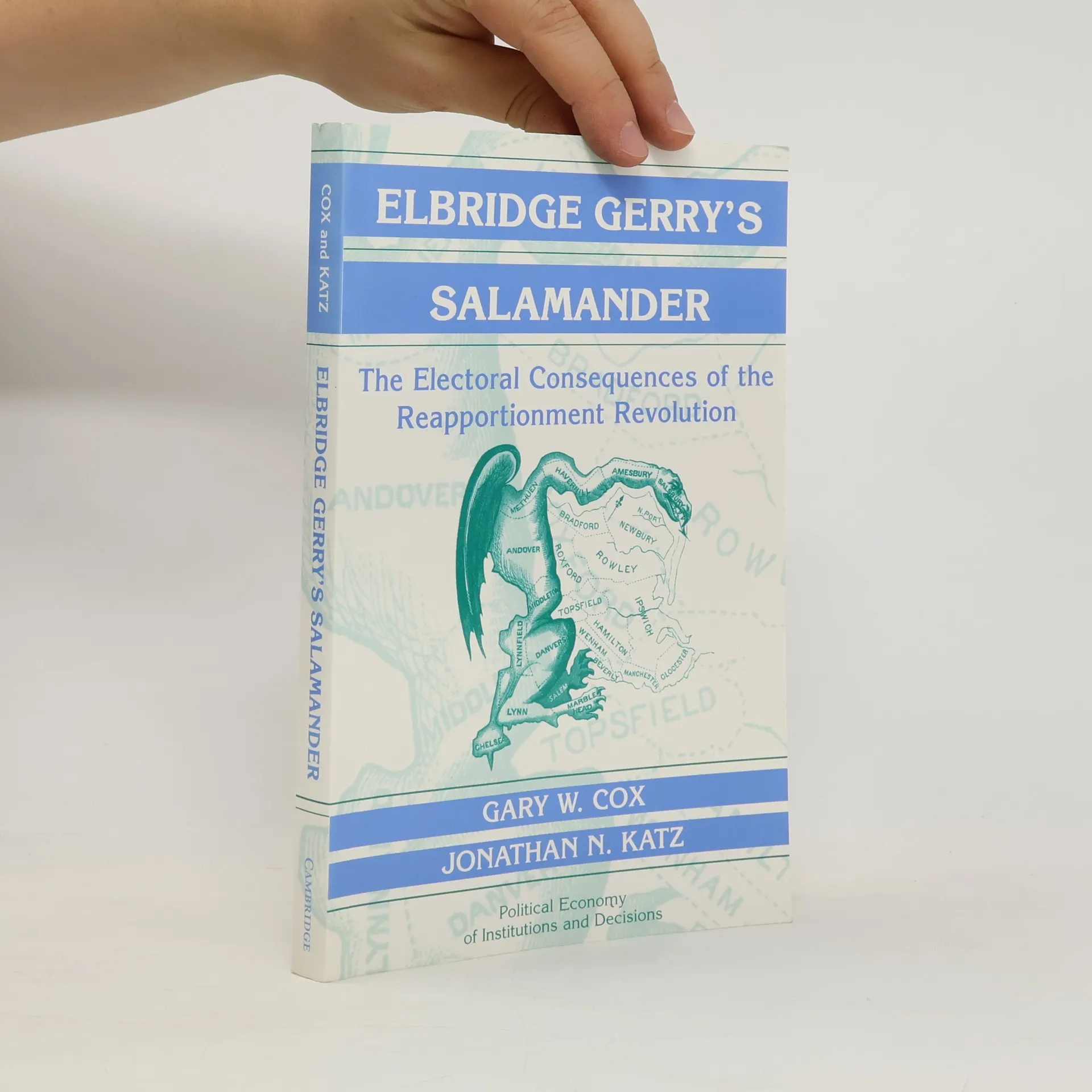
The Supreme Court's reapportionment decisions, beginning with Baker v. Carr in 1962, had far more than jurisprudential consequences. They sparked a massive wave of extraordinary redistricting in the mid-1960s. Both state legislative and congressional districts were redrawn more comprehensively--by far--than at any previous time in our nation's history. Moreover, they changed what would legally happen should a state government fail to enact a new districting plan when one was legally required. This book provides the first detailed analysis of how judicial partisanship affected redistricting outcomes in the 1960s, arguing that the reapportionment revolution led indirectly to three fundamental changes in the nature of congressional elections: the abrupt eradication of a 6% pro-Republican bias in the translation of congressional votes into seats outside the south; the abrupt increase in the apparent advantage of incumbents; and the abrupt alteration of the two parties' success in congressional recruitment and elections.
Vydání

Nákup knihy
Elbridge Gerry's Salamander, Gary Cox, Jonathan N. Katz
- Jazyk

- Rok vydání
- 2002
- Vazba
- (měkká)
Doručení
Platební metody
Tady nám chybí tvá recenze.
- Titul
- Elbridge Gerry's Salamander
- Jazyk
- anglicky
- Autoři
- Gary Cox, Jonathan N. Katz
- Vydavatel
- Cambridge University Press
- Rok vydání
- 2002
- Vazba
- měkká
- Počet stran
- 248
- ISBN10
- 0521001544
- ISBN13
- 9780521001540
- Kategorie
- Štítky
- Historické téma
- Hodnocení
- 2 z 5
- Anotace
- The Supreme Court's reapportionment decisions, beginning with Baker v. Carr in 1962, had far more than jurisprudential consequences. They sparked a massive wave of extraordinary redistricting in the mid-1960s. Both state legislative and congressional districts were redrawn more comprehensively--by far--than at any previous time in our nation's history. Moreover, they changed what would legally happen should a state government fail to enact a new districting plan when one was legally required. This book provides the first detailed analysis of how judicial partisanship affected redistricting outcomes in the 1960s, arguing that the reapportionment revolution led indirectly to three fundamental changes in the nature of congressional elections: the abrupt eradication of a 6% pro-Republican bias in the translation of congressional votes into seats outside the south; the abrupt increase in the apparent advantage of incumbents; and the abrupt alteration of the two parties' success in congressional recruitment and elections.