



Více o knize
To be honest, the profession he had always dreamed of did not exist. As a boy in his hometown, he felt that many people were not in their right place or took the wrong path simply because they lacked clarity. He imagined a man of infinite wisdom and insight, both a doctor and a priest, someone who could discern the fate of individuals with a mere glance. This man would be consulted like a physician, a sort of mediator of destinies. Not only because he was intelligent—perhaps he didn't even need exceptional intelligence—but because he could live the lives of others, empathizing with anyone. Maigret had never spoken of this to anyone, nor did he dare to think too seriously about it for fear of feeling ridiculous. Unable to complete his medical studies, he had entered the police force by chance. But was it truly just chance? And aren't police officers sometimes mediators of destinies themselves?


Nákup knihy
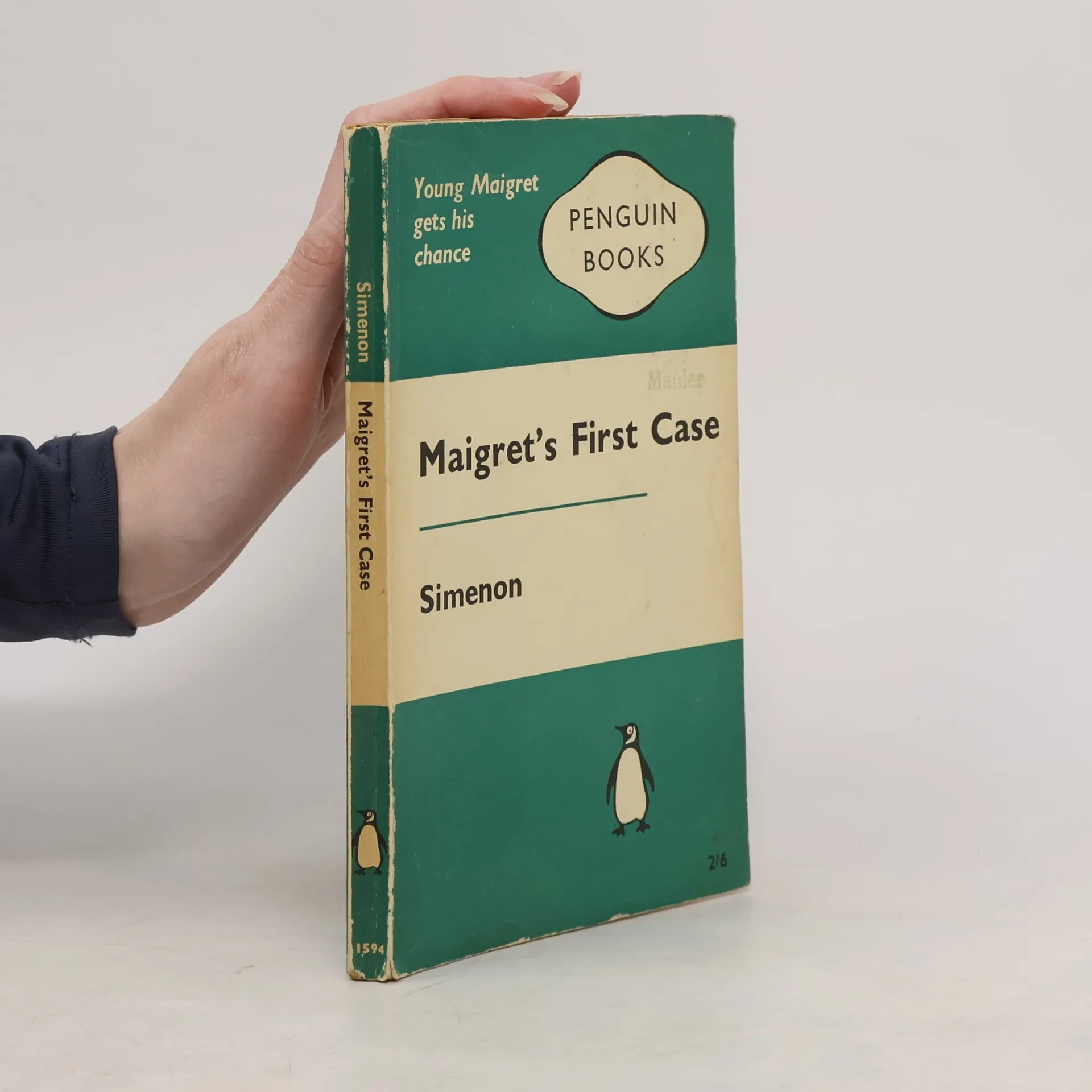
Maigret's first case, Georges Simenon
- Jazyk

- Rok vydání
- 1962
- Vazba
- (měkká)
Doručení
Platební metody
Tady nám chybí tvá recenze.
- Titul
- Maigret's first case
- Jazyk
- anglicky
- Autoři
- Georges Simenon
- Vydavatel
- Penguin Books
- Rok vydání
- 1962
- Vazba
- měkká
- Série
- Původní název
- La première enquête de Maigret
- Hodnocení
- 3,55 z 5
- Anotace
- To be honest, the profession he had always dreamed of did not exist. As a boy in his hometown, he felt that many people were not in their right place or took the wrong path simply because they lacked clarity. He imagined a man of infinite wisdom and insight, both a doctor and a priest, someone who could discern the fate of individuals with a mere glance. This man would be consulted like a physician, a sort of mediator of destinies. Not only because he was intelligent—perhaps he didn't even need exceptional intelligence—but because he could live the lives of others, empathizing with anyone. Maigret had never spoken of this to anyone, nor did he dare to think too seriously about it for fear of feeling ridiculous. Unable to complete his medical studies, he had entered the police force by chance. But was it truly just chance? And aren't police officers sometimes mediators of destinies themselves?