

Více o knize
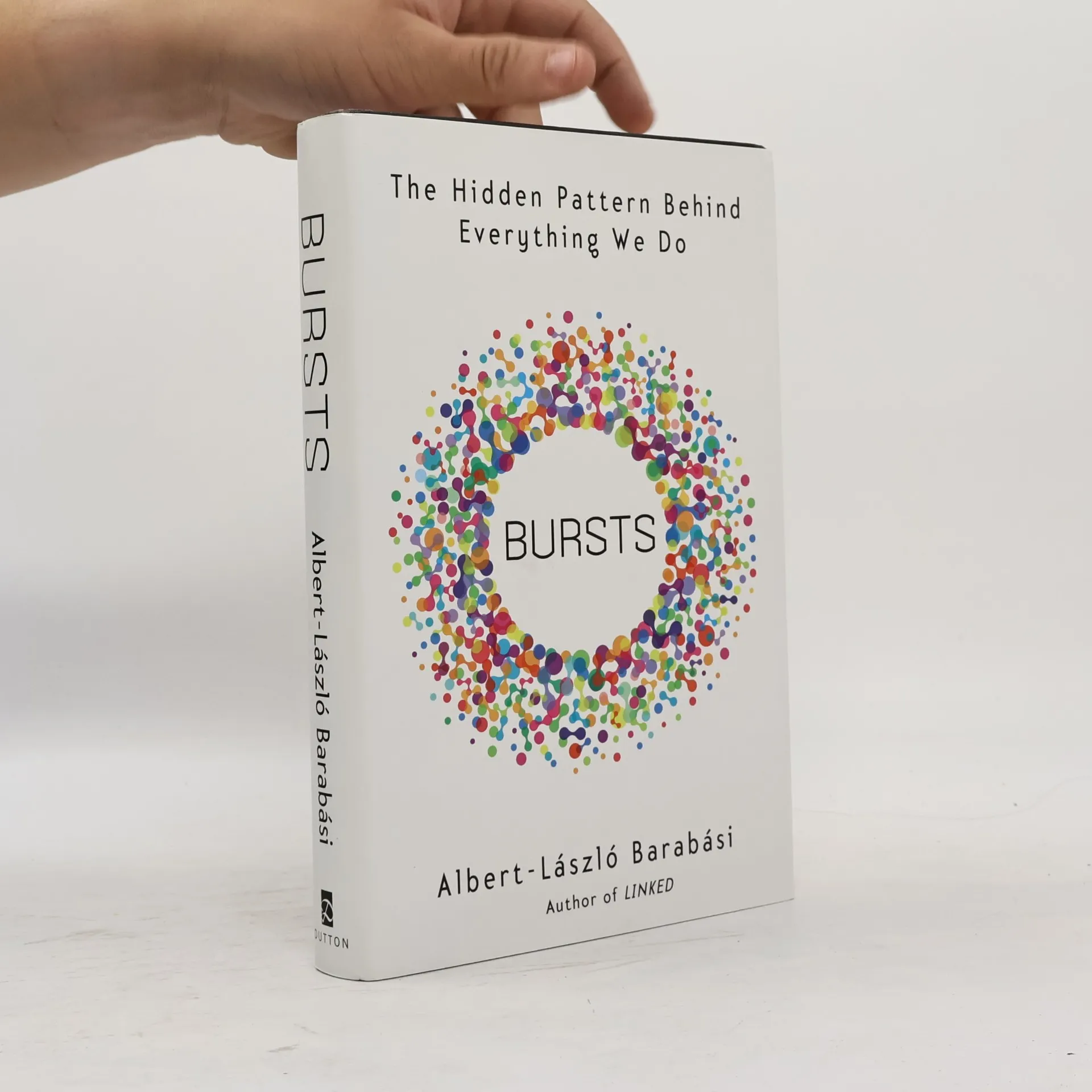
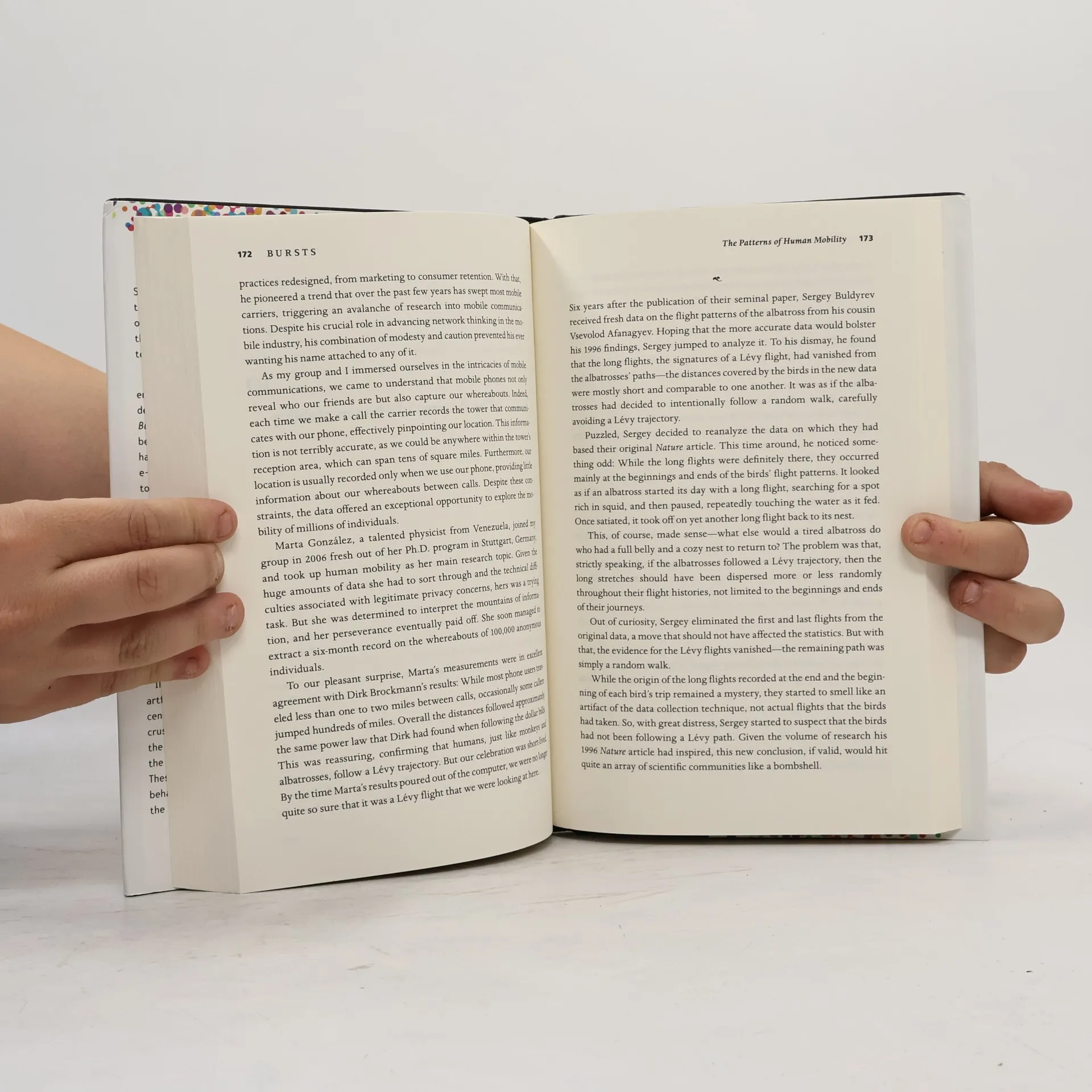
A revolutionary theory reveals how we can predict human behavior, challenging long-held beliefs about randomness. For centuries, scientists have sought to understand if our future can be foreseen, and new research is uncovering patterns in human actions that were once considered random. Albert Laszlo Barabasi, a leading expert on network science, explores this mystery through the lens of our digital world, where mobile phones and the Internet have created a vast research laboratory. The electronic traces we leave behind—texts, voicemails, and online searches—form a massive dataset that tracks our behaviors and decisions. Barabasi's analysis uncovers a striking pattern: we engage in bursts of activity followed by periods of inactivity. This "bursty" behavior contradicts the assumption that randomness governs our lives. Through compelling narratives, including a 16th-century crusade in Transylvania and the story of a contemporary artist pursued by the FBI, Barabasi illustrates the historical obsession with predicting human behavior. His diverse examples, from the movement of dollar bills to email writing patterns and epidemic spread, reveal a consistent mathematical structure underlying these phenomena. This research sheds light on the balance between individual spontaneity and the predictability of human behavior, fundamentally altering how we perceive our potential for extraordinary actions.


Nákup knihy
Bursts, Albert-László Barabási
- Jazyk

- Rok vydání
- 2010
- Vazba
- (pevná)
Tady nám chybí tvá recenze.
- Titul
- Bursts
- Podtitul
- The Hidden Pattern Behind Everything We Do
- Jazyk
- anglicky
- Autoři
- Albert-László Barabási
- Vydavatel
- Dutton Adult
- Rok vydání
- 2010
- Vazba
- pevná
- Počet stran
- 310
- ISBN10
- 0525951601
- ISBN13
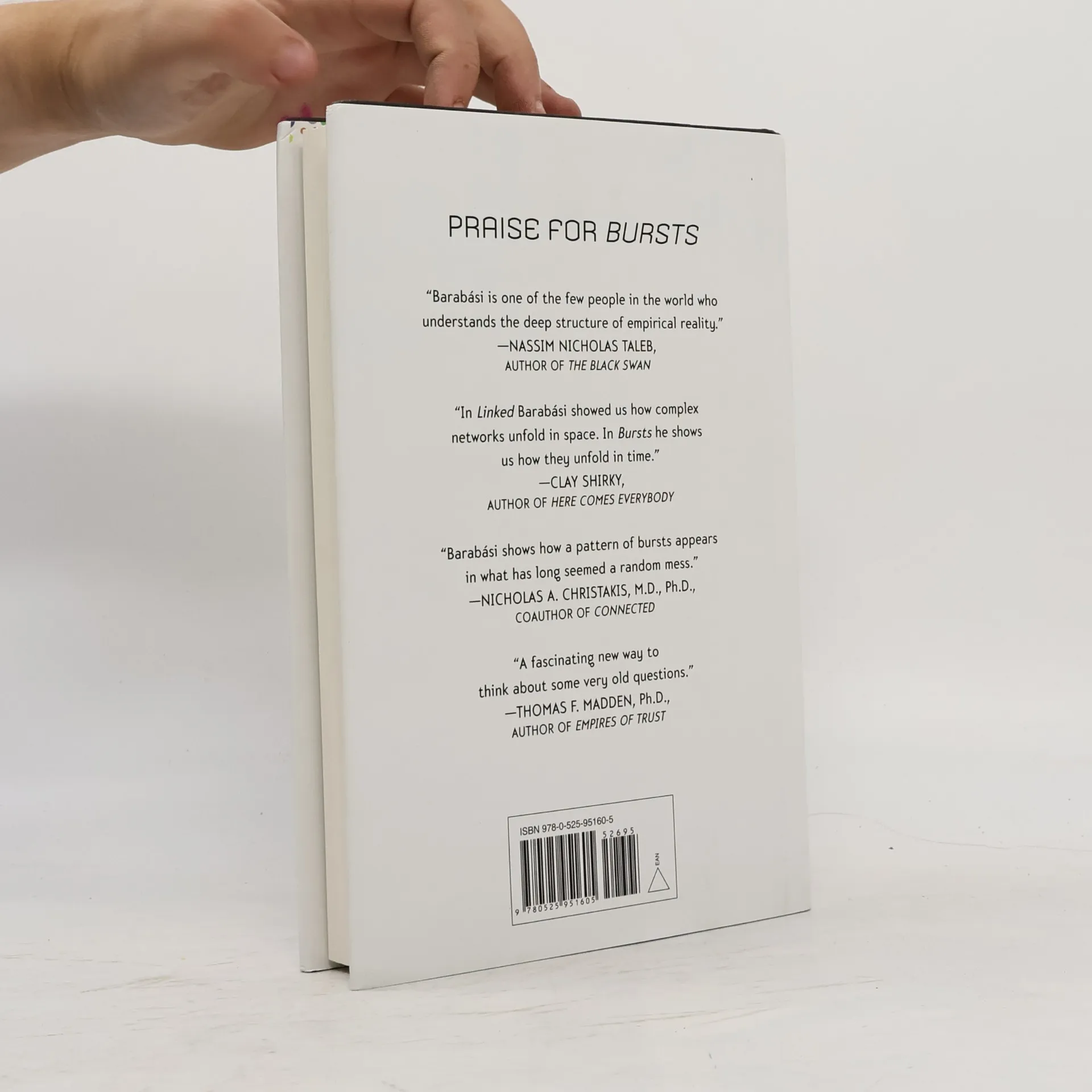
- 9780525951605
- Série
- Kategorie
- Štítky
- Historické téma, Byznys, Psychologická tématika, Věda
- Hodnocení
- 3,6 z 5
- Anotace
- A revolutionary theory reveals how we can predict human behavior, challenging long-held beliefs about randomness. For centuries, scientists have sought to understand if our future can be foreseen, and new research is uncovering patterns in human actions that were once considered random. Albert Laszlo Barabasi, a leading expert on network science, explores this mystery through the lens of our digital world, where mobile phones and the Internet have created a vast research laboratory. The electronic traces we leave behind—texts, voicemails, and online searches—form a massive dataset that tracks our behaviors and decisions. Barabasi's analysis uncovers a striking pattern: we engage in bursts of activity followed by periods of inactivity. This "bursty" behavior contradicts the assumption that randomness governs our lives. Through compelling narratives, including a 16th-century crusade in Transylvania and the story of a contemporary artist pursued by the FBI, Barabasi illustrates the historical obsession with predicting human behavior. His diverse examples, from the movement of dollar bills to email writing patterns and epidemic spread, reveal a consistent mathematical structure underlying these phenomena. This research sheds light on the balance between individual spontaneity and the predictability of human behavior, fundamentally altering how we perceive our potential for extraordinary actions.